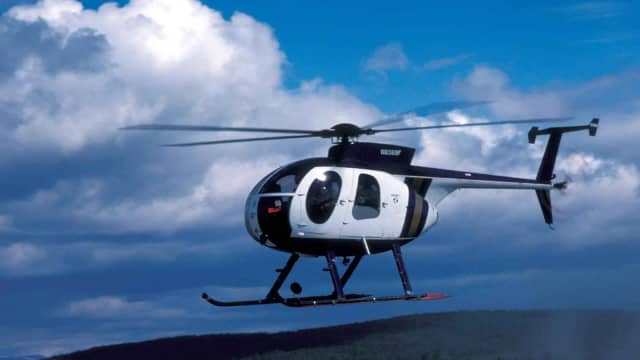
Heli-Skiing: Where to Go, What It Costs and Who Flies You (2026/27 Season)
Where to go heli-skiing in 2026/27, what a drop, a day and a lodge week cost, who it suits, and which helicopter operators fly it, region by region.
 Radu BalasFounder, The Flying Engineer
 Reviewed by Adrian ManPublished 11 min read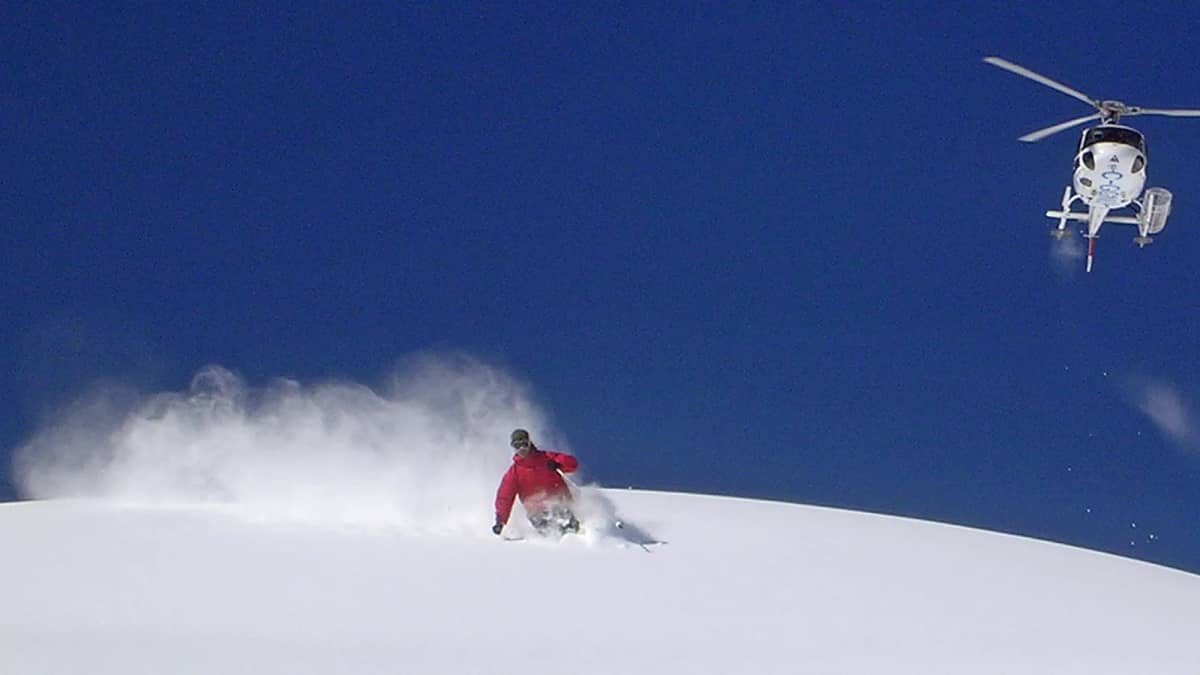
Heli-skiing means a helicopter flies you and a guide to untouched snow high in the mountains, and you ski back down. No lifts, no queues, no tracks. This guide covers where to go, what a trip really costs, who it suits and which operators fly it, with the companies in our directory linked. Dates and prices are the public figures we could find for the 2026/27 winter. Always confirm them with the operator before you pay.
What heli-skiing is, in short
A helicopter lands you on a ridge or glacier, usually above 2,000 m, where lifts do not reach. A certified mountain guide leads a small group down the slope, and the helicopter picks you up at the bottom for the next run. A day can mean 3 to 5 runs on a short programme, or many more on a lodge week with a set amount of vertical.
The earliest recorded heli-ski run was in British Columbia in 1953. Guide Hans Gmoser started the first commercial operation, Canadian Mountain Holidays, in 1965, and the sport grew most in the 1970s and 1980s. Today it runs in two main formats: lodge weeks that bundle flying, guiding, food and a bed, and day flights where you stay in a resort and book a drop or a day.
Best regions for heli-skiing
Snow quality, terrain and local law decide where you can go. Heli-skiing is banned in Germany, and France banned it in 1985, so the Alps trips below run from Switzerland, Italy and one corner of Austria. Here is each region, starting with the biggest.
British Columbia, Canada
Season: early December to late April, strongest from January to March. Terrain: big glaciated bowls and tree skiing in the Selkirk, Monashee, Purcell, Cariboo and Coast ranges, with a deep, fairly stable snowpack west of the Rockies. Access: mostly lodge weeks, with day programmes from Whistler and Revelstoke. Canadian Mountain Holidays describes itself as the world's largest heli-ski operator, with 11 heli-ski areas in the province. Revelstoke's tourism office calls the town the heli-skiing capital of the world, and five companies operate there.
Alaska, United States
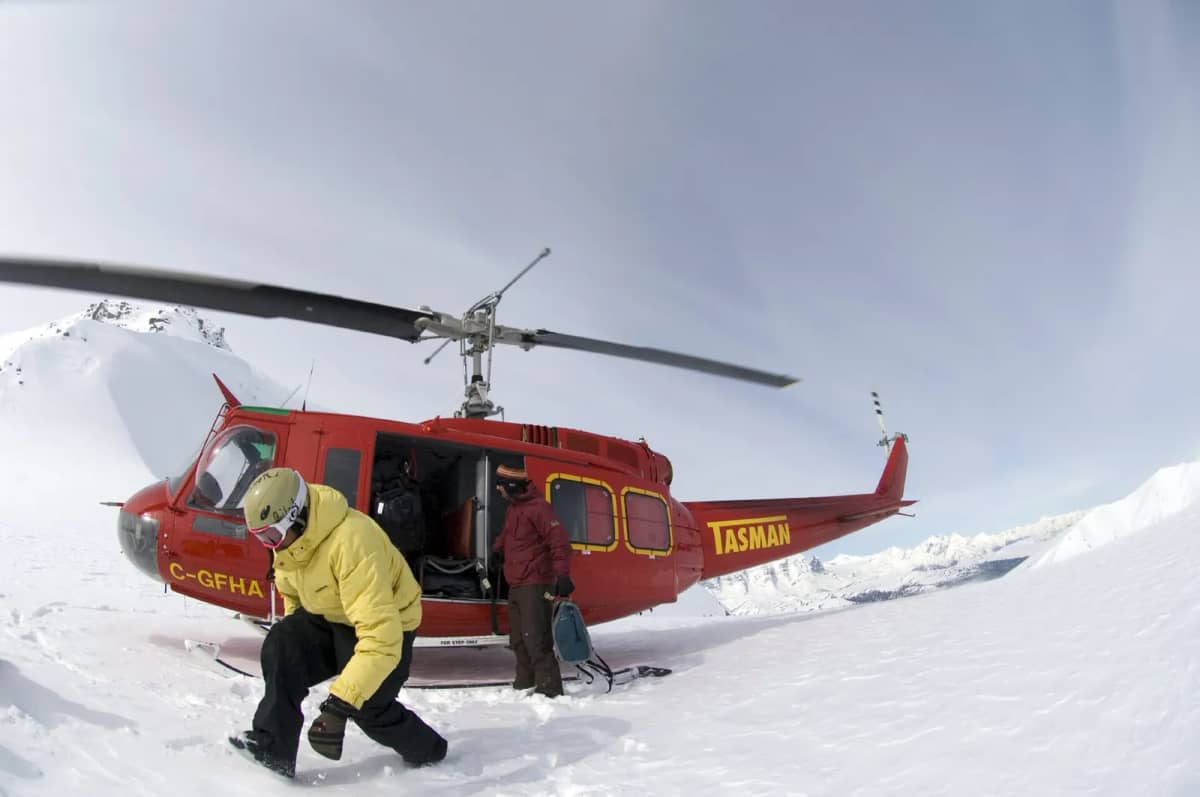
Season: early February to early May. Haines runs from early February, and Valdez operators mostly run mid February to late April. Terrain: steep, high-consequence faces in the Chugach range around Valdez and Thompson Pass, and the Chilkat range near Haines. Valdez is described as advanced to expert. Access: weekly packages, often sold Saturday to Saturday, with a fixed number of flight hours.
The Alps: Switzerland, Italy and Austria
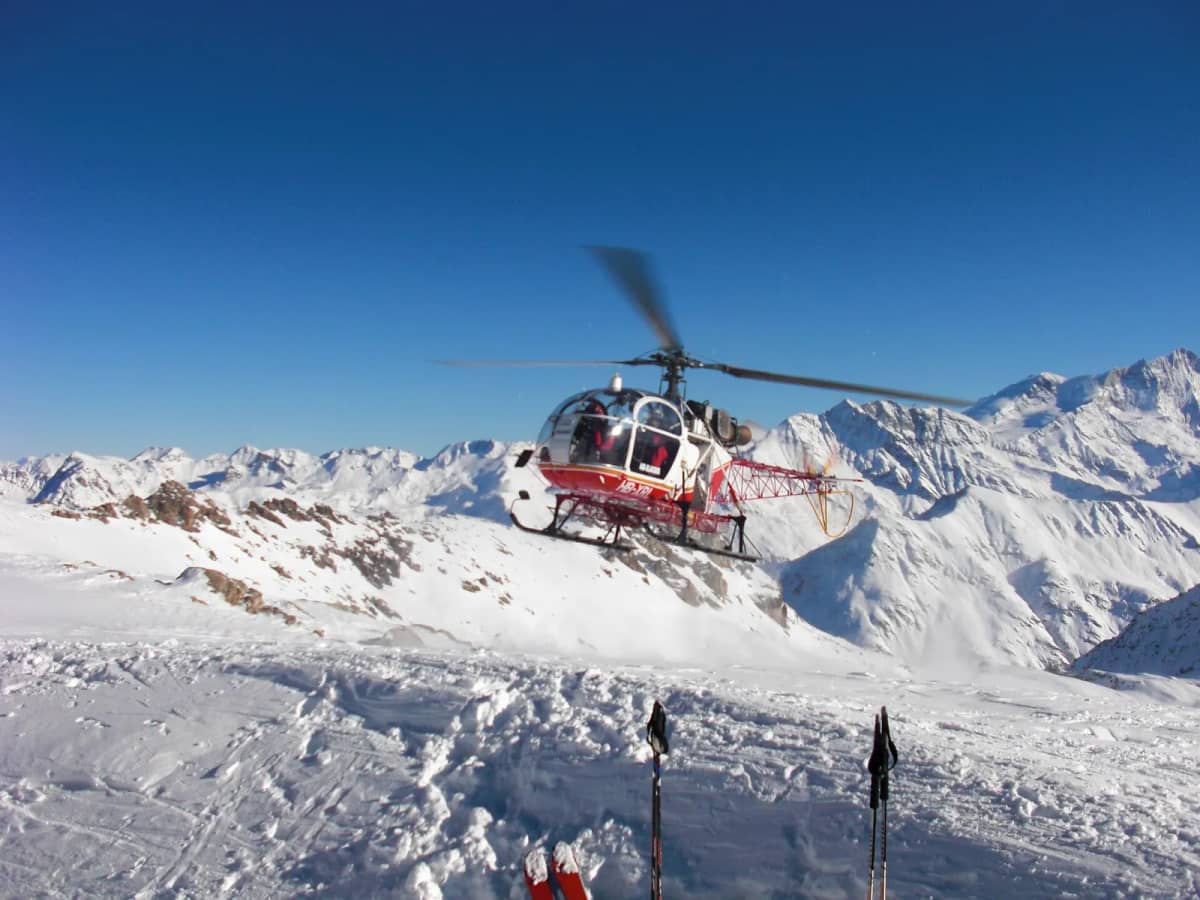
Season: roughly March to April or May, depending on snow, storms and avalanche conditions. Terrain: glaciers and high peaks, with landings up to 4,000 m. Access: short day flights from a resort, not lodge weeks. Switzerland has an estimated 15,000 heli-ski flights a year to 42 landing sites, and Zermatt is the busiest. Italy allows it at set sites in the Aosta Valley around Courmayeur, La Thuile, Valgrisenche and Cervinia. In Austria, official Lech Zürs tourism material says heli-skiing is only permitted at the Arlberg.
A word on France. Heli drops are banned in France, so Courchevel and Val d'Isère are departure points only. Guests fly from there to a Swiss or Italian start, with a helicopter company and a partner across the border. Check that your operator names the country where you ski.
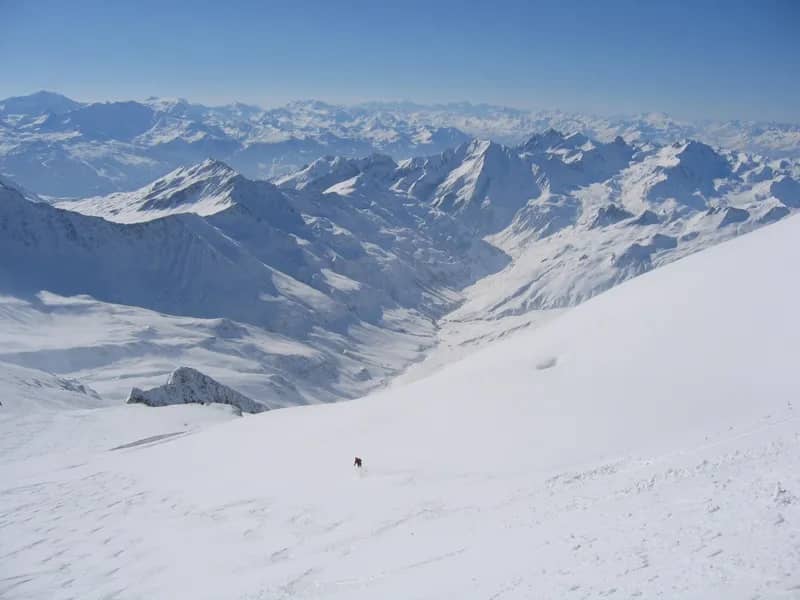
Iceland
Season: late February to June. Terrain: the Troll Peninsula in the north, where you can ski from peaks down to the Arctic Ocean, with long daylight and corn snow in spring. Access: packages of 4 or 6 days in small groups, typically four skiers and one guide, run by Arctic Heli Skiing.
Greenland
Season: April to mid May is described as prime time, with powder early and corn later. Terrain: remote East Greenland around Tasiilaq. Access: expedition style trips, often via a flight to Kulusuk and a helicopter on to Tasiilaq. These are not polished lodge weeks, and flying hours are limited, so weather matters.
Japan
Season: mid winter on Hokkaido. Terrain: Shiribetsu-dake, a 1,107 m volcanic peak beside Rusutsu, about 30 minutes from Niseko, with runs of 550 to 850 vertical metres. Access: Hokkaido Backcountry Club is the operator we found there. It is a small operation, so check dates directly.
New Zealand
Season: July to September, with August as the usual peak. Terrain: open Southern Alps peaks around Queenstown, Wanaka, Mount Cook and Methven. Access: day packages. Operators warn that helicopters can be grounded about every second day, so leave spare days.
Chile
Season: late July to early September, with August best. Terrain: high Andes peaks above Valle Nevado and Portillo. Access: by the drop or the day from the resorts. Portillo says its heli-ski flights are run by a separate company, Rotortec.
Georgia
Season: December to April. Terrain: the Greater Caucasus around Gudauri. Access: day tours from the resort, usually priced well below Alpine and Canadian rates.
India: Himachal Pradesh and Kashmir
Season: mid January to March around Manali, and into early or mid April on the upper runs at Gulmarg. Terrain: Himalayan faces with drops reported up to about 5,300 m. Access: short seasons from Manali and Gulmarg. Avalanche risk is high. Check current travel advice for Kashmir before booking.
Sweden and Norway
This is the least settled region. Norway restricts leisure landings on mountain tops and glaciers by regulation, so do not expect a normal heli-ski offer there. Sweden has had operators in the far north, but Sami reindeer herding communities have pushed for closures, and rules have been disputed in the courts. We could not confirm a current operator, so ask first.
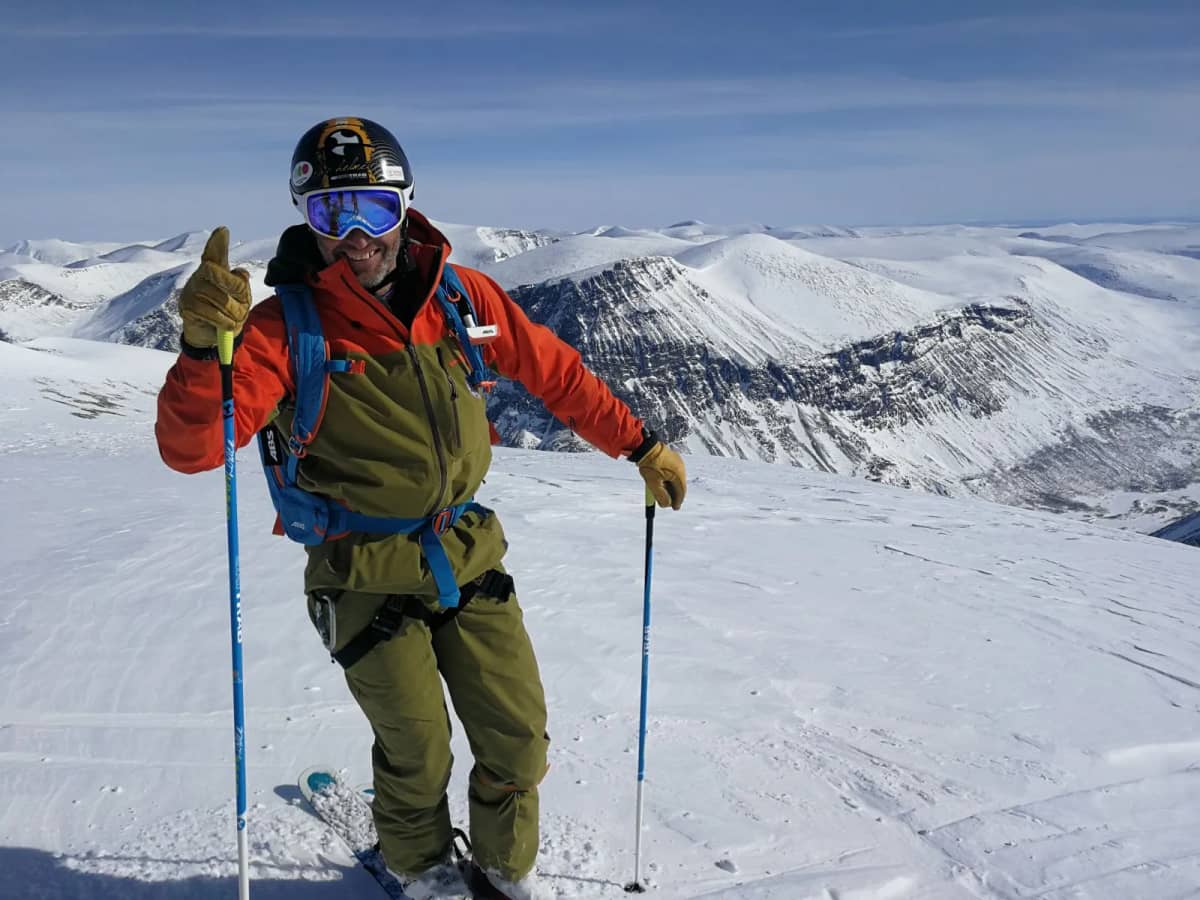
What heli-skiing costs
Prices below are public figures from operators and guides. They change by year, taxes and exchange rates, so read them as ranges, not quotes.
A single drop (Alps). Air Zermatt lists CHF 80 to CHF 140 for short landings on ski slopes, CHF 490 for an off-piste run from Zermatt with a guide, and CHF 850 per flight from Raron to Grimentz and Zinal, where the guide is extra. At the Arlberg, Wucher Helicopter lists EUR 540 to EUR 600 per flight for a group of four (three guests and a guide), with the guide charged separately.
A day package. In Canada, expect roughly CA$1,800 to CA$2,500 or more per person for an all-inclusive lodge day. One BC operator lists lodge days from CA$2,400, and a rule of thumb quoted in the industry is about US$1,500 a day. In Georgia, one operator lists days from about EUR 550 for three runs. In New Zealand, guides quote roughly NZ$800 to NZ$1,600 a day.
A week at a lodge. A week in Canada is commonly quoted at US$8,000 to US$20,000 per person. Seven day Alaska packages we saw ran from about US$11,000 to US$15,500, and extra helicopter time can cost around US$1,400 an hour per guest.
Check what the price includes: guide, lunch, avalanche gear, rental skis, taxes, and the amount of vertical. Many lodges set an allowance, and extra vertical is charged on top. Cat-skiing, below, is the usual way to cut the bill.
Who heli-skiing is for
Ability. You do not need to be an expert. Most operators want at least a strong intermediate: someone confident on red and blue runs and happy on blacks. What matters more is off-piste skill. Operators advise against making your first off-piste day your heli-ski day, and some packages are built for intermediates with little powder experience. Wide powder skis help a lot.
Fitness. Expect long days. Good fitness can make up for a small gap in skill, and tired legs are the usual reason a group slows down.
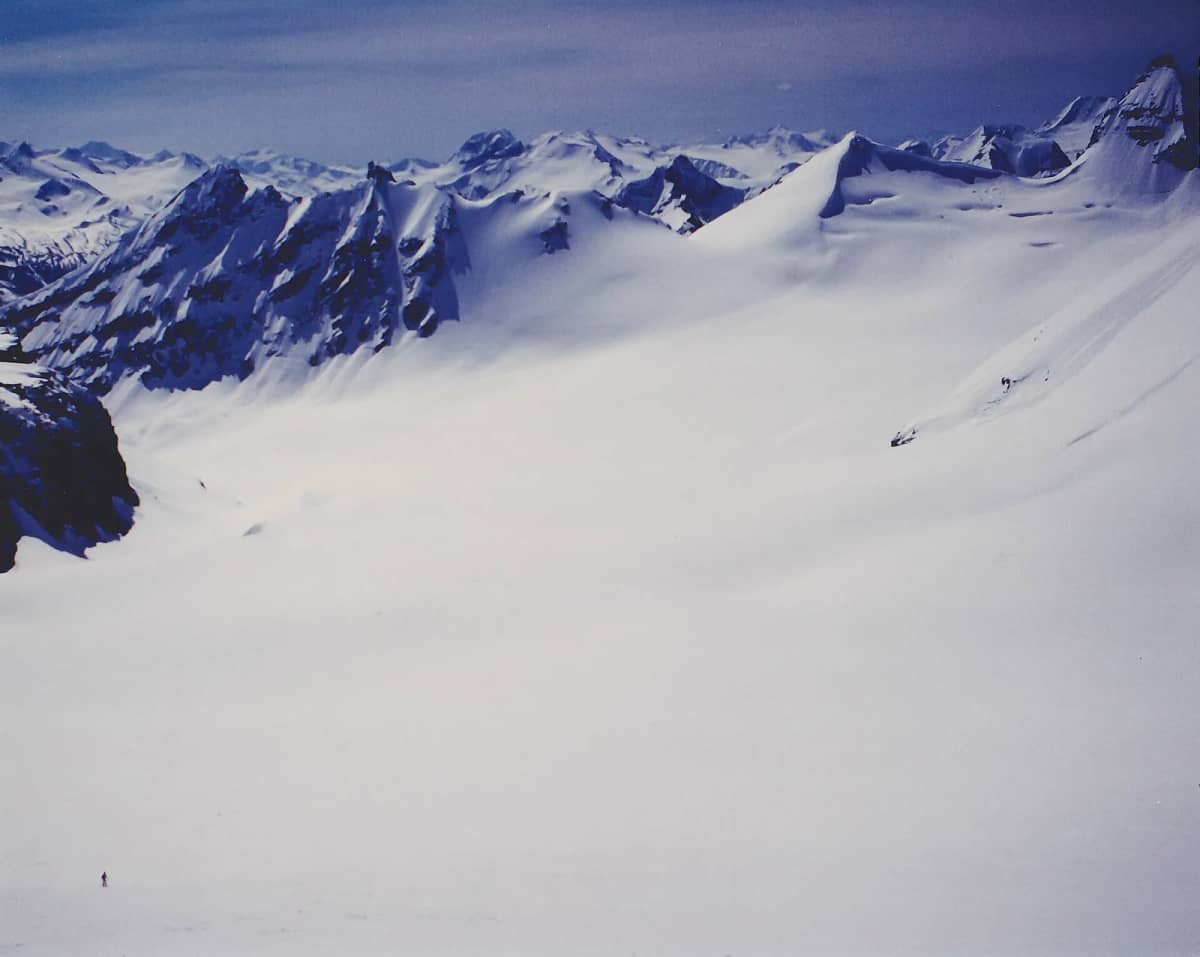
Guides and group size. You ski with a certified mountain guide, often from the IFMGA or the Association of Canadian Mountain Guides. Groups are small, commonly four skiers with one guide in Iceland, and a helicopter often carries four to five guests. In Switzerland a mountain guide is required for glacier and off-piste landings at most sites.
Safety gear. You carry an avalanche transceiver, shovel and probe, and many operators also supply avalanche backpacks. Operators often include the gear or let you hire it. Avalanches and tree wells are the main hazards, and guides choose slopes by testing the snowpack. Never ski alone, and take an avalanche course if you are new to the backcountry.
Cat-skiing as a cheaper alternative
Cat-skiing uses a snowcat to carry you uphill instead of a helicopter. One BC operator puts all-inclusive cat lodge days at CA$1,200 to CA$1,600 against CA$1,800 to CA$2,400 for heli lodges, and a cat day with no lodge from around CA$550. Cats run on days when helicopters are grounded, but they reach less terrain and fewer vertical metres a day. Heli runs are typically 800 to 900 m, cat runs 500 to 600 m.
Operators by region
Companies below that link to a page on this site are in our directory and mention heli-skiing on their own website. Ask each for dates and prices, because we do not publish them.
Switzerland
Air Zermatt flies heli-skiing from Zermatt and Raron to sites including Monte Rosa, Alphubel and Petite Combin.
Eagle Valais in Sion lists heli-skiing with a mandatory mountain guide, with drops between 3,500 and 4,000 m.
Air Glaciers lists heli-skiing in winter from its base near Gstaad.
Heli Bernina at Samedan, near St. Moritz, lists flights from the St. Moritz and Samedan heliports to Piz Corvatsch and other peaks.
Swiss Helicopter AG lists heli-skiing with a mountain guide from Gstaad-Grund in winter.
Italy and the French Alps departure points
Sky Aviation Helicopter Services, based at Courmayeur, runs heli-skiing in the Aosta Valley.
Mont Blanc Hélicoptères flies guests from the French resorts to the start point of Eagle Valais in Sion or to an Italian partner, so the heli-skiing happens in Switzerland or Italy, not in France.
Swiftcopters in Geneva lists heliski among its services and flies to Courchevel and Val d'Isère.
Austria
Wucher Helicopter runs the Lech Zürs heli-skiing at the Arlberg from Flexenpass and Kriegerhorn.
Other regions
Rotortec Helicópteros in Chile flies the heli-skiing at Portillo, according to the resort.
HeliTour in Chile lists heliski in the central Andes.
TCA Airlines in Georgia lists heli-skiing and mountain access.
Upper Limit Aviation in Salt Lake City lists heli-skiing among its services.
Well-known operators not in our directory. In British Columbia: Canadian Mountain Holidays, Northern Escape Heli-Skiing and Whistler Heli-Skiing. In Alaska: Alaska Heliskiing in Haines, Alaska Backcountry Guides and Valdez Heli Guides. In Iceland: Arctic Heli Skiing. In Greenland: GreenlandCopter. In New Zealand: Harris Mountains Heliski, Methven Heliski, Southern Lakes Heliski and Alpine Heliski. In Japan: Hokkaido Backcountry Club. In Chile: the Valle Nevado heli-ski programme. In Georgia: Heliksir. In India: Himachal Helicopter Skiing. We name them as starting points only, so check each company's own website and credentials. If you run a heli-ski operation, list your company.
Planning tips and booking lead times
Match month to region. Northern hemisphere trips run roughly December to April, Alaska, Iceland and Greenland peak in spring, and New Zealand and Chile run July to September.
Book lodge weeks early. Operators that sell fixed weeks, such as in Canada and Alaska, usually open dates well ahead and peak weeks fill first. Ask about next season as soon as the current one ends. Early and late season dates are often cheaper.
Day flights in the Alps can be booked closer in, but they depend on weather and avalanche conditions. Air Zermatt reschedules weather cancellations at no charge.
Add a buffer for weather. Helicopters ground on bad days in every region, especially in New Zealand and Greenland.
Insure it. Ask your insurer whether off-piste, helicopter and rescue costs are covered, and whether a mountain guide is a condition.
Be honest about your level. Overstating it creates safety and pace problems for the whole group.
Frequently asked questions
How much does heli-skiing cost?
A single drop in the Alps starts from about CHF 80 to CHF 140 for slope landings, and off-piste runs with a guide start from about CHF 490 at Air Zermatt. Day packages in Canada are roughly CA$1,800 to CA$2,500 or more per person, and a week in Canada or Alaska is commonly US$8,000 to US$20,000. Check what is included.
Do you need to be an expert to go heli-skiing?
No. Most operators ask for a strong intermediate level, confident off-piste and happy in variable snow. Good fitness matters almost as much as skill. Beginners can look at intermediate programmes in New Zealand or Whistler.
Where can you heli-ski in Europe?
Switzerland, Italy and one area of Austria (Lech Zürs on the Arlberg). Germany bans heli-skiing and France banned it in 1985. Norway and Sweden have limits, so ask an operator first.
What is the best time for heli-skiing in Canada?
British Columbia runs from early December to late April. January to March is usually the most reliable for deep, stable powder. December and late April are less dependable, but often cheaper.
Is heli-skiing safe?
Avalanches are the main risk. Guides assess the snowpack, choose slopes and may trigger avalanches deliberately. You carry a transceiver, shovel and probe, and ski in small groups. It carries real risk, so choose a certified guide and follow instructions.
What is the difference between heli-skiing and cat-skiing?
A helicopter reaches higher terrain and more vertical a day, but costs more and can be grounded. A snowcat is cheaper and runs in more weather, with shorter runs, often in trees.
What should I bring?
Wide powder skis or a snowboard, a helmet, goggles, layers and sun protection. Avalanche gear is supplied or hired by most operators. Ask before you travel.
Get a heli-skiing quote
Tell us your region, dates and group size, and we pass your request to helicopter operators, who reply to you directly.
Sources
Wikipedia, Heliskiing (history, bans, Swiss landing sites)
Air Zermatt, heli-skiing (prices, season, guides)
Wucher Helicopter, Arlberg heli-skiing (prices, rules)
Ski Arlberg, heliskiing and heliboarding (Lech Zürs, the permitted area in Austria)
Eagle Valais, Héliski (guides, altitudes)
Northern Escape Heli-Skiing, cost in Canada (day and week ranges)
EA Heli Skiing, heli-skiing vs cat-skiing and its ability guide
Powderhounds, compare US heli-ski operators (Alaska seasons and week prices)
Portillo, heli-ski and Whistler Blackcomb, how experienced do you need to be
Photos are from Wikimedia Commons under the licences credited in each caption. Prices and dates change, so confirm them with the operator.
About the author
Radu Balas
Founder, Flying Engineer
View author profile Editorial policy and correctionsExplore Aircraft Charter
Browse 1,153 companiesNeed a charter, a part or a service?
Tell us what you need and we share it with up to 3 relevant companies, who reply to you directly.