Guides
How to Choose a Drone for Inspections: 7 Checks
Seven checks to choose a drone for inspections, from sensors and flight time to the rules for operators, and when it is smarter to hire a drone company.
Published 2 min read
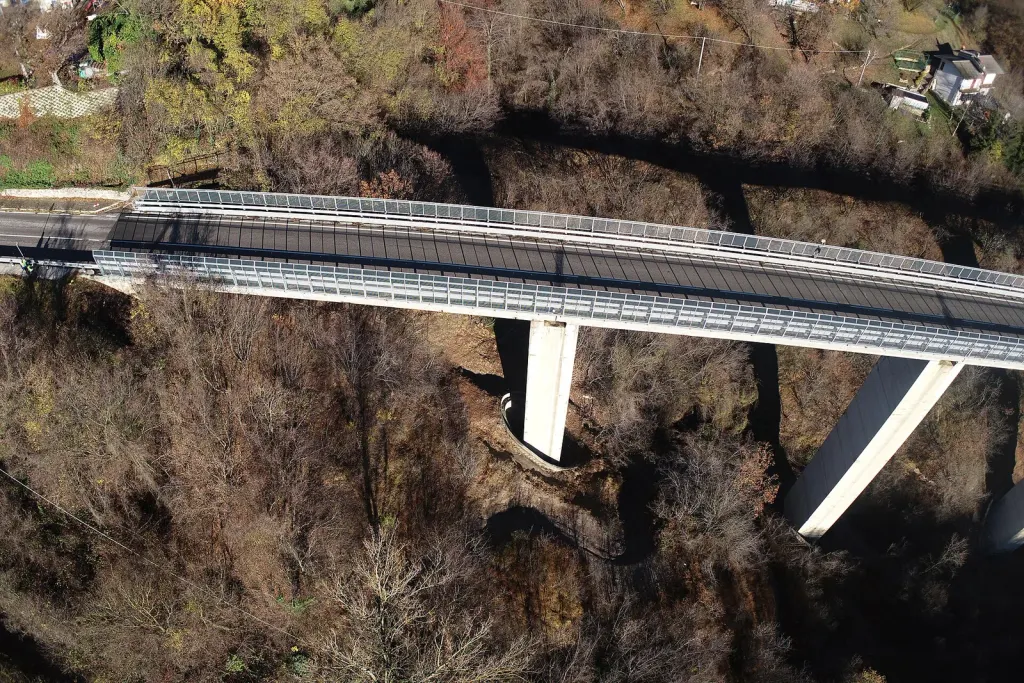
The best drone for an inspection is the one that sees the defect you are looking for, safely and with a legal operator. These seven checks help you choose, or decide that hiring a drone company is the smarter move.
Start with the job
Write down what you inspect: roofs, power lines, towers, bridges or wind turbines. Note how close the drone must get, how often you inspect and what a defect looks like. This one page decides most of the rest.
1. The camera and sensors
Check what the camera must show. A normal camera finds cracks and rust. A zoom lens lets the drone stay far from the structure. A thermal camera finds heat problems, such as a hot cable joint or a roof leak. Ask for sample pictures at the distance you will fly.
2. Flight time and range
Make sure one battery covers a typical job, with some left over. Plan spare batteries and a way to charge them on site. A long inspection with a short flight time means many landings and a slow day.
3. Weather and conditions
Look at the maker's limits for wind, rain, dust and cold. Inspections often happen in poor weather, and wind near tall structures is stronger than it feels on the ground. A drone that stays home when it is windy costs you days.
4. Position and safety
For close work you want accurate positioning, sensors that see obstacles, and a clear return home plan if the signal is lost. Ask about backups for the key parts. A drone that holds its position well gives sharper and more repeatable pictures.
5. The rules
The operator, not only the drone, must follow the rules, and they differ by country.
- United States: commercial flights under the small drone rules (Part 107) need a Remote Pilot Certificate, which you get by passing the FAA knowledge test (FAA).
- European Union: flights fall into the open, specific or certified category, by risk. Riskier flights need an authorisation from the national authority (EASA).
Elsewhere, ask your national aviation authority before you plan a flight.
6. From pictures to a report
An inspection is useful when the data becomes a clear report. Ask which software turns the photos into findings, how files are stored and who owns the data. Check that it works with the tools your team already uses.
7. Support, insurance and the real cost
Add up the drone, the extra batteries, the software, the training and the repairs. Ask how fast the maker or reseller replaces a broken part. Check insurance for the drone and for damage to others (our drone insurance guide explains the types).
Own a drone, or hire a drone company?
If you inspect often, owning a drone and training your own pilot can pay off. If you inspect a few times a year, a drone company already has the aircraft, the approvals, the insurance and the experience. Ask for a fixed price per job and a sample report.
On the Flying Engineer
Compare drone makers, operators and software companies on our drone companies page, and send a request to several at once. For news, read why the US wants 250,000 cheap drones.

About the author
Adrian Man
Editor, Business Development
View author profile Editorial policy and correctionsExplore Drone Services
Browse 936 companiesNeed drone services? Get quotes
Tell us what you need and we will pass it to suitable companies.