Cockpit Seating and Landing Flare: How Pilot Eye Position Affects Aircraft Safety
 Radu BalasPublished 7 min read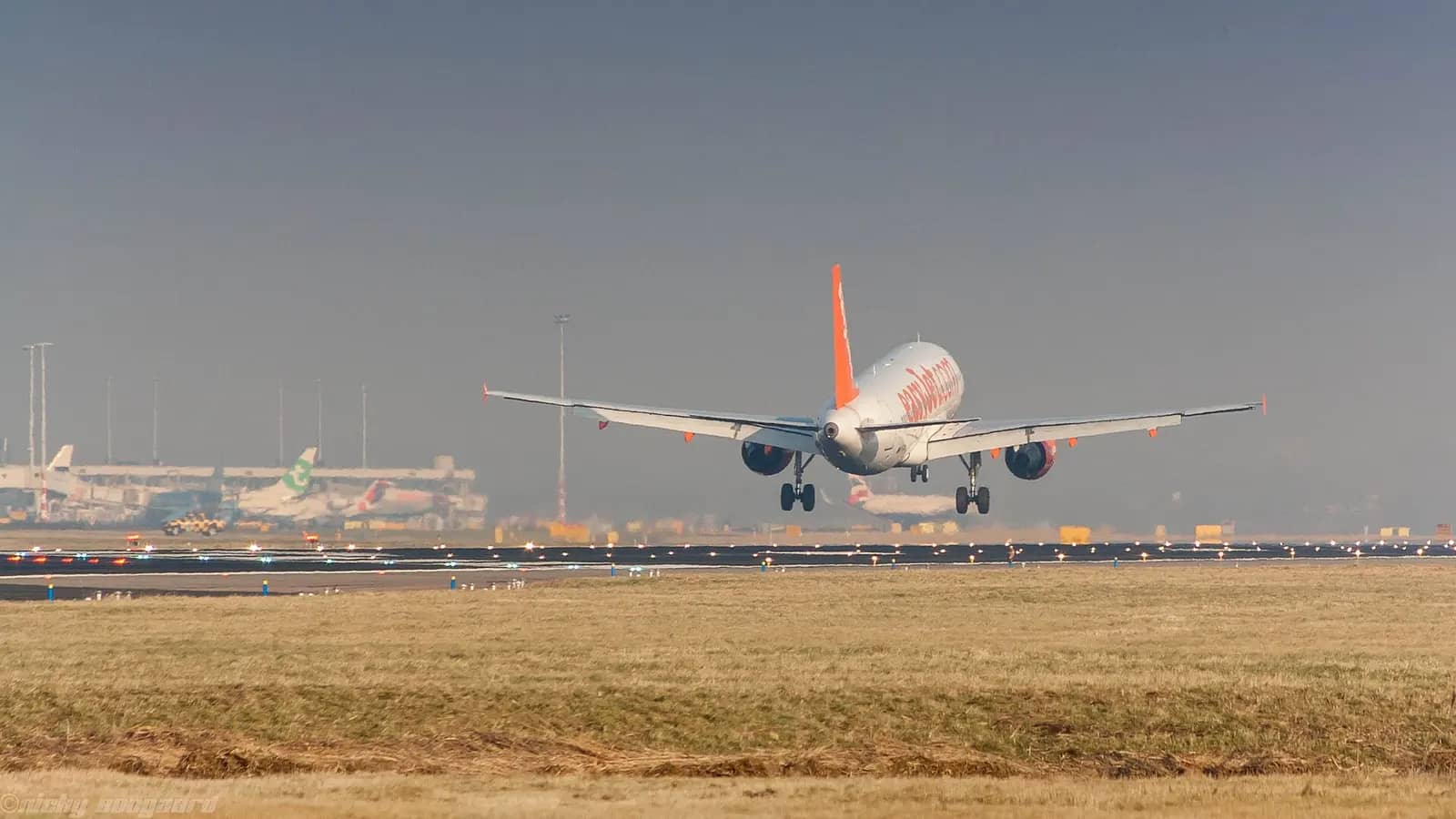
Published by The Flying Engineer - Your Premier Aviation Industry Network
Introduction
The difference between a smooth landing and a catastrophic tail strike can often be traced to something as seemingly mundane as pilot seat position. In turboprop aircraft like the ATR 72 and Bombardier Q400, proper cockpit seating directly influences landing flare technique, visual perspective, and ultimately flight safety. What manufacturers recommend through sophisticated sight gauges may not always align with operational reality.
Recent incidents involving hard landings, aircraft bouncing, and tail strikes on turboprop aircraft highlight a critical relationship between pilot eye level, visual perspective, and landing execution. Understanding this relationship provides crucial insights into aircraft design philosophy, pilot training requirements, and the subtle factors that distinguish routine operations from potential accidents.
This analysis examines how cockpit design elements influence pilot performance and why experienced pilots sometimes deviate from manufacturer recommendations to achieve safer operational outcomes.
Cockpit Sight Gauge Technology and Philosophy
ATR 72 Seat Position Sight Gauge
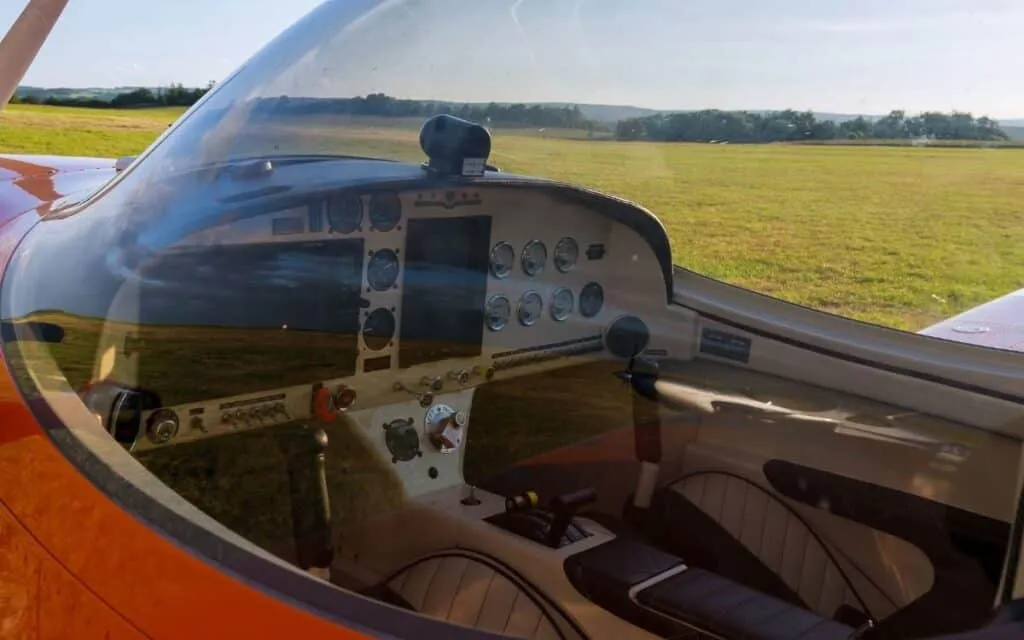
The ATR 72-500 incorporates a unique "seat position sight gauge" consisting of three colored balls designed to help pilots achieve optimal viewing angles for both instrument panels and runway environment. This system requires pilots to adjust seat height and position until the left white ball becomes obscured by the red center ball when viewed from the correct eye position.
This sight gauge represents ATR's engineering solution to standardize pilot viewpoints across different physical statures and operational conditions. The system acknowledges that consistent visual reference points are crucial for maintaining standardized approach and landing techniques across diverse pilot populations.
ATR Sight Gauge Components:
- Three colored balls: White, red, and positioning reference
- Adjustment mechanism: Seat height and fore/aft positioning
- Visual alignment: Left white ball obscured by red center ball
- Standardization purpose: Consistent viewpoint across pilots
- Instrument integration: Optimal panel visibility consideration
Bombardier Q400 Eye Level Indicator
The competing Bombardier Q400 employs a similar concept through its "eye level indicator" system, demonstrating that turboprop manufacturers recognize the critical importance of standardized pilot positioning. This convergent design philosophy across manufacturers highlights the operational significance of proper cockpit geometry.
Boeing aircraft notably lack such systems, relying instead on different viewpoint adjustment methodologies that reflect distinct design philosophies between turboprop and jet aircraft operations. Airbus aircraft incorporate sight gauges similar to ATR designs, suggesting European manufacturer consensus on standardized visual reference systems.
Cockpit Seating and Landing Flare Challenges
Turboprop-Specific Operational Considerations
ATR 72 and Q400 aircraft present unique challenges during landing operations due to their long, low fuselage configurations and constant-speed propeller systems. These design characteristics create operational complexities that directly relate to pilot seating position and visual perspective during critical flight phases.
The long fuselage geometry increases tail strike susceptibility, while constant-speed propellers create significant drag variations during power changes. These factors combine to make precise flare execution more challenging than in conventional jet aircraft, where thrust response and drag characteristics behave more predictably.
Turboprop Landing Challenges:
- Fuselage geometry: Long, low configuration increases tail strike risk
- Propeller drag: Constant-speed props create variable drag during power changes
- Power response: Rapid drag increase when power reduced
- Balloon recovery: Power addition required rather than reduction
- Visual references: Ground perspective affected by seating position
The Experienced Pilot's Perspective
An experienced first officer's observation that manufacturer-recommended seating positions promote excessive flare highlights the disconnect between engineering theory and operational reality. His solution-sitting lower than recommended to create an upward viewing angle-demonstrates how practical experience often refines manufacturer guidance.
This deviation from recommended procedures isn't cavalier disregard for engineering; rather, it represents informed adjustment based on operational experience and aircraft-specific characteristics. The technique acknowledges that visual perspective directly influences flare initiation and magnitude, with lower seating reducing the tendency toward excessive nose-up attitude during landing.
Incident Analysis: When Flare Goes Wrong
Case Study: N438AT Hard Landing Sequence
The May 9, 2004, incident involving ATR 72-212 N438AT demonstrates the catastrophic potential of improper flare technique. The captain's warnings-"don't pull the nose up" and "you're ballooning"-illustrate real-time recognition of developing problems, yet the aircraft still experienced multiple hard landings with vertical loads reaching 5Gs.
Incident Sequence Analysis:
- Initial approach: Captain recognizes developing balloon condition
- Threshold crossing: Multiple warnings about nose attitude
- First touchdown: 1.3G vertical load, aircraft bounces
- Subsequent touchdowns: Progressively harder impacts
- Final impact: 5G vertical load, significant structural damage
- Aircraft disposition: Runway excursion, substantial damage
This sequence demonstrates how initial flare errors compound rapidly in turboprop aircraft, where propeller drag characteristics and fuselage geometry create challenging recovery scenarios.
D-ANFH Tail Strike Incident
The September 17, 2005, incident involving ATR 72-212A D-ANFH resulted from a 6.5-degree nose-up attitude during flare-seemingly modest but sufficient to cause lower rear fuselage contact with the runway. This incident emphasizes how small attitude variations can have significant consequences in long-fuselage turboprop aircraft.
Aviation safety analysis of such incidents reveals consistent patterns where visual perspective and flare technique interact to create hazardous situations, particularly when pilots lack sufficient experience with turboprop-specific characteristics.
G-BWDA Bounce and Tail Strike
The May 23, 2006, incident involving ATR 72-202 G-BWDA followed a "brilliant approach" that deteriorated during the final flare sequence. Power closure at 10 feet, followed by excessive flare and bounce recovery attempts, culminated in tail strike-a classic turboprop landing scenario gone wrong.
These incidents collectively demonstrate that proper flare technique in turboprop aircraft requires different visual cues and control inputs compared to jet aircraft, making pilot training and seating position critically important for safety outcomes.
Training and Operational Implications
Pilot Training Considerations
Modern pilot training programs must address the relationship between seating position, visual perspective, and landing technique specifically for turboprop operations. Traditional training often focuses on standardized procedures without adequately addressing aircraft-specific characteristics that influence technique adaptation.
Training Enhancement Requirements:
- Seating position optimization: Individual pilot adjustment techniques
- Visual reference training: Perspective-specific landing cues
- Turboprop characteristics: Propeller drag and power response
- Incident analysis: Learning from flare-related accidents
- Simulator training: Realistic visual perspective modeling
Manufacturer Design Evolution
Aircraft manufacturers continue refining cockpit design principles based on operational feedback and incident analysis. The evolution from simple seat adjustment to sophisticated sight gauge systems reflects growing understanding of human factors in aircraft operation.
Future cockpit designs may incorporate adaptive visual reference systems that account for individual pilot characteristics while maintaining standardized operational procedures-balancing manufacturing efficiency with operational safety requirements.
Regulatory and Safety Considerations
Certification Standards and Human Factors
Aviation certification authorities increasingly emphasize human factors considerations in cockpit design, recognizing that pilot-aircraft interface design directly influences safety outcomes. Sight gauge systems represent proactive approaches to standardizing critical visual references.
However, regulatory frameworks must also accommodate operational flexibility when experience demonstrates that manufacturer recommendations may not optimize safety across all operational scenarios. This balance between standardization and adaptation remains challenging for both manufacturers and operators.
Operational Guidance Development
Airlines operating turboprop aircraft increasingly develop specific operational guidance addressing seating position, visual references, and landing technique refinements based on fleet experience and incident analysis. This guidance supplements manufacturer recommendations with operationally-proven techniques.
Such operational evolution demonstrates how safety management systems incorporate lessons learned from both incidents and successful operational practices, creating comprehensive guidance that enhances safety outcomes beyond baseline certification requirements.
Frequently Asked Questions
Q.1 Why do turboprop aircraft have sight gauges when jets don't?
Answer: Turboprop aircraft typically have longer fuselages relative to landing gear height, making visual perspective more critical during landing. Jets often have more favorable geometry and different operational characteristics that reduce the need for precise seating standardization.
Q.2 How does propeller drag affect landing technique?
Answer: Constant-speed propellers create significant drag when power is reduced, causing rapid descent rates that can complicate bounce recovery. Unlike jets where power reduction aids descent control, turboprops often require power addition during landing corrections.
Q.3 Is it safe to deviate from manufacturer seating recommendations?
Answer: Experienced pilots may adjust seating based on individual characteristics and operational experience, but such deviations should be informed decisions considering aircraft-specific factors and safety implications rather than casual modifications.
Q.4 What training helps prevent flare-related incidents?
Answer: Comprehensive turboprop-specific training addressing visual perspective, propeller characteristics, and proper flare technique significantly reduces incident risk. Simulator training with accurate visual modeling provides safe environment for technique development.
Conclusion
The relationship between cockpit seating position and landing safety in turboprop aircraft demonstrates how seemingly minor design details can have significant operational consequences. Manufacturer sight gauge systems represent sophisticated attempts to standardize pilot positioning, yet operational experience sometimes reveals limitations in these engineering solutions.
The experienced pilot's technique of sitting lower than recommended illustrates how practical knowledge can refine theoretical guidance, creating safer operational outcomes through informed adaptation. However, such modifications require thorough understanding of aircraft characteristics and careful consideration of safety implications.
Incident analysis reveals consistent patterns where improper flare technique, often influenced by visual perspective and seating position, creates hazardous situations in turboprop aircraft. These lessons emphasize the importance of comprehensive training programs addressing aircraft-specific characteristics and the critical nature of proper pilot-aircraft interface design.
As aviation technology continues evolving, the balance between standardized procedures and operational flexibility remains crucial for maintaining safety while accommodating diverse pilot populations and operational requirements.
For comprehensive coverage of aviation safety, pilot training, and aircraft design analysis, explore our extensive resources at The Flying Engineer-your premier aviation industry network providing authoritative insights into aviation safety protocols and pilot training developments.