Airports
Airport Jobs Unseen
From 3 AM to the night shift, discover the people and jobs that keep a major airport running, from ground crews to firefighters and mechanics.
Radu BalasReviewed by Adrian Man
Published 5 min read

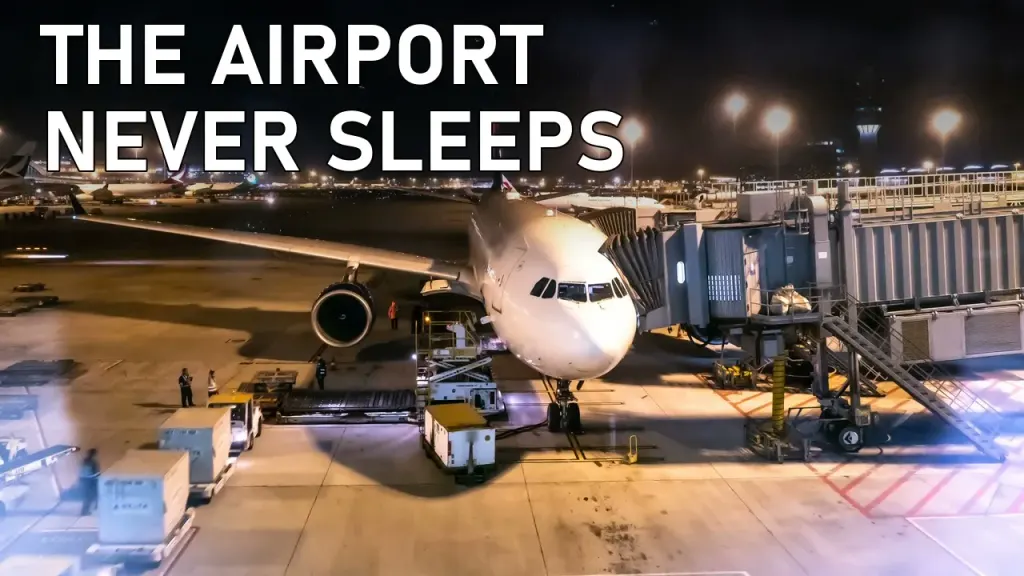
Passengers see only part of an airport. The work behind each flight starts early and continues long after they leave.
Our 36 minute film follows the people who keep a major airport moving.
The film covers the full day, from 3 AM to the night shift, and this is the short written version.
03:00 The Airport Wakes Up
At 3 AM, the work has already begun. In flight catering kitchens, teams prepare food that must reach aircraft before departure. Emirates serves 149 meals every minute, or about 215,000 meals a day. In 2024, its catering operation had 1,400 chefs. Our directory also lists aviation catering companies.
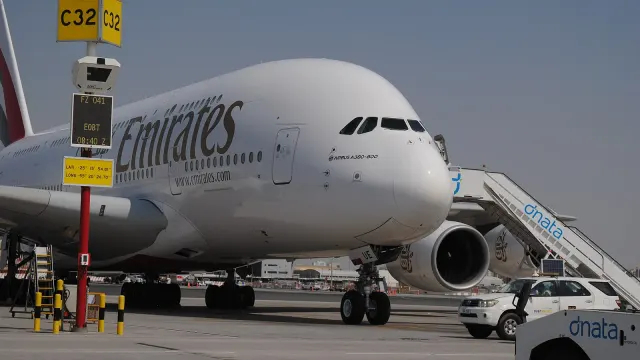
The upper deck of the A380 needed a catering truck that could lift 2.4 metres higher than a normal truck. It can reach 8.4 metres and carry up to 50 trolleys on one trip.
Weather is another job that never stops. Met Office forecasters work inside Heathrow's operations centre all day, every day of the year. Before dawn, airfield inspectors also check the ground. In July 2000, a metal strip dropped by a DC-10 led to the Concorde crash that killed 113 people. US airports must inspect their airfields at least daily.
04:30 The Doors Open
The first passengers bring a different set of jobs. Check-in agents must check travel papers. An airline can face a charge of £2,000 for each passenger it flies to the UK without the right documents. Aviation security teams screen passengers and bags. In 2024, about 94% of firearms found at US airport checkpoints were loaded.
Special assistance teams help passengers who need support. At UK airports, the share of passengers asking for help rose from 0.94% in 2010 to 1.9% in 2024. There were 5.5 million requests that year.
Bags are moving too, often out of sight. Frankfurt has about 100 km of conveyor belts in its baggage network and handles around 88,900 bags a day. Heathrow Terminal 5 has 18 km of belts. Airport duty managers watch the bigger picture. Heathrow's operations centre can bring together up to 50 specialists and plans for arrivals such as Air Force One with air traffic staff in the room.
06:00 The First Wave
Before a flight leaves, pilots walk around the aircraft. They check the nose gear bay for stowaways too. Cabin crew hold their briefing. Crew numbers depend on seats, not passengers, with one attendant for every 50 seats.
Flight dispatchers work with pilots before takeoff. In the US, the dispatcher and captain share responsibility for releasing the flight. On the ground, aviation fuel suppliers support another vital task. At large airports, fuel can reach aircraft through pipes beneath the apron. An A380 can hold 320,000 litres of fuel.
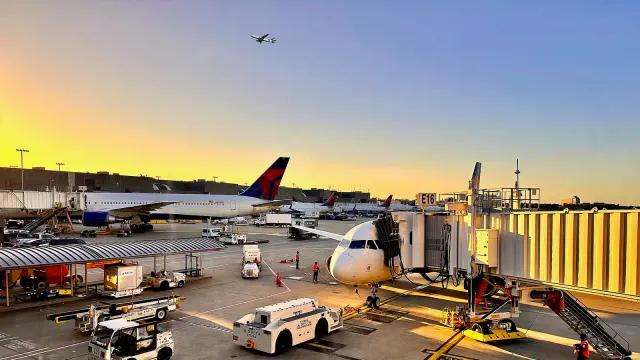
Gate agents watch the clock. For American Airlines, boarding ends 15 minutes before departure, and doors close at 10 minutes. Towbarless aircraft tugs grip and raise the nose wheel. Some can move an A380 weighing up to 600 tonnes.
In the tower, controllers manage the stream of aircraft. In normal conditions, Heathrow sees a takeoff or landing about every 45 seconds and works at roughly 98% of runway capacity. Behind this work are people and air traffic control systems.
09:00 The Turnaround
An aircraft can turn around in just 25 minutes. Ryanair says its ground handlers meet that target. Many jobs must happen together.
Ramp agents unload and load bags. Workers inside aircraft holds have been observed making one lift every six seconds. An average bag weighs 15 kg, while one in ten weighs more than 25 kg. This is the work of ground handling companies.
Marshallers use standard hand signals, though many gates now use laser docking screens. Cleaners face their own clock. With eight cleaners and 180 seats, a cabin clean can allow about six seconds per seat in an eight minute job.
Water and lavatory teams arrive too. Carrying 500 kg of extra water can burn 150 kg of fuel over nine hours. In Frankfurt, the airport company controls the apron.
12:00 Arrivals and the Border
Border officers check who is entering. At US ports of entry, officers arrest an average of 86 wanted criminals on a typical day. They seize about 60 pounds of fentanyl on a typical day.
Detector dogs have their own role. At Chicago O'Hare, one beagle found about 30 pounds of cowhide in a single bag. At Heathrow, the live animal centre handles another kind of arrival. The most common animal it receives is fish, with about 28 million arriving in a year.
These jobs continue across airports, even when passengers never see them.
15:00 When Things Go Wrong
Wildlife control officers work to reduce the risk of animals meeting aircraft. The US recorded more than 22,000 wildlife strikes in 2024, up 14% in one year.
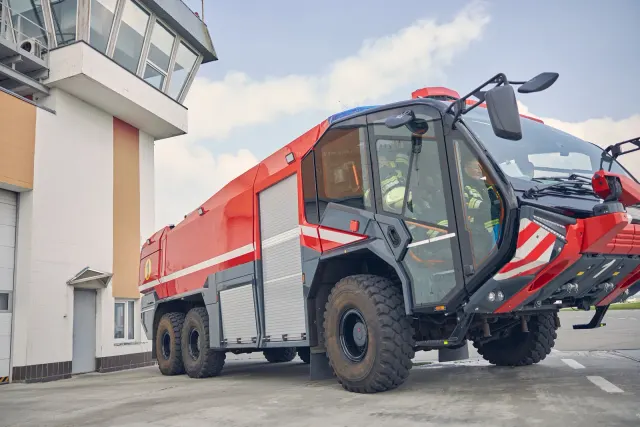
Airport firefighters must be ready at short notice. Under US rules, the first fire truck must reach the middle of the farthest runway and begin spraying within three minutes. Frankfurt has about 340 fire and rescue staff.
At Munich, crews de-ice aircraft, and 66% of the fluid is recycled. Christmas Eve 2025 was its busiest de-icing day. In Helsinki, snow crews can clear one runway while other runways remain open. A runway can be cleared in about 11 minutes, with more than 200 machines available for snow work.
19:00 The Evening Bank and Cargo
Cargo teams build and load containers that fly with goods. These containers, known as unit load devices or ULDs, count as aircraft parts. Around a million are in use, and damage and losses cost about US$330 million a year. This is part of air cargo operations.
Line mechanics inspect aircraft, check fuel quantities and drain water from fuel tanks. These jobs sit within aircraft maintenance. Later, avionics technicians can install software or replace electronic boxes, sometimes while aircraft engines are running nearby. You can also find companies working in avionics in our directory.
23:00 The Night Shift
Night runway crews deal with the rubber left behind by aircraft tyres. Each landing can leave 5 to 10 kg of rubber on the runway. Runway work can also involve replacing large amounts of asphalt, up to 850 tonnes in a night.
At 1 AM, airfield lighting electricians still have a job to do. Runway lights sit in the surface itself, where aircraft roll over them. In 2024, about 1,100 runway lights were changed to LED.
The terminal cleaning crews from 3 AM return, ready for the next wave of flights at 6 AM.
Watch the full 36 minute film to see how these jobs fit together over a day. You can also explore The Flying Engineer directory to find companies that support airports and the aircraft using them.

About the author
Radu Balas
Founder, Flying Engineer
View author profile Editorial policy and correctionsExplore Ground Handling
Browse 1,399 companiesNeed a charter, a part or a service?
Tell us what you need and we share it with up to 3 relevant companies, who reply to you directly.