Guides
Gifts for Student Pilots: What Helps in the First 20 Hours
The first 20 hours of flight training bring plenty to learn and plenty to buy. Here are 11 aviation brands with useful gifts for student pilots, from their first lesson to their first solo.
The Flying Engineer
Published 7 min read
The first 20 hours of flight training can feel like learning a new language while someone asks you to fly an airplane. There are radio calls to understand, instruments to watch, checklists to follow and a written test waiting down the road.
Training also costs money. A useful Christmas gift can take one expense off a student's list or make their next lesson easier. Our aviation gifts directory covers 240 brands, but new pilots need surprisingly little at first. A headset, a way to study and somewhere to keep flight records will do more than a shelf full of aviation souvenirs.
This guide focuses on gifts for the first months of training, including a few worth saving for the first solo or checkride.
The student pilot path in plain steps
In the United States, someone can qualify for a student pilot certificate at 16, or 14 for gliders and balloons. They must be able to read, speak, write and understand English.
For a private pilot certificate in a single-engine airplane, the FAA requires at least 40 flight hours. Those include 20 hours of instruction and 10 hours of solo flying, plus specific cross-country, night and instrument training. Forty is the legal minimum, not a promise that training will finish there.
Before flying solo in an airplane, a student needs at least a third-class medical certificate. Glider and balloon students have different medical requirements.
There is also the FAA knowledge test, followed by the practical test, called the checkride. The written test must have been passed within the 24 calendar months before the checkride.
That suggests a useful gift order. Ground school comes early. Headsets and flying kit help during lessons. Test preparation matters as the exam approaches. A keepsake can mark the first solo or the day they earn their certificate.
Ground school and test prep
The FAA provides the Pilot's Handbook of Aeronautical Knowledge and the Airplane Flying Handbook as free downloads. Students can start reading without spending anything. A structured course, however, can make that information easier to understand.
King Schools
John and Martha King founded King Schools in 1974. Its Complete Private Pilot Course covers the FAA written test, the checkride and flight maneuvers. The Private Pilot Deluxe Kit adds 14 courses, including radio communications, weather, airspace and night flying.
Students can study offline. Once purchased, course access continues without membership fees or subscriptions.
This is a substantial gift for someone starting flight training. It gives them a study plan covering both the written exam and subjects they will meet in the cockpit.
Rod Machado
Rod Machado has flown since 1970 and instructed since 1973, with more than 10,000 flight hours. Some students may recognise him as the flight instructor voice in Microsoft Flight Simulator, from FS2000 through FSX.
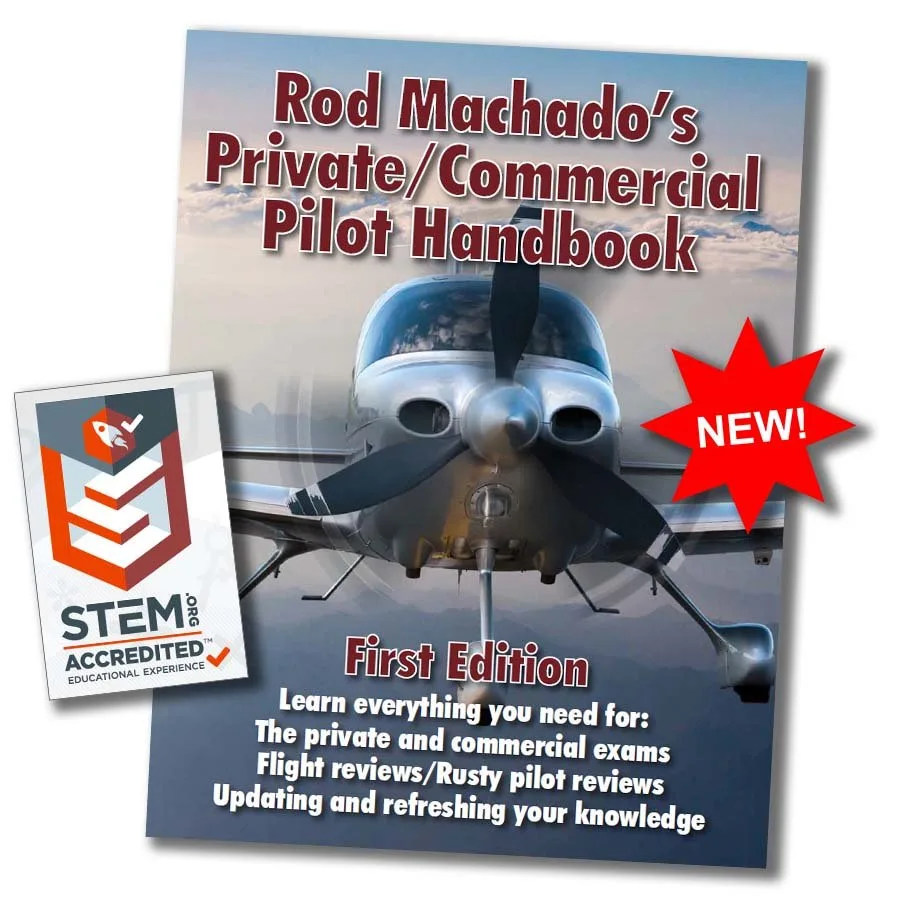
His Private Pilot Handbook follows topics in the order students meet them during training. His How to Fly an Airplane Handbook focuses on learning to fly. Both are available as audiobooks, and he also offers an interactive Private Pilot eGround School.
The handbooks suit students who prefer reading, while the audiobooks allow them to revisit difficult topics during a commute.
Gleim Aviation
Gleim has offered FAA test preparation and online ground school since 1980. Its courses cover qualifications from sport pilot through airline transport pilot. Most have a free demo.
The company reports a 98 percent pass rate and says it has trained more than 1.5 million pilots. It also offers a Flight Experience Basic Aviation Training Device and an X-Plane Flight Training Course.
Gleim test prep makes sense when the student approaches the knowledge test. There is little reason to rush an exam years before it is needed.
Pilot Institute
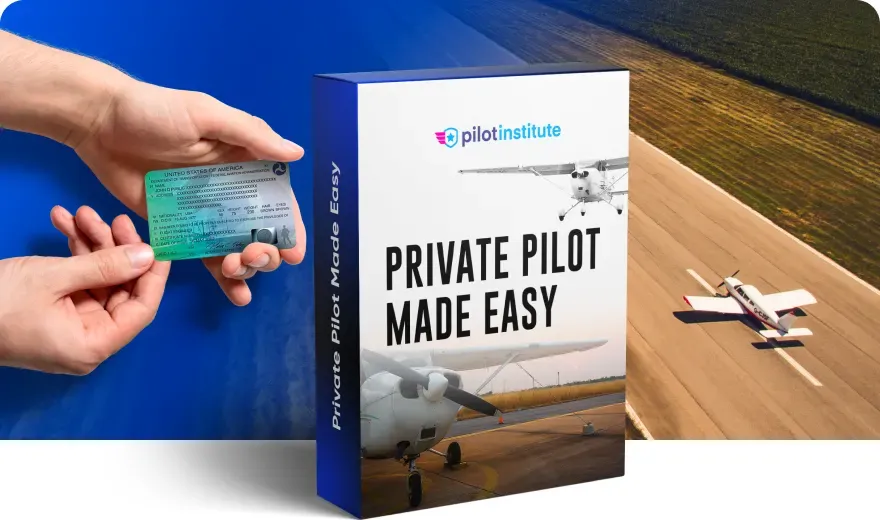
Pilot Institute offers the Private Pilot Made Easy Online Ground School. Students work through lessons at their own pace, including offline and on a phone.
The company offers a 30-day money-back policy. It also says it will refund the course and mail US$175 if a student fails the test on their first attempt. Its website reports an average rating of 4.9 out of 5 from more than 34,000 ratings. Those are the company's own figures and promises.
The phone access suits students who prefer studying in short sessions rather than sitting through long lessons.
Sporty's Pilot Shop
Flight instructor Hal Shevers founded Sporty's in 1961. Its Private Pilot Learn to Fly Course is one of more than 25 course titles available across the web, phones, tablets and smart TVs.
Sporty's also operates an FAA-approved Part 141 flight school, sells handheld radios, including the PJ2+ with built-in headset jacks, and offers more than 500 products designed or made exclusively by the company.
Besides the Learn to Fly Course, Sporty's is worth considering for kneeboards and flight bags.
A headset of their own
Aircraft cockpits are noisy. The FAA warns that long-term unprotected exposure above 90 dB for eight or more hours a day can cause permanent hearing loss. It recommends suitable hearing protection, including aviation headsets, when noise exceeds occupational limits.
Passive noise reduction, or PNR, uses physical insulation and needs no batteries to reduce noise. Active noise reduction, or ANR, uses electronics to reduce unwanted sound. Students often begin with passive headsets and upgrade later.
A personal headset also means not sharing the school's loaner every lesson.
KORE Aviation
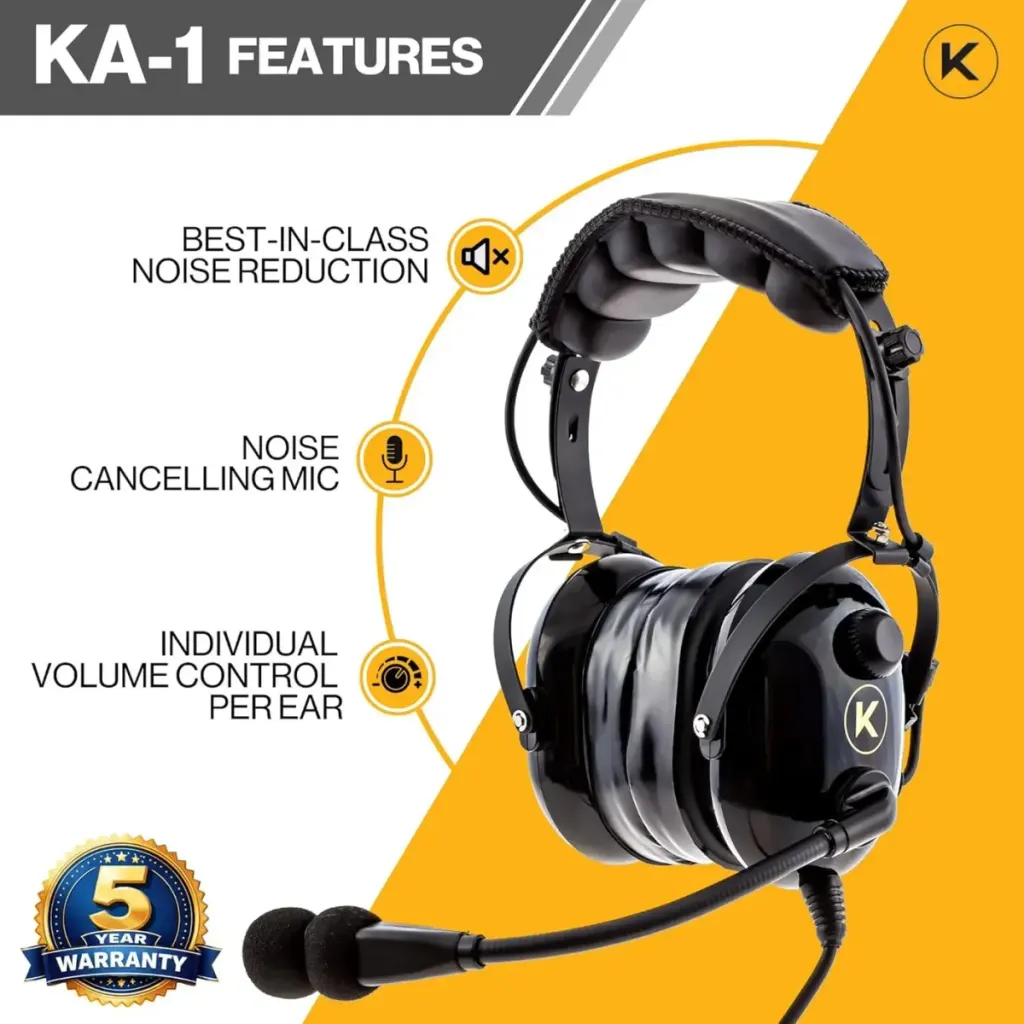
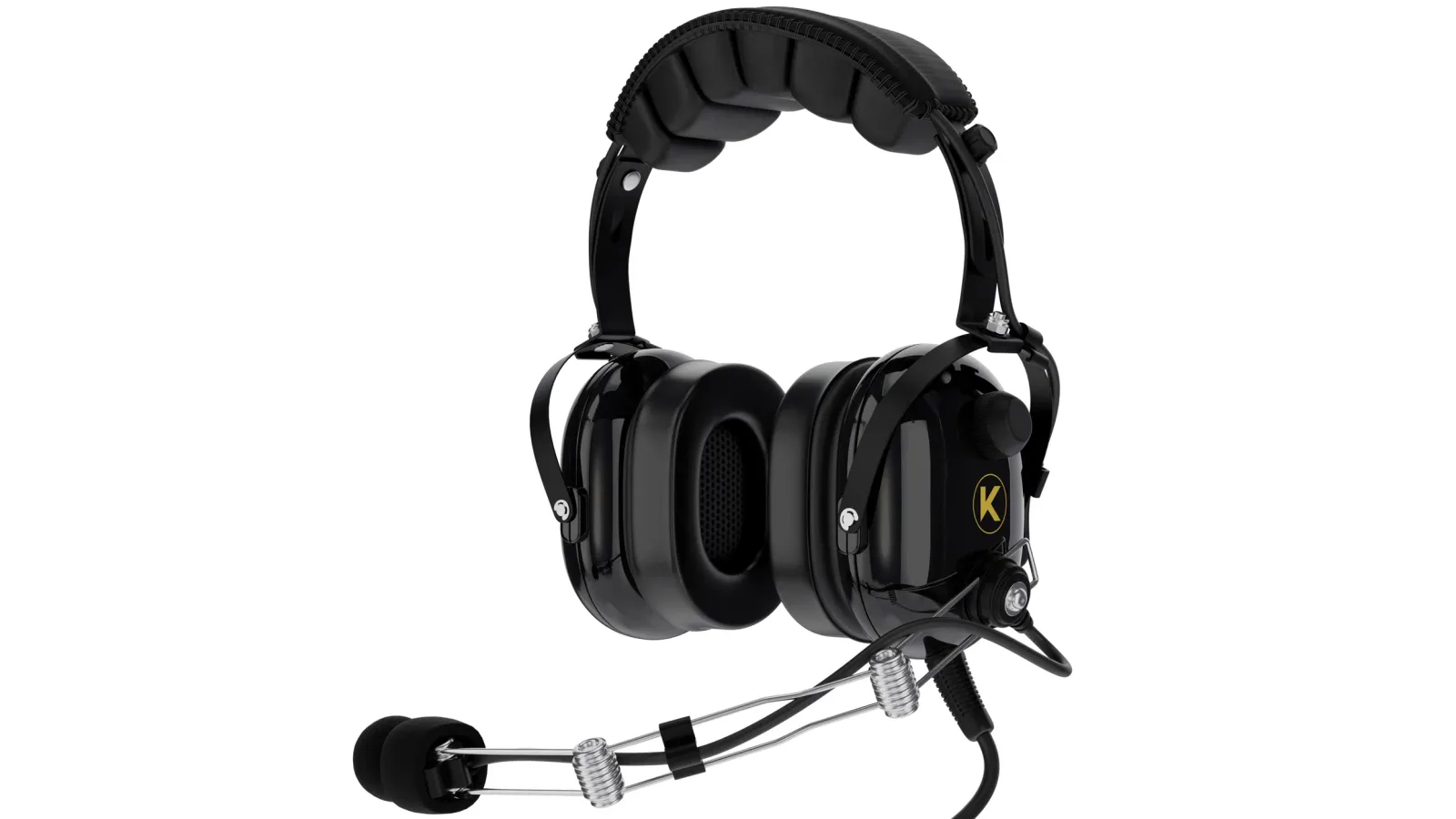
KORE makes headsets aimed mainly at student pilots. Its KA-1 has a 24 dB noise reduction rating, a noise-cancelling microphone on a 360-degree flexible boom and separate volume controls for each ear.
It works with mono and stereo systems. KORE gives the KA-1 and H1 a five-year warranty and says it has sold more than 50,000 headsets.
The KA-1 is a practical first headset for students who do not need active noise reduction yet.
FARO Aviation
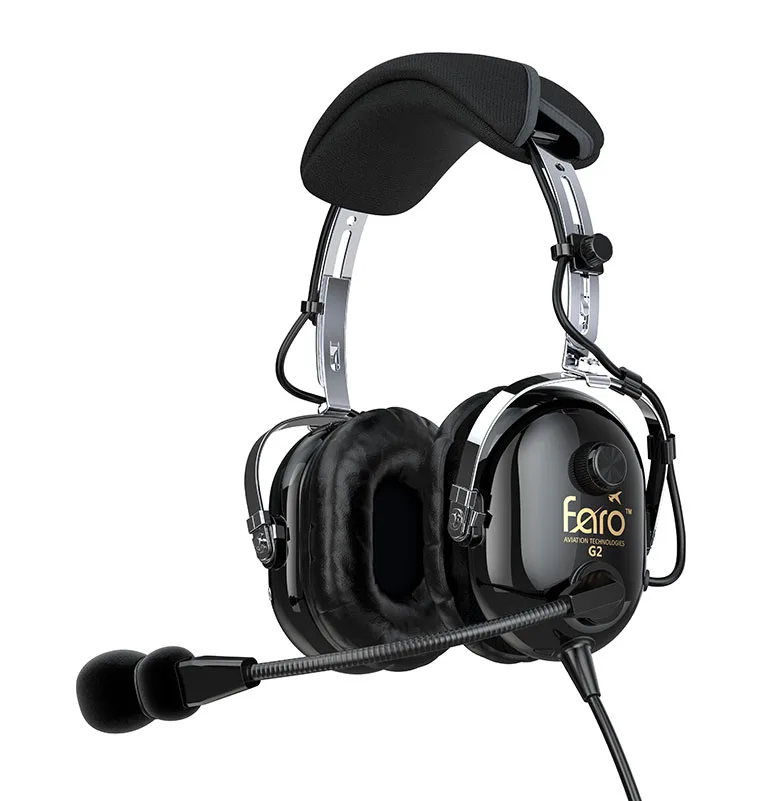
FARO is a pilot-owned company based in North Las Vegas and has operated since 1999. Its founders developed their first headset during their own flight training in the 1990s.
The range includes the G2 PNR, G2 ANR, AIR In-Ear and G3 ANR Carbon Fiber. FARO offers a 30-day guarantee.
The G2 PNR is a starter option, with listed October 2026 prices of about US$190 to US$220. The G2 ANR adds active noise reduction, with listed prices of about US$390 to US$420.
Design 4 Pilots
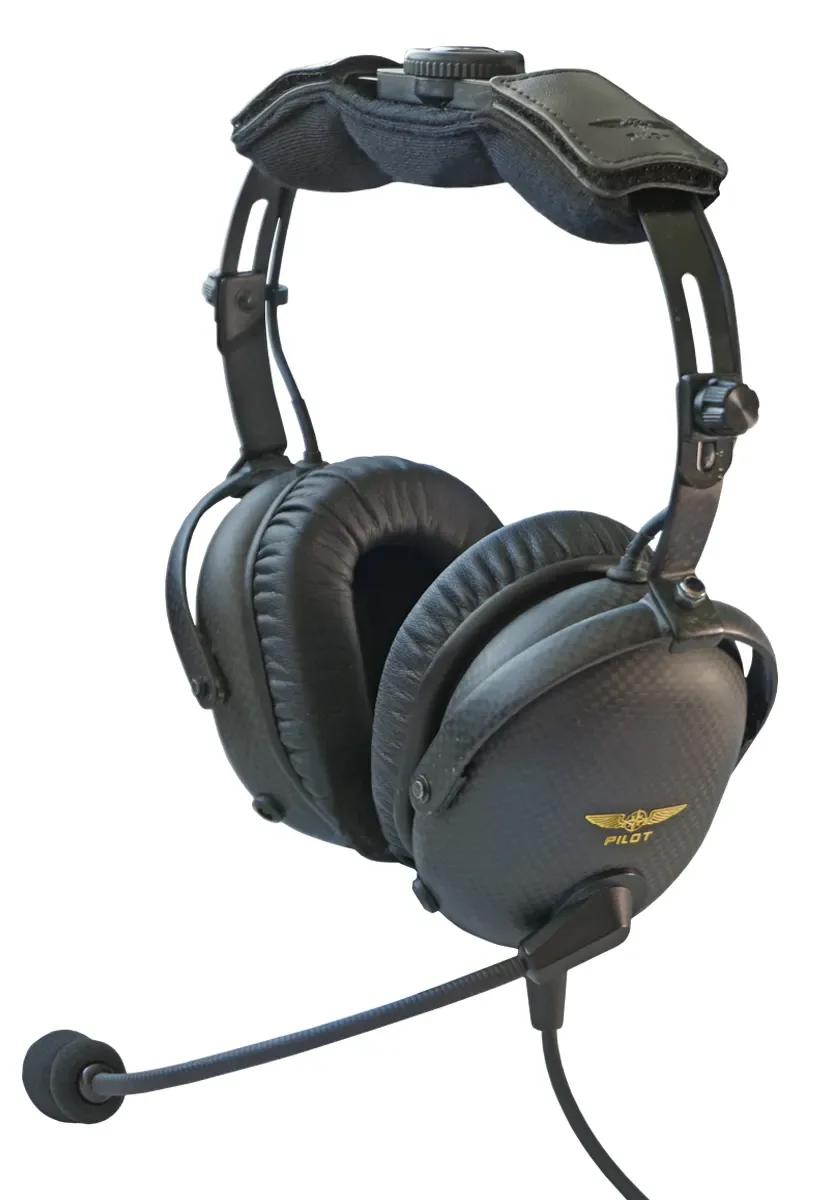
Design 4 Pilots is an Austrian manufacturer based in Bergheim near Salzburg. It has made aviation accessories under the PILOT brand since 2000.
Its PM6 ANR headset uses lightweight carbon construction and has two PJ connectors. The company also makes headset bags with protective frames.
For European students, the range is worth exploring. A protective bag is a smaller gift for someone who already owns a headset.
Small kit they use every lesson
Some gifts are less exciting to unwrap but earn their place in the flight bag immediately. Navigation tools, a kneeboard and a logbook are good examples.
ASA (Aviation Supplies & Academics)
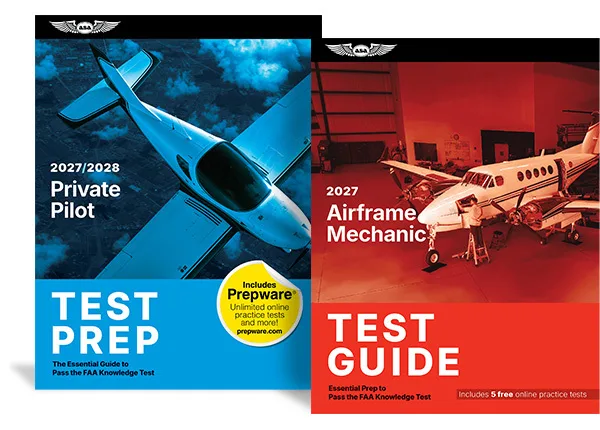
ASA has published its FAR/AIM since 1945 and produced aviation test preparation materials for more than 60 years. It makes manual E6B flight computers, the electronic CX-3, plotters, kneeboards, flight bags and logbooks.
A starter kit with an E6B, plotter, logbook and FAR/AIM gives students tools for navigation and flight planning. The manual E6B is worth discussing with their instructor, since schools may teach with particular tools.
Flight Outfitters
Flight Outfitters is a Cincinnati brand founded by Mark Glassmeyer. After earning his private pilot certificate, he designed the original Lift Bag with his flight instructor. The bag launched in 2014.
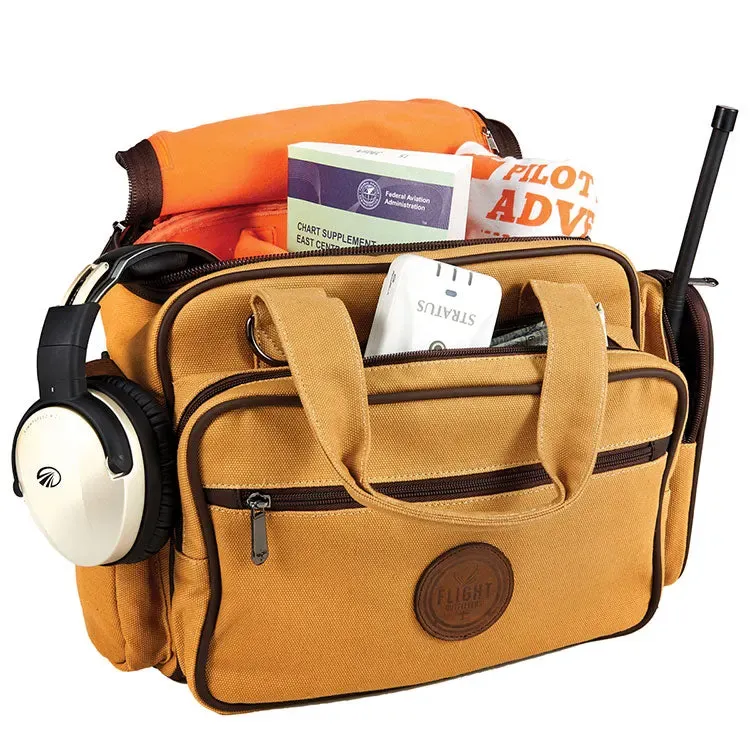
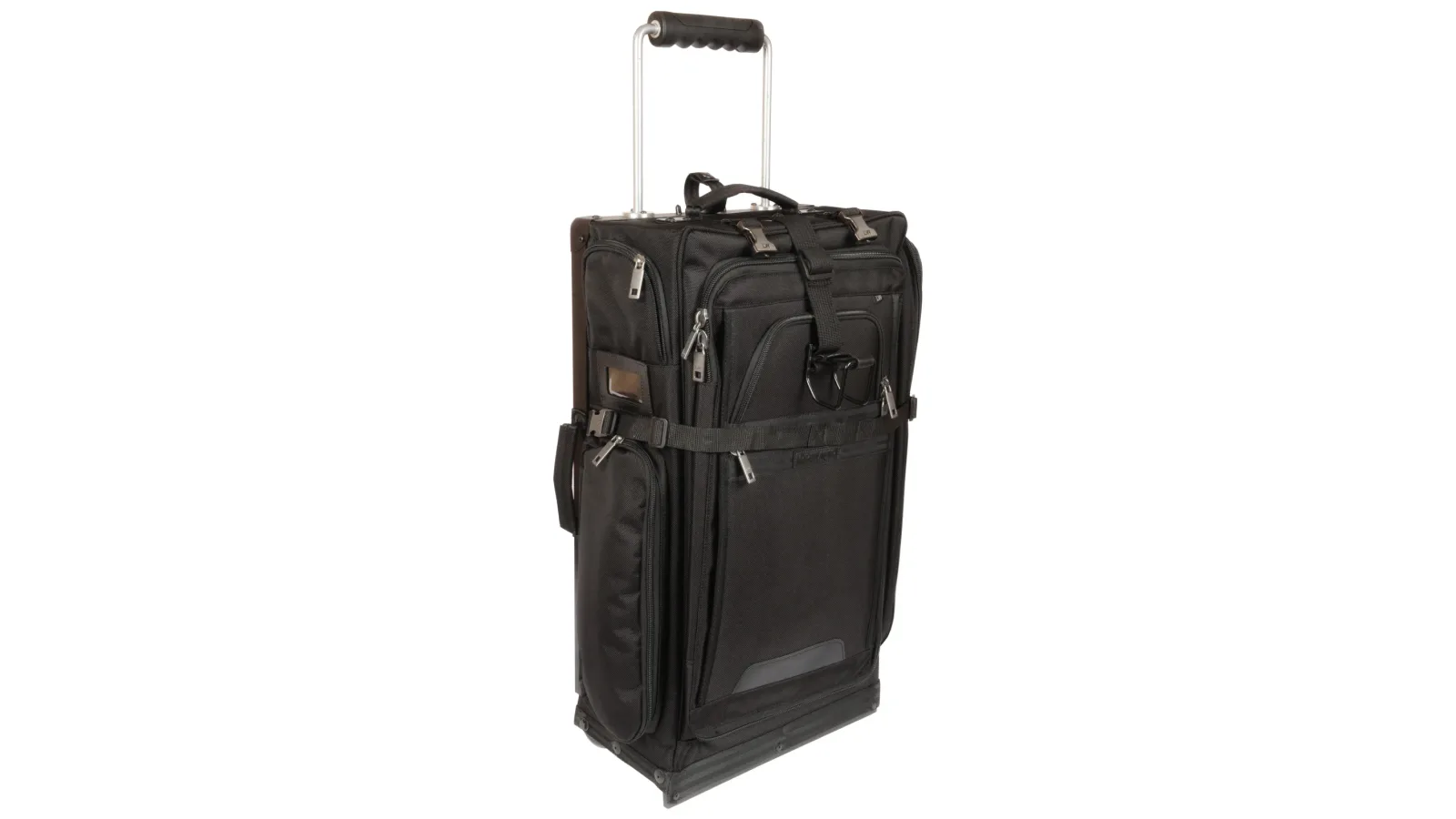
Its best sellers include the Bush Pilot Flight Bag and Lift 2.0 Flight Bag. The bags have pockets sized for headsets, tablets, charts and fuel testers. Its kneeboards hold paper or a tablet at a useful angle.
A compact bag keeps flying equipment together between lessons.
Design 4 Pilots offers another choice here. Its A5 Profi and A6 Piccolo Profi kneeboards suit paper notes, while other models accommodate tablets measuring 7 to 8.9 inches and phones measuring 4 to 6.5 inches.
Logbooks and milestone keepsakes
Flight time starts counting from the beginning. FAA rules require training time used towards a certificate to be recorded in an acceptable manner. That makes a logbook practical even before the first solo.
An ASA logbook is one option. Later, when the student has a record worth preserving, something more personal may be welcome.
Hartnack & Co
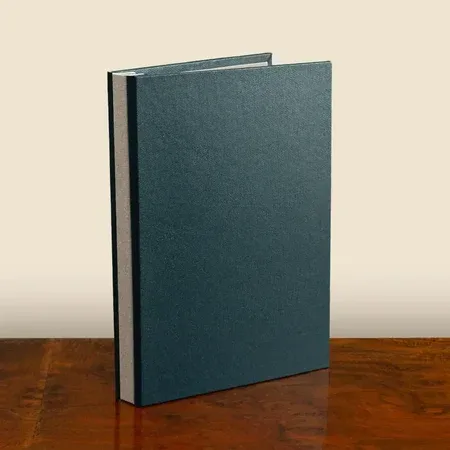
Hartnack & Co makes personalised binders by hand in Devon, England. Its products hold printed records from digital logbooks, including LogTen, PilotLog and MyFlightBook.
The ring binders allow new pages to be added. Buyers can choose leather, book cloth or buckram, with personalisation available. Sets can include a logbook, document binder and photo album.
A first solo flight or successful checkride gives the student something worth recording. A personalised binder keeps that growing history together.
How to choose and what to skip
- Ask about the aircraft. Most training airplanes use twin GA headset plugs, while helicopters often use a single U-174 connector. The wrong plug makes an expensive inconvenience.
- Ask what the school supplies. Check before buying duplicate books, navigation tools or equipment already included in training.
- Think about size. A kneeboard should fit the student's phone, tablet or paper notes. A bag should hold their actual equipment.
- Skip polarised sunglasses. The FAA does not recommend them for aviation because they can interfere with visibility of instruments that use anti-glare filters.
- Do not make free handbooks the main gift. Printed FAA books are nice to mark up, but the core manuals are free online.
- Avoid costly aircraft-specific gear too early. Training needs may change. Large tablets and specialised equipment can wait.
For parents helping someone begin lessons, Rod Machado advises visiting several flight schools, speaking to different instructors and starting with a small number of lessons to see if the instructor and student work well together.
Ask the instructor what the student still needs. For more ideas, browse our aviation gifts directory.
Explore Aircraft Charter
Browse 1,897 companiesNeed a charter, a part or a service?
Tell us what you need and we share it with up to 3 relevant companies, who reply to you directly.