Hawaiian Airlines A321neo Makes Emergency U-Turn
 Radu BalasPublished 2 min read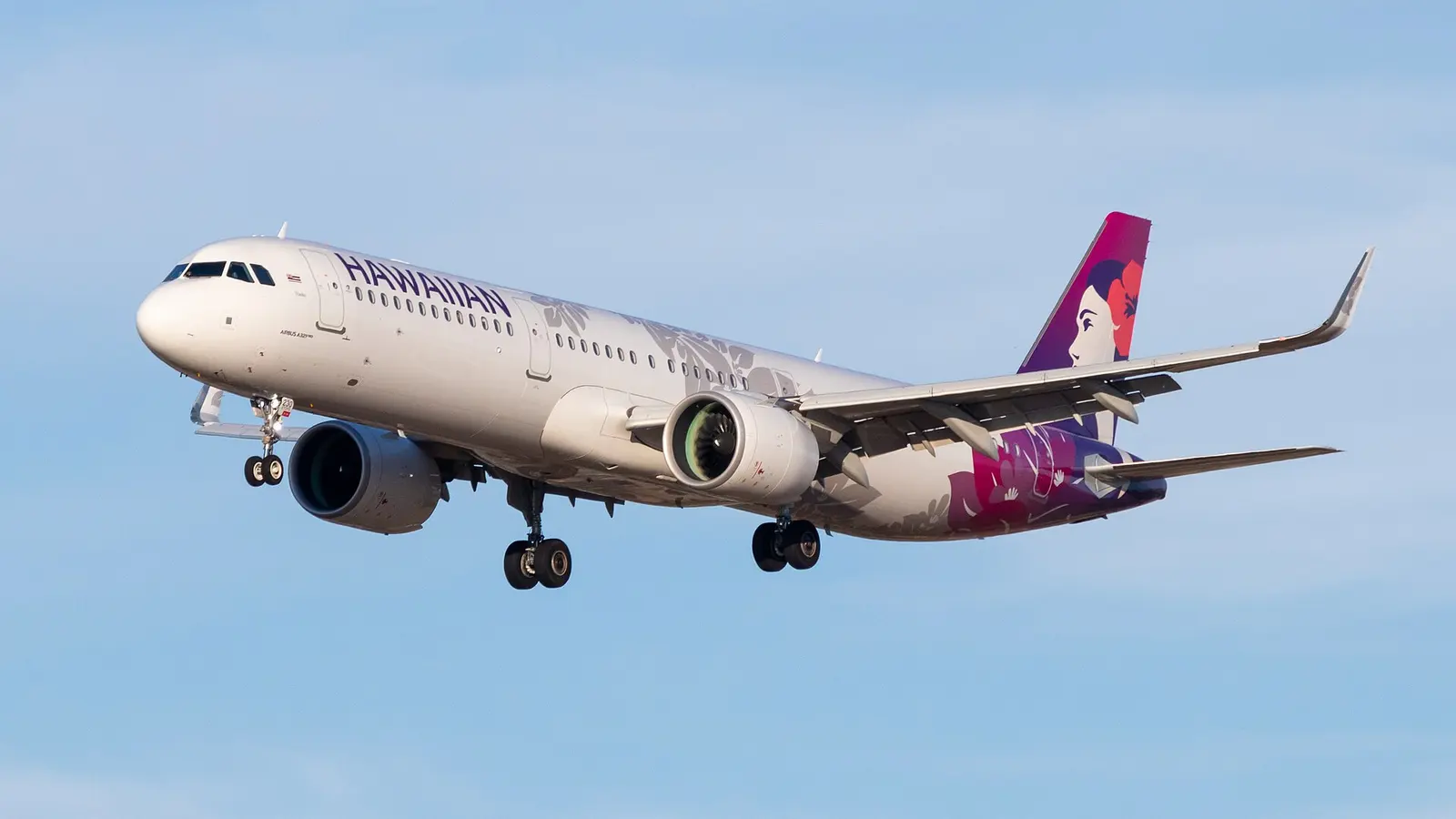
The Moment of Technological Vulnerability
In a dramatic demonstration of aviation safety protocols, Hawaiian Airlines flight 59, an Airbus A321neo bound for Maui, executed a precise mid-ocean U-turn due to a critical mechanical issue, transforming a routine journey into a testament of pilot expertise and technological redundancy. The incident, occurring over the vast, unforgiving expanse of the Pacific Ocean, illuminates the complex safety mechanisms that protect passenger lives.
Departing Sacramento International Airport with 191 souls aboard, the flight encountered a backup air-conditioning system failure-a seemingly minor technical issue that carries profound operational implications. Drawing from advanced aviation safety protocols, the pilot made the critical decision to declare an emergency and return to Oakland International Airport.
Aircraft design embodies a philosophy of continuous redundancy. The backup air-conditioning system failure represents more than a mechanical inconvenience-it's a potential harbinger of broader systemic risks. Modern aviation operates on the principle that critical systems must have multiple layers of protection, ensuring passenger safety even in the most challenging circumstances.
Pilot Expertise in Crisis Management
The pilot's decision-making process exemplifies the highest standards of aviation professionalism. Assessing multiple variables-system failure extent, weather conditions, available diversion airports-the flight crew transformed a potential crisis into a safely managed incident. Examining aviation business strategies reveals that such moments are where human expertise meets technological design.
Hawaiian Airlines' response demonstrated a comprehensive approach to passenger care. Marissa Villegas, the airline's spokesperson, outlined a support strategy that goes beyond mere technical resolution:
- Meal vouchers
- Hotel accommodations
- Rebooking options
This approach transforms a potentially negative experience into a demonstration of customer-centric service.
The A321neo's Capabilities
The Airbus A321neo at the center of this incident represents a pinnacle of modern aviation engineering. Exploring aviation technological frontiers, the aircraft offers:
- Extended range capabilities
- Lower fuel consumption
- Advanced cabin technologies
- Starlink internet connectivity
The incident highlights that even the most advanced aircraft remain subject to potential technical challenges. This event is not an isolated incident but part of a broader narrative about continuous improvement in aviation safety. Each technical challenge becomes an opportunity to refine systems, improve protocols, and enhance passenger protection mechanisms.
Beyond the immediate operational considerations, such incidents carry significant economic implications. The decision to prioritize safety over immediate operational efficiency represents a fundamental value proposition in modern aviation-a commitment that transcends short-term financial considerations.
Fleet and Operational Context
Hawaiian Airlines' fleet of 18 Airbus A321neos, with an average age of just over six years, represents a modern, sophisticated approach to fleet management. The aircraft's role in connecting West Coast destinations with Hawaiian Islands underscores its strategic importance.
The Hawaiian Airlines flight 59 incident is more than a technical diversion-it's a powerful narrative about human expertise, technological design, and an unwavering commitment to passenger safety.