Airlines
ATR 72 Is Now EASA Certified for 78 Seats
In December 2015 EASA approved a 78 seat high density cabin for the ATR 72-600, with Cebu Pacific as launch customer. How ATR did it, how it compares with the 86 seat Q400, and what it does to seat costs.
3 min read
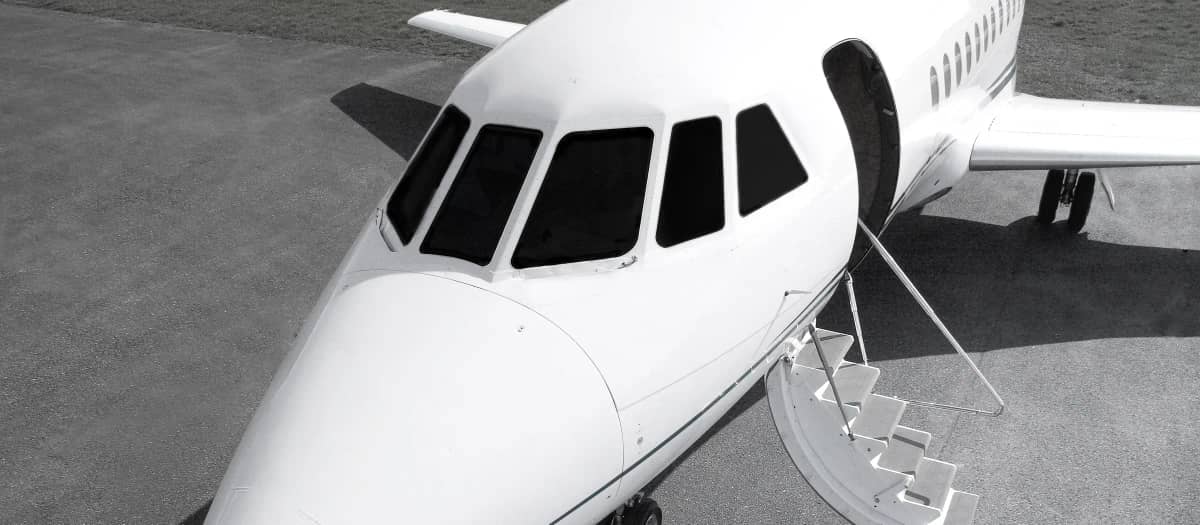
ATR received EASA certification for a high density cabin that fits 78 seats in the existing ATR 72 airframe, which until then was certified for a maximum of 74 seats. Cebu Pacific, the leading low cost airline in the Philippines, was the launch customer for this layout on the ATR 72-600. The airline had formally ordered 16 ATR 72-600s at the Paris Air Show, with options for 10 more, worth US$673 million at list prices.
Cebu Pacific was due to receive its 78 seat aircraft in August 2016. ATR said the extra seats were very valuable to airlines in regions where traffic grows quickly and demand is very sensitive to fares. Thierry Casale, ATR Senior Vice President Programmes, said the demand came from airlines, especially in South East Asia, asking to make better use of the cabin and add seats on regional flights.
How Bombardier and ATR fit more seats
In August 2014, Thailand's Nok Air took delivery of an 86 seat Bombardier Q400, becoming the launch operator of that extra capacity layout. Bombardier fitted 86 seats at a 29 inch pitch by moving the aft galley into the aft cargo hold, which cut aft cargo space by 20 percent. The forward baggage hold was removed.
ATR reached 78 seats by cutting seat pitch to 28 inches, shrinking the aft galley and moving it into the rear cargo compartment, and placing two rear facing seats in the first row. Those seats take up part of what was the forward right cargo hold, so forward cargo space is reduced. ATR's target was an 80 seat ATR 72, which would need four rear facing seats in the first row. Such seats do not recline.
The layout used the current supplier furnished Geven Classic seats, so no special seats were needed.
Why South East Asia
Demand for these layouts came only from South East Asian low cost operators. A study by ASEAN DNA found Filipinos to be the second shortest people in the region, with men averaging 5 feet 3.7 inches. Thai men were the second tallest at 5 feet 6.9 inches. That makes a Filipino man 4.8 percent shorter than a Thai man, while a 28 inch pitch is only 3.4 percent less than 29 inches. With similar thin seats on both aircraft, Filipinos might feel as comfortable in the 78 seat ATR as Thai men in the high density Q400, if not more so.
Indonesian men were the shortest in the region at 5 feet 2 inches, which made the 78 seat variant well suited to Indonesia. If airlines went by the science, carriers elsewhere might not choose the 78 seat layout unless their business model called for it.
What four seats do to costs
The 78 seat ATR 72 carries four more passengers than the earlier maximum of 74. At a 100 percent seat factor, four extra passengers burn about 11 kg more fuel on a 250 NM sector, assuming cargo stays the same. That is a 1.3 percent rise in fuel burn on a 250 NM sector, or a 0.65 percent rise in costs if fuel is half of operating expenses. Yet with four more seats, the cost per seat, including the extra fuel, falls by 4.5 percent on a 250 NM sector. Possible higher maintenance costs from slightly harder working aircraft were ignored.
That allows an airline to cut average fares by up to 4.5 percent and stay competitive at the same margins.

About the author
Radu Balas
Founder, Flying Engineer
View author profile Editorial policy and corrections