
How Airline Strategies Are Changing in 2026 - And Why It Matters
 Radu BalasPublished Updated 14 min read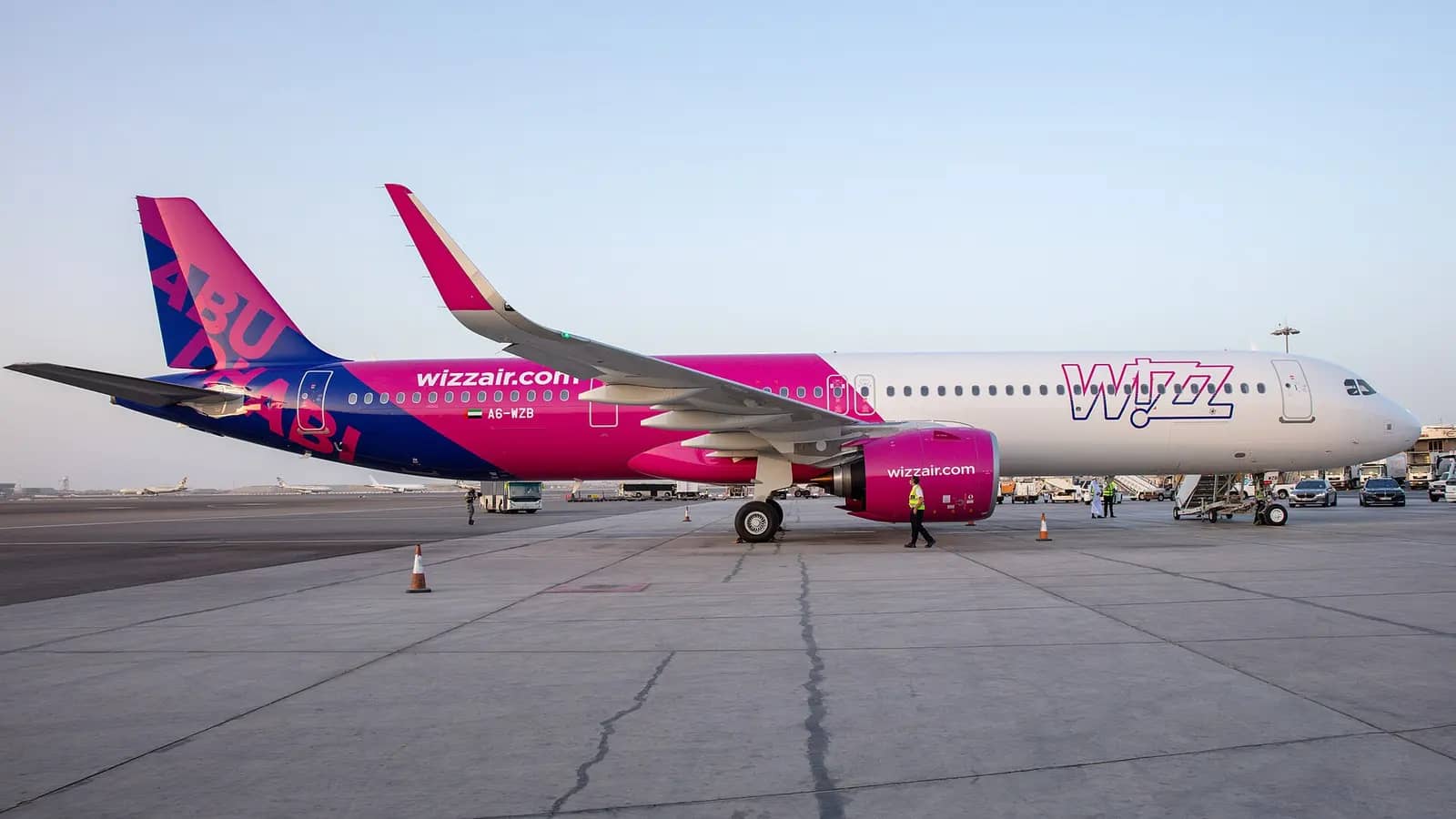
Airlines are operating in a fundamentally different environment than just five years ago. The combination of persistent geopolitical conflicts, volatile fuel prices, ongoing aircraft delivery delays, and dramatic shifts in passenger behavior has forced carriers to completely rethink their strategic priorities.
In 2026, successful airline strategies revolve around premium passenger capture, aggressive ancillary revenue expansion, network flexibility amid closed airspace, fuel efficiency investments, and technology-driven operational optimization. The gap between well-managed carriers and struggling airlines has never been wider.
This analysis reveals how aviation industry leaders are adapting their business models, which strategic shifts matter most, and what these changes mean for passengers booking flights today and in coming years.
Why Airlines Are Changing Their Strategies
Multiple simultaneous pressures are forcing airlines to abandon strategies that worked for decades. The stable operating environment of the 2010s has been replaced by constant uncertainty requiring agility and strategic flexibility.
Rising Fuel Costs: Jet fuel prices remain 40-60% above pre-pandemic levels in many markets, representing 30-35% of airline operating costs in 2026. Fuel volatility means airlines can shift from profitability to losses within weeks if hedging strategies fail or pricing power weakens. This drives aggressive fuel efficiency investments and route network optimization.
Geopolitical Tensions: Russia's closed airspace to Western carriers persists into 2026, forcing massive Europe-Asia route detours costing billions annually. Middle East conflicts create additional uncertainty and routing complications. Airlines must maintain network flexibility to rapidly respond to airspace changes affecting profitability and competitive positioning.
Aircraft Delivery Delays: Boeing and Airbus continue struggling with production bottlenecks and supply chain constraints. Airlines ordered aircraft expecting 2024-2025 delivery now wait until 2027-2029 in some cases. This forces carriers to extract maximum value from aging fleets while competitors with newer aircraft gain cost advantages.
Labor Shortages and Wage Pressure: Pilot shortages, mechanic shortages, and ground staff shortages persist across major markets. Airlines compete aggressively for talent, driving wage inflation that threatens margins. Some carriers cancel routes or ground aircraft simply because they lack crews to operate them profitably.
Passenger Behavior Shifts: Business travel recovery remains incomplete as remote work and video conferencing reduce corporate flying. Simultaneously, affluent leisure travelers drive record premium cabin demand. Airlines must adapt to serving fewer corporate road warriors but more wealthy vacationers expecting superior service.
Premium Travel Is Becoming More Important
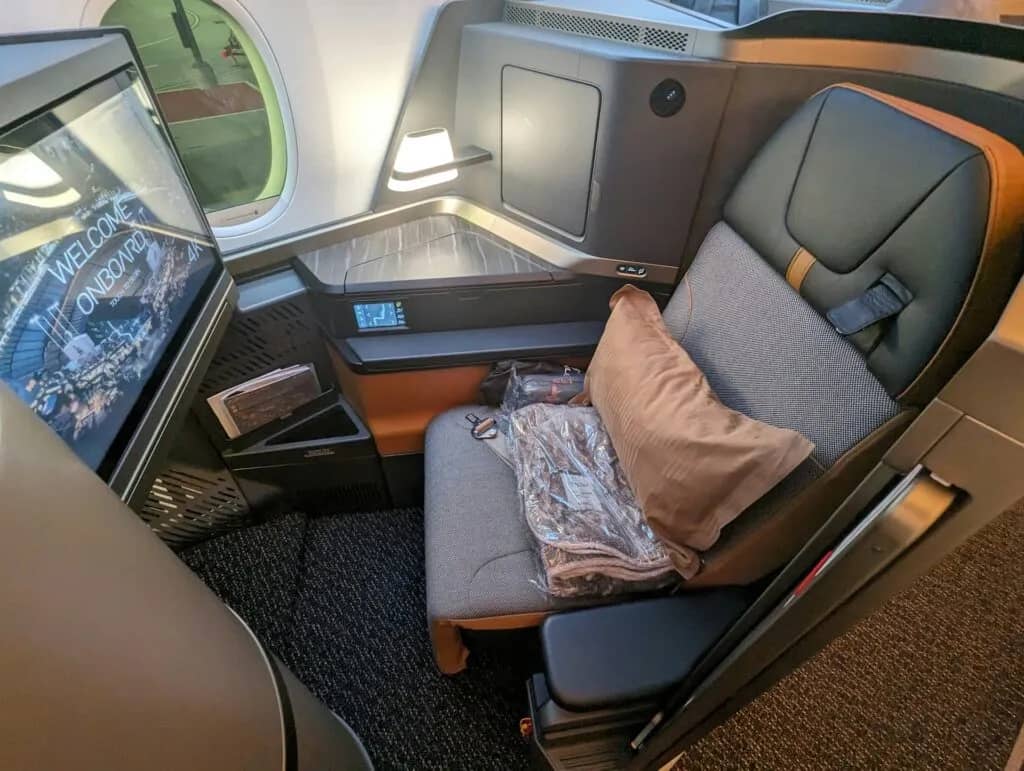
Perhaps the single most significant strategic shift in 2026 is airlines' aggressive pivot toward premium passengers. The economics are compelling: business class travelers generate 3-4 times the revenue of economy passengers while occupying only 2-2.5 times the space.
Business Class Investment Surge: Emirates, Singapore Airlines, Qatar Airways, and other full-service carriers invested billions upgrading business class products in recent years. Sliding privacy doors, lie-flat beds, gourmet dining, and personalized service have become standard expectations rather than luxury differentiators.
Delta Air Lines retrofitted hundreds of aircraft with premium economy and upgraded business class suites, recognizing these cabins deliver disproportionate profitability. Even routes to secondary cities now feature full business class cabins where budget economy configurations existed just five years ago.
Premium Economy Explosion: Premium economy represents airlines' fastest-growing cabin class, capturing passengers willing to pay 50-100% more than regular economy but unwilling to spend 300-400% more for business class. This "Goldilocks" product fills a gap between cramped economy and expensive business, generating high margins on incremental revenue.
Airlines recognize they can charge $1,200 for a premium economy seat costing perhaps $200 more to provide versus regular economy. This $1,000 incremental profit per passenger adds up quickly on wide-body aircraft carrying 30-50 premium economy seats.
Corporate vs Affluent Leisure: While corporate travel remains below 2019 levels, affluent leisure travelers fill premium cabins at record rates. Wealthy families paying $20,000+ for international business class trips generate revenue corporate contracts can't match, fundamentally changing airline sales strategies.
Airlines Are Charging More Ancillary Fees
Ancillary revenue evolution continues accelerating as airlines find creative new ways to monetize every aspect of the flying experience. What started as checked baggage fees now encompasses sophisticated revenue optimization across dozens of touchpoints.
Subscription Models: Airlines launched subscription programs offering benefits for annual fees. United's Premier Access subscriptions, Delta's SkyMiles status challenges, and various carrier seat selection subscriptions generate predictable recurring revenue while building customer loyalty.
Dynamic Ancillary Pricing: Seat selection fees, baggage charges, and upgrade prices now fluctuate based on demand, route, and passenger profile. An aisle seat might cost $15 on Tuesday but $45 on Friday for the same flight. This yield management approach to ancillaries mirrors ticket pricing sophistication.
Bundling Strategies: Rather than itemizing every fee separately, many carriers now offer tiered bundles. "Light" fares include nothing beyond the seat itself, "Standard" adds baggage and seat selection, while "Flex" bundles refundability and lounge access. This revenue strategy simplifies purchasing while extracting higher average fares.
New Fee Categories: WiFi access, premium food and beverage, priority security, dedicated customer service phone lines, and even "guaranteed overhead bin space" generate incremental revenue. Some carriers charge for carry-on bags, capitalizing on passengers' preference to avoid checked baggage hassles.
Long-Haul Networks Are Being Reshaped
Network strategy represents one of the most dramatic changes in 2026 aviation, driven primarily by geopolitical realities fundamentally altering competitive dynamics.
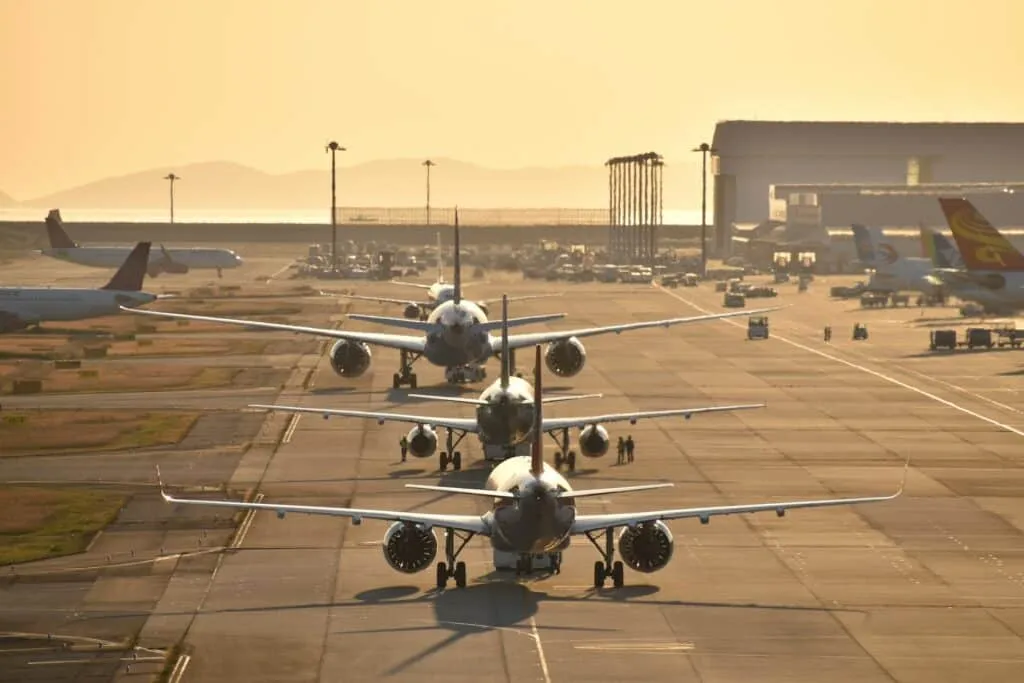
Russian Airspace Closure Impact: Europe-Asia routes previously crossing Russia now detour south through Central Asia or north via Arctic routes, adding 1,000-2,500 miles to journeys. This transforms route economics, favoring geographically advantaged hubs while punishing carriers dependent on Russian overflights.
Finnair, once dominant on fast Europe-Asia connections via Helsinki, faces existential challenges as its geographic advantage evaporated overnight. Airlines affected by airspace closures include Lufthansa, British Airways, Air France-KLM, and Japan Airlines, collectively absorbing billions in additional costs.
Middle Eastern Hub Advantage: Emirates, Qatar Airways, and Etihad benefit enormously from Middle East geographic positioning, avoiding Russian airspace issues while offering competitive connection times between Europe and Asia. Turkish Airlines similarly leverages Istanbul's position, capturing market share from struggling Northern European carriers.
Direct Flight Strategy Shift: Airlines increasingly favor direct long-haul routes over hub connections where aircraft range permits. Ultra-long-range aircraft like A350-900ULR and 787-9 enable nonstop service on routes previously requiring connections, improving passenger experience while reducing operational complexity and costs.
Secondary Hub Development: Carriers develop secondary hubs reducing dependence on single airports. Delta strengthens Seattle, United builds San Francisco, American expands Austin. This geographic diversification provides flexibility when geopolitical events or local disruptions affect primary hubs.
Airlines Are Investing in Fuel Efficiency
With fuel representing 30-35% of operating costs, even modest efficiency improvements deliver substantial profit advantages. Airlines prioritize fleet renewal and operational optimization to reduce per-seat fuel consumption.
Next-Generation Narrowbodies: A320neo and 737 MAX families deliver 15-20% fuel savings versus predecessors through advanced engines and aerodynamic improvements. Airlines with large neo/MAX fleets enjoy significant cost advantages over carriers operating older A320ceo and 737NG aircraft.
These efficiency gains translate directly to bottom-line profits when airlines maintain pricing power. On a typical 3-hour flight, a neo/MAX saves 400-600 gallons versus older aircraft, worth $2,000-3,000 per flight or $7+ million annually per aircraft at normal utilization rates.
Wide-Body Modernization: A350, 787, and A330neo replace fuel-guzzling 777-200ER and A340 aircraft. The efficiency gains prove even more dramatic on long-haul routes where older generation aircraft burn 25-30% more fuel per seat. This drives aggressive retirement of 20-25 year old wide-bodies despite remaining airframe life.
Operational Efficiency: Airlines optimize flight planning software, reduce aircraft weight by removing unnecessary equipment, implement single-engine taxi procedures, and use continuous descent approaches saving fuel on every flight. These small improvements compound across thousands of daily flights.
Sustainable Aviation Fuel Adoption: While SAF remains 2-4 times more expensive than traditional jet fuel, leading carriers increase adoption driven by regulatory mandates and corporate sustainability commitments. SAF represents long-term strategic positioning as production scales and costs decline.

Low-Cost Airlines Are Expanding Aggressively
Low-cost carriers continue gaining market share globally, adapting their no-frills models to capture price-sensitive passengers while maintaining industry-leading profit margins.
Ryanair Dominance: Europe's largest airline by passenger volume, Ryanair operates 550+ aircraft carrying 180+ million passengers annually. The carrier's ruthless cost discipline, aggressive ancillary monetization, and secondary airport strategy deliver 15-20% operating margins when competitors struggle reaching 5-8%.
Ryanair orders hundreds of 737 MAX aircraft, leveraging scale to negotiate industry-low purchase prices. This cost advantage compounds with operational efficiency, making Ryanair nearly impossible for traditional carriers to compete against on price.
IndiGo's Asian Growth: India's IndiGo dominates domestic Indian aviation with 60%+ market share, operating 350+ A320neo family aircraft. IndiGo's expansion into international markets threatens both full-service Asian carriers and existing low-cost operators with superior cost structures and operational reliability.
Wizz Air and AirAsia: Wizz Air's Eastern European and Middle East expansion, combined with AirAsia's Southeast Asian dominance, demonstrates low-cost model viability across diverse markets. These carriers capture growing middle-class demand in emerging economies where price sensitivity remains paramount.
Transatlantic and Long-Haul LCC: Norwegian's struggles demonstrated long-haul low-cost challenges, but carriers like LEVEL, JetBlue's transatlantic service, and Wizz Air's long-haul experiment continue testing whether bare-bones service works on 6-10 hour flights. Success remains mixed but experimentation continues.
AI and Technology Are Changing Airline Operations
Artificial intelligence and advanced analytics are revolutionizing airline operations, maintenance, pricing, and customer service in ways impossible just years ago.
Predictive Maintenance: AI algorithms analyze sensor data from thousands of flights, predicting component failures before they cause delays or cancellations. This prevents costly disruptions while optimizing maintenance schedules, reducing aircraft downtime and improving reliability ratings that drive customer preference.
Dynamic Revenue Management: Machine learning systems adjust ticket prices hundreds of times daily based on demand patterns, competitor pricing, historical data, and external factors like weather or events. This optimization extracts maximum revenue from each seat, often increasing yields 3-5% versus traditional systems.
Crew Scheduling Optimization: AI-powered crew scheduling reduces costs while improving quality of life for pilots and flight attendants. Algorithms balance regulatory requirements, seniority rules, crew preferences, and operational needs generating schedules impossible for humans to optimize manually.
Personalized Customer Experience: Airlines leverage data analytics to personalize offers, recommendations, and services based on passenger history and preferences. This targeted approach increases ancillary revenue conversion while improving customer satisfaction through relevance.
Loyalty Programs Are Becoming More Valuable
Airline loyalty programs evolved from simple frequent flyer tracking to sophisticated financial instruments worth billions, often exceeding their parent airlines' market capitalizations.
Credit card partnerships generate $3-5 billion annually for major U.S. carriers. Banks pay airlines $0.01-0.02 per mile, with American Express paying Delta over $4 billion yearly for SkyMiles. These predictable cash flows provide financial stability during industry downturns when flying operations lose money.
Airlines increasingly view loyalty programs as standalone businesses. United's MileagePlus valuation exceeded $20 billion, demonstrating these programs' strategic importance beyond simply encouraging repeat bookings. The ability to "print money" through mile creation makes loyalty divisions often more profitable than aircraft operations.
Dynamic award pricing replaces fixed award charts, allowing airlines to charge more miles during peak demand while offering deals during off-peak periods. This optimization mirrors revenue management sophistication applied to cash fares.
Sustainability Is Becoming a Competitive Strategy
Environmental sustainability transitioned from public relations talking point to genuine strategic priority driven by regulatory mandates, corporate customer demands, and competitive differentiation opportunities.
Regulatory Pressure: European Union emissions trading schemes, proposed carbon taxes, and SAF mandates force airlines to reduce carbon intensity or face escalating costs. These regulations make sustainability a financial imperative rather than optional corporate citizenship.
Corporate Customer Requirements: Large corporations increasingly demand carbon-neutral travel options when contracting with airlines. Carriers offering credible sustainability programs win lucrative corporate accounts while competitors lacking such programs lose market access.
Sustainable Aviation Fuel Investment: Leading airlines invest in SAF production capacity through direct investment and long-term purchase agreements. While expensive today, these strategic positions provide cost certainty and supply security as regulations tighten and SAF becomes mandatory rather than voluntary.
Fleet Efficiency as Sustainability: Modern aircraft efficiency improvements serve dual purposes: reducing costs while cutting emissions. This alignment means sustainability investments often generate positive returns rather than representing pure compliance costs.
Which Airlines Are Adapting Best?
Certain carriers demonstrate superior strategic adaptation, positioning themselves for continued success amid industry turbulence.
Delta Air Lines: America's most consistently profitable major carrier combines premium cabin focus, aggressive technology adoption, industry-leading operational reliability, and a $7+ billion loyalty program. Delta's strategic discipline and execution consistency deliver results competitors struggle to match.
Emirates: Dubai's flag carrier leverages geographic advantages for Europe-Asia-Australia connections while maintaining industry-leading premium service standards. Emirates' A380 fleet, once viewed as outdated, proves valuable on high-density premium routes where other carriers can't match capacity or luxury.
Ryanair: Low-cost leadership through relentless cost discipline, massive aircraft orders at favorable terms, and ancillary revenue expertise. Ryanair's business model proves remarkably resilient across economic cycles, delivering profits when full-service carriers post losses.
Singapore Airlines: Balancing premium service excellence with financial discipline, Singapore Airlines maintains profitability while investing in product leadership. The carrier's reputation commands pricing power full-service competitors lack, justifying premium positioning strategy.
What Airline Strategy Could Look Like by 2030
Extrapolating current trends suggests several strategic directions likely dominating aviation by decade's end.
Continued Premium Stratification: Airlines will operate increasingly segmented cabins with 4-5 distinct classes rather than traditional 2-3. Ultra-premium suites, business class, premium economy, standard economy, and basic economy each target specific passenger segments at optimized price points.
Technology-Driven Personalization: AI systems will customize every aspect of the flying experience based on passenger profiles, from booking interface to meal selection to entertainment recommendations. This personalization drives both satisfaction and ancillary revenue.
Sustainability as Standard: SAF mandates may reach 20-30% of fuel mix by 2030, making sustainability investments from the mid-2020s decisive competitive advantages. Airlines lacking SAF access or fleet efficiency will face regulatory disadvantages and higher costs.
Network Consolidation: Expect continued hub concentration as airlines abandon marginal routes focusing resources on profitable markets. Secondary cities may see reduced service as carriers prioritize high-demand corridors where premium passengers justify larger aircraft.
Subscription Economy Expansion: Beyond current status programs, airlines may offer comprehensive subscription packages bundling flights, upgrades, lounge access, and ancillaries for monthly fees. This recurring revenue model provides stability while deepening customer relationships.
Frequently Asked Questions
Why Are Airlines Changing Their Strategies in 2026?
Airlines face multiple simultaneous pressures forcing strategic adaptation: persistent fuel price volatility (30-35% of costs), geopolitical tensions closing airspace and forcing expensive route detours, aircraft delivery delays preventing fleet renewal, labor shortages driving wage inflation, and fundamental shifts in passenger behavior with reduced business travel but surging premium leisure demand. These challenges require airlines to abandon strategies that worked for decades, instead focusing on premium passenger capture, ancillary revenue expansion, network flexibility, fuel efficiency, and technology-driven optimization. The stable operating environment of the 2010s has been replaced by constant uncertainty requiring agility.
What Are the Biggest Airline Industry Trends in 2026?
The most significant aviation industry trends include: aggressive premium cabin investment as business and premium economy generate disproportionate profits; long-haul network reshaping driven by Russian airspace closures favoring Middle Eastern and Turkish hubs over European carriers; low-cost carrier expansion with Ryanair, IndiGo, and Wizz Air gaining market share through superior cost structures; AI and technology revolutionizing operations, pricing, and maintenance; loyalty programs becoming more valuable than airline operations themselves with credit card partnerships generating billions; and sustainability transitioning from public relations to genuine strategy as regulations mandate SAF adoption and emissions reductions. These trends fundamentally reshape competitive dynamics.
How Do Airlines Make Profit Despite High Costs
Airlines achieve profitability through multiple strategies: premium cabin focus where business class generates 3-4 times economy revenue occupying 2-2.5 times space; aggressive ancillary fees with leading carriers deriving 20-40% revenue from baggage, seat selection, and various add-ons; loyalty program monetization where credit card partnerships provide billions in predictable cash flow; cargo operations contributing 15-25% of long-haul flight revenue at high margins; and fuel efficiency investments where next-generation aircraft deliver 15-20% savings directly impacting bottom lines. The most successful carriers optimize all revenue sources simultaneously while maintaining cost discipline competitors can't match. Industry profit margins average just 3-5%, making operational excellence essential.
What Will the Future Airline Business Model Look Like?
Future airline business models will likely emphasize: extreme premium stratification with 4-5 cabin classes targeting specific passenger segments; technology-driven personalization using AI to customize every experience aspect; subscription-based recurring revenue through comprehensive travel packages rather than transactional ticket sales; sustainability as core strategy rather than compliance burden as SAF mandates reach 20-30% of fuel mix; network concentration on profitable high-demand routes abandoning marginal markets; and loyalty programs as primary profit centers with flying operations serving mainly to generate miles sold to partners. The distinction between "airline" and "loyalty program that also flies planes" may blur significantly. Airlines excelling at these strategies will thrive while those clinging to traditional models struggle.
Major Airline Strategy Shifts in 2026
| Strategic Trend | Why Airlines Are Doing It | Passenger Impact |
|---|---|---|
| Premium Cabin Focus | Business class generates 3-4x economy revenue with higher margins; affluent leisure travelers replace corporate demand | More premium options, better products, higher upgrade costs, basic economy expansion |
| Ancillary Fee Expansion | High-margin revenue (60-80%) from add-ons compensates for low ticket margins (3-5%) | Higher total trip costs, more fees, subscription options, dynamic pricing for everything |
| Network Reshaping | Russian airspace closures force detours; Middle East hubs gain advantage; direct flights reduce complexity | Longer flight times, more connections, Middle East hub growth, some route eliminations |
| Fuel Efficiency Investment | Fuel represents 30-35% of costs; modern aircraft save 15-20% per seat reducing expenses significantly | Quieter, more comfortable cabins on new aircraft; older planes phased out faster |
| AI & Technology Adoption | Predictive maintenance, dynamic pricing, crew optimization reduce costs 3-5% while improving reliability | Better on-time performance, personalized offers, dynamic pricing (good and bad) |
| Loyalty Program Emphasis | Credit card partnerships generate $3-5B annually for major carriers with minimal cost; more profitable than flying | Dynamic award pricing, more co-branded cards, status harder to achieve, points devaluation pressure |
| Sustainability Push | Regulatory mandates, corporate customer requirements, long-term cost advantages as SAF scales | Potentially higher fares, carbon offset options, SAF surcharges, environmental messaging |
Note: Passenger impacts vary by airline, route, and cabin class. Premium passengers often experience improvements while economy passengers face more restrictions and fees.
Conclusion: Strategic Adaptation Separates Winners from Losers
The airline strategies reshaping aviation in 2026 reflect an industry operating in fundamentally different conditions than the relatively stable 2010s. Geopolitical conflicts, fuel volatility, delivery delays, labor challenges, and passenger behavior shifts force carriers to abandon traditional playbooks in favor of aggressive adaptation.
The biggest strategic shifts include relentless premium passenger focus as business and premium economy cabins generate disproportionate profits, sophisticated ancillary revenue optimization extracting value from every touchpoint, dramatic long-haul network reshaping driven by airspace closures favoring geographically advantaged hubs, aggressive fleet renewal pursuing fuel efficiency advantages, and technology adoption revolutionizing operations and customer experience.
Airlines executing these strategies successfully demonstrate widening performance gaps versus struggling competitors. Delta, Emirates, Ryanair, and Singapore Airlines show how strategic discipline and execution deliver consistent profits while less-adaptable carriers face losses despite operating similar aircraft on comparable routes.
For passengers, these strategic changes mean more premium options paired with more basic economy restrictions, higher total trip costs as ancillary fees expand, longer flight times on Europe-Asia routes, better technology integration, and increased focus on sustainability at least rhetorically if not always practically.
Looking toward 2030, expect continued premium stratification, technology-driven personalization, sustainability becoming standard rather than optional, network concentration on profitable routes, and subscription models fundamentally changing how passengers interact with airlines. The distinction between "airline that also has a loyalty program" and "loyalty program that also flies planes" will blur as carriers recognize miles generate more reliable profits than aircraft operations.
The airlines adapting fastest and most comprehensively to these strategic imperatives will define industry leadership for the next decade. Those clinging to outdated business models face declining relevance and potential failure in an aviation environment rewarding agility, operational excellence, and strategic vision above all else.


