Industry
PlaneSense Marks 30 Years of Fractional Aircraft Ownership
PlaneSense, the New Hampshire fractional provider and largest US Pilatus operator, marked 30 years on 9 September 2025 with 45 PC-12s and 17 PC-24s in service.
Updated 3 min read
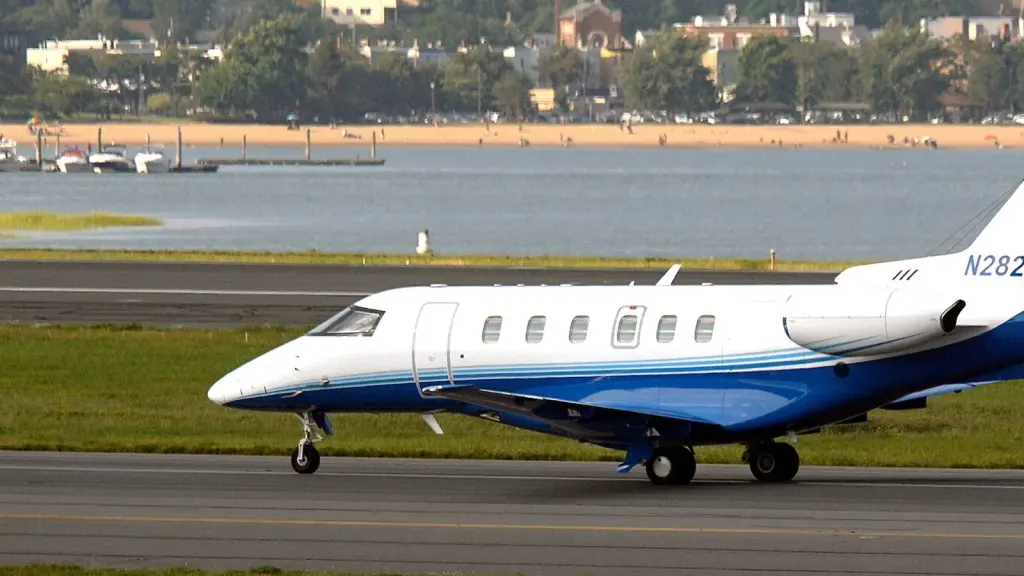
PlaneSense, the fractional aircraft ownership company based at Portsmouth International Airport in New Hampshire, marked its 30th anniversary on 9 September 2025. The company took delivery of its first Pilatus PC-12 on the same date in 1995 and has since become the largest operator of Pilatus aircraft in the United States.
Thirty years built on one manufacturer
PlaneSense grew out of Alpha Flying, a company George Antoniadis founded in Norwood, Massachusetts, in 1992. The fractional programme started in 1995 with a PC-12 that was only the 20th built by Pilatus, and the first owners began flying the following year. The business moved to Nashua and then Manchester before settling at Portsmouth in 2007, where it built a 40,000 sq ft hangar. It took the PlaneSense name in 2012.
Unlike most fractional providers, which spread their fleets across several jet types, PlaneSense has stayed with a single manufacturer. Over three decades it has taken delivery of 93 PC-12 turboprops, including the 1,200th PC-12 in 2013 and the 2,000th in 2023, and had 45 in service at the anniversary.
The company ordered six PC-24 twinjets in 2014, announced its jet programme in 2015 and, as launch customer, received the first production PC-24 in February 2018. It operated 17 PC-24s by September 2025. PlaneSense is the second-oldest fractional programme in the US, and in 2024 it ranked seventh among US operators by fractional and charter flight hours.
How fractional ownership works
In a fractional programme, a client buys a share of a specific aircraft, typically from one-sixteenth upwards, and receives a yearly allocation of flight hours in proportion to the share. The provider manages the whole fleet, so the owner flies on whichever aircraft is available rather than only the one they part-own. Owners pay a monthly management fee and an hourly rate on top of the purchase price, and the share is usually sold back to the provider after a fixed term.
The PC-12 suits this model in the north-eastern US because it can use short runways, carries up to eight passengers in typical executive layouts and has low operating costs for a cabin of its size. The PC-24 adds jet speed and range for longer trips while keeping the ability to operate from shorter strips than most light jets.
| Aircraft | PC-12 NGX | PC-24 |
|---|---|---|
| Type | Single-engine turboprop | Twin-engine light jet |
| Engines | One Pratt & Whitney Canada PT6E-67XP | Two Williams FJ44-4A |
| Maximum cruise speed | 290 kt | 440 kt |
| Range | 1,803 nm | 2,000 nm (four passengers) |
Expanding beyond the fleet
In the year before the anniversary PlaneSense added several products aimed at keeping customers when their trips went beyond what its own aircraft could do:
- An interchange with Jetfly, the Luxembourg-based Pilatus fractional operator, which began on 1 April 2025. Owners in either programme can use their hours on the other's fleet, with bookings and billing staying with their own provider. At the announcement, Jetfly flew 26 PC-12s and 13 PC-24s in Europe and North Africa.
- The PlaneSense Sourcing Solution, under which the company arranges third-party charter for clients on routes or aircraft types it does not serve.
- CobaltPass, a jet card covering both the PC-12 and PC-24, for customers who want prepaid flying without buying a share.
PlaneSense also opened a second maintenance base at Boulder City, Nevada, in 2021 and tripled its size in 2024. With Atlas Aircraft Center, its maintenance affiliate, it employs about 600 people. It holds the ARGUS Platinum Elite safety rating.
The company said 91% of its clients renew, and that some families are now in their third generation of ownership. Antoniadis said that the founding idea had been to offer a smarter and more personal way of flying privately.
Why it matters
The fractional market in the US is dominated by NetJets and Flexjet, which operate large mixed fleets of business jets. PlaneSense has shown that a smaller operator can hold its place by concentrating on one manufacturer, which simplifies pilot training, spares and maintenance, and by serving shorter regional trips where a turboprop is cheaper to run than a jet. Its long relationship with Pilatus also made it the launch customer for the PC-24, giving the manufacturer an experienced, high-utilisation operator to prove the jet in service.
What has happened since
In December 2025 PlaneSense announced a collaboration with CaptainJet, a Lausanne-based charter broker affiliated with Jetfly, to arrange charter for its clients in Europe and beyond and to help CaptainJet's customers travelling to the US.
In May 2026 the company took delivery of its first PC-12 PRO, the newest production version of the turboprop, registered N971AF. Antoniadis said more would arrive during 2026 and that they would add capacity rather than replace the existing PC-12 and PC-12 NGX aircraft.

About the author
Radu Balas
Founder, Flying Engineer
View author profile Editorial policy and corrections