Industry
Libya Enhances Emergency Medical Services with Bell 429 Helicopters
Libyan Air Ambulance took delivery of two medevac-configured Bell 429 twin-engine helicopters via Africair and United Libyan Systems, completing a March 2023 order.
Updated 3 min read
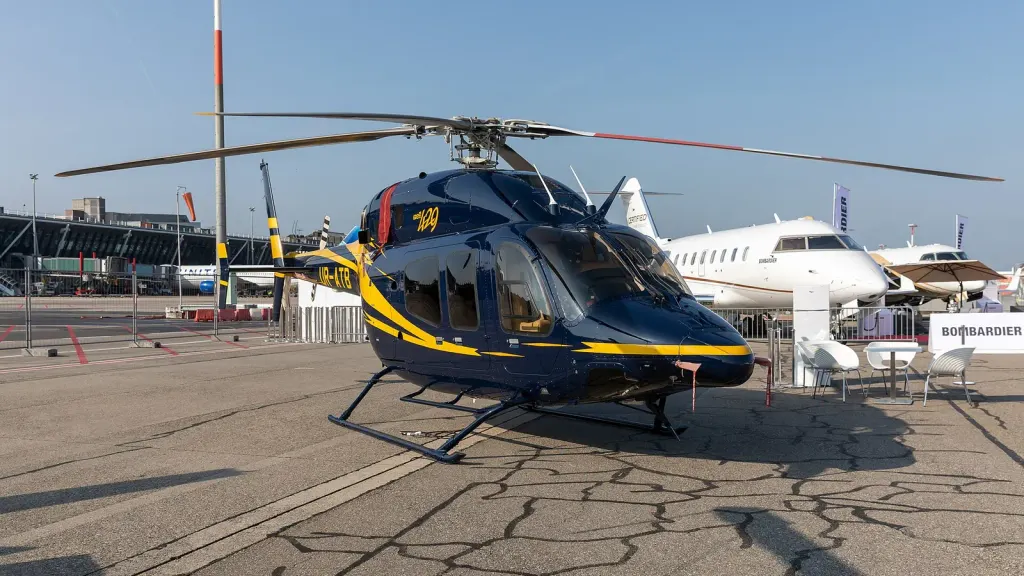
Libyan Air Ambulance has taken delivery of two new Bell 429 twin-engine helicopters configured for medical evacuation. The handover was announced at the end of December 2024 by Africair, Bell's independent representative and Textron Aviation's distributor, which supplied the aircraft together with its Libyan partner, United Libyan Systems.
The two helicopters were ordered in March 2023 alongside a single-engine Bell 505, which reached the operator in June 2023. With the 429s now delivered, all three aircraft from that agreement are with the service.
The operator
Libyan Air Ambulance was set up in 1979 and is the country's main medical evacuation service. It runs around the clock, moving patients both within Libya and abroad, with aircraft fitted with medical equipment and crewed by medical staff. Industry reports have previously described a mixed helicopter fleet that includes Bell 412, AgustaWestland AW109, Airbus EC135, EC145 and AS365 Dauphin types. The 505 and the two 429s add newer Bell aircraft to that fleet.
Sanjiv Birsen, Africair's regional manager for international product support and sales, said the company and United Libyan Systems intended to keep supporting the operator in its life-saving work.
Why the Bell 429 is used for air ambulance work
The Bell 429 is a light twin developed in the 2000s. It first flew in February 2007 and was certified in Canada and the United States in 2009. Since then it has become a common choice for hospital and air ambulance operators, as well as police and corporate users. Several features explain that:
- Two engines. The 429 is powered by a pair of Pratt & Whitney Canada PW207D1/D2 turboshafts. Twin-engine helicopters can keep flying after an engine failure in many conditions, which is why many air ambulance operators prefer them, especially over towns, at night and over long stretches of open country.
- Single-pilot IFR. The aircraft is certified for single-pilot instrument flight, so a medical crew can be flown in poorer weather without a second pilot taking a seat.
- Stretcher access. Rear clamshell doors open onto a flat-floored cabin, making it straightforward to load a patient on a stretcher from behind while crew work through the side doors.
- Cabin volume. At 5.78 cubic metres, the cabin has room for a stretcher, medical equipment and attending staff.
Bell 429 specifications
The figures below are Bell's published numbers for the standard aircraft. A medevac interior, medical equipment and crew all reduce the payload and range available on a given mission.
| Item | Bell 429 |
|---|---|
| Seating (standard) | 1 pilot + 7 passengers |
| Maximum cruise speed | 155 kt (287 km/h) |
| Range at long-range cruise | 411 nm (761 km) |
| Maximum endurance | 4.5 hours |
| Maximum gross weight (internal) | 3,175 kg (3,402 kg with increased gross weight option) |
| Useful load (standard) | 1,150 kg |
| Engines | 2 x Pratt & Whitney Canada PW207D1/D2, 536 kW each at take-off |
| Standard fuel | 821 litres |
Operating context in Libya
Libya covers about 1.76 million square kilometres, most of it desert, and its population is concentrated along the Mediterranean coast. Distances between the main coastal cities and towns in the south run to many hundreds of kilometres, and road transfers for seriously ill or injured patients can take most of a day. Helicopters shorten the time between a patient and a hospital that can treat them, and allow transfers from places without a usable runway.
The country's health system has also been under strain from more than a decade of conflict and divided government. The flooding that hit Derna and other eastern towns after Storm Daniel in September 2023 showed how quickly local services can be overwhelmed, and how much depends on the ability to move casualties and medical teams by air.
What the delivery means for the service
For Libyan Air Ambulance, the two 429s bring newer airframes, modern avionics and twin-engine safety margins to a fleet that has included older types. Having the 505 and the 429s from the same manufacturer and dealer also simplifies training, spares and technical support through Africair's regional network. The operator has said the new aircraft are intended to help it reach patients in difficult and remote areas more quickly.

About the author
Radu Balas
Founder, Flying Engineer
View author profile Editorial policy and correctionsExplore Helicopter Services
Browse 1,105 companiesGet helicopter quotes
Tell us the flight you have in mind, and we will pass it to helicopter operators.