FAA Unveils Plan to Speed Up Aircraft Certification
The US Federal Aviation Administration said in September 2025 that it planned to propose changes to the certification standards for transport category aircraft and their engines, with the aim of cutting the time and cost of approving new and modified designs. The agency expected to publish its proposals in December 2025.
What the FAA proposed to change
The plan targeted the airworthiness standards that every large commercial aircraft and engine must meet before entering service. In the US these are Part 25 of the Federal Aviation Regulations for transport category aeroplanes and Part 33 for aircraft engines.
The FAA said it wanted to reduce the number of exemptions, special conditions and equivalent level of safety findings that manufacturers need during a certification programme. Each is a way of dealing with a design the existing rules do not fit:
- Special conditions add requirements when a design has novel features the regulations do not address, such as new materials or flight control systems.
- Equivalent level of safety findings accept a design that does not meet the letter of a rule but achieves the same safety outcome another way.
- Exemptions grant relief from a rule altogether, usually with conditions, and require a public petition.
Many of these case-by-case approvals are granted repeatedly for the same issues across different aircraft. Writing the accepted solutions into the regulations themselves would remove the need to negotiate them on every programme. The FAA said the changes would reduce certification costs and timelines while keeping, and in some areas improving, the current level of safety.
Why certification has slowed
The plan followed years of delays to Boeing programmes. The 737 MAX was grounded worldwide for about 20 months from March 2019 after two fatal crashes, and investigations found serious shortcomings in how the aircraft had been certified, including the FAA's reliance on Boeing staff to carry out work on its behalf.
Congress responded with the Aircraft Certification, Safety, and Accountability Act of 2020, which tightened FAA oversight of delegated certification and required new safety assessments. The FAA then took a far more cautious approach to the 737 MAX 7, the 737 MAX 10 and the 777X. In January 2024 the Alaska Airlines door plug blowout on a 737 MAX 9 led to further scrutiny of Boeing's production and a cap on 737 output.
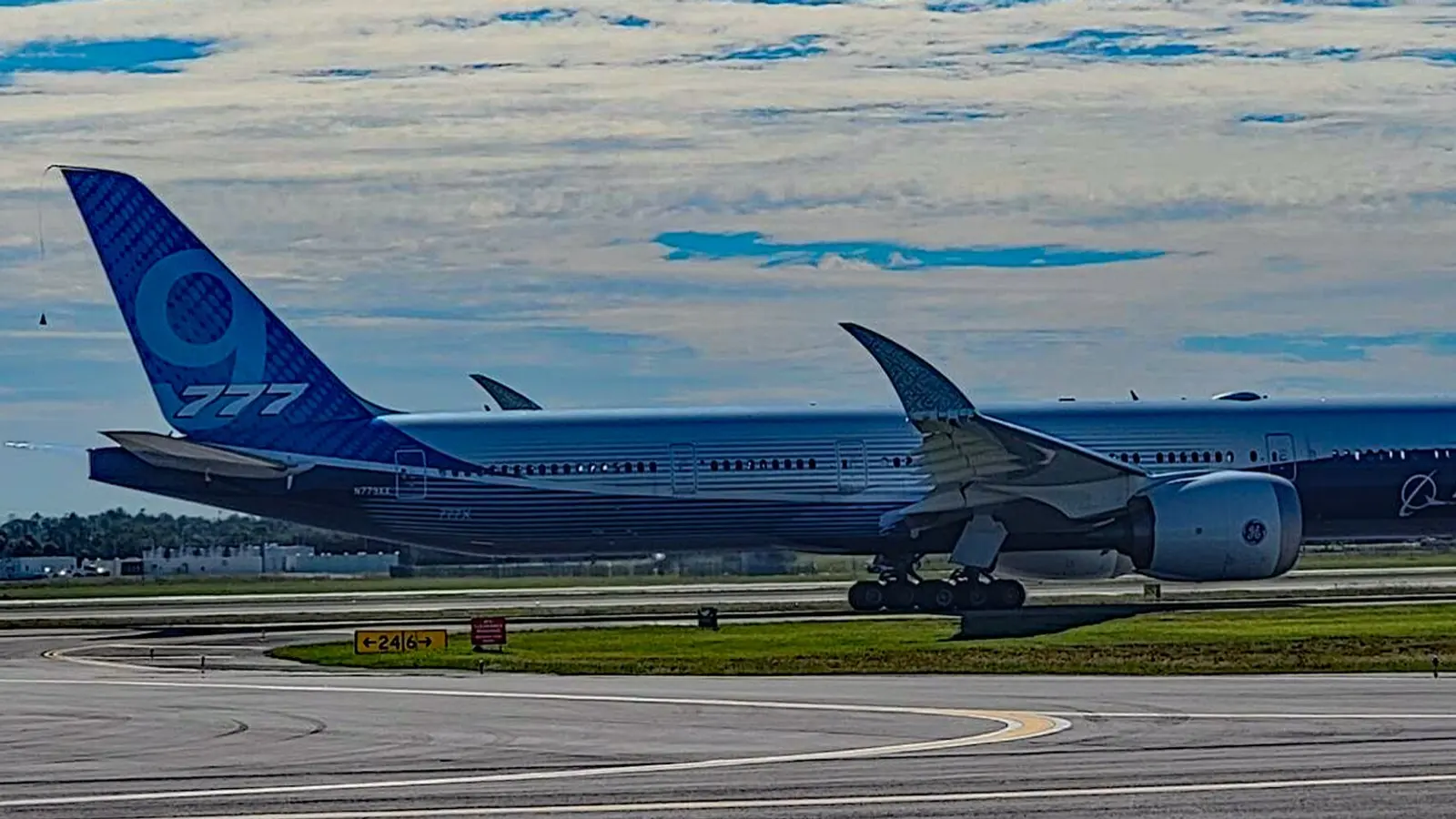
By September 2025 the MAX 7 and MAX 10 were still uncertified, held back in part by an engine anti-ice design issue that could cause overheating in the engine inlet. The 777-9, first flown in January 2020, was years behind its original delivery date. Southwest, United and the 777X launch customers were among the airlines forced to change fleet plans as a result.
What is at stake
Certification is one of the largest costs and risks in developing a new aircraft. A programme can take five years or more from launch to approval, and every special condition or exemption adds analysis, testing and negotiation. Manufacturers argue that much of this work repeats issues that are already well understood.
The counter-argument, made after the MAX accidents, is that speed and close industry involvement were part of what went wrong. Any streamlining therefore has to show that it does not weaken independent oversight. Aligning US rules more closely with those of EASA, which certifies aircraft in Europe, could also ease the mutual acceptance of approvals between the two regulators.
What has happened since
The proposal slipped from its December 2025 target. The FAA released its proposed rule in late June 2026. It would write commonly used special conditions and exemptions into the regulations, covering areas such as cabin interiors, emergency exits, fuel tank flammability, windshield visibility, decompression and protection for power levers and thrust reversers. The changes would also bring US requirements closer to EASA's. As a proposed rule, it must go through public comment before it can be finalised.
On 30 September 2026 Transportation Secretary Sean Duffy called publicly for faster certification, arguing that long approval times discourage investment and put US manufacturers at a disadvantage against China.
The Boeing programmes at the centre of the debate have moved forward. The FAA certified the 737 MAX 7 in early August 2026, about eight years after the certification effort began; Boeing expects first deliveries in 2027. The MAX 10 completed its certification flight testing, but approval was held up in late September 2026 over a software issue that could increase pilot workload during a go-around. On 5 October the FAA said the issue was not a safety concern, clearing the way to continue. The 777-9 remained in certification, with first delivery expected in 2027.