Industry
United Airlines Experiences Massive Flight Disruption
On 6 August 2025 a failure in United's Unimatic system caused a ground stop at its main hubs and about 1,100 delayed flights. Here is what happened and why airline IT outages keep recurring.
Updated 3 min read
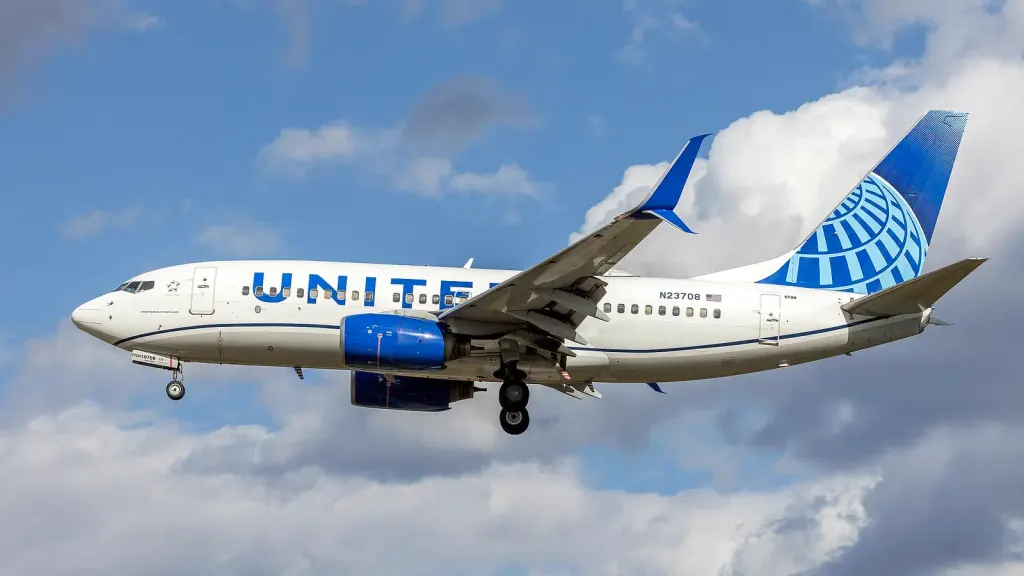
On the evening of 6 August 2025, United Airlines grounded its US mainline flights after a technology failure. Around 1,100 flights were delayed and close to 100 were cancelled before operations resumed that night. This page sets out what is known about the outage, how United handled it and why airline IT failures keep happening.
What happened on 6 August 2025
The problem began at about 6:12 p.m. Eastern (5:12 p.m. Central), according to reporting by AJOT and others. The FAA put a ground stop in place at United's largest hubs, including Chicago O'Hare, Denver, Houston, San Francisco and Newark. By late evening, roughly 1,100 United flights had been delayed, around 35 percent of its schedule, and almost 100 were cancelled.
United said the cause was a failure in a system called Unimatic, which holds flight information that feeds other systems, including those that calculate aircraft weight and balance and flight times. The airline said it was not a cyberattack. Flights restarted later the same night, and United warned of residual delays the next day.
How United responded
United classed the disruption as a "controllable delay". That is a significant label: it means the airline accepts responsibility and covers costs such as hotel rooms and meals for stranded customers, instead of treating the event as outside its control. Fee waivers for rebooking were also offered.
Why weight and balance matters
Every flight needs an accurate weight and balance calculation before departure. It tells the crew how much load is on board and where it sits, which affects takeoff speeds, fuel planning and aircraft control. If the data feeding that calculation is unavailable, flights cannot be dispatched safely, so an IT fault can stop an airline even when every aircraft and crew member is ready. Our guide to air traffic control and aviation safety explains why ground stops are used when systems cannot be trusted.
A pattern across the industry
United's outage was one of several IT failures in the same period. The best-known recent event is the July 2024 CrowdStrike software fault, which disrupted airlines worldwide; Delta alone took days to recover. In the United States, other carriers such as Alaska Airlines and American Airlines also reported system outages in mid-2025.
The reasons are structural. Airlines run on a chain of linked systems for crew scheduling, flight planning, load control, check-in and maintenance records. Many were built over decades and connected afterwards. A fault in one link can spread quickly, and a full restart takes time because crews and aircraft are then out of position.
What airlines can do about it
- Backup systems: separate fallback tools for dispatch and load control, tested regularly.
- Manual procedures: trained staff who can produce load sheets without the main system.
- Staged software updates: rolling changes out to a small share of systems first.
- Clear passenger communication: early updates, rebooking tools and a stated policy on compensation.
Companies that build this software are listed in our aviation software and IT service categories, and you can find airlines in the directory.
What passengers should do during a ground stop
- Use the airline's app to rebook rather than queueing, as agents can process only a few customers at a time.
- Ask whether the delay is classed as controllable, because that determines meals and hotel cover.
- Keep receipts for expenses.
- If a flight is cancelled and you choose not to travel, request a refund. US Department of Transportation rules require airlines to give automatic refunds for cancelled flights.
The rules for delays are different from those for cancellations. In the United States, airlines are not required by federal law to pay cash compensation for delays, so what you receive depends on the airline's own commitments.
Frequently asked questions
Was the United outage a cyberattack?
No. United said it was a technology failure and not an attack.
What is a controllable delay?
It is an airline term for a delay within the carrier's control, such as a system fault or crew shortage. In those cases airlines usually provide meals and hotels where needed.
How long did the disruption last?
The ground stop ended the same evening, but residual delays continued into the next day.
Sources: AJOT, ABC7 Chicago.

About the author
Radu Balas
Founder, Flying Engineer
View author profile Editorial policy and corrections