Industry
Pacific Flight Disruption: Tsunami Warnings After the Kamchatka Earthquake
A magnitude 8.8 earthquake off Kamchatka on 29 to 30 July 2025 triggered tsunami warnings across the Pacific. Airlines held flights to Hawaii and Japanese airports closed runways.
Updated 3 min read
A magnitude 8.8 earthquake struck off Russia's Kamchatka Peninsula on 29 July 2025 (30 July local time), the strongest there since 1952. It triggered tsunami warnings across the Pacific. Flights to Hawaii were held and diverted, and airports in Hawaii and Japan changed their operations. This page explains what happened to air travel and how airlines and airports plan for tsunami warnings.
What happened in Hawaii
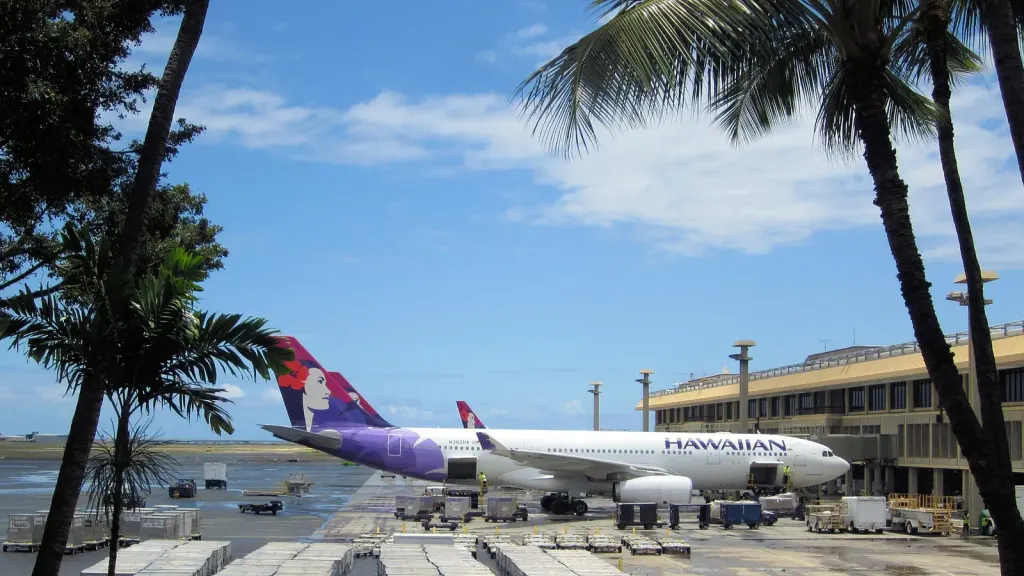
Warning sirens sounded in Hawaii at 3:23 p.m. local time on 29 July, with the first wave expected that evening. Hawaiian Airlines and Alaska Airlines held departures to the islands, and aircraft already on their way either returned to the mainland or diverted. Some inbound flights were turned back to Los Angeles.
By 8 p.m., reports showed more than 110 delayed or cancelled flights at Honolulu, with further disruption at Maui, Kona, Lihue and Hilo. Hawaiian Airlines said it resumed operations around 9 p.m. as airports reopened, and both airlines issued travel waivers so customers could change plans without the usual fees.
At Kahului Airport on Maui, around 200 passengers spent the night in the terminal, according to reports at the time. The Hawaii Department of Transportation said they would be screened again before departing.
What happened in Japan
Tsunami warnings also covered Japan's Pacific coast. Reports said Sendai Airport, close to the coast, closed its runways, with 17 departures and 14 arrivals cancelled, and that Japan Airlines and All Nippon Airways delayed about 87 flights between them.
Why airports react this way
- Low-lying runways: many coastal airports sit only a few metres above sea level, and a surge would flood the runway and the equipment beside it.
- People on the ground: terminals are used as shelters, so airports stop security screening and departures to move people to higher floors or inland.
- Aircraft in the air: flights that cannot land on time must have a safe alternate, so airlines divert early or turn back before the point of no return.
- Restart takes longer than the closure: aircraft and crews are in the wrong places, and crew duty limits mean cancellations can follow even after the warning ends.
What travellers can do
- Check flight status with the airline before leaving for the airport.
- Use the airline's waiver to change dates without a fee.
- Follow instructions from airport staff and local authorities. Move to the higher floors of the terminal if told to.
- Keep receipts. Compensation rules differ by country and by cause, and natural events are usually treated as outside the airline's control.
Who helps when flights stop
Air traffic control coordinates diversions and holds when airports close. Our guide to air traffic control and aviation safety explains that role. Companies that plan emergency responses, run airports or provide ground handling are in the directory, as are aviation insurers who cover the cost of disruption.
Tsunami alert levels
Official alerts have different meanings, and airports respond to each differently. In the US, a tsunami warning means a dangerous tsunami is imminent or expected and people in the affected areas should move to higher ground. An advisory means strong currents and waves are likely but a major flood is not expected, and a watch means a threat is possible and still being assessed. The Pacific Tsunami Warning Center in Hawaii issues the first assessments for the Pacific region. Airports and airlines base their decisions on these alerts and on local emergency management instructions.
Lessons for airlines and airports
- Agree holding and diversion plans in advance, so crews know their alternates before departure.
- Keep passenger communication clear and early. Many stranded travellers in these events cite poor information as the biggest problem.
- Plan for sheltering large numbers of people overnight, including food and water.
- Prepare a staged restart, because aircraft and crews need to be repositioned.
Frequently asked questions
Did aircraft crash because of the tsunami warning?
No. The disruption was precautionary. Flights were held, diverted or turned back before the waves arrived.
Why were flights returned to the mainland?
If airports in Hawaii might be closed or flooded, an aircraft needs a safe place to land. Turning back early is safer than running low on fuel over the ocean.
Are tsunami cancellations compensated?
Usually airlines offer rebooking and fee waivers. Hotel and meal cover varies, because natural events are typically outside the airline's control.
Sources: Hawaii News Now, bne IntelliNews.

About the author
Radu Balas
Founder, Flying Engineer
View author profile Editorial policy and corrections