
ANA 429-Seat Boeing 787-10: Inside Japan's High-Density Dreamliners
Radu BalasPublished Updated 5 min read
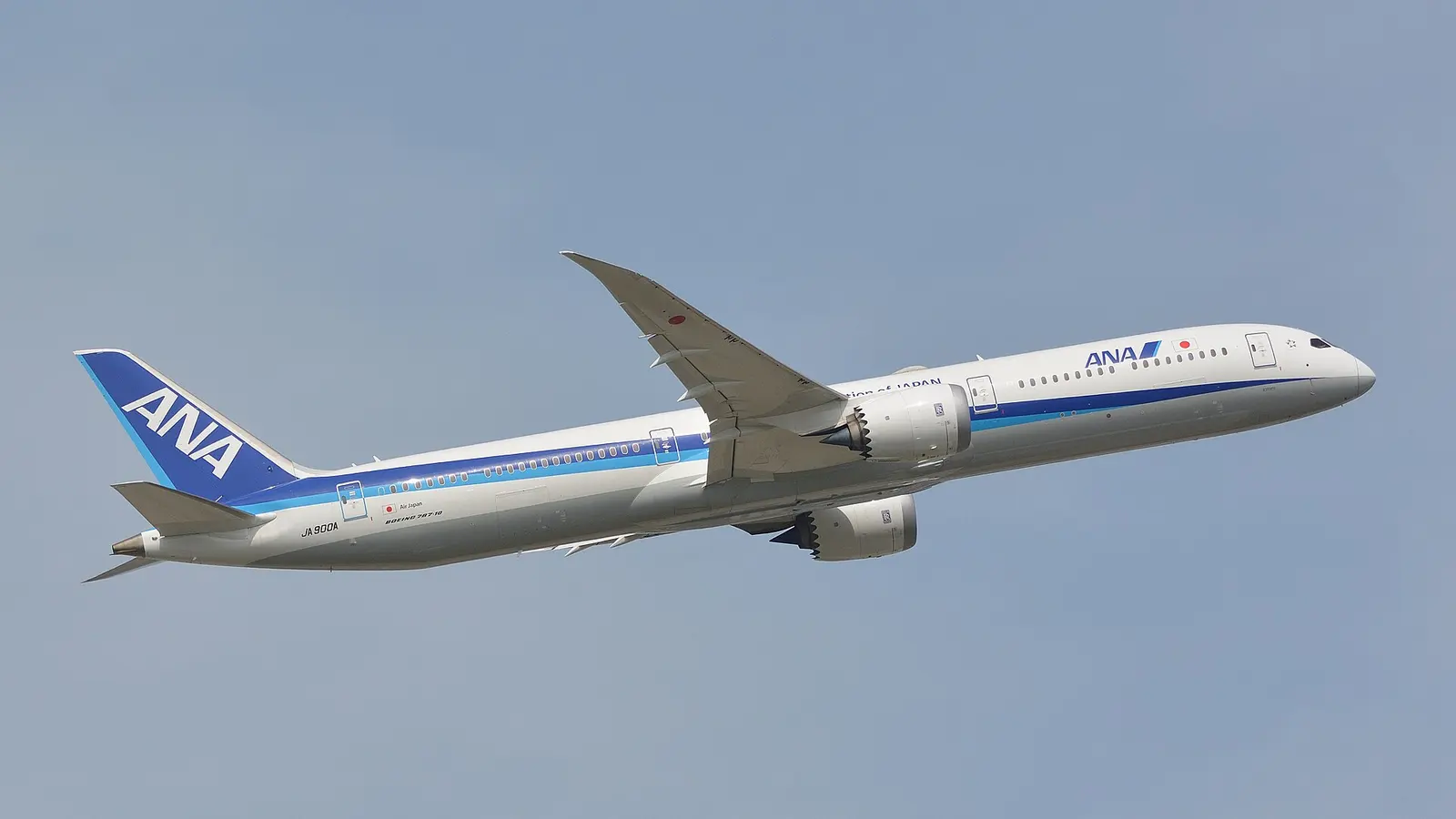
All Nippon Airways operates the world's highest-density Boeing 787 aircraft. The Japanese carrier configured its domestic 787-10s with 429 seats. That number sits only 11 seats below the maximum certified capacity.
Most airlines configure their 787-10s with 300 to 330 seats. ANA chose a different path. The airline needed aircraft to replace its aging high-capacity 777-300s on domestic trunk routes.
ANA's 787-10 Fleet Configuration
ANA operates ten 787-10 Dreamliners within its total fleet of 87 Boeing 787s. The airline uses two configurations for these aircraft. Three frames carry 294 seats for international operations. Seven aircraft carry 429 seats for domestic routes.
The first 429-seat aircraft entered service in March 2024. These jets replaced the non-Extended Range 777-300s that carried 514 passengers. Before those, ANA flew 565-seat 747-400 D aircraft on domestic routes. The D stood for Domestic.

Seat Configuration Breakdown
| Class | Seats | Configuration | Pitch |
|---|---|---|---|
| Premium Class | 28 | 2-2-2 | 50 inches |
| Economy Class | 401 | 3-3-3 | 31 inches |
| Total | 429 | - | - |
The economy cabin uses 31-inch pitch. This matches standard domestic economy across most carriers worldwide. The 3-3-3 configuration utilizes the full width of the 787's cabin.
Why Japan Needs 429-Seat Widebodies

Japan's geography creates unique aviation demand. The country stretches across multiple islands. High-speed rail competes with airlines on some routes. Air travel dominates where trains take longer or cost more.
Tokyo Haneda serves as the hub for these high-density operations. Three domestic routes generate passenger volumes that dwarf international standards. The sheer traffic volume requires widebody capacity on flights lasting 90 minutes to two hours.
Ground transport alternatives exist but move slowly compared to flying. The 429-seaters address demand that narrowbody aircraft cannot handle efficiently.
Where ANA's 429-Seat 787-10s Fly
ANA deploys its high-capacity 787-10s on three routes. All originate from Tokyo Haneda. The airline schedules between three and six daily departures on each route.
Route Schedule for January to June 2026
| Route | 429-Seater Departures | Daily Frequency | 429-Seater Share |
|---|---|---|---|
| Haneda to Okinawa | 914 | 5 to 6 daily | 32% |
| Haneda to Sapporo | 856 | 3 to 8 daily | 18% |
| Haneda to Fukuoka | 628 | 3 to 5 daily | 14% |
The Haneda to Okinawa route sees the highest concentration of 429-seat operations. Nearly one-third of all departures use the high-density configuration.
Passenger Volume Comparison
Japan's domestic routes carry extraordinary passenger numbers. Booking data from October 2024 to October 2025 reveals the scale of these operations.
| Route | Annual Passengers |
|---|---|
| Haneda to Sapporo | 7.7 million |
| Haneda to Fukuoka | 7.4 million |
| Haneda to Okinawa | 5.4 million |
| JFK to Los Angeles (comparison) | 2.5 million |
The Haneda to Sapporo route moved 7.7 million passengers in 12 months. Compare that to New York JFK to Los Angeles at 2.5 million. The Japanese domestic route carried three times the traffic of America's busiest transcontinental corridor.
Why the 787-10 Works for High-Density Operations
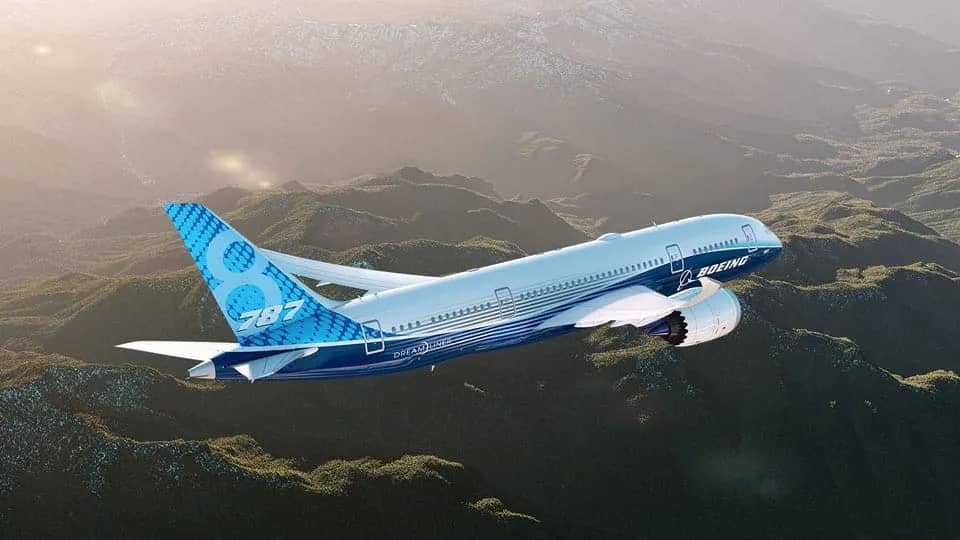
Boeing designed the 787-10 as the largest Dreamliner variant. The aircraft offers the highest passenger and freight capacity in the family. It also delivers maximum payload capability.
The trade-off comes in range. The 787-10 has the shortest range of all 787 variants. This limitation matters little on domestic routes under 1,500 miles. ANA uses the aircraft's capacity advantages without needing long-range performance.
The composite construction reduces operating costs compared to older widebodies. Lower fuel burn and reduced maintenance requirements make high-frequency domestic operations economical.
High-Capacity Widebodies at Other Airlines
ANA leads the industry in 787 density. Other carriers also operate high-capacity widebodies on specific routes.
Emirates configured some A380s with 615 seats. French bee operates A350s with 411 passengers in a two-class layout. Air Canada uses 467-seat 777-300ERs on high-demand routes.
Japan Air Lines also operates high-density domestic widebodies. The competition on Japanese trunk routes demands maximum capacity utilization.
What Passengers Experience
Flying on a 429-seat 787-10 differs from international Dreamliner operations. The cabin prioritizes volume over premium amenities. Economy passengers get standard seats at standard pitch.
The 28 premium seats offer more space at 50-inch pitch. The 2-2-2 layout provides aisle access for all premium passengers. These seats target business travelers on short domestic hops.
Flight times on these routes range from 90 minutes to two hours. The domestic service model focuses on frequency and efficiency. Passengers board, fly, and deplane quickly.
Future of High-Density Operations
ANA's 429-seat 787-10s represent the current peak of Dreamliner density. The aircraft replaced older 777s and 747s that carried even more passengers. Future fleet decisions will balance capacity with passenger comfort expectations.
Japan's domestic aviation market shows no signs of slowing. Population centers remain concentrated. Train travel times on some routes make flying the faster option. Demand for high-capacity domestic flights will persist.
The success of ANA's configuration may influence other carriers facing similar capacity constraints. Markets in China, India, and Indonesia present comparable demand patterns on certain routes.
Frequently Asked Questions
How many seats does ANA's Boeing 787-10 have?
ANA operates two 787-10 configurations. Domestic aircraft have 429 seats with 28 premium and 401 economy. International aircraft have 294 seats.
Is 429 seats the maximum for a 787-10?
Boeing certified the 787-10 for up to 440 passengers. ANA's 429-seat configuration sits 11 seats below the certified maximum.
What is the seat pitch on ANA's domestic 787-10?
Premium class offers 50-inch pitch in a 2-2-2 layout. Economy class provides 31-inch pitch in a 3-3-3 configuration.
Which routes use ANA's 429-seat 787-10?
Three routes from Tokyo Haneda use the high-density aircraft: Haneda to Okinawa, Haneda to Sapporo, and Haneda to Fukuoka.
How many passengers fly Haneda to Sapporo annually?
The route carried 7.7 million passengers in the 12 months ending October 2025. This makes it one of the world's busiest domestic routes.
Why does ANA use widebodies on domestic routes?
Japan's busiest domestic routes generate passenger volumes that exceed narrowbody capacity. High-frequency widebody operations meet this demand efficiently.
When did ANA start flying the 429-seat 787-10?
The first 429-seat 787-10 entered service in March 2024. These aircraft replaced ANA's non-Extended Range 777-300s.
The Bottom Line
ANA's 429-seat 787-10s solve a specific problem. Japan's domestic trunk routes need capacity that narrowbodies cannot deliver. The Dreamliner's efficiency makes high-density operations economical.
Seven aircraft handle routes carrying millions of passengers annually. The configuration pushes the 787-10 close to its certified maximum. Passengers get where they need to go quickly and affordably.
For aviation enthusiasts, ANA's domestic 787-10s offer a look at widebody operations driven by pure demand. The aircraft proves that the Dreamliner works across the full spectrum of airline needs.
Looking for private jet options in Tokyo? Browse our network of charter operators serving Japan's major airports.