Loading...


LIGHT JET · CESSNA
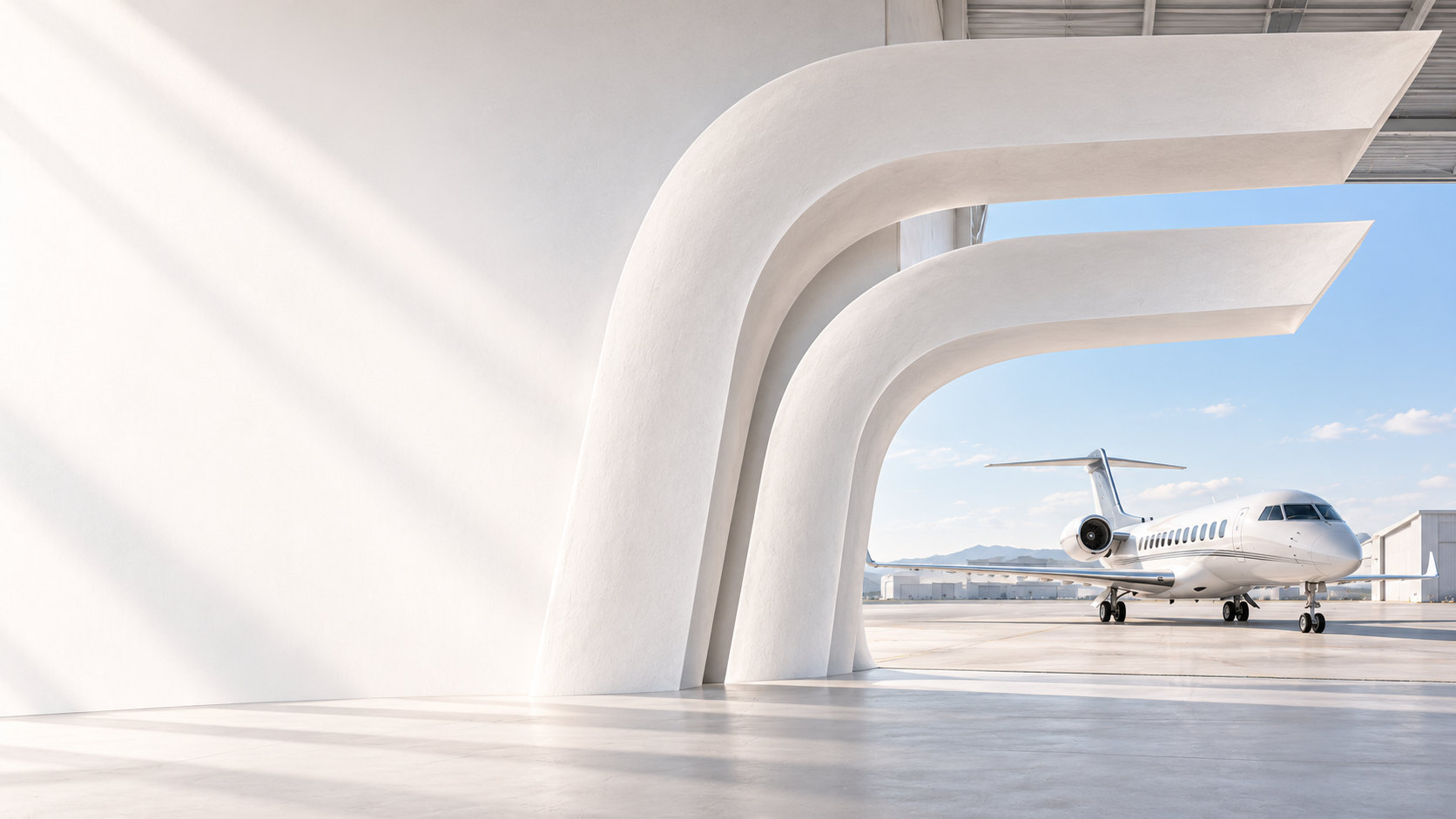
A light jet from the Citation II family, no longer built.
Source: Jetcraft overview of the Citation Bravo. Range is with four passengers and NBAA IFR reserves. Other sources list up to 1,720 nm. Photo: ZLEA, CC BY-SA 4.0.
Live feed · loading
Loading flights...

The price depends on the route, the dates, the season and where the aircraft has to come from. A full charter costs more than an empty leg, because you pay for the flight back too.
Live listed prices from the Empty Leg List feed. Not a quote.
Get a quote for your trip ›Range
1,587 nm
(2,939 km)
Cruise speed
400 ktas
(741 km/h)
Passengers
7 to 9
in the cabin, layout varies
Baggage
46 cu ft
(1.30 m³) outside, plus 28 cu ft inside
The Bravo is out of production, so figures come from Jetcraft's overview, with dimensions, fuel capacity and baggage from GlobalAir. The sources differ: GlobalAir lists a cabin volume of 292 cubic feet, a ceiling of 43,000 ft and a maximum range of 1,720 nm. We show Jetcraft's figures where both exist.
The Citation Bravo is a light jet from Cessna that grew out of the Citation II. A typical layout seats 7 to 9 passengers, and it flies about 1,600 nautical miles. Cessna built 336 of them from 1997 to 2006, so every one on the market is pre-owned.
Cessna replaced the Citation II and S/II with the Bravo. It first flew on 25 April 1995, was certified in August 1996 and was first delivered in February 1997. Production ended in late 2006 after 336 aircraft.
The Bravo is an updated S/II with Pratt & Whitney Canada PW530A engines, Honeywell Primus 1000 avionics, a trailing link main landing gear and an interior taken from the Citation Ultra. The new engines give about 15 percent more thrust at takeoff and 23 percent more at altitude.
In 2014 Jetcraft counted 333 Bravos in operation. About two thirds were in North America and 15 percent in Europe. NetJets Europe was the largest fleet operator, with 7.
7 to 9
passengers
46 cu ft
baggage
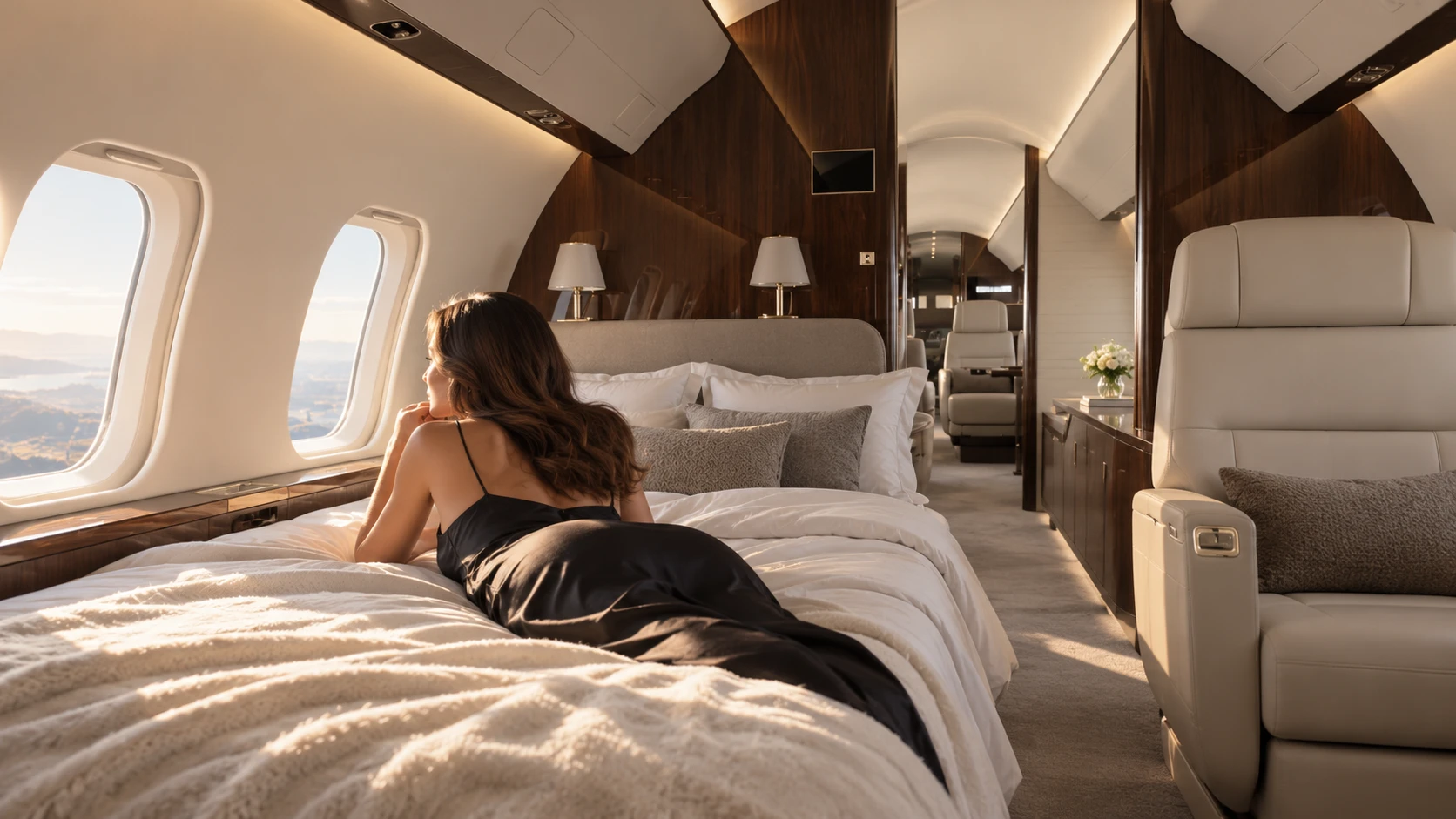
Jetcraft gives the Bravo cabin a volume of about 278 cubic feet. A typical layout seats seven to nine passengers, and the interior is based on the Citation Ultra.
Baggage space is 46 cubic feet outside the cabin and 28 cubic feet inside it.
Tell us what you are looking for. We pass it to a short list of aircraft brokers and dealers who can source a Bravo for you, and they reply to you directly.
No obligation. Your details go only to the brokers and dealers we pick for this aircraft.
Prices and costs change with age, hours and market. They are a guide, not a quote.
A 2018 Aviation Week review set the Bravo against the Beechjet 400A, which is roomier and faster but needs more fuel and runway, and the Learjet 31A, which is faster but has less range. The Citation V Ultra is faster and has a longer cabin but burns more fuel. Cessna's CJ3 later took the Bravo's place.
The Bravo is out of production, so figures come from Jetcraft's overview, with dimensions, fuel capacity and baggage from GlobalAir. The sources differ: GlobalAir lists a cabin volume of 292 cubic feet, a ceiling of 43,000 ft and a maximum range of 1,720 nm. We show Jetcraft's figures where both exist.
Jetcraft lists a typical layout of nine passengers and two crew. GlobalAir lists seven passengers. Check the layout of the aircraft you are looking at.
Jetcraft lists 1,587 nautical miles with four passengers and NBAA IFR reserves, and up to 1,740 nautical miles as a maximum. That is enough for London to Athens, or New York to Dallas, without a stop, depending on passengers, weather and reserves.
Jetcraft lists a maximum cruise speed of 400 knots (741 km/h) and a long range cruise speed of 343 knots (635 km/h).
No. Production ended in late 2006 after 336 aircraft. Cessna's CJ3 took its place.
The live list on this page shows every Citation Bravo empty leg in our feed, refreshed every minute. Each flight links to the operator's listing so you can ask for the price and confirm availability.