Company news
Air Canada Launches Cabin Upgrade Program for Dash 8-400 Fleet
Air Canada is refitting 25 Jazz-operated Dash 8-400 turboprops with new Expliseat seats, mainline-style interiors and free Wi-Fi, a first for the type.
Updated 3 min read
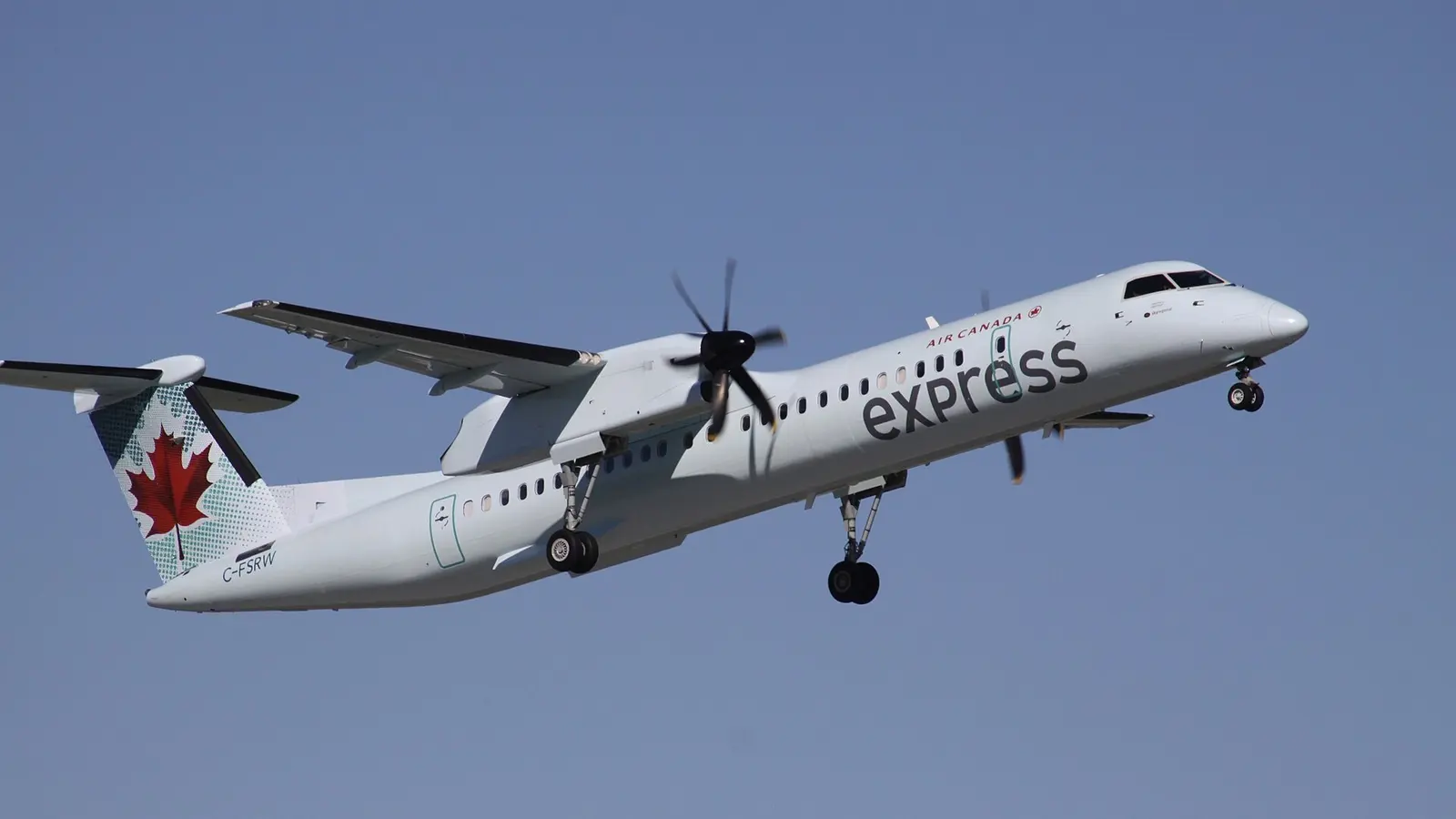
Air Canada is refitting 25 De Havilland Dash 8-400 turboprops flown by Jazz Aviation for Air Canada Express, with new seats, new interiors and, for the first time on this aircraft type anywhere, free Wi-Fi. The programme was announced in September 2025 and is due to finish by mid-2026. This page explains what changes, what stays the same and why it matters for regional flying.
What Air Canada announced
According to Air Canada's own announcement, the 25 aircraft get a full cabin redesign. The main points:
- Seats: new ergonomic, well-padded seats from the French manufacturer Expliseat, each with a seatback device holder for phones and tablets plus a table tray.
- Layout: every aircraft keeps its 78 seats and the seat pitch does not change, so the gain is comfort, not legroom.
- Interior: colours, textures and finishes follow the mainline Air Canada cabins, with a theme inspired by Canadian scenery.
- Wi-Fi: free, gate-to-gate Wi-Fi, starting in October 2025 on flights from Billy Bishop Toronto City Airport (YTZ) and then spreading across the upgraded aircraft.
- Timing: installation is expected to be complete by mid-2026.
Why Wi-Fi on a Dash 8-400 is a first
The Dash 8-400, built by De Havilland Canada, is a twin-engine turboprop that airlines use on short routes. Air Canada says this is the first time Wi-Fi has been offered on the type anywhere in the world. The airline has already fitted most of its mainline and Rouge aircraft with next-generation Wi-Fi through its partnership with Bell, so the regional fleet is catching up with the rest of the airline.
On flights of 45 to 90 minutes, connectivity is less about streaming and more about being able to keep working or messaging a connection. For the airline, it removes one of the visible differences between a Jazz-operated Express flight and a mainline one.
What the airline and Jazz said
Mark Nasr, Air Canada's Executive Vice President and Chief Operations Officer, said the aim is to bring the design details and comforts of the larger jets to the Canadian-made turboprop, adding that even the shortest flights can feel special. Doug Clarke, President of Jazz, welcomed the investment as a commitment to safety, operational excellence and customer service.
How a cabin refit like this works
A seat and interior change on an airliner is not just a matter of bolting in new chairs. New seats need certification for strength and fire safety, the aircraft's weight and balance records have to be updated, and new cabin panels and trim must meet flammability rules. Aircraft are taken out of service in sequence, which is why a 25-aircraft programme runs over many months. Specialist maintenance providers and interior design companies usually carry out this kind of work.
What it means for regional airlines
Regional turboprops often carry the oldest interiors in an airline's fleet, because they are expected to be reliable rather than glamorous. Spending on the cabin of a type that is already well established suggests Air Canada plans to keep flying the Dash 8-400 for years. Other operators will see a clear example of how to improve the passenger experience without changing the aircraft's capacity or engines. You can browse other airlines and aircraft manufacturers in our directory.
Why Billy Bishop gets the Wi-Fi first
Billy Bishop Toronto City Airport sits on an island close to downtown Toronto, and its noise rules mean the scheduled flying there is done by quiet turboprops rather than jets. The Dash 8-400 is therefore the aircraft business travellers use between downtown Toronto and cities such as Montreal, Ottawa and Boston. Business travellers are the passengers most likely to value working connectivity, so starting there makes sense. Jazz Aviation flies for Air Canada under a capacity purchase arrangement: Air Canada sets the schedule and sells the tickets, and Jazz operates the aircraft and crews.
What to expect as a passenger
- The seat count stays at 78, so cabins will not feel larger, but the seats are designed to be more supportive.
- Not every aircraft will be finished at the same time. Until the programme is complete, you may fly on a refitted or an unrefitted Dash 8-400.
- Wi-Fi connects at the gate and stays on during the flight, so you can start a download before boarding.
Frequently asked questions
Will the Dash 8-400 have more legroom after the upgrade?
No. Air Canada says each aircraft keeps 78 seats and the same seat pitch. The new seats are padded and shaped differently, but the spacing is unchanged.
Is the Wi-Fi really free?
Yes. Air Canada describes it as fast, free Wi-Fi with gate-to-gate coverage, first on flights from Billy Bishop Toronto City Airport.
Who flies these aircraft?
Jazz Aviation operates them for Air Canada under the Air Canada Express brand.
Source: Air Canada press release, September 2025.

About the author
Radu Balas
Founder, Flying Engineer
View author profile Editorial policy and corrections