Why Hundreds of A320neos Are Grounded in 2026: The Pratt & Whitney Engine Crisis Explained
 Radu BalasPublished 16 min read
Over 800 Airbus A320neo aircraft sit parked on tarmacs worldwide. Not because of pandemic-related capacity cuts. Not due to pilot shortages or maintenance delays.
They're grounded because of Pratt & Whitney engine failures that have created the aviation industry's largest single-type grounding crisis since the 737 MAX.
The scale is staggering: 38% of the global A320neo fleet affected. Airlines losing billions in revenue. Passengers facing higher fares and reduced flight options. And a crisis that experts say won't fully resolve until 2027-2028.
How Many A320neos Are Currently Grounded?
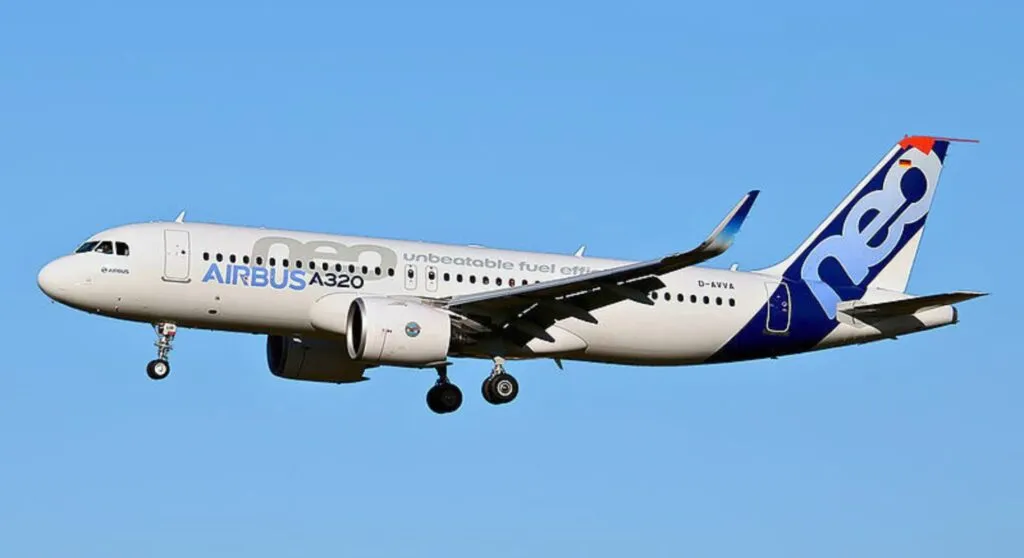
As of late 2025, 835 aircraft powered by Pratt As of late 2025, 835 aircraft powered by Pratt & Whitney PW1100G geared turbofan engines were grounded or in storage globally. Whitney PW1100G geared turbofan engines were grounded or in storage globally, according to aviation data from Cirium. By early 2026, that number continues climbing.
The breakdown reveals the severity: 720 out of 1,912 A320neo family aircraft - nearly four in ten - are currently out of service due to engine issues.
Compare this to CFM LEAP-powered narrowbodies: only 4% grounded for engine-related issues. The disparity is dramatic.
Grounded Fleet by Aircraft Type
The crisis affects multiple Airbus models powered by Pratt & Whitney GTF engines, though the A320neo and A321neo bear the brunt.
The A320neo represents the largest concentration of grounded aircraft. The A321neo follows closely, with dozens parked at maintenance facilities worldwide awaiting engine overhauls.
Even the Airbus A220 faces groundings. Swiss International Air Lines temporarily grounded its entire nine-aircraft A220-100 fleet in 2026 to conserve scarce engines and parts.
| Airline | Country | A320neo Fleet Size | Estimated Grounded | Impact Level |
|---|---|---|---|---|
| Wizz Air | Hungary | 220+ aircraft | 40+ aircraft | Severe |
| IndiGo | India | Large GTF fleet | 70+ aircraft | Severe |
| Spirit Airlines | USA | Major GTF operator | Significant | Major |
| Volaris | Mexico | A320neo fleet | Dozens | Severe |
| VivaAerobus | Mexico | A320neo fleet | Dozens | Severe |
| Lufthansa Group | Germany | Multiple subsidiaries | Multiple | Major |
| Air Transat | Canada | A321neo fleet | Several | Major |
| airBaltic | Latvia | A220 fleet | Several | Major |
Note: Red rows indicate severe impact with dozens of aircraft grounded. Yellow rows indicate major impact affecting operations significantly. Impact level based on grounded aircraft relative to fleet size and airline financial position. Data as of Q4 2025/Q1 2026. Swipe left to see full table on mobile devices.
What Is Causing the Groundings?
The crisis stems from contaminated powder metal used in manufacturing critical engine components. This isn't a design flaw in the GTF architecture - it's a materials defect.
Pratt & Whitney discovered the problem in 2020 when an in-service IAE V2500 engine suffered a blade failure. The same powder metal manufacturing process produces components for both V2500s and PW1100Gs.
The Powder Metal Defect

High-pressure turbine discs and compressor discs contain microscopic impurities from contaminated metal powder. These impurities create stress points that can develop into cracks.
Under extreme heat and rotational stress inside the engine, these cracks propagate. If undetected, a disc could fail catastrophically - though no in-flight failures have occurred due to proactive inspections.
The contaminated powder affected engines manufactured between 2015 and 2021. RTX initially identified 1,200 potentially affected engines in July 2023. By September 2023, that expanded to 600-700 engines requiring immediate removal.
Accelerated Inspection Requirements

Regulatory authorities including EASA mandated accelerated inspection cycles. Engines must undergo inspections every 2,800-3,800 flight cycles (takeoffs/landings).
High-pressure turbine and compressor discs receive hard part life limits of 5,000-7,000 cycles. Previously, these components lasted significantly longer before replacement.
Each inspection requires removing the engine from the wing. Borescope inspections alone can't detect the microscopic cracks - engines need complete teardown.
Why 300-Day Turnaround Times
Engine overhauls normally take 60-90 days. The GTF crisis pushed that to 250-300 days.
Why so long? Shop capacity overwhelmed by volume. Pratt Pratt & Whitney operates 13 GTF maintenance facilities globally, with six more planned by 2025. Whitney operates 13 GTF maintenance facilities globally, with six more planned by 2025, according to RTX Corporation disclosures. But demand exceeds capacity dramatically.
Parts shortages compound delays. Manufacturing replacement discs requires specialized forging processes. Lead times stretch months for critical components. Understanding aircraft parts supply chains shows the complexity airlines face.
Pratt & Whitney recently announced a new isothermal forging press at its Columbus facility, expected online by 2028. This will increase critical component output by 30% - but that's years away.
Why The GTF Engine Is More Vulnerable

The geared turbofan design isn't inherently flawed. The GTF delivers 16% lower fuel consumption and 50% noise reduction compared to previous-generation engines, contributing to sustainability goals when operational.
The gearbox - which gives the GTF its name - works flawlessly. The problem lies in the hot section: turbine and compressor discs operating at extreme temperatures.
Pushing Material Limits
Modern turbofan engines operate at higher temperatures and pressures than ever before. This improves efficiency but pushes materials to their limits.
The contaminated powder metal couldn't withstand these extreme conditions over extended periods. Impurities that might be insignificant in less-demanding applications become critical in high-pressure turbines.
Industry experts compare this to the Rolls-Royce Trent 1000 issues on the Boeing 787, as reported by FlightGlobal. Different root cause, same principle: materials pushed beyond tested boundaries.
| Engine | Aircraft | Grounded Rate | Primary Issue | Status 2026 |
|---|---|---|---|---|
| PW1100G (GTF) | A320neo family | 33-38% | Powder metal contamination | Crisis ongoing |
| CFM LEAP-1A | A320neo family | ~4% | Routine maintenance | Normal operations |
| CFM LEAP-1B | Boeing 737 MAX | ~4% | Routine maintenance | Normal operations |
Note: PW1100G GTF shows 33-38% grounded rate (highlighted red) - nearly 10x higher than CFM LEAP competitors (highlighted green at ~4%). This dramatic disparity demonstrates the severity of the powder metal crisis affecting only Pratt & Whitney engines. Swipe left to see full table on mobile devices.
Which Airlines Are Most Affected?
Low-cost carriers bear the heaviest burden. ULCCs like Wizz Air, IndiGo, Spirit, Volaris, and VivaAerobus ordered GTF-powered A320neos aggressively for fuel savings.
Their business models depend on high aircraft utilization. Each grounded aircraft eliminates 8-12 daily flights. The impact on revenue and route networks is severe.
Wizz Air: 40+ Aircraft Grounded

Wizz Air faces existential pressure. With over 220 A320-family aircraft in its fleet, having 40+ grounded represents nearly 20% capacity loss.
The Hungarian ULCC expects groundings to continue through 2026. It's accelerating retirement of older A320ceo aircraft and taking 50 new A321neos in fiscal 2026 to restore capacity.
IndiGo: India's Largest Carrier Scrambles
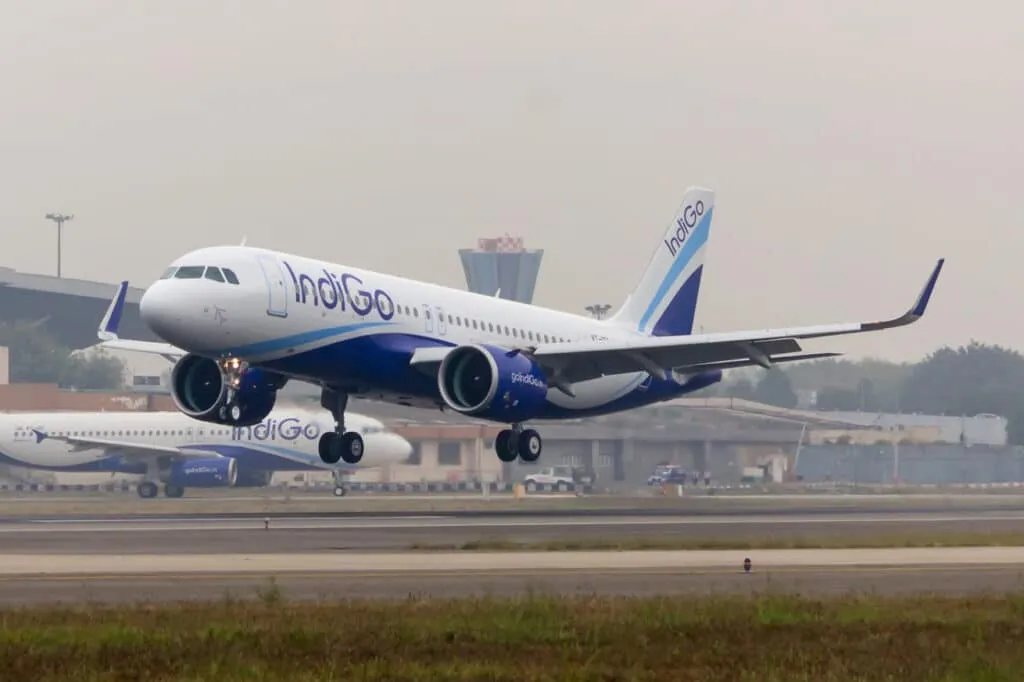
IndiGo operates India's largest domestic network, having expanded through strategic international route launches. With approximately 70 A320neos grounded, the carrier wet-leased 11 older A320ceos to maintain schedules.
India's booming aviation market makes capacity especially valuable. IndiGo can't afford to cede market share to competitors like Air India and SpiceJet.
The carrier received regulatory approval to wet-lease additional aircraft - a costly solution where airlines rent planes complete with crew and maintenance.
Mexican Carriers Hit Hard
Volaris and VivaAerobus - Mexico's two largest ULCCs - have dozens of A320neos parked. Both carriers depend entirely on narrowbody fleets for domestic and US-Mexico routes.

The groundings constrain their ability to capitalize on strong US-Mexico travel demand. Legacy carriers like Aeromexico gain relative advantage.
European Impact: Lufthansa and Swiss
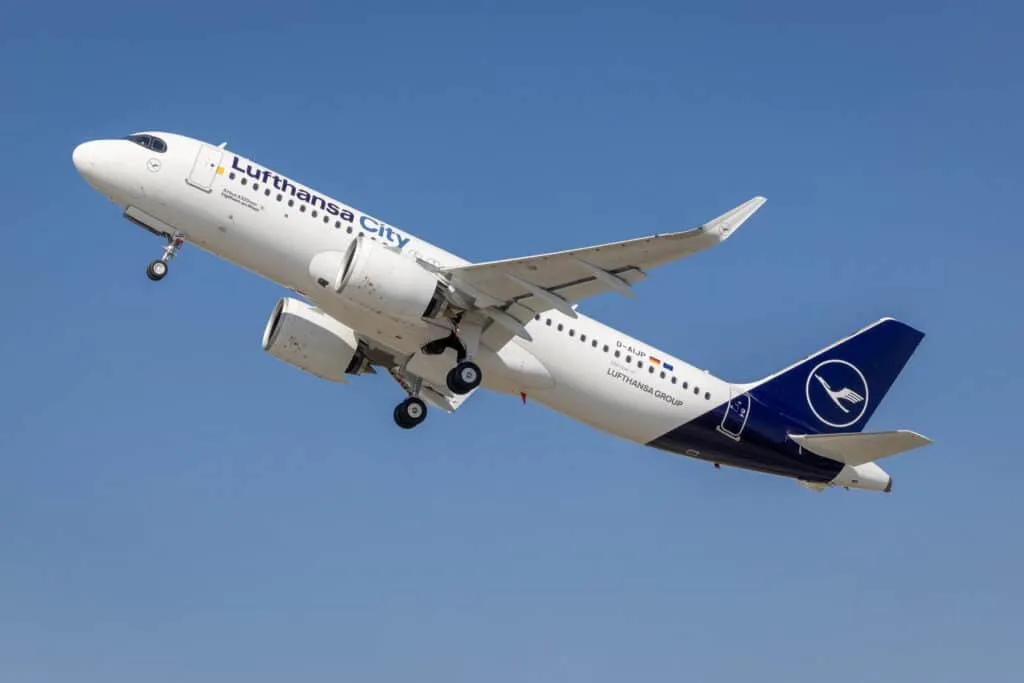
Lufthansa Group subsidiaries face scattered groundings. Swiss International Air Lines took the dramatic step of temporarily grounding its entire nine-aircraft A220-100 fleet in 2026.
The move aims to conserve scarce engines and parts. ITA Airways (Lufthansa subsidiary) is seeking €150 million in damages from Pratt & Whitney, with several aircraft grounded in Naples for over a year.
US Carriers: Spirit Most Exposed

Spirit Airlines - already struggling financially - faces significant GTF groundings. The ULCC operates major GTF fleets and lacks the financial cushion of legacy carriers.
Some analysts note GTF-affected carriers may receive more in compensation from Pratt & Whitney than operating margins would generate - a silver lining for low-margin ULCCs.
How This Is Affecting Airline Capacity in 2026
Over 800 grounded aircraft equals approximately 150,000 missing daily seats globally. That's like removing 20 Boeing 777-300ERs worth of capacity every day.
The capacity impact concentrates in short and medium-haul markets where A320neos primarily operate. Transcontinental and long-haul routes see less direct impact.
Route Frequency Cuts
Airlines reduce frequencies rather than cancel routes entirely, reshaping airline route networks significantly. Instead of six daily flights, operate four. Load factors increase as available seats decline.
This particularly affects business travelers who value schedule flexibility. Fewer daily options reduce the attractiveness of flying versus driving or videoconferencing.
Narrowbody Supply Squeeze
Replacement aircraft don't exist. Aircraft manufacturers face multi-year production backlogs. Buying or leasing substitute aircraft is nearly impossible.
Wet leasing offers temporary relief but at exorbitant costs. Aircraft lessors charge premiums knowing airlines face desperation.
Used aircraft values for CFM LEAP-powered A320neos surge, as tracked by IATA market intelligence. The premium for non-GTF aircraft reached record levels as airlines scramble for alternatives.
Regional Impact Variations
Europe and Asia face the highest concentration of GTF groundings. Budget carriers in these regions ordered GTF engines heavily for fuel savings.
North America sees moderate impact. US airlines diversified between GTF and LEAP engines, reducing exposure. Canada and Mexico face more concentrated problems.
India's domestic market suffers particularly. IndiGo's dominance means nationwide capacity constraints when it grounds aircraft.
Impact on Ticket Prices and Airline Profits
Basic economics: reduced supply meets steady demand. Result: higher fares.
Airlines report improved yields (revenue per passenger) on routes where capacity declined. Business travel recovered strongly in 2024-2025, allowing carriers to push pricing.
Capacity Discipline Benefits Survivors
Airlines without GTF exposure benefit from competitors' capacity reductions. CFM LEAP operators and Boeing 737 MAX carriers gain pricing power, similar to benefits seen in airline route expansions.
This creates perverse incentives. Some carriers prefer tight capacity over expansion if it means higher fares and profits.
CASM Increases for Affected Airlines
Cost per Available Seat Mile (CASM) increases when aircraft sit idle. Airlines still pay salaries, overhead, and lease payments for grounded planes.
Spreading fixed costs across fewer operating aircraft raises unit costs. This squeezes profit margins unless airlines can raise fares proportionally.
Wet Lease Market Explodes
Wet lease rates for A320-family aircraft doubled in some markets. Desperate airlines pay $50,000+ per day for wet-leased replacements.
These costs dwarf normal aircraft operating economics. Understanding aircraft leasing structures shows the financial pressure airlines face.
Economic Example: 40-Aircraft Grounding
Consider an airline with 40 grounded A320neos (typical for severely affected carriers):
Lost revenue: 40 aircraft × 10 flights per day × 180 seats × 70% load factor × $150 average fare = $7.56 million daily, or $2.76 billion annually.
Continued costs: Lease payments, engine reserves, insurance, financing costs continue. Estimated $600-800 million annually for 40 grounded aircraft.
Net impact: $2-2.5 billion annual earnings hit for severely affected carriers.
What This Means for Airbus

Airbus faces cascading problems despite not manufacturing the problematic engines. The airframer depends on Pratt & Whitney for approximately 60% of A320neo engine deliveries.
Production Rate Cuts
Airbus announced in February 2026 it's cutting A320neo family production rate targets. The goal of rate 75 (75 aircraft monthly) by 2027 pushed to late 2027 or early 2028.
CEO Guillaume Faury called the situation "very painful and unsatisfactory." Airbus now targets rate 70-75 by end of 2027, down from previous mid-2027 expectations. The broader delivery challenges compound manufacturing pressures.
Engine delays force Airbus to reshuffle delivery schedules constantly. Airlines ordering LEAP engines receive priority. GTF customers face delays.
Customer Relations Strain
Airlines blame Airbus despite the engine issues originating with Pratt & Whitney. Delivery delays trigger penalty clauses in purchase agreements.
Airbus argues it's fulfilling its contractual obligations by delivering aircraft with engines, though aircraft liability insurance claims may follow. The engines' subsequent problems aren't the airframer's responsibility.
But airlines see it differently. They paid Airbus for operational aircraft. When engines fail within months, customers question Airbus's supplier management.
Financial Impact on Airbus
Airbus charges heavy delay penalties to Pratt & Whitney. These offset some Airbus losses but don't eliminate the problem.
Lower production rates mean reduced revenue and cash flow. Airbus operates on thin margins. Even small production disruptions significantly impact profits.
Is the Boeing 737 MAX Benefiting?
Yes and no. Boeing gains competitive advantage by default when Airbus customers face operational crises.

CFM LEAP Reliability Advantage
The CFM LEAP-1B powering 737 MAXs shows normal reliability metrics. Approximately 4% of the fleet undergoes maintenance at any time - typical for modern engines.
Airlines shopping for narrowbodies now scrutinize engine reliability more closely. CFM's track record provides reassurance Pratt & Whitney currently can't match.
Some airlines switching orders from A320neo to 737 MAX cite engine reliability concerns. The comparison between Boeing vs Airbus widebody programs shows similar competitive dynamics.
But Boeing Has Its Own Problems
Boeing faces production quality issues, regulatory scrutiny following the Alaska Airlines door plug incident, and delivery delays. The 737 MAX isn't problem-free.
Manufacturing defects, supply chain problems, and regulatory oversight constrain Boeing's ability to capitalize on Airbus's GTF crisis.
Boeing delivered only around 400 737s in 2025 - below targets. It can't dramatically increase production to capture A320neo-frustrated customers.
Market Share Implications
Long-term, the GTF crisis may shift 5-10% of narrowbody market share toward Boeing if Pratt & Whitney can't resolve issues quickly.
But that depends on Boeing executing its production ramp successfully. The broader 737 MAX order backlog demonstrates market demand. With both manufacturers facing challenges, airlines lack good alternatives.
When Will the A320neo Grounding Crisis End?
Pratt & Whitney's official position: issues largely resolved by end of 2026. Industry experts are skeptical.
Inspection Timeline Through 2027
Even in optimistic scenarios, inspections continue through 2027-2028. The 600-700 engines requiring shop visits represent years of maintenance shop capacity.
Each engine taking 250-300 days in the shop means continuous groundings as different aircraft enter and exit maintenance cycles.
GTF Advantage Entry Into Service
The GTF Advantage engine - a redesigned variant - received FAA and EASA certification in 2025. It enters commercial service in 2026.
The Advantage incorporates approximately 35 redesigned part numbers addressing durability issues. It promises to double time on wing and improve reliability.
But retrofitting existing engines to Advantage standard isn't simple. Airlines face choices: accept current engine reliability with frequent maintenance, or invest in expensive retrofits.
New Production vs In-Service Fleet
New A320neos delivered from 2024 onward receive improved engines not affected by the powder metal defect.
But that doesn't help airlines with grounded aircraft. The in-service fleet of 1,912 A320neo-family aircraft requires years of inspections and repairs.
Realistic Timeline: Late 2027 Normalization
Industry consensus suggests late 2027 to early 2028 before the crisis truly abates. By then:
Most affected engines will have undergone inspection and repair. Additional MRO shop capacity will come online (though the 2028 forging press arrives late). GTF Advantage engines will achieve proven reliability in service.
Airlines will have adjusted networks and fleet plans to GTF realities. Some will have switched to CFM LEAP engines for new deliveries.
Additional Complications in 2026
New technical restrictions emerged in late 2025. Airbus communicated to operators that GTF-powered aircraft face takeoff restrictions in extreme weather.
Specifically, in freezing fog with visibility below 150 meters, new limitations apply. This creates operational challenges during winter months at northern European airports.
These restrictions resulted from certification reviews following the grounding crisis, adding operational complexity for airport and ground handling operations. They add complexity to already-strained operations.
Frequently Asked Questions
How many A320neos are grounded in 2026?
Approximately 835 aircraft powered by Pratt & Whitney GTF engines are grounded or in storage globally as of Q4 2025/Q1 2026. This includes 720 A320neo-family aircraft out of 1,912 total, representing 38% of the global fleet. The number fluctuates as aircraft enter and exit maintenance, but the overall grounded fleet remains stubbornly high through early 2026. Only GTF-powered aircraft are affected; CFM LEAP-powered A320neos operate normally with typical 4% maintenance rates.
What is wrong with the PW1100G engine?
Contaminated powder metal in high-pressure turbine and compressor discs can develop cracks under operational stress. The powder metal used to manufacture certain engine parts between 2015-2021 contained microscopic impurities. These impurities create weak points that crack under extreme heat and rotational forces inside the engine. The defect isn't a design flaw in the geared turbofan architecture - it's a materials manufacturing problem affecting specific batches of components. Engines require complete teardown inspections every 2,800-3,800 flight cycles, with part life limits of 5,000-7,000 cycles for affected components.
Which airlines are most affected by A320neo groundings?
Low-cost carriers bear the heaviest burden: Wizz Air (40+ grounded), IndiGo (70+ grounded), Spirit Airlines, Volaris, and VivaAerobus all face severe impacts. ULCCs ordered GTF-powered A320neos aggressively for fuel savings, creating concentrated exposure. Legacy carriers like Lufthansa Group have scattered groundings across subsidiaries. Swiss International Air Lines temporarily grounded its entire A220-100 fleet. The impact is most severe for airlines with large GTF fleets and thin profit margins unable to absorb the financial blow.
Will this increase ticket prices?
Yes, reduced capacity from grounded aircraft contributes to higher airfares on affected routes. Over 800 grounded aircraft eliminate approximately 150,000 daily seats globally. When supply drops while demand remains steady, prices rise. Airlines report improved yields (revenue per passenger) on routes where capacity declined. The impact varies by market - routes served primarily by GTF-affected carriers see larger fare increases. Airlines without GTF exposure benefit from competitors' capacity reductions, gaining pricing power.
Is the A320neo still safe to fly?
Yes, the A320neo remains safe under regulatory oversight with mandatory inspections preventing in-flight failures. No GTF-powered aircraft has experienced catastrophic engine failure in flight. Regulators mandated accelerated inspection cycles and hard part life limits precisely to prevent failures. The groundings reflect proactive safety measures, not reactions to accidents. Aircraft cleared to fly have undergone required inspections. Passengers can fly on GTF-powered A320neos with confidence that extensive inspection protocols ensure safety.
How much will this cost Pratt & Whitney?
RTX Corporation (Pratt & Whitney's parent) expects $6-7 billion total financial impact from the GTF crisis. This includes a $3 billion third-quarter 2023 charge, with $3-3.5 billion in lost profit over several years. MTU Aero Engines, holding 18% of the GTF program, expects €1 billion in lost revenue for fiscal year 2023 alone. Compensation to airlines, parts manufacturing, increased MRO capacity, and production delays all contribute. Some airlines are seeking damages - ITA Airways claims €150 million. The final cost may exceed initial estimates as the crisis extends into 2027-2028.
Can airlines switch to CFM LEAP engines?
Not for existing aircraft - switching engines requires complete redesign and recertification. Airlines can specify CFM LEAP engines for new A320neo orders, and many are doing exactly that. But retrofitting existing GTF-powered aircraft with LEAP engines is economically and technically impractical. The engine mounting, systems integration, and aircraft center of gravity differ between engine types. Airlines stuck with GTF aircraft must ride out the crisis, accept compensation from Pratt & Whitney, and potentially retrofit to GTF Advantage engines when available.
When will grounded aircraft return to service?
Aircraft return gradually through 2026-2027, but full fleet restoration won't occur until late 2027 or early 2028. Inspection turnaround times of 250-300 days mean continuous rolling groundings as different aircraft enter maintenance. Pratt & Whitney aims to resolve most issues by end of 2026, but industry experts expect 2027-2028 for true normalization. New MRO capacity coming online in 2028 will help, but the backlog of 600-700 engines requiring shop visits represents years of work. Airlines should plan for continued capacity constraints through 2027.
Conclusion
Over 800 grounded Airbus A320neo aircraft represent the aviation industry's largest single-aircraft-type crisis since the 737 MAX groundings.
The root cause - contaminated powder metal in Pratt & Whitney PW1100G engines - affects 38% of the global A320neo fleet. Low-cost carriers like Wizz Air, IndiGo, Spirit, Volaris, and VivaAerobus face existential pressure.
The crisis reduces global narrowbody capacity by approximately 150,000 daily seats. Airlines can't find replacement aircraft. Wet lease costs soar. Ticket prices increase as supply constraints meet steady demand.
Pratt & Whitney promises resolution by late 2026, but realistic timelines extend to 2027-2028. Even then, the GTF Advantage engine entering service in 2026 offers hope for improved reliability going forward.
Airbus faces production delays and customer relations challenges despite not manufacturing the problematic engines. The company reduced its rate 75 target timeline from mid-2027 to late 2027/early 2028.
Boeing gains competitive advantage by default, though its own production and quality problems limit its ability to capitalize. The 737 MAX's CFM LEAP engines show normal 4% maintenance rates compared to GTF's 33-38%.
For passengers, the crisis means higher fares, reduced flight options, and fuller aircraft. Business travelers face less schedule flexibility. Airlines pass costs through to consumers.
The financial toll approaches $7 billion for RTX alone. Airlines seek hundreds of millions in compensation. The broader economic impact - lost revenue, alternative aircraft costs, operational disruptions - likely exceeds $20 billion globally.
Looking ahead, the GTF crisis will reshape narrowbody engine selection for years. Airlines will diversify engine choices rather than concentrating orders with single suppliers.
Manufacturers face renewed scrutiny of materials testing and supplier quality control, as verified by the FAA oversight process. Regulatory authorities will likely mandate more stringent pre-certification durability testing for future engine programs.
The crisis demonstrates aviation's vulnerability to single-point failures in complex supply chains. When one component - contaminated powder metal - affects hundreds of engines, the global impact cascades rapidly.
By late 2027, the industry should emerge from this crisis. But the lessons - about materials science, supply chain resilience, and engine reliability - will influence aviation for decades.
For now, over 800 A320neos sit parked. Airlines scramble for alternatives. Passengers pay more for fewer seats. And the industry waits for 300-day engine overhauls to clear the backlog one aircraft at a time.
About the author
Radu Balas
Founder, Flying Engineer
View author profile Editorial policy and correctionsExplore Aircraft Sales
Browse 536 companiesNeed a charter, a part or a service?
Tell us what you need and we share it with up to 3 relevant companies, who reply to you directly.