
What Are the Differences Between Wet Lease, Dry Lease & Leaseback for Aircraft?
Radu BalasPublished Updated 6 min read
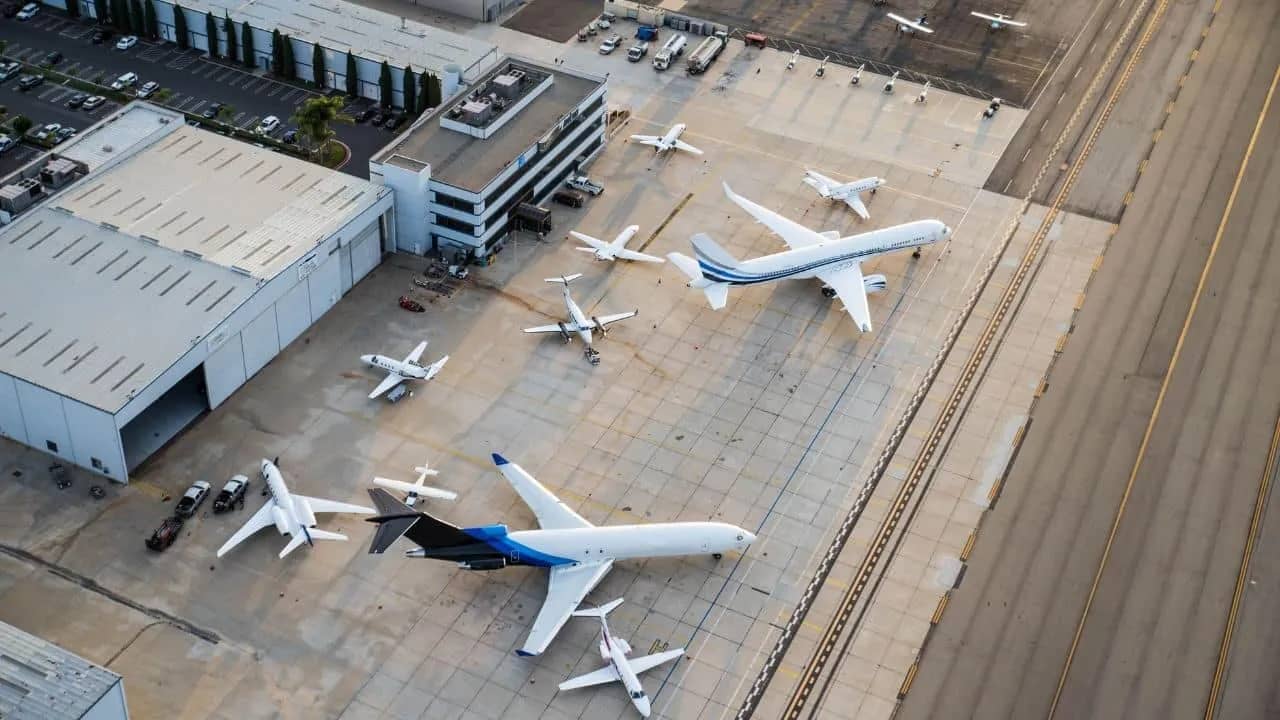
Aircraft leasing has become the dominant model for fleet expansion in modern aviation. According to IATA data, approximately 58% of commercial aircraft were leased by 2023, reflecting a fundamental shift in how airlines and operators approach fleet management.
Aircraft Leasing Inquiry - Non-Binding Form
Discuss your aircraft lease options with a specialist - response within 30 minutes.
This form is for verified aviation professionals and companies exploring Wet Lease (ACMI), Dry Lease, or Leaseback options.
Please use your company or work email address - personal (Gmail, Yahoo, etc.) emails will not be accepted. Our leasing team monitors all inquiries in real time and typically responds within 30 minutes.
For faster communication, you can also include your WhatsApp contact.
This financing strategy offers multiple advantages including rapid fleet scaling to meet seasonal demand or test new routes, capital preservation for operations and growth, operational flexibility to adjust fleet composition based on market conditions, and reduced upfront capital requirements compared to aircraft purchases.
From commercial airlines expanding international networks to flight schools managing training fleets, leasing arrangements serve diverse operational needs across the aviation sector.
What Is Aviation Leasing?

Aviation leasing is a contractual agreement where an aircraft owner (lessor) grants operational use of an aircraft to another party (lessee) for a specified period in exchange for regular payments. Rather than purchasing aircraft outright, operators can access the equipment they need while maintaining financial flexibility.
Why Choose Aircraft Leasing?
Financial Benefits: Aircraft leasing eliminates large upfront capital expenditure, converts fixed costs into manageable operational expenses, preserves credit lines for business expansion, and provides tax advantages in certain jurisdictions.
Operational Advantages: This financing model provides access to modern, fuel-efficient aircraft without ownership burden, flexibility to upgrade or downsize fleet based on market demand, reduced exposure to aircraft depreciation and resale risk, and faster deployment compared to aircraft acquisition processes.
Aircraft leasing serves everyone from major airlines managing hundreds of aircraft to private operators requiring a single business jet. The structure allows companies to focus resources on their core business rather than aircraft ownership.
Learn more about aircraft financing options and financing vs leasing comparisons.
Key Types of Aircraft Leasing
The aviation industry recognizes three primary leasing structures, each designed for specific operational requirements and business objectives.
What Is a Wet Lease (ACMI)?
A wet lease provides a complete operational package where the lessor furnishes the Aircraft, Crew (flight and cabin), Maintenance, and Insurance.
Key Characteristics: These arrangements typically span 1 to 18 months (short-term), with the lessor retaining full operational control throughout the lease period. The FAA requires written agreements for all wet lease arrangements, making them ideal for seasonal demand, route testing, and maintenance coverage.
The wet lease structure delivers significant benefits for operators requiring immediate capacity:
Advantages:
- Immediate operational capacity without infrastructure investment
- No crew management or maintenance responsibilities
- Turnkey solution for rapid deployment
However, operators should consider certain constraints before selecting this lease type:
Limitations:
- Higher cost due to comprehensive service package
- Limited operational control over procedures
- Less flexibility in crew scheduling
Common users include airlines needing temporary capacity and charter operators testing new markets.
What Is a Damp Lease?
The damp lease is an ACMI variation where the lessor provides aircraft and flight crew while the lessee provides cabin crew. This hybrid structure allows airlines to maintain brand consistency and customer service standards through their own cabin personnel while relying on the lessor for technical flight operations. Ideal for carriers wanting operational support with brand control.
What Is a Dry Lease (Operating Lease)?
A dry lease transfers operational control entirely to the lessee. The lessor provides only the aircraft itself.
Lessee Responsibilities: Under this arrangement, the lessee assumes complete responsibility for crew provision and management, complete maintenance programs, insurance coverage, and all operational costs.
Key Characteristics: Dry leases typically extend 6 to 12 years (long-term), require the lessee to hold an Air Operator Certificate (AOC), and grant complete lessee authority over operational control. This structure is best suited for airlines with established infrastructure.
This lease structure provides substantial operational benefits for qualified operators:
Advantages:
- Maximum operational autonomy
- Lower cost than wet leasing
- Seamless integration into existing operations
- Full control over procedures and standards
Operators must also account for the operational demands of this lease type:
Limitations:
- Requires established operational infrastructure
- Lessee bears all operational risks
- Demands regulatory compliance expertise
Dry leasing serves airlines and aircraft management companies with existing capabilities in crew management, maintenance oversight, and regulatory compliance.
What Is a Leaseback Agreement (Sale-Leaseback)?
A sale-leaseback involves an aircraft owner selling their asset to a leasing company, then immediately leasing it back for continued operational use.
How It Works: The process follows four steps where the owner sells the aircraft to a leasing company, the leasing company becomes the new owner, the original owner leases back the same aircraft, and operations continue without interruption.
Financial Benefits: This structure releases equity capital from the aircraft, reduces balance sheet debt, maintains operational access to familiar equipment, mitigates aircraft resale risk, and improves cash flow and working capital.
Common Users: Fixed-base operators (FBOs), flight training schools, charter companies, and corporate flight departments frequently employ this financing strategy.
This structure preserves operational continuity while enhancing financial flexibility for business growth.
Operational Control & FAA Compliance
Operational control is the exercise of authority over initiating, conducting, or terminating flight operations (14 CFR 1.1). This designation determines which party bears regulatory responsibility for flight safety and operational decisions.
Truth in Leasing Regulations
The FAA's "Truth in Leasing" regulations (Advisory Circular 91-37B) establish a three-tier evaluation framework consisting of written agreement review (contract terms and operational control designation), lessor-lessee relationship assessment (actual operational practices), and disguised arrangement investigation (verification of legitimate lease vs. illegal charter).
FAA Inspection Criteria
Inspectors examine specific operational elements including crew assignment authority (who selects and schedules pilots), fuel procurement responsibility (who purchases and pays for fuel), maintenance scheduling control (who authorizes and oversees maintenance), and regulatory compliance management (who ensures FAA compliance).
Compliance Requirements
All aircraft lease agreements must explicitly designate the operational control party, accurately reflect operational reality (not just contractual language), and demonstrate actual authority over operational decisions.
Enforcement
Violations can result in civil penalties, certificate suspension, and criminal prosecution. The FAA maintains strict enforcement to ensure flight safety and prevent disguised charter operations that misrepresent true operational control. Learn more about aviation attorneys who specialize in regulatory compliance.
Comparison Table: Wet vs Dry vs Leaseback
Aircraft Leasing Comparison Comparison: Wet Lease vs Dry Lease vs Leaseback
| Aspect | Wet Lease (ACMI) | Dry Lease (Operating) | Leaseback |
|---|---|---|---|
| Operational Control | Lessor | Lessee | Lessee (original owner) |
| Crew Provided | Yes (flight + cabin) | No | Depends on agreement |
| Maintenance & Insurance | Lessor | Lessee | Variable |
| Duration | Short-term (1–18 months) | Long-term (6–12 years) | Variable |
| Cost | Higher (includes services) | Lower (self-managed) | Cash-flow benefit |
| AOC Used | Lessor's | Lessee's | Lessee's |
| Ideal For | Temporary capacity, route testing | Fleet expansion | Financial liquidity |
Selecting the Right Lease Structure
The optimal leasing structure depends on several factors. Choose Wet Lease (ACMI) if you need immediate capacity without infrastructure, your duration is short-term (under 18 months), or you lack crew or maintenance capabilities. Choose Dry Lease if you have established operations and AOC, need long-term fleet expansion (6-12 years), or want maximum operational control. Choose Sale-Leaseback if you need to unlock aircraft equity, want to maintain operations with existing equipment, or seek improved cash flow and reduced debt.
Each lease type addresses specific business needs. Understanding operational control requirements, regulatory compliance obligations, and financial objectives enables informed decision-making. Consultation with aviation consultants and aviation finance experts ensures lease arrangements align with operational capabilities and regulatory requirements.
Ready to Navigate Aircraft Leasing?
The Flying Engineer connects aviation businesses with trusted industry partners across leasing, financing, charter, and management services. Whether you're exploring aircraft leasing options or seeking expert guidance, our platform provides access to qualified aviation professionals worldwide.