Industry
African Development Bank Backs Ethiopia's Bishoftu Airport With $500 Million
The African Development Bank committed $500 million and agreed to lead financing for Bishoftu International Airport, a planned 60 to 110 million passenger hub near Addis Ababa.
Updated 3 min read
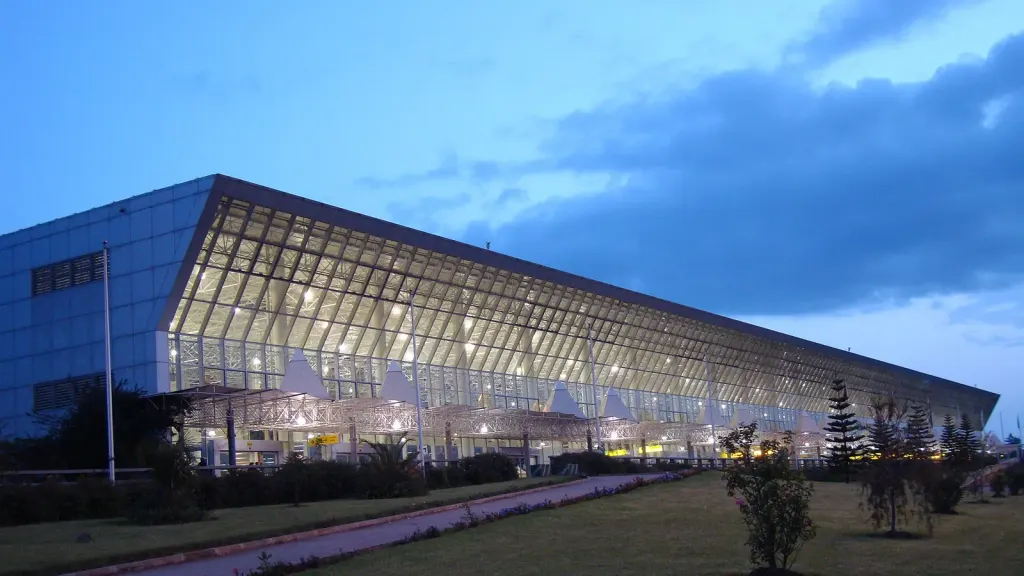
Bishoftu International Airport is a planned mega-airport about 40 to 45 km from Addis Ababa, being built by Ethiopian Airlines Group to replace Bole International as the country's main international gateway. In March 2025 the African Development Bank (AfDB) signed a mandate letter to lead the financing. This guide explains the deal, the airport's design capacity and why Ethiopia is building it.
The AfDB deal
The mandate letter was signed in Addis Ababa by AfDB President Akinwumi Adesina and Ethiopian Airlines Group's Chief Commercial Officer, Lemma Yadecha, as reported by Travel News. Under it, the AfDB acts as mandated lead arranger, global coordinator and bookrunner. The bank committed $500 million of its own money, subject to board approval, and will lead the effort to raise the rest from other lenders.
Reports at the time put the project cost at roughly $8 billion to $10 billion, depending on the source, with the AfDB tasked with mobilising close to $8 billion. Check the latest figures from Ethiopian Airlines before quoting a single number.
What is being built
- Location: a greenfield site near Bishoftu, southeast of Addis Ababa.
- First phase: capacity for 60 million passengers a year.
- Full build-out: up to 110 million passengers a year.
- Cargo: about 3.73 million tonnes a year at full capacity, according to FASI.
- Timing: Air Cargo Week reported that earthworks started in January 2026. The first phase is scheduled for completion around November 2029, while earlier statements pointed to 2030.
Why Bole is not enough
Bole International Airport has been running close to its design limit of about 25 million passengers a year. Ethiopian Airlines is Africa's largest carrier and uses Addis Ababa as a transfer hub between Africa, Europe, the Middle East and Asia. Growth there is limited by terminal space, not by demand. A second, much larger airport lets the airline keep adding connections.
The airline's results show the pressure. In the fiscal year before the deal, Ethiopian reported record revenue of about $7.6 billion and 19.1 million passengers, of which 15.2 million were international and 3.9 million domestic.
The government's ambition
Ethiopia's Finance Minister, Ahmed Shide, said the aim is to place Ethiopia among the world's top 20 aviation hubs by 2035. AfDB President Adesina called Ethiopian Airlines indispensable for connecting capitals, people and markets across Africa.
What it means for the aviation industry
An airport of this size creates demand for many kinds of companies: airport operators and designers, ground handling providers, cargo and logistics firms, air traffic control system suppliers and maintenance providers. Ethiopian Airlines already runs its own maintenance business, listed here as Ethiopian MRO Services.
The main risk is financing. Raising several billion dollars from international lenders depends on interest rates, the airline's credit standing and Ethiopia's wider debt position. The AfDB's lead role is meant to give other lenders confidence.
How a mega-airport gets financed
Projects of this scale are rarely paid for by one lender. The usual structure is a syndicated financing: a lead bank, here the AfDB, is mandated to arrange the deal, set the terms and invite other banks, export credit agencies and development finance institutions to take a share. The AfDB's own $500 million acts as a signal to other lenders that a development bank has reviewed the project. A mandate letter is the first formal step. It authorises the bank to start raising money, but it does not mean the funds have been secured.
The airline, not the government alone, is the main sponsor. Ethiopian Airlines Group is state-owned, and the airport's revenues from passenger charges, cargo and rents are what lenders will look at to judge whether the debt can be repaid.
What to watch next
- The share of funding confirmed from other banks and institutions.
- Contract awards for design, terminals, runways and air traffic systems.
- Progress on the first runway and terminal against the 2029 target.
- Any change to the total cost, which is common on projects of this size.
Frequently asked questions
Is the AfDB paying for the whole airport?
No. It committed $500 million and is leading the search for the rest of the funding.
Will Bole airport close?
Coverage describes Bishoftu as the main international and cargo hub. What happens to Bole has not been fixed in the sources we found, so treat any claim about it as provisional.
When will it open?
The first phase is scheduled for around the end of 2029, according to the most recent reporting we found.

About the author
Radu Balas
Founder, Flying Engineer
View author profile Editorial policy and corrections