
What Is ETOPS? Explained Simply for Non-Pilots
Radu BalasPublished Updated 10 min read

If you've ever wondered how twin-engine aircraft fly across vast oceans, ETOPS is the answer. This certification system enables modern two-engine planes to safely operate routes that were once exclusive to four-engine giants like the Boeing 747 and Airbus A380.
ETOPS stands for Extended Operations and represents one of aviation's most significant safety advances. The system ensures twin-engine aircraft maintain the same safety standards as larger planes when flying hours away from the nearest airport.
This guide explains ETOPS in simple terms: what it means, why it exists, how it works, and why flying over oceans on twin-engine jets is actually very safe. No pilot jargon required.
What Does ETOPS Stand For?
ETOPS originally stood for "Extended-range Twin-engine Operational Performance Standards." Today, regulators use the broader term "Extended Operations" since the principles now apply beyond just twin-engine aircraft.

The name changed because modern aviation needed flexibility. While ETOPS primarily governs twin-engine planes, the operational framework extends to certain three-engine configurations and special flight scenarios.
Key terminology:
- Extended Operations: Flights more than 60 minutes from suitable diversion airports
- Diversion airport: Alternate landing site if emergency occurs
- Single-engine performance: Aircraft capability flying on one engine
- Time-based rules: Certification measured in minutes, not distance
The term "ETOPS" stuck in aviation culture despite the official name change. Pilots, engineers, and airlines continue using ETOPS because everyone understands what it means.
Why ETOPS Was Introduced
Early twin-engine jets faced strict operational restrictions. Regulators worried about engine reliability over oceans and remote areas. If one engine failed, could the aircraft reach land safely?
Historical concerns:
1950s-1970s engine technology: Jet engines experienced relatively frequent failures. Airlines couldn't risk twin-engine planes flying hours from diversion airports. Regulations required twin-engine aircraft stay within 60 minutes of suitable landing sites.
Geographic limitations: This 60-minute rule prevented twin-engine jets from flying: Transatlantic routes (North America to Europe), transpacific crossings (Asia to Americas), polar routes (over Arctic/Antarctic), and remote oceanic paths (South Pacific, Indian Ocean).
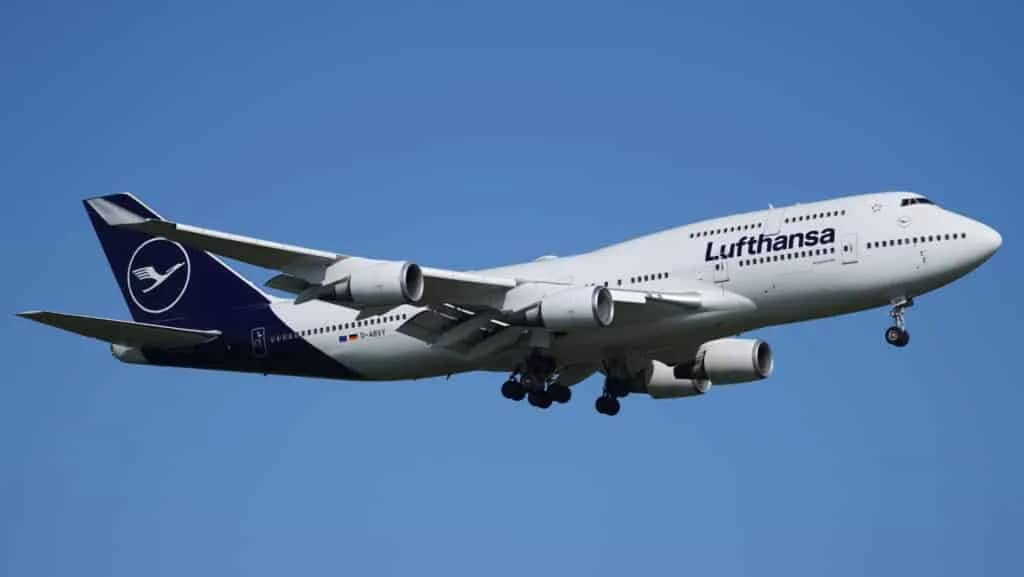
Four-engine dominance: Boeing 747, Douglas DC-8, and later Airbus A340 dominated long-haul routes. These aircraft could lose one or even two engines and still fly safely to airports. Redundancy justified their oceanic operations.
Economic pressure: Airlines wanted more efficient twin-engine jets for long routes. Four-engine planes burned more fuel, cost more to maintain, and required larger crews. The industry needed regulatory evolution to match improving technology.
How ETOPS Works (Simple Explanation)
ETOPS certification defines how far twin-engine aircraft can fly from diversion airports. The system uses time-based limits measured in minutes.
Common ETOPS ratings:
ETOPS-120: Aircraft approved to fly 120 minutes from nearest diversion airport. Suitable for many Atlantic crossings and shorter oceanic routes. Most common certification for medium-range operations.
ETOPS-180: Aircraft approved for 180 minutes (3 hours) from diversion airports. Enables most transatlantic and transpacific routes. Standard certification for modern long-haul twins like Boeing 787 and Airbus A330.
ETOPS-240: Aircraft approved for 240 minutes (4 hours) from airports. Allows longer Pacific crossings and remote routes. Requires enhanced systems and maintenance standards.
ETOPS-330: Aircraft approved for 330 minutes (5.5 hours) from diversion points. Enables polar routes and extremely remote crossings. Highest standard requiring exceptional aircraft reliability and airline operational excellence.
Why time, not distance?
Aircraft speeds vary significantly. Measuring in time provides consistent safety standards. An aircraft flying 500 mph covers different distance in 180 minutes than one flying 450 mph. Time-based limits ensure all aircraft maintain equivalent safety margins.
Practical example: ETOPS-180 aircraft flying at 500 mph can operate up to 1,500 nautical miles from diversion airports. Same ETOPS-180 aircraft at 450 mph restricted to 1,350 nautical miles. Time remains constant regardless of speed variations.
ETOPS Certification Explained
Obtaining ETOPS certification requires multiple approval levels. Both aircraft and airlines must demonstrate exceptional safety standards.
Aircraft Certification
Manufacturers must prove aircraft meet stringent reliability requirements. FAA and EASA (European Union Aviation Safety Agency) review: engine reliability data, system redundancy, electrical power backup, fire suppression capabilities, and single-engine performance characteristics.
Testing requirements: Thousands of flight hours demonstrating system reliability. Extended twin-engine operations proving single-engine capability. Environmental testing across temperature extremes. Simulated emergency scenarios validating redundant systems.
Airline Operational Approval
Airlines cannot simply purchase ETOPS-certified aircraft and begin long-range flights. Operators must earn separate ETOPS approval demonstrating: operational experience with aircraft type, proven maintenance program reliability, crew training and competency, and dispatch reliability standards.
Dispatch reliability: Airlines must maintain exceptional on-time performance with minimal technical delays. Regulators track cancellations due to mechanical issues, delays from system failures, and engine shutdown rates. Poor reliability prevents ETOPS approval.
Maintenance Standards
ETOPS maintenance exceeds normal requirements. Airlines must implement: enhanced engine monitoring programs, more frequent inspections than standard schedules, stricter replacement criteria for critical components, dedicated ETOPS maintenance personnel, and detailed record-keeping systems.
Continuous monitoring: Maintenance engineers track engine performance data from every flight. Any anomalies trigger immediate investigation. Trending analysis identifies potential issues before failures occur.
Crew Training Requirements
Pilots flying ETOPS routes complete specialized training programs covering: single-engine operations over oceans, diversion decision-making, long-range navigation procedures, polar operations (if applicable), and emergency equipment usage.
Recurrent training: Crews repeat ETOPS training annually. Simulator sessions practice engine failures over oceans, navigation system failures, and diversion scenarios. Proficiency checks verify skill maintenance.
Which Aircraft Require ETOPS?
Twin-engine aircraft flying extended routes need ETOPS certification. This includes most modern commercial jets operating oceanic and remote flights.
Widebody Twin-Engine Aircraft
Boeing 787 Dreamliner: Certified up to ETOPS-330 enabling worldwide route flexibility. Operates transatlantic, transpacific, and polar routes routinely. Advanced engine monitoring and system redundancy support highest ETOPS ratings.

Boeing 777: Long-established ETOPS leader certified to ETOPS-330. Proven reliability over decades of service. Operates longest routes including ultra-long-haul sectors exceeding 16 hours.

Airbus A350: Modern widebody certified ETOPS-370 (exceptional 6+ hours from diversion). Latest technology enables unprecedented route flexibility. Advanced systems and engine reliability support extended operations.
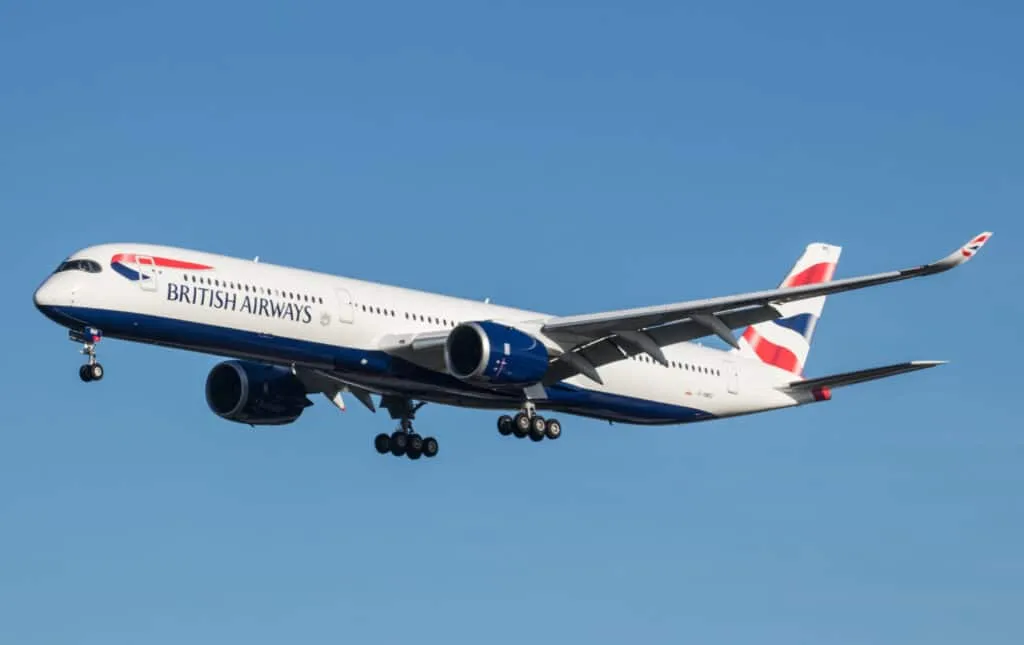
Airbus A330: Workhorse of transatlantic routes certified ETOPS-240 typically. Mature platform with excellent reliability record. Operates countless oceanic crossings daily.

Narrowbody Twin-Engine Aircraft
Boeing 737 MAX: Certified ETOPS-180 for extended narrowbody operations. Enables transatlantic routes from East Coast to Western Europe. Opening new route possibilities for smaller twin-engine jets.

Airbus A321XLR: Extra Long Range variant certified ETOPS-180 minimum. Designed specifically for thin long-haul routes. Connects city pairs previously requiring larger aircraft.

Airbus A320 family: Standard versions certified ETOPS-180 when operating extended overwater routes. Common on transatlantic and transpacific sectors within range limitations.

Aircraft NOT Requiring ETOPS
Four-engine aircraft exempt from ETOPS rules: Boeing 747, Airbus A380, Airbus A340, and Boeing MD-11. These planes possess inherent redundancy through additional engines. Losing one or even two engines still allows safe flight.
Three-engine aircraft: Boeing 777, MD-11 (three-engine variant) generally exempt. Engine-out capability provides sufficient redundancy for oceanic operations without ETOPS restrictions.
ETOPS Routes Explained
ETOPS certification enables specific route types previously impossible for twin-engine aircraft.
Oceanic Routes
Transatlantic crossings: New York to London, Los Angeles to Tokyo, Miami to São Paulo. Most common ETOPS operations. Thousands of daily flights over Atlantic and Pacific oceans. ETOPS-180 sufficient for most routes with strategic diversion airports.
Mid-ocean diversion points: Azores, Iceland, Newfoundland, Hawaii, and Aleutian Islands serve as critical alternate airports. Enable twin-engine jets to cross oceans safely. Infrastructure supports emergency landings if required.
Polar Routes
Arctic crossings: North America to Asia over North Pole. Europe to West Coast over Arctic. ETOPS-330 typically required due to extreme remoteness and limited diversion options.
Special considerations: Extreme cold affects aircraft performance and systems. Limited airport infrastructure in Arctic regions. Weather monitoring more critical than standard routes. Emergency equipment must function in sub-zero temperatures.
Remote Landmass Routes
Australia to South America: Crosses vast Pacific with minimal diversion airports. Requires ETOPS-240 or higher. Few islands provide suitable emergency landing sites.
Africa interior crossings: Routes over Sahara Desert and Central Africa. Limited airport infrastructure despite overland routing. ETOPS rules apply due to sparse suitable diversion facilities.
ETOPS vs Four-Engine Aircraft
Why don't four-engine planes need ETOPS? The answer lies in engine redundancy.
Four-engine safety margins: Aircraft with four engines can lose one engine and maintain normal operations. Losing two engines (50% power) still allows safe flight to airports. Statistical probability of losing three engines essentially zero. Inherent redundancy eliminates need for ETOPS restrictions.
Historical context: Four-engine jets dominated before modern engine reliability improved. Boeing 747 and Douglas DC-8 operated oceanic routes without operational restrictions. Engine count provided safety buffer regulators required.
Why twins dominate today:
Fuel efficiency: Two engines burn 25-40% less fuel than four engines. Operational cost savings significant on long routes. Environmental benefits align with industry sustainability goals.
Maintenance costs: Half the engines means reduced maintenance expenses. Fewer components to inspect, service, and replace. Labor costs decrease proportionally.
Engine reliability improvements: Modern engines demonstrate failure rates below 1 per 100,000 flight hours. Probability of dual engine failure on ETOPS flight approximately 1 in 1 billion. Reliability matches or exceeds four-engine configurations.
Route flexibility: Twin-engine aircraft serve thin routes unprofitable for larger planes. Right-sized capacity improves airline economics. Frequency advantages over less-frequent larger aircraft.
Is ETOPS Safe?
Yes. ETOPS operations maintain exceptional safety records. Modern twin-engine aircraft flying ETOPS routes demonstrate safety levels matching or exceeding four-engine jets.
Engine Reliability Data
Modern turbofan engines incredibly reliable: In-flight shutdown rate: less than 1 per 100,000 engine hours. Dual engine failure probability: approximately 1 in 1 billion flights. Planned maintenance prevents most potential failures. Continuous monitoring detects anomalies early.
Comparison: You're significantly more likely to experience other flight issues (weather delays, minor system failures) than engine problems. Dual engine failure remains extraordinarily rare.
System Redundancy
ETOPS aircraft feature multiple backup systems:
- Electrical power: Multiple generators, battery backup, ram air turbine (emergency power from airstream)
- Hydraulic systems: Independent circuits, electric backup pumps, manual reversion capabilities
- Navigation: Triple redundant systems, satellite backup, inertial reference systems
- Communication: Multiple radio systems, satellite communication, emergency locator beacons
Even with complete engine failure, aircraft maintain power and control through backup systems. Pilots can navigate and communicate throughout emergency descent.
Real-World Safety Record
Decades of ETOPS operations demonstrate safety: Millions of successful ETOPS flights annually. Zero fatalities attributed to ETOPS engine failures. Incidents involving engine issues resolve safely through diversion procedures.
Statistical comparison: ETOPS twin-engine flights show accident rates comparable to four-engine aircraft. Safety improvements continue as technology advances. Regulatory oversight ensures standards remain stringent.
Common Myths About ETOPS
Several misconceptions persist about ETOPS operations. Let's address the most common myths:
Myth: "ETOPS Means Engines Turn Or Passengers Swim"
False. This humorous acronym misrepresents ETOPS safety. Pilots never face "turn or swim" scenarios. Multiple diversion airports exist along ETOPS routes. Aircraft can fly hundreds of miles on single engine to reach alternate airports. Emergency procedures well-established and practiced.
Myth: "Twin Engines Are Inherently Unsafe Over Oceans"
False. Modern twin-engine reliability exceeds older four-engine aircraft. Engine failure rates decreased 99% since 1960s. ETOPS certification ensures only most reliable aircraft operate extended routes. Maintenance standards exceed normal requirements.
Myth: "ETOPS Allows Airlines to Skip Safety Measures"
False. ETOPS imposes additional safety requirements beyond standard operations. Enhanced maintenance programs, stricter inspection schedules, specialized crew training, and continuous reliability monitoring. Airlines must maintain exceptional operational standards to retain ETOPS approval.
Myth: "Four-Engine Planes Are Always Safer"
False. While four engines provide redundancy, modern twin-engine aircraft match safety levels. Additional engines mean more potential failure points. Statistical data shows comparable safety records. Newer twin-engine technology often surpasses older four-engine designs.
Myth: "Pilots Worry Constantly About ETOPS"
False. Professional pilots trust ETOPS systems and procedures. Training provides confidence in single-engine capability. Monitoring systems alert to potential issues before they become problems. Routine nature of ETOPS operations demonstrates pilot confidence.
Frequently Asked Questions
What is ETOPS in aviation?
ETOPS (Extended Operations) certifies twin-engine aircraft for flights beyond 60 minutes from diversion airports. System ensures twins match four-engine safety standards on oceanic and remote routes.
Is ETOPS safe?
Yes, extremely safe. Modern engines fail less than once per 100,000 hours. Dual failure probability approximately 1 in 1 billion. Decades of operations show excellent safety records.
Why do twin-engine planes fly over oceans?
Modern engine reliability makes twin-engine operations safe. ETOPS certification ensures aircraft meet stringent standards. Fuel efficiency and economics favor twins over larger four-engine jets.
What does ETOPS-180 mean?
Aircraft certified to fly 180 minutes from nearest diversion airport. Enables most transatlantic routes. Standard certification for modern long-haul twins like Boeing 787.
Do pilots worry about ETOPS?
No, pilots trust ETOPS systems and training. Single-engine capability well-proven. Monitoring systems detect issues early. Routine operations demonstrate confidence in safety standards.
Which aircraft have the highest ETOPS rating?
Airbus A350 certified ETOPS-370 (over 6 hours). Boeing 787 and 777 certified ETOPS-330 (5.5 hours). These ratings enable virtually any route worldwide.
Can ETOPS aircraft fly anywhere?
Nearly. Highest ratings (ETOPS-330/370) permit polar routes and remote crossings. Few geographic restrictions remain for properly certified aircraft and operators.
What happens if both engines fail on ETOPS flight?
Extremely unlikely (1 in billion probability). Aircraft glides to diversion airport or ditches safely. Ram air turbine provides emergency power. Multiple backup systems maintain control throughout.
Conclusion: ETOPS Enables Modern Aviation
ETOPS represents aviation's successful balance between safety and efficiency. The system enables twin-engine aircraft to operate routes once exclusive to larger, less efficient planes.
Decades of safe operations prove the concept works. Modern engine reliability, enhanced maintenance standards, and rigorous pilot training create safety levels matching any aircraft configuration. Millions of passengers fly ETOPS routes daily without incident.
Key takeaways: ETOPS certification ensures twin-engine aircraft meet highest safety standards. Time-based limits maintain consistent safety margins. Modern engines demonstrate exceptional reliability. Airlines must earn and maintain ETOPS approval through operational excellence.
Next time you board a twin-engine jet for an oceanic crossing, you can fly confidently knowing comprehensive safety systems protect your journey. ETOPS doesn't compromise safety—it extends proven safety standards to more efficient aircraft operations.