Boeing 747 vs A380: Which Jet Is More Fuel-Efficient in 2025?
 Radu BalasPublished 8 min read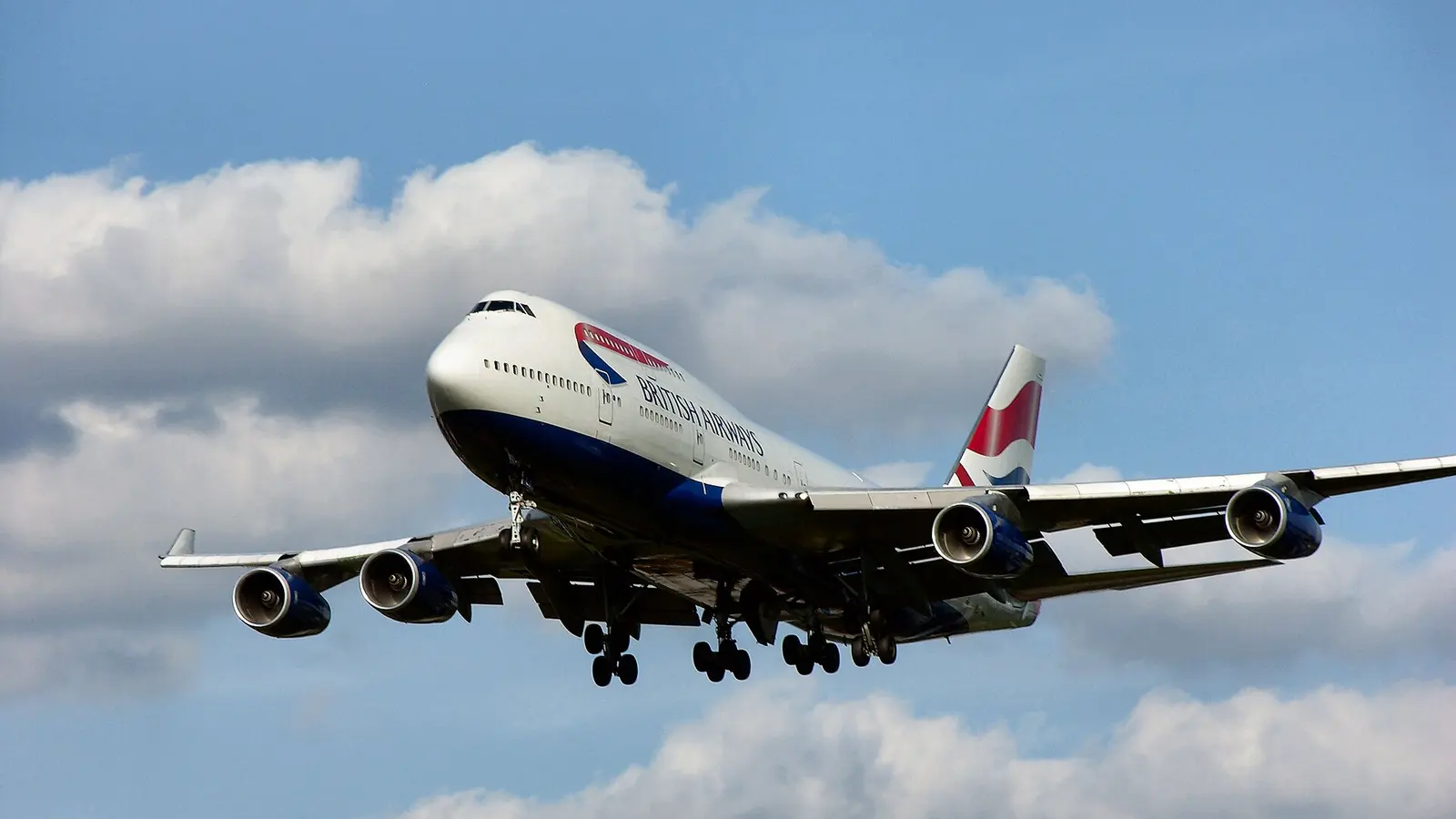
The battle between Boeing's 747 and Airbus' A380 has defined widebody aviation for decades.
Both four-engine giants revolutionized long-haul travel, carrying hundreds of passengers across continents.
But in an era where fuel efficiency determines profitability, which jumbo jet actually burns less fuel per passenger?
This comprehensive analysis examines fuel consumption data, seat-mile economics, CO₂ emissions, and operating costs to determine the winner in 2025.
Why Fuel Efficiency Matters for Large Long-Haul Jets in 2025
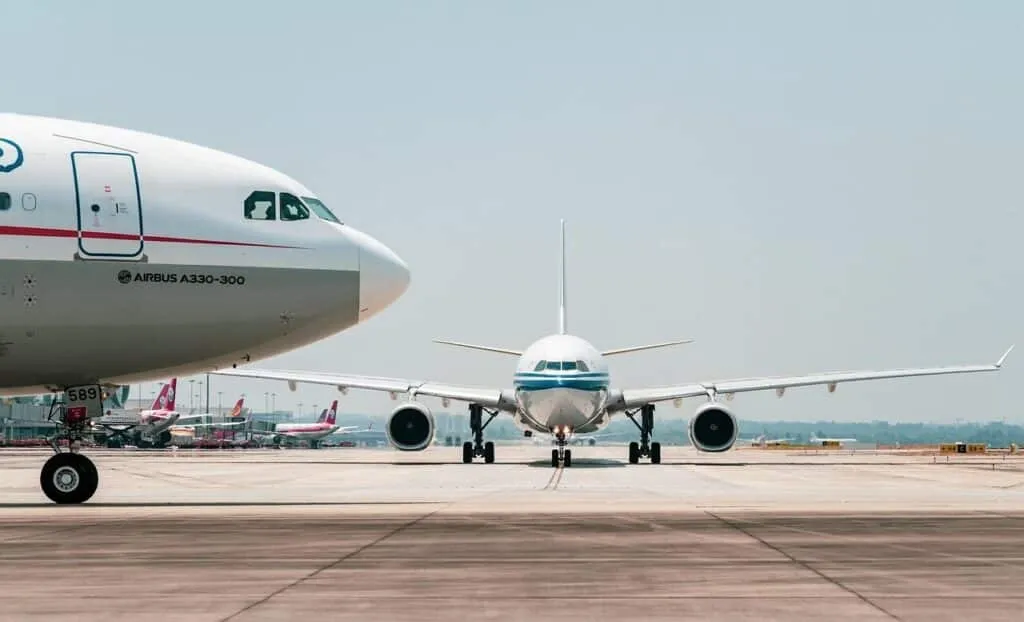
Fuel represents 30-40% of total operating costs for long-haul airlines.
With jet fuel prices volatile and environmental regulations tightening, every kilogram of fuel matters.
ICAO's CORSIA (Carbon Offsetting and Reduction Scheme for International Aviation) requires airlines to offset emissions above 2019 levels.
IATA projects that sustainable aviation fuel (SAF) adoption will accelerate, but efficiency remains the fastest path to reduced emissions.
Four-engine aircraft face intense scrutiny as twin-engine jets like the Boeing 787 and Airbus A350 dominate new orders.
Understanding the 747 vs A380 fuel efficiency comparison reveals whether these iconic aircraft still have an economic future.
Boeing 747 Fuel Efficiency in 2025
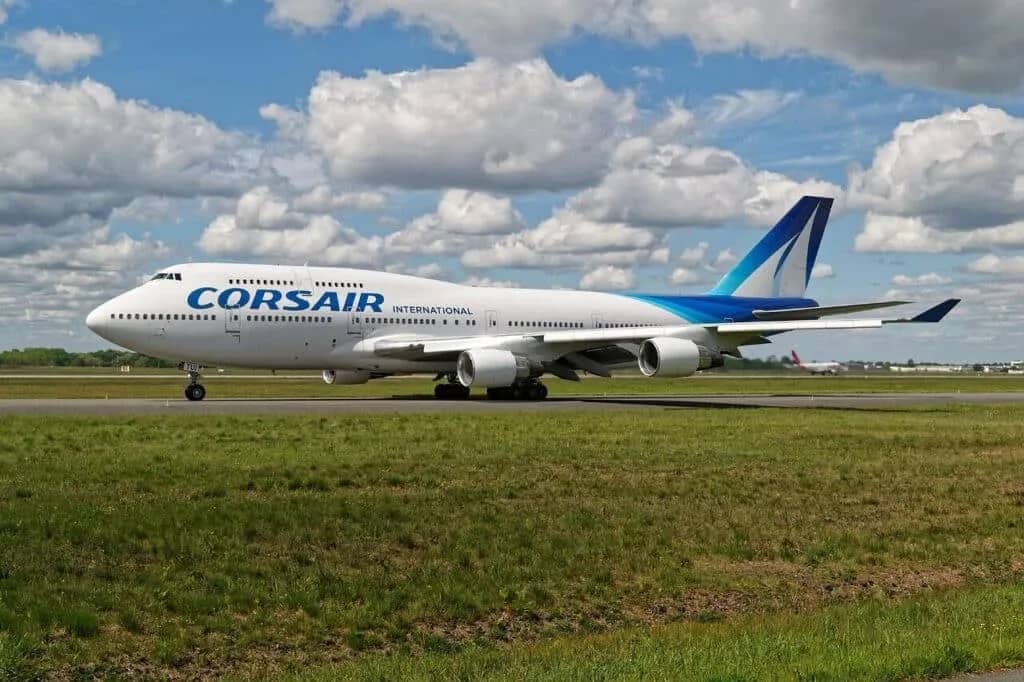
Fuel Burn per Hour (747-400 vs 747-8)
| Aircraft Model | Fuel Burn (kg/hour) | Fuel Burn (gallons/hour) | Engine Options |
|---|---|---|---|
| Boeing 747-400 | 10,000-11,000 | 3,500-3,800 | PW4056, RB211-524G/H, CF6-80C2B1F |
| Boeing 747-8 | 10,000-12,000 | 3,500-4,200 | GEnx-2B67 |
The Boeing 747-8 burns approximately 10,000-12,000 kg per hour during cruise, depending on weight and flight conditions.
At heavy weights (450 tonnes), fuel consumption reaches 12 tonnes per hour.
At medium weights (375 tonnes), consumption drops to 10 tonnes per hour.
At lighter weights (300 tonnes), it burns approximately 8 tonnes per hour.
The GEnx-2B67 engines on the 747-8 provide significant efficiency improvements over older 747-400 powerplants.
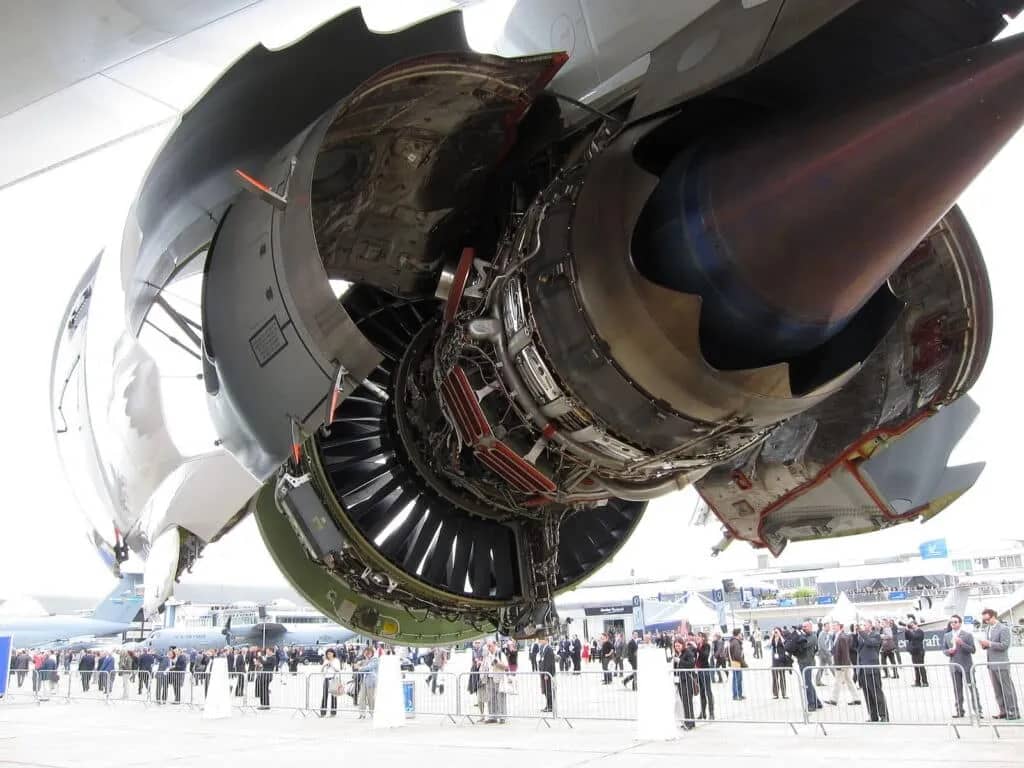
These engines incorporate technology from Boeing's 787 Dreamliner program, delivering approximately 15-20% better fuel efficiency than previous-generation engines.
The 747-8's redesigned wing features a 4.1-meter longer wingspan and deeper wing section compared to the 747-400.
This improved aerodynamics reduces drag and enhances fuel efficiency, particularly during cruise flight.
Seat-Mile Efficiency of the Boeing 747
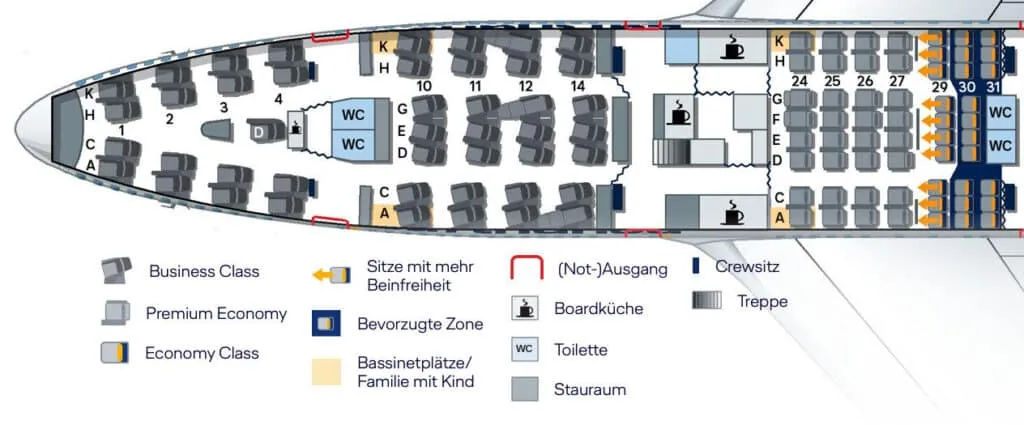
Seat configurations vary significantly:
- 747-8 Intercontinental: 410-467 seats (typical 3-class)
- 747-400: 416-524 seats (depending on configuration)
Lufthansa's 747-8 operates with approximately 364 seats in a premium-heavy configuration.
The aircraft achieves roughly 0.027 kg fuel per seat per kilometer on long-haul routes.
This translates to approximately 2.7 liters per 100 km per passenger under optimal conditions.
On a typical transatlantic route (6,000 km), the 747-8 consumes approximately 60,000-70,000 kg total fuel.
With 400 passengers, this equals 150-175 kg per passenger for the entire journey.
Understanding aircraft depreciation helps explain why airlines continue operating older 747-400s despite higher fuel consumption.
Airbus A380 Fuel Efficiency in 2025
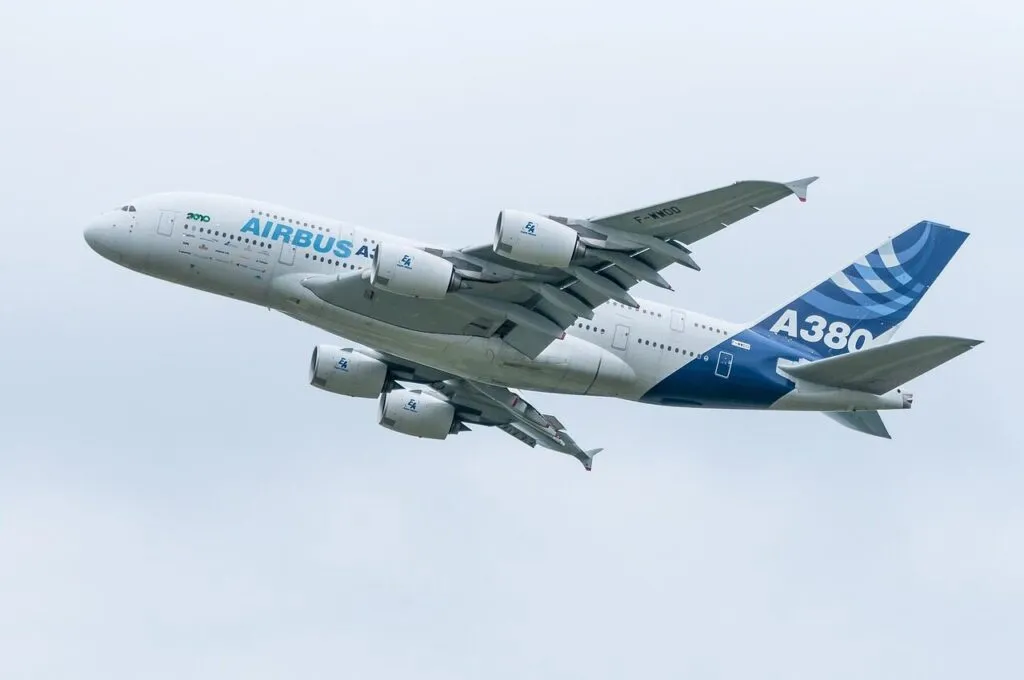
Fuel Burn per Hour (Trent 900 vs GP7200 Engines)
| Engine Type | Fuel Burn (kg/hour) | Fuel Burn (gallons/hour) | Operators |
|---|---|---|---|
| Rolls-Royce Trent 900 | 12,000 | 4,600 | Singapore Airlines, Qantas, British Airways |
| Engine Alliance GP7200 | 12,000 | 4,600 | Emirates, Air France, Korean Air |
The Airbus A380 burns approximately 12,000 kg per hour (12 tonnes per hour) during cruise flight.
This equals roughly 200 kg per minute or 3.3 kg per second.
In gallons, the A380 consumes approximately 4,600 gallons per hour (17,400 liters per hour).
Both engine options—the Rolls-Royce Trent 900 and Engine Alliance GP7200—deliver similar fuel consumption figures.
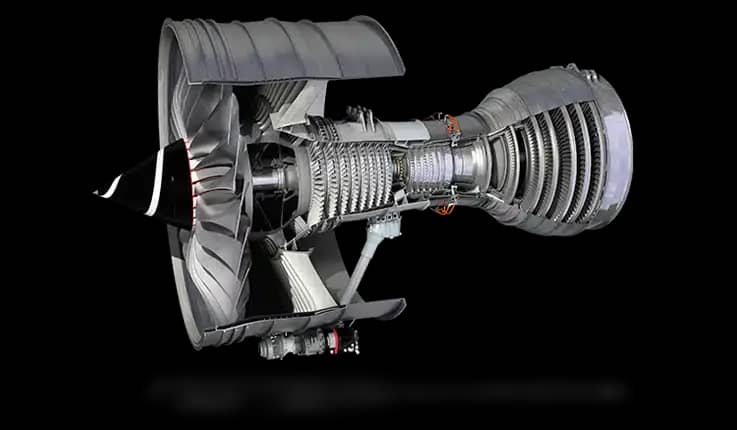
The Trent 900 was the first engine to use artificial intelligence in compressor design optimization.
Emirates operates the world's largest A380 fleet with over 116 aircraft, predominantly powered by GP7200 engines.
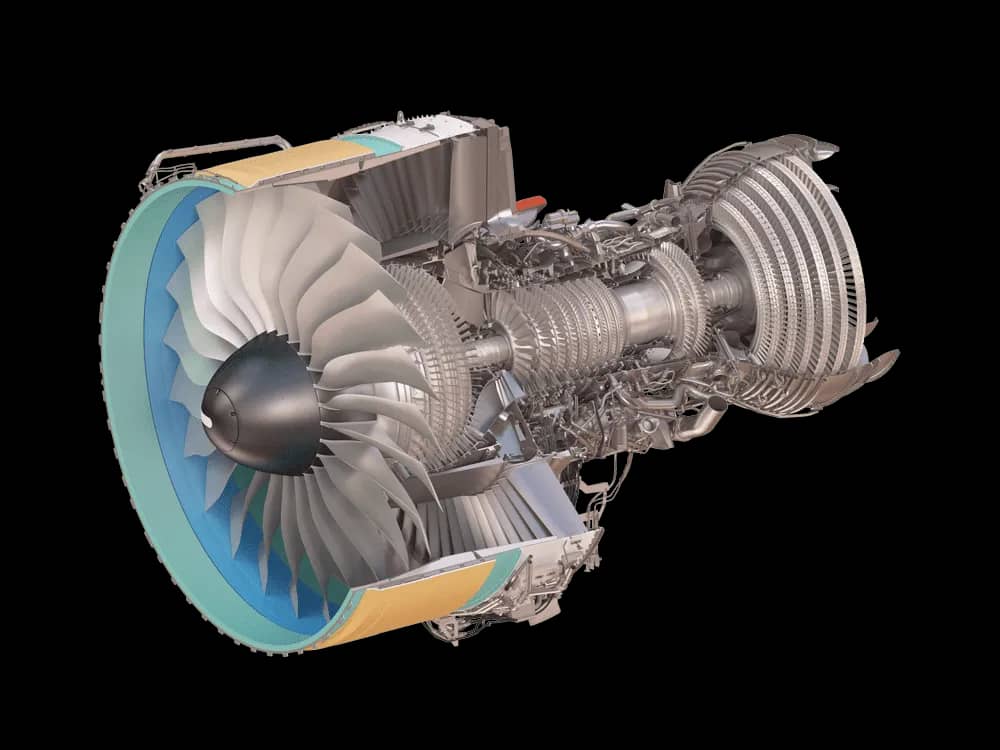
The A380's supercritical wing design with a 79.8-meter wingspan reduces drag at cruising speeds.
Approximately 25% composite materials (including carbon fiber-reinforced plastics) reduce weight and improve efficiency.
Commercial aviation insurance costs remain higher for A380 operations due to the aircraft's size and limited market for parts.
Seat-Mile Efficiency of the Airbus A380
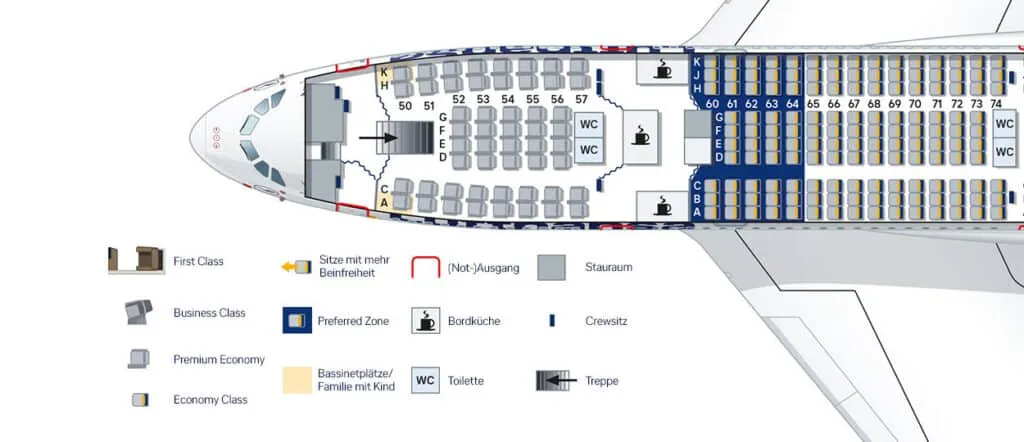
Seat configurations vary dramatically:
- Emirates high-density: 615 seats (2-class)
- Emirates standard: 517 seats (3-class)
- Singapore Airlines: 441 seats (4-class with suites)
- British Airways: 469 seats (4-class)
Airbus claims the A380 achieves less than 3 liters per 100 passenger-kilometers.
This translates to approximately 0.75 gallons per 100 passenger-miles.
With a 525-seat configuration, the A380 achieves approximately 2.5-2.7 liters per 100 km per passenger under optimal conditions.
On Emirates' Dubai-London route (5,500 km), the A380 burns approximately 66,000 kg total fuel.
With 500 passengers, this equals 132 kg per passenger for the entire journey.
The A380's fuel efficiency per seat improves dramatically with higher load factors.
Understanding aircraft leasing structures explains why airlines like Emirates committed heavily to A380 ownership rather than leasing.
747 vs A380: Direct Comparison of Fuel Consumption
| Metric | Boeing 747-8 | Airbus A380 |
|---|---|---|
| Fuel Burn (kg/hr cruise) | 10,000-12,000 | 12,000 |
| Typical Seats (3-class) | 410-467 | 490-525 |
| Fuel per Seat (kg/hr) | 24-27 | 23-24 |
| Fuel Capacity (liters) | 238,610 | 320,000 |
| Range (km) | 14,815 | 14,800 |
| MTOW (kg) | 447,700 | 575,000 |
| Engines | 4 × GEnx-2B67 | 4 × Trent 900 / GP7200 |
Key Findings:
The A380 burns approximately 8-17% more total fuel per hour than the 747-8.
However, the A380 carries 15-25% more passengers in comparable configurations.
On a per-seat basis, the A380 achieves marginally better fuel efficiency—approximately 2-3% lower fuel consumption per seat.
The 747-8 benefits from newer engine technology (GEnx vs Trent 900/GP7200), but the A380's larger capacity compensates.
Load factor critically impacts economics:
- At 70% load factor: 747-8 and A380 perform similarly per passenger
- At 85%+ load factor: A380 gains advantage due to higher absolute capacity
- At 95%+ load factor: A380 delivers best seat-mile costs
Understanding CASM (Cost per Available Seat Mile) helps explain why Emirates prefers A380s while Lufthansa operates 747-8s.
Operational Flexibility:
The 747-8's lower capacity (410-467 seats) provides flexibility on routes with moderate demand.
The A380's higher capacity (490-615 seats) requires consistently high load factors to maximize efficiency.
This explains why the A380 thrives on slot-constrained, high-demand routes like Dubai-London and Dubai-Bangkok.
For airlines requiring cargo capacity, the 747-8 Freighter offers superior belly hold volume compared to passenger A380s.
Environmental Impact: CO₂ Emissions and SAF Compatibility
Carbon Dioxide Emissions Comparison
| Aircraft | CO₂ per Hour (kg) | CO₂ per Seat/Hour (kg) | CO₂ per Passenger (6,000 km) |
|---|---|---|---|
| Boeing 747-8 | 31,500-37,800 | 75-85 | ~470 kg |
| Airbus A380 | 37,800 | 72-77 | ~420 kg |
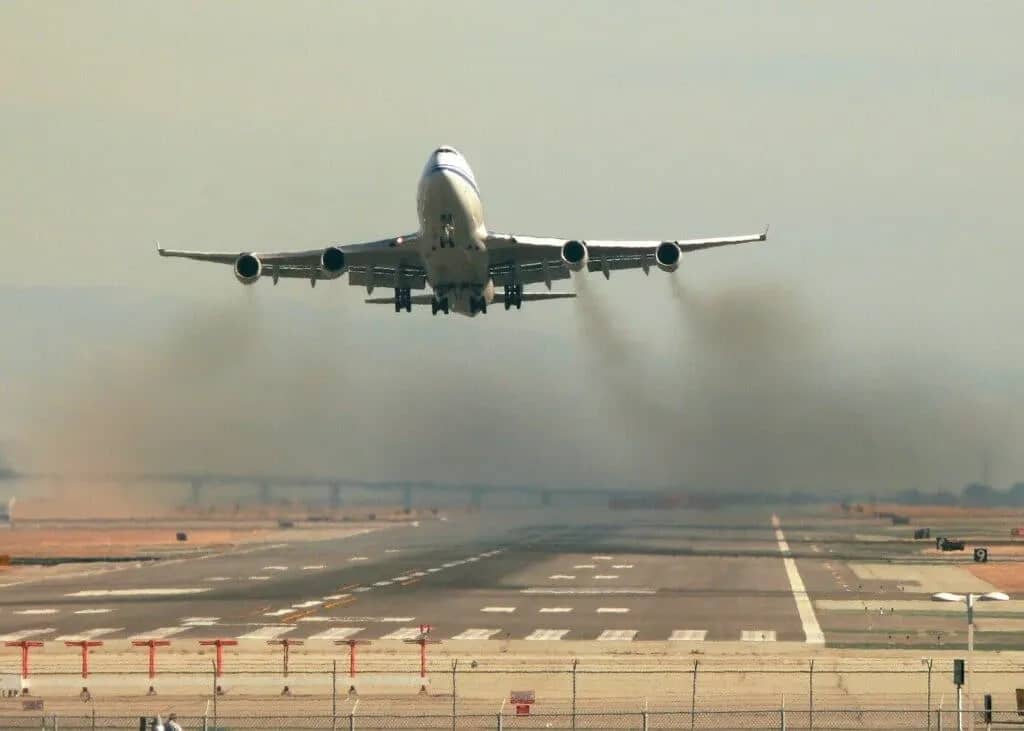
Jet fuel combustion produces approximately 3.15 kg of CO₂ per kg of fuel burned.
The 747-8 produces 31,500-37,800 kg of CO₂ per hour depending on weight and cruise conditions.
The A380 produces approximately 37,800 kg of CO₂ per hour during cruise.
On a per-passenger basis, both aircraft emit 400-500 kg of CO₂ on a typical 6,000 km flight.
This compares to approximately 250-300 kg per passenger on modern twin-engine jets like the Boeing 787 or Airbus A350.
Sustainable Aviation Fuel (SAF) Compatibility
Both the 747-8 and A380 are certified to operate on SAF blends up to 50% with conventional jet fuel.
SAF can reduce lifecycle CO₂ emissions by up to 80% compared to traditional kerosene.
However, SAF currently costs 2-4 times more than conventional jet fuel, limiting widespread adoption.
Sustainable aviation fuel initiatives are accelerating, with mandates requiring 2% SAF blending in UK airports by 2025.
Future challenges:
Four-engine aircraft face higher absolute fuel consumption, making SAF costs prohibitive compared to twin-engine alternatives.
UK's increased private jet taxes reflect growing environmental pressure on high-consumption aircraft.
Airlines operating 747s and A380s must balance environmental commitments with economic realities.
The shift toward twin-engine widebodies like the Boeing 777X and Airbus A350 reflects industry prioritization of fuel efficiency.
Operational Economics: Beyond Fuel Consumption
Cost per Available Seat Mile (CASM)
CASM includes:
- Fuel costs (30-40% of total)
- Crew costs
- Maintenance and parts
- Insurance premiums
- Landing fees and airport charges
- Depreciation or lease costs
The 747-8's CASM is approximately 12-15% higher than the A380 on comparable routes, primarily due to lower seat count.
Lufthansa reports the A380 delivers approximately 3% lower cost per seat than the 747-8 in their respective configurations.
However, route-specific factors matter significantly:
- Slot-constrained airports favor higher-capacity A380
- Cargo-heavy routes favor 747-8 Freighter derivatives
- Premium-heavy markets benefit from 747-8's lower capacity
Maintenance and Operating Costs
Engine maintenance represents a major cost difference.
Four engines require four times the shop visits, increasing maintenance expenses proportionally.
The GEnx engines on the 747-8 benefit from newer technology, potentially reducing maintenance intervals compared to Trent 900/GP7200 engines.
Aircraft insurance companies charge higher premiums for A380 operations due to:
- Limited operator base
- Higher hull values
- Parts availability concerns post-production
- Specialized ground equipment requirements
Residual value concerns:
With Airbus ending A380 production in 2021, secondary market values have declined significantly.
The 747-8 faces similar challenges, with Boeing ending 747 production in 2022.
Aircraft leasing economics heavily favor modern twin-engine widebodies over four-engine designs.
Hub Strategy and Network Planning
Emirates' A380 strategy centers on maximizing connecting traffic through Dubai hub.
The aircraft's high capacity allows consolidating passengers from dozens of origin points onto single flights.
Lufthansa's 747-8 strategy focuses on premium long-haul routes where lower capacity maintains pricing power.
Frankfurt and Munich hubs support 747-8 operations on routes to North America and Asia.
Airlines like British Airways and Qatar Airways maintain A380 fleets for specific high-demand routes.
Which Jet Is More Fuel-Efficient in 2025?
The Winner: Airbus A380 (By a Narrow Margin)
On a per-seat basis, the Airbus A380 edges out the Boeing 747-8 with approximately 2-3% better fuel efficiency.
The A380 burns 12,000 kg/hour while carrying 490-615 passengers.
The 747-8 burns 10,000-12,000 kg/hour while carrying 410-467 passengers.
Per-passenger calculations:
- A380: ~23-24 kg fuel per seat per hour
- 747-8: ~24-27 kg fuel per seat per hour
Important Caveats
Configuration matters dramatically:
Emirates' 615-seat A380 achieves significantly better seat-mile costs than Singapore Airlines' 441-seat premium configuration.
Similarly, high-density 747-8 configurations can match A380 efficiency on shorter routes.
Load factors drive profitability:
The A380's advantage requires consistently high load factors (85%+) to materialize.
On routes with variable demand, the 747-8's lower capacity provides greater operational flexibility.
Total operating costs tell a different story:
While the A380 wins on fuel per seat, the 747-8 delivers lower absolute fuel costs per flight.
For airlines prioritizing frequency over capacity, the 747-8 may prove more economical.
The Bigger Picture: Twin-Engine Dominance
Both aircraft lose decisively to modern twin-engine alternatives:
Boeing 787-9:
- Fuel burn: ~5,400 kg/hour
- Seats: 280-330
- Fuel per seat: ~18 kg/hour (25-30% better than 747/A380)
Airbus A350-900:
- Fuel burn: ~5,800 kg/hour
- Seats: 300-350
- Fuel per seat: ~17-19 kg/hour (25-30% better than 747/A380)
The Boeing 787 Dreamliner and Airbus A350 represent the future of long-haul aviation.
Their twin-engine economics simply cannot be matched by four-engine designs, regardless of optimization.
Conclusion: Efficiency in Context
The Airbus A380 achieves marginally better fuel efficiency per passenger than the Boeing 747-8 in 2025.
However, this advantage materializes only under specific conditions:
- High load factors (85%+)
- Slot-constrained airports
- Routes supporting 500+ passengers daily
The 747-8 excels where:
- Cargo capacity matters
- Premium-heavy configurations maximize revenue
- Operational flexibility trumps absolute capacity
The fundamental reality:
Modern twin-engine widebodies deliver 25-30% better fuel efficiency per passenger than either four-engine design.
Airlines worldwide are retiring both A380s and 747s in favor of 787s, A350s, 777Xs, and A330neos.
Turkish Airlines' fleet expansion focuses entirely on twin-engine aircraft.
What does this mean for travelers?
You can still fly these magnificent aircraft on select routes through 2030 and beyond.
Emirates will continue operating A380s as their flagship product on ultra-high-demand routes.
Lufthansa, Korean Air, and a handful of other carriers maintain 747-8 service on premium long-haul routes.
But the era of four-engine dominance has definitively ended.
The future belongs to efficient, flexible twin-engine designs that can profitably serve a wider range of markets with lower environmental impact.
For aviation enthusiasts and travelers alike, now is the time to experience these engineering marvels before they fade into history.