Difference Between Narrowbody and Widebody Aircraft Explained
 Radu BalasFounder, The Flying EngineerPublished Updated 11 min read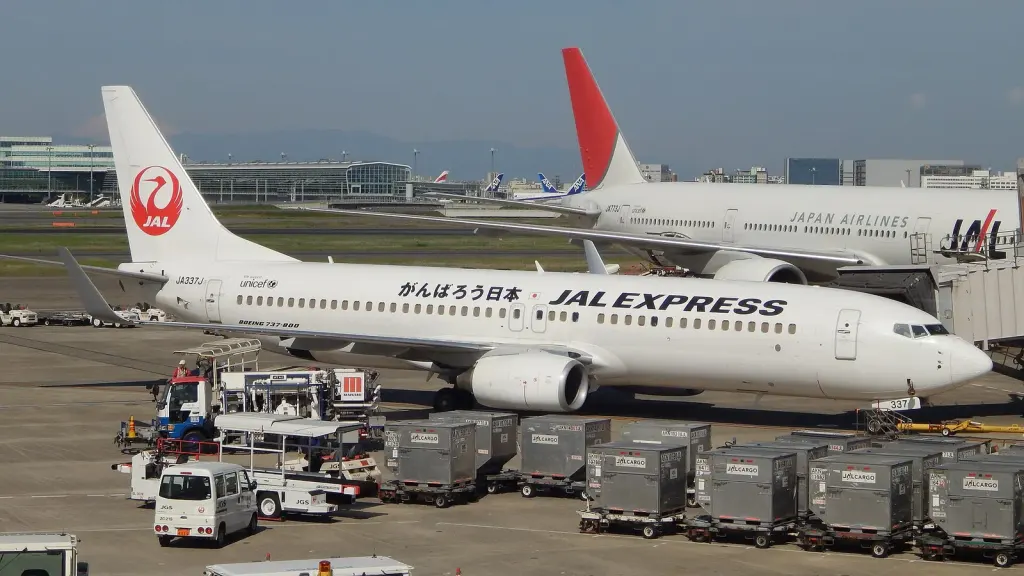
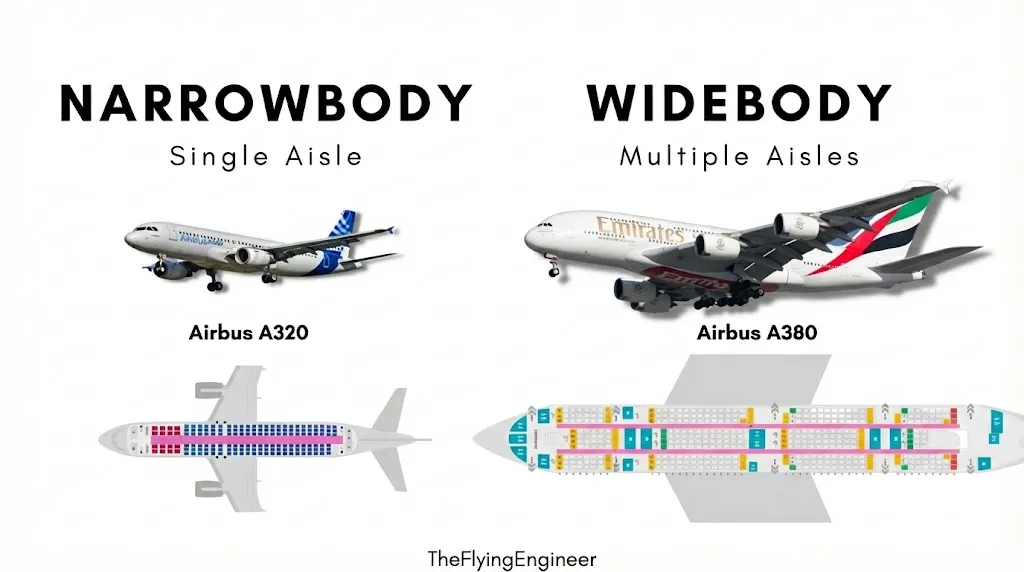
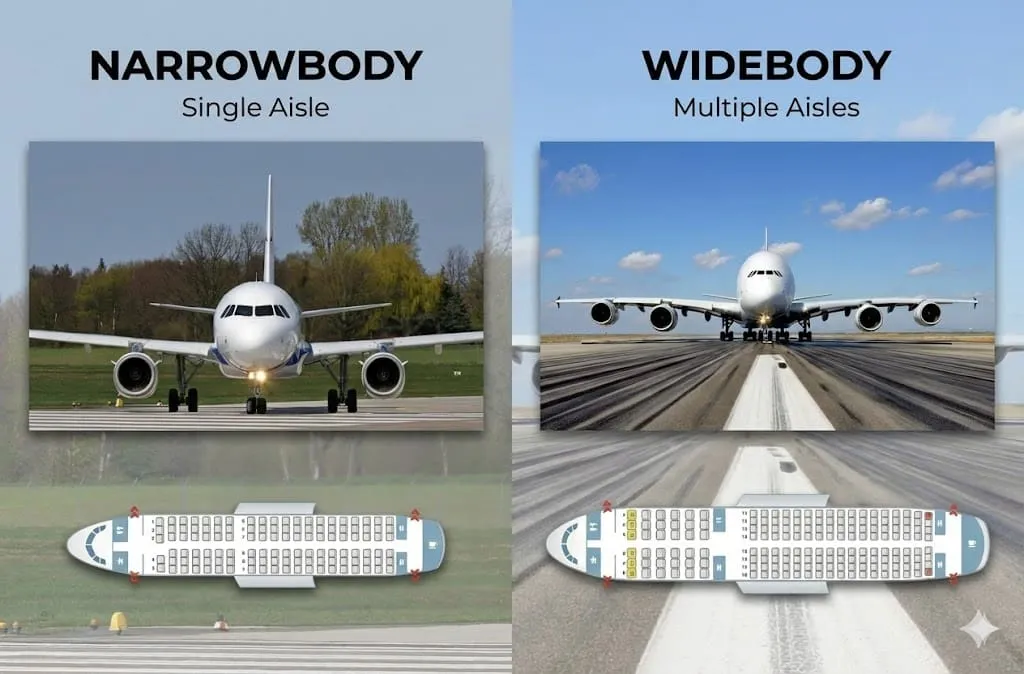
When you board an aircraft, the first thing you notice is cabin width. Some planes feature a single aisle with seats on both sides. Others have two aisles with multiple seat columns between them. This fundamental difference defines narrowbody and widebody aircraft.
Understanding aircraft categories helps passengers make informed booking decisions. Cabin comfort, baggage space, and boarding efficiency vary significantly between aircraft types. Airlines select specific aircraft based on route economics, passenger demand, and airport capabilities.
This guide explains narrowbody and widebody aircraft in simple terms: their definitions, key differences, passenger experience variations, and why airlines choose specific types for different routes. No aviation jargon required.
What Is a Narrowbody Aircraft?
Narrowbody aircraft feature a single center aisle with passenger seats on both sides. The fuselage width typically ranges from 10 to 13 feet (3 to 4 meters) interior diameter. This narrower cabin creates the single-aisle configuration.
Typical seating layout: Most narrowbody jets use 3-3 configuration (three seats on each side of the aisle). Some smaller narrowbodies employ 2-2 or 2-3 arrangements. Maximum capacity typically ranges from 100 to 240 passengers depending on aircraft size and cabin class configuration.
Primary route types: Narrowbody aircraft dominate short-haul and medium-haul operations. Common routes include: domestic flights (1-3 hours), regional international routes (2-5 hours), and transcontinental flights (5-7 hours maximum for longest-range variants).
Common narrowbody examples:
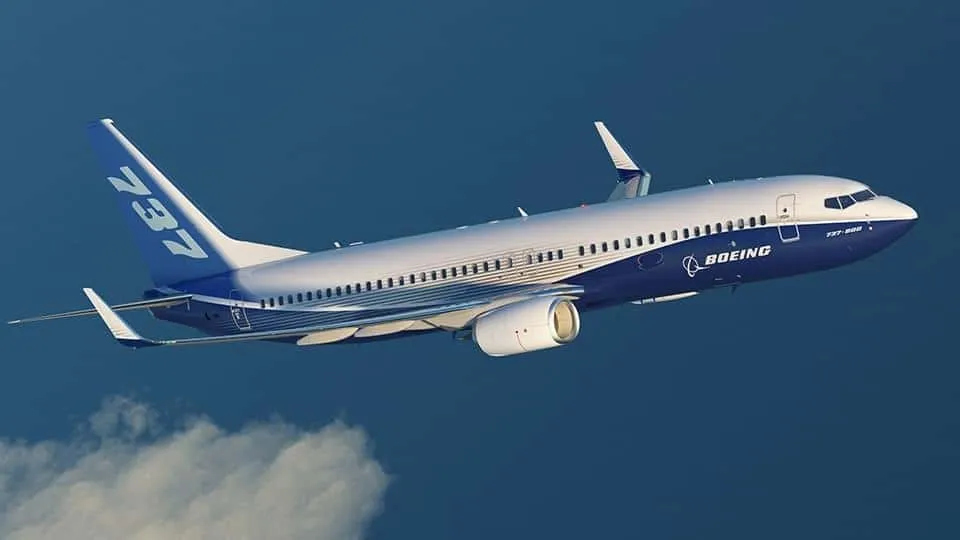
- Boeing 737 family: Most produced commercial jet. Various versions serve routes from 1 to 7 hours. Capacity 138-230 passengers.
- Airbus A320 family: Main competitor to 737. Similar capacity and range capabilities. Includes A318, A319, A320, and A321 variants.
- Boeing 757: Older narrowbody with exceptional range. Retired by most airlines but demonstrated narrowbody long-haul potential.
- Airbus A321XLR: Extra Long Range variant. Enables narrowbody operations on transatlantic routes. Represents modern narrowbody evolution.
Where narrowbodies operate: These aircraft serve high-frequency routes connecting major and secondary cities. Airlines operate multiple daily departures using narrowbodies rather than fewer flights with larger planes. This provides schedule flexibility passengers value.
What Is a Widebody Aircraft?
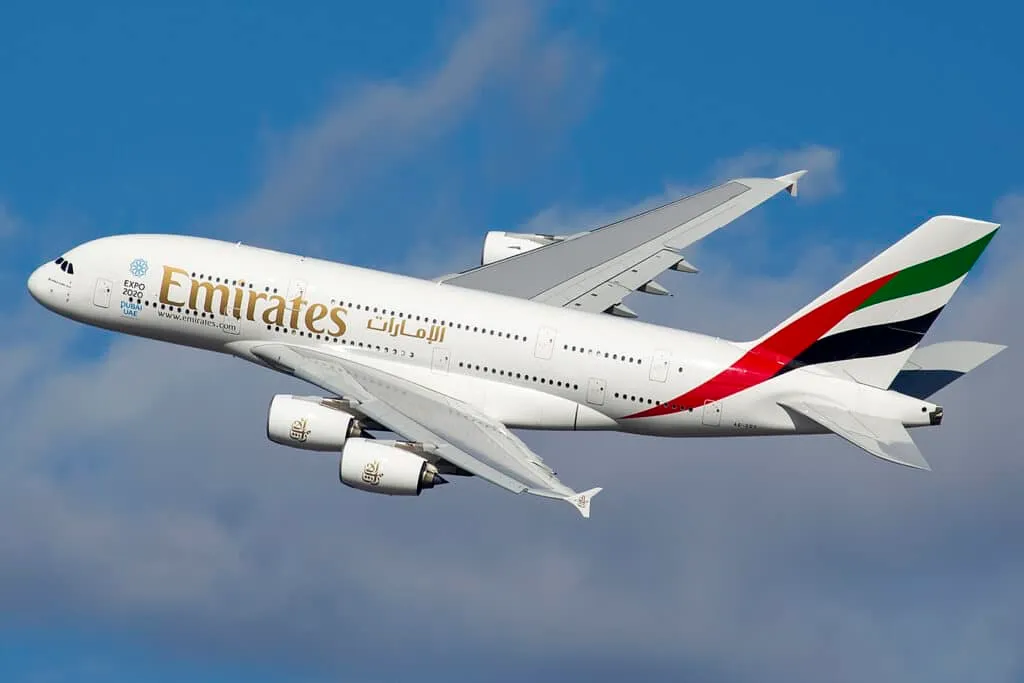
Widebody aircraft feature two parallel aisles creating three distinct seating sections across the cabin. Fuselage width typically exceeds 16 feet (5 meters) interior diameter. This wider cabin necessitates the twin-aisle design.
Twin-aisle layout advantages: The wider cabin allows flexible seating configurations. Common layouts include: 2-4-2 configuration (typical economy), 3-3-3 or 3-4-3 (high-density economy), and 1-2-1 business class (all-aisle-access).
Long-haul purpose: Widebody aircraft serve intercontinental routes requiring: greater passenger capacity (250-500+ passengers), substantial cargo space for international freight, longer range capabilities (8,000-9,000+ nautical miles), and passenger comfort features for extended flights.
Passenger experience differences: Widebody aircraft provide: more personal space per passenger, larger overhead bins accommodating roll-aboard luggage, lower cabin altitude settings reducing fatigue on long flights, quieter cabins from thicker fuselage and insulation, and enhanced amenities (larger lavatories, galleys, sometimes bars or lounges).
Common widebody examples:
- Boeing 787 Dreamliner: Modern efficient widebody. Operates long-haul routes worldwide. Capacity 242-330 passengers.
- Airbus A350: Advanced widebody with excellent efficiency. Range enables ultra-long-haul sectors. Capacity 280-410 passengers.
- Boeing 777: Workhorse of international routes. Multiple variants from 300 to 400+ passengers. Proven reliability over decades.
- Airbus A330: Smaller widebody ideal for medium-long-haul routes. Capacity 250-290 passengers. Lower operating costs than larger widebodies.
- Boeing 747: Iconic four-engine jumbo. Being retired by most airlines. Capacity 400-500+ passengers.
- Airbus A380: Largest passenger aircraft. Double-deck configuration. Capacity 500-800+ passengers. Limited production ending 2021.
Key Differences Between Narrowbody and Widebody Aircraft
The distinction between narrowbody and widebody aircraft extends beyond cabin width. Multiple operational and passenger experience factors differentiate these categories.
| Feature | Narrowbody Aircraft | Widebody Aircraft |
|---|---|---|
| Aisle Configuration | Single center aisle | Two parallel aisles |
| Typical Seating Capacity | 100-240 passengers | 250-600 passengers |
| Standard Range | 2,000-4,000 nautical miles (some extended-range variants up to 5,000) | 6,000-9,000+ nautical miles |
| Cargo Capacity | Lower cargo volume (passenger bags primarily) | Substantial cargo space (commercial freight + bags) |
| Typical Routes | Domestic, short-haul international, some transatlantic | Long-haul international, transoceanic, intercontinental |
| Boarding Time | 25-35 minutes (single aisle creates bottleneck) | 35-50 minutes (twin aisles improve flow but more passengers) |
| Fuselage Width | 10-13 feet (3-4 meters) interior | 16-20 feet (5-6 meters) interior |
| Seat Width (Economy) | 17-18 inches typical | 17.5-18.5 inches typical (slightly wider) |
| Overhead Bin Space | Smaller bins (gate-checking bags more common) | Larger bins (most carry-ons fit) |
Additional operational differences:
- Crew requirements: Narrowbodies typically require 2 pilots plus 3-5 flight attendants. Widebodies need 2 pilots plus 6-15 flight attendants depending on passenger count.
- Gate compatibility: Narrowbodies fit most airport gates. Widebodies require larger gates with extended jetways and turning radius clearance.
- Turnaround time: Narrowbodies achieve 30-45 minute turnarounds. Widebodies require 60-90 minutes between flights for cleaning, refueling, and catering.
Passenger Experience Comparison
The physical differences between narrowbody and widebody aircraft create distinct passenger experiences. Understanding these variations helps travelers make informed booking decisions.
Cabin Space and Comfort
Perceived spaciousness: Widebody cabins feel significantly more spacious even with similar seat widths. The wider fuselage creates greater psychological comfort. Overhead bins sit higher from seats, reducing claustrophobic feeling.
Seat dimensions: Widebody economy seats typically measure 17.5-18.5 inches wide versus 17-18 inches on narrowbodies. This half-inch difference proves noticeable on long flights. Premium cabins show greater differences with widebody business class offering substantially more space.
Legroom variations: Seat pitch (distance between rows) depends on airline configuration rather than aircraft type. However, widebody aircraft more commonly feature varied cabin classes including premium economy with increased legroom.
Aisle Access Considerations
Narrowbody challenge: Single-aisle configuration means every passenger competes for aisle access. Window and middle seat passengers must ask aisle passengers to stand for lavatory visits. This creates awkward interactions especially during sleep periods on longer flights.
Widebody advantage: Twin aisles provide better passenger flow. Most passengers sit maximum one seat from an aisle. This enables easier movement throughout flight. Reduced cabin congestion particularly noticeable during boarding, meal service, and landing preparation.
Comfort on Long Flights
Cabin pressure: Modern widebodies like Boeing 787 and Airbus A350 maintain lower cabin altitude. These aircraft pressurize cabins to 6,000 feet equivalent versus 8,000 feet on older aircraft. Lower altitude reduces fatigue, dehydration, and jet lag.
Noise levels: Widebody aircraft feature thicker fuselage walls and enhanced insulation. Engine placement farther from cabin on wing-mounted designs reduces noise transmission. Passengers experience noticeably quieter cabins on widebody long-haul flights.
Humidity control: Some modern widebodies incorporate humidity systems maintaining higher cabin moisture. Traditional aircraft (narrowbody and older widebody) feature extremely dry air at cruise altitude. Higher humidity improves passenger comfort on ultra-long flights exceeding 12 hours.
Amenities and Facilities
Lavatory quantity and size: Widebodies provide more lavatories per passenger. Facilities typically offer 20-30% more space than narrowbody lavatories. Some premium widebody cabins feature full-size lavatories with changing tables and enhanced amenities.
Galley capabilities: Widebody galleys accommodate complex meal service. Airlines can offer multiple meal courses, fresh-brewed coffee, and expanded beverage selections. Narrowbody galleys provide basic service capabilities suitable for shorter flights.
Operational Differences for Airlines
Airlines evaluate multiple factors when selecting aircraft types for specific routes. Economic considerations drive most decisions beyond passenger comfort. Aircraft leasing strategies also influence fleet composition choices between narrowbody and widebody aircraft.
Operating Costs
Fuel consumption: Modern narrowbodies burn 2,000-3,000 gallons per hour. Widebodies consume 3,500-6,000 gallons hourly depending on size. Per-passenger fuel efficiency often favors widebodies on full flights but narrowbodies prove more economical on less-dense routes. Flight speeds and altitude capabilities also affect overall efficiency.
Maintenance expenses: Widebody maintenance costs substantially higher in absolute terms. Larger engines, complex systems, and extensive structure increase expense. However, per-seat-mile costs may favor widebodies when fully utilized.
Crew Requirements
Cockpit crew: Both aircraft types require two pilots for commercial operations. No difference in flight deck staffing.
Cabin crew: Regulations mandate one flight attendant per 50 passengers. Narrowbodies typically operate with 3-5 flight attendants. Widebodies require 6-15 attendants depending on capacity. Additional crew increases labor costs but enables better passenger service.
Airport Compatibility
Gate requirements: Narrowbodies access virtually all commercial gates. This flexibility enables airlines to operate from secondary airports and smaller terminals. Schedule optimization easier with narrowbody fleets.
Widebody limitations: Larger aircraft require specific gate infrastructure. Many regional airports lack appropriately-sized gates, extended jetways, and ground equipment. This restricts widebody operations to major international hubs.
Runway requirements: Widebodies typically need longer runways for takeoff and landing. Most narrowbodies operate safely from 6,000-8,000 foot runways. Widebodies often require 8,000-10,000+ feet depending on weight and weather conditions.
Narrowbody vs Widebody — Which Is Safer?
Both aircraft types maintain exceptional safety records. Aircraft category does not determine safety levels. Regulatory standards apply equally to narrowbody and widebody aircraft.
Certification requirements: FAA and international regulators enforce identical safety standards regardless of aircraft size. All commercial aircraft must demonstrate: structural integrity under extreme conditions, redundant flight control systems, multiple independent hydraulic and electrical systems, and proven emergency procedures. International Civil Aviation Organization (ICAO) coordinates global aviation safety standards ensuring consistency worldwide.
Safety systems: Modern narrowbodies and widebodies feature equivalent safety technology. Both categories include: fly-by-wire flight controls, terrain awareness and warning systems, collision avoidance systems, and advanced weather radar. Technology differences depend on aircraft generation rather than size category.
Statistical safety: Accident rates correlate with aircraft age and operator standards rather than size category. Modern narrowbodies demonstrate accident rates comparable to widebodies. Both categories achieve extraordinarily safe operational records.
Operational considerations: Some passengers perceive widebodies as safer due to twin-engine concerns on narrowbodies. However, modern engine reliability eliminates meaningful safety differences. ETOPS certification enables narrowbody oceanic operations with safety standards matching widebodies.
Why Airlines Choose One Over the Other
Airlines select aircraft types based on route-specific economics rather than preference. Multiple factors influence decisions.
Passenger Demand
Route density: High-demand routes justify widebody operations. New York to London might support multiple daily widebody flights. Secondary city pairs lack sufficient demand, making narrowbody operations more viable even on long distances.
Frequency vs capacity: Airlines choose between larger aircraft with fewer frequencies or smaller aircraft with more departure times. Business travelers typically prefer schedule flexibility over aircraft size, favoring frequent narrowbody service.
Route Economics
Break-even load factors: Widebodies require higher passenger counts to achieve profitability. Airlines must consistently fill 60-70% of seats minimum. Narrowbodies break even at similar load factors but with fewer absolute passengers required.
Cargo revenue: Widebody operations generate substantial cargo income. Belly freight represents 10-20% of widebody route revenue. This additional income justifies widebody deployment on some lower-passenger routes. Airlines leverage cargo capacity to improve overall route profitability.
Airport Infrastructure
Slot restrictions: Some congested airports limit takeoff and landing slots. Airlines maximize slot value by operating largest practical aircraft. This drives widebody usage at capacity-constrained hubs like London Heathrow and Tokyo Haneda. The world's busiest airports often see higher concentrations of widebody operations.
Facility limitations: Regional airports often lack widebody-compatible infrastructure. Gates, ground equipment, and refueling capabilities restrict aircraft choices. Airlines default to narrowbody operations when widebody support unavailable.
Are Narrowbody Aircraft Used for Long-Haul Flights?
Yes, increasingly so. Modern narrowbody aircraft challenge traditional widebody dominance on certain long-haul routes.
Range Improvements
Technological advances: New-generation narrowbodies achieve 4,000-5,000+ nautical mile range. The Airbus A321XLR extends range to 4,700 nautical miles. This enables transatlantic operations from East Coast to Western Europe.
Engine efficiency: Modern engines like Pratt & Whitney GTF and CFM LEAP provide 15-20% fuel savings versus previous generation. Improved efficiency extends range while maintaining economic viability.
When Airlines Use Narrowbodies Long-Haul
Thin routes: City pairs with insufficient demand for widebodies but viable for narrowbody economics. Examples include secondary European cities to East Coast USA. Narrowbodies enable non-stop service previously requiring connections.
Seasonal operations: Routes with fluctuating demand benefit from narrowbody flexibility. Airlines deploy widebodies during peak seasons and switch to narrowbodies during slower periods rather than canceling flights.
Business-heavy routes: Some long routes carry more business than leisure travelers. Premium cabin revenue justifies smaller aircraft with higher-yield passengers. Narrowbodies configured with substantial business class prove profitable on these routes.
Example routes: New York to Reykjavik, Boston to Edinburgh, Los Angeles to Cabo San Lucas, Paris to Tel Aviv. These routes demonstrate narrowbody long-haul viability under appropriate market conditions.
Frequently Asked Questions
What is a narrowbody aircraft?
A narrowbody aircraft features a single center aisle with seats on both sides. Typical capacity ranges 100-240 passengers. Used primarily for short and medium-haul flights up to 4,000 miles.
What is a widebody aircraft?
A widebody aircraft has two parallel aisles creating three seating sections. Capacity typically 250-600 passengers. Designed for long-haul international routes requiring extended range and passenger comfort.
Which aircraft is better for long flights?
Widebody aircraft provide superior comfort on long flights. Twin aisles offer better mobility. Lower cabin altitude reduces fatigue. More spacious lavatories and larger overhead bins improve experience.
Are widebody aircraft safer than narrowbody aircraft?
No, both categories maintain equal safety standards. Accident rates depend on aircraft age and operator quality rather than size category. Modern narrowbodies and widebodies achieve comparable safety records.
Why do some long flights use narrowbody aircraft?
Modern narrowbodies achieve sufficient range for certain long routes. Airlines use them when passenger demand doesn't justify widebody capacity. Economics favor smaller aircraft on thin long-haul routes.
Which is more fuel efficient?
Per-passenger fuel efficiency varies by load factor. Full widebodies often more efficient per passenger. Narrowbodies excel when passenger demand doesn't fill widebody capacity. Modern aircraft of both types show excellent efficiency.
Can narrowbody aircraft cross oceans?
Yes, with ETOPS certification. Modern narrowbodies regularly operate transatlantic routes. Extended-range variants like A321XLR enable 4,700+ nautical mile flights. Safety standards match widebody oceanic operations.
Why are widebody aircraft more expensive?
Larger size requires more materials, complex systems, and powerful engines. Maintenance costs higher in absolute terms. However, per-seat costs competitive when aircraft utilized effectively on high-demand routes.
Conclusion: Understanding Aircraft Categories
The difference between narrowbody and widebody aircraft extends beyond simple cabin width. These categories represent distinct operational philosophies serving different market needs.
Narrowbody aircraft excel at: Frequent service on short and medium routes, flexibility in scheduling and airport compatibility, economic viability on lower-demand routes, and increasingly, select long-haul operations with modern extended-range variants.
Widebody aircraft provide: Passenger comfort on long intercontinental flights, capacity for high-demand routes, substantial cargo revenue opportunities, and operational efficiency per passenger when fully utilized.
For passengers: Understanding these differences helps set realistic expectations when booking flights. Narrowbody long-haul flights offer lower fares but less comfort than widebody alternatives. Short-haul widebody flights provide enhanced space though route options may be limited.
Future developments: Technology continues blurring traditional boundaries. Airlines increasingly deploy narrowbodies on routes historically requiring widebodies. Meanwhile, widebody efficiency improvements enable economic operation on thinner routes.
Both aircraft categories serve essential roles in global aviation networks. The classification system helps airlines optimize operations while passengers understand what to expect from their journey.
About the author
Radu Balas
Founder, Flying Engineer
View author profile Editorial policy and correctionsExplore Aircraft Sales
Browse 772 companiesNeed a charter, a part or a service?
Tell us what you need and we share it with up to 3 relevant companies, who reply to you directly.