
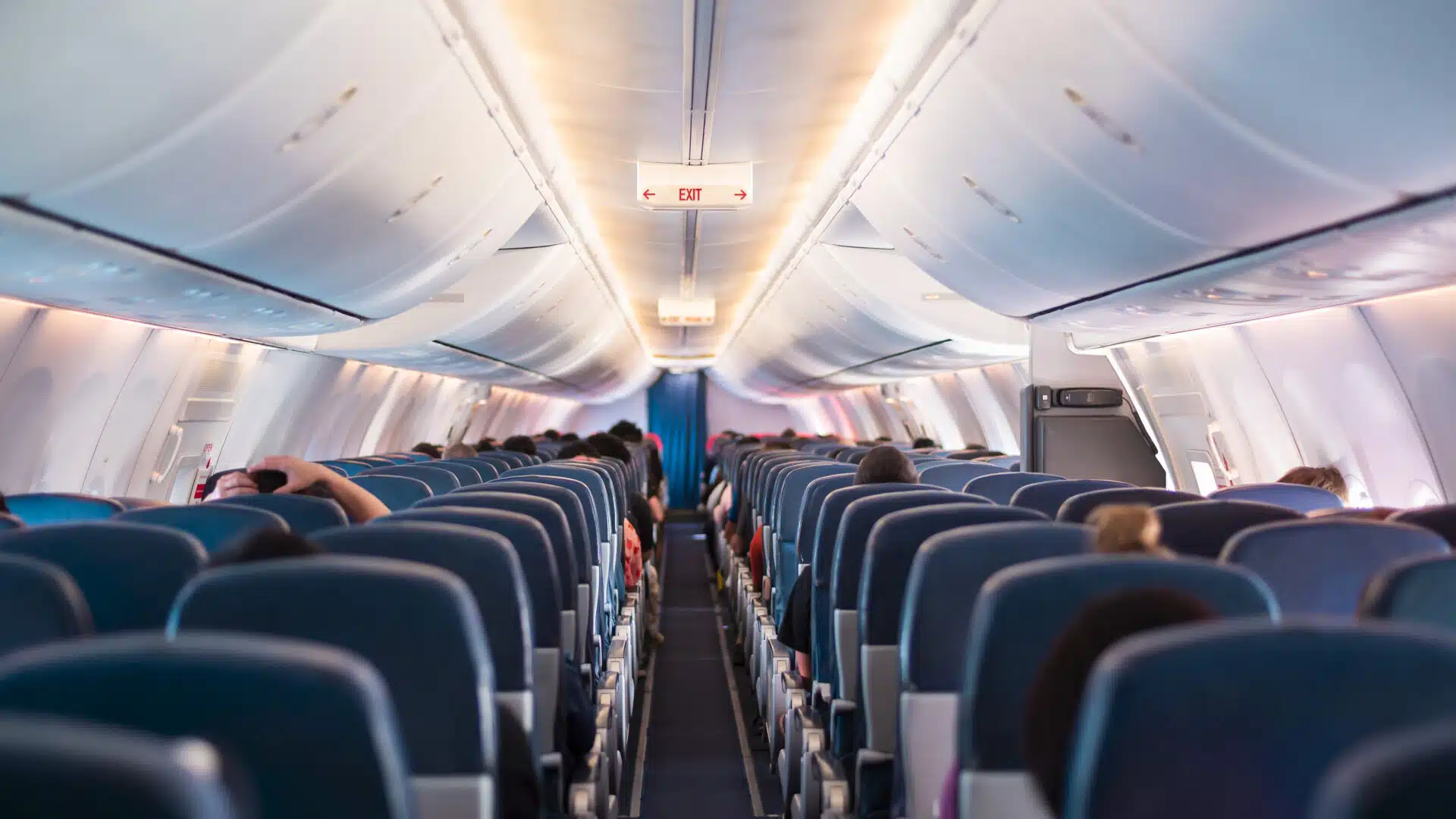
Anyone who has taken a long-haul flight knows the feeling: dry, itchy skin, parched throat, irritated eyes, and unusual fatigue that sets in hours before landing. These symptoms aren’t just in your head. Understanding why airplane cabins are dry requires examining how aircraft pressurization systems work and why maintaining normal humidity levels at 35,000 feet creates engineering challenges airlines must carefully balance.
Aircraft cabin humidity typically hovers between 10-20% during cruise flight, dramatically lower than the 30-60% humidity humans experience in most comfortable indoor environments. This desert-like dryness results from the fundamental physics of how aircraft obtain and condition breathable air at high altitudes where outside temperatures plunge to -60°F and atmospheric pressure drops to fractions of sea-level values.
The reasons airlines don’t simply add humidifiers to solve passenger discomfort involve complex tradeoffs between aircraft weight, structural corrosion risks, maintenance costs, and system complexity. However, modern wide-body aircraft including the Boeing 787 Dreamliner and Airbus A350 have made significant improvements, offering passengers noticeably more comfortable cabin environments through advanced materials and pressurization technologies.
This comprehensive guide explains the science behind cabin pressure and humidity, examines what dry air does to the human body during flights, and provides evidence-based strategies for minimizing discomfort on your next journey.
How Aircraft Cabin Air Works
Commercial aircraft flying at typical cruise altitudes of 35,000-42,000 feet operate in an environment where humans cannot survive without supplemental oxygen and pressurization. At these heights, atmospheric pressure drops to approximately 3.5 pounds per square inch compared to 14.7 psi at sea level, while temperatures outside the aircraft plummet to -40°F to -70°F.
Aircraft pressurization systems create an artificial atmosphere inside the cabin by compressing outside air and pumping it into the sealed fuselage. The system maintains cabin pressure equivalent to approximately 6,000-8,000 feet elevation, comfortable for passengers while reducing structural stress on the airframe compared to maintaining sea-level pressure.
The pressurization system continuously draws fresh air from outside, conditions it to breathable temperature and pressure, circulates it through the cabin, and exhausts it through outflow valves. This constant air exchange completely replaces cabin air every 2-3 minutes, far more frequently than most building ventilation systems achieve.
Modern jets use Environmental Control Systems (ECS) that regulate temperature, pressure, and airflow throughout the aircraft. These sophisticated systems must balance passenger comfort against fuel efficiency, structural limitations, and safety requirements across widely varying flight conditions.

Why Cabin Air Is So Dry
The extreme dryness passengers experience stems from basic atmospheric physics rather than airline cost-cutting or inadequate systems. Cold air at cruising altitude contains virtually no water vapor because the freezing temperatures cause any moisture to crystallize and fall out of the atmosphere as ice crystals.
When aircraft pressurization systems compress this frigid, bone-dry outside air, the compression process heats it to cabin temperature. However, the heating doesn’t add moisture. The result is warm, extremely dry air with relative humidity often below 10% during cruise flight, comparable to the Sahara Desert.
Typical cabin humidity levels:
- Cruise flight: 10-20% relative humidity
- Comfortable indoor environment: 30-60% relative humidity
- Sahara Desert: 25% average relative humidity
- Optimal human comfort: 40-60% relative humidity
The contrast becomes striking when you consider passengers board aircraft at ground level where humidity might be 50-70%, then spend hours in an environment drier than most deserts. This dramatic shift triggers the dehydration symptoms travelers commonly experience.
Even moisture passengers exhale into the cabin air gets quickly removed by the continuous air exchange system. With complete air replacement every 2-3 minutes, any humidity people generate through breathing and perspiration exits the aircraft before accumulating to comfortable levels.
The Role of Bleed Air and Air Systems
Most commercial jets use “bleed air” systems that extract compressed air directly from engine compressor stages. This high-pressure, high-temperature air (often exceeding 400°F) gets routed to air conditioning packs where it cools to comfortable temperatures before entering the cabin.
The air conditioning packs use heat exchangers and expansion turbines to bring bleed air temperature down from several hundred degrees to the 65-75°F range passengers require. However, this cooling process doesn’t add moisture. The air remains as dry as when it entered the system at altitude.
Some modern aircraft including the Boeing 787 use electric compressors instead of traditional bleed air systems, improving fuel efficiency and reducing engine wear. However, even these advanced systems still draw outside air from high altitude, resulting in similarly low cabin humidity levels.
The cabin air distribution system circulates conditioned air through overhead vents, mixing fresh outside air with recirculated cabin air that has passed through HEPA filters. The recirculation reduces the volume of dry outside air needed, providing modest humidity benefits while maintaining air quality through filtration.

What Dry Cabin Air Does to Your Body
Extended exposure to 10-20% humidity affects multiple body systems, though effects vary significantly between individuals based on age, health status, and hydration levels before boarding.
Common effects of low cabin humidity include:
- Dehydration – Increased respiratory water loss through breathing dry air, often unnoticed until symptoms develop. Passengers can lose 1-2 liters of fluid during long-haul flights through respiration alone.
- Dry Skin and Lips – Low humidity draws moisture from skin surfaces, causing itching, flaking, and discomfort. Lips crack easily in extremely dry conditions.
- Eye Irritation – Tear film evaporates faster in dry air, particularly problematic for contact lens wearers. Eyes become red, itchy, and uncomfortable.
- Nasal and Throat Dryness – Mucous membranes in nose and throat dry out, reducing natural defenses against airborne pathogens. Many passengers develop scratchy throats during flights.
- Increased Fatigue – Dehydration contributes to tiredness, headaches, and reduced cognitive function. Combined with altitude effects, passengers often feel more exhausted than expected.
- Respiratory Discomfort – Some passengers experience breathing difficulties as nasal passages dry and airways become irritated. Pre-existing respiratory conditions may worsen.
- Reduced Immune Function – Dried mucous membranes protect less effectively against viruses and bacteria, potentially increasing infection susceptibility.
Research indicates that healthy adults generally tolerate low cabin humidity without serious health consequences. However, vulnerable populations including elderly passengers, young children, and those with respiratory conditions may experience more pronounced effects requiring additional precautions.
The combination of low humidity, reduced cabin pressure (equivalent to 6,000-8,000 feet elevation), and prolonged sitting creates a challenging physiological environment. Understanding these factors helps passengers take appropriate countermeasures.
Why Airlines Don’t Add More Humidity
Airlines face significant technical and economic obstacles preventing them from humidifying cabin air to comfortable levels. The challenges extend far beyond simply installing humidifiers in aircraft.
Corrosion and Structural Damage
Aircraft fuselages contain thousands of structural components, wiring bundles, and electronic systems that higher humidity would gradually corrode. Aluminum alloys used in aircraft construction corrode faster in humid environments, potentially compromising structural integrity over decades of operation.
Moisture accumulation in hidden spaces including insulation, cargo holds, and beneath cabin flooring creates environments where corrosion progresses undetected. Airlines inspect aircraft extensively, but maintaining dry conditions minimizes corrosion risk throughout the airframe.
Weight and System Complexity
Water weighs approximately 8.3 pounds per gallon, and humidifying a wide-body aircraft cabin to 40% humidity throughout a long-haul flight could require carrying hundreds of pounds of water. This weight penalty directly reduces fuel efficiency and passenger/cargo capacity.
Humidification systems add mechanical complexity, maintenance requirements, and potential failure points. Airlines carefully evaluate whether passenger comfort improvements justify increased operational costs and reduced reliability.
Condensation Problems
Higher cabin humidity increases condensation on cold surfaces including windows, insulation, and structural components. Condensation creates moisture accumulation that promotes corrosion, mold growth, and potential electrical system issues in critical aircraft components.

Are Modern Aircraft Better?
Recent wide-body aircraft designs incorporate advanced materials and systems allowing higher cabin humidity without traditional corrosion concerns. The improvements represent genuine passenger experience enhancements rather than marketing claims.
Boeing 787 Dreamliner
The 787 uses carbon-fiber composite construction for approximately 50% of its primary structure. Carbon fiber doesn’t corrode like aluminum, allowing Boeing to specify higher cabin humidity targets around 15-16% compared to 10-12% in older aluminum aircraft.
While this improvement seems modest numerically, passengers report noticeable comfort differences on long flights. The 787 also maintains lower cabin altitude (6,000 feet versus 8,000 feet), reducing fatigue and dehydration through combined effects.
Airbus A350
The A350 similarly employs extensive carbon-fiber construction enabling humidity levels around 20%, significantly higher than conventional aircraft. Combined with advanced air filtration and circulation systems, the A350 provides among the most comfortable cabin environments in commercial aviation.
Both aircraft families benefit from modern engine designs, sophisticated environmental control systems, and materials engineering advances unavailable when aluminum-intensive aircraft dominated fleets. Airlines operating these aircraft market improved passenger comfort as competitive advantages.
Legacy Aircraft Limitations
Older aircraft including 777s, A330s, 747s, and narrowbody jets retain traditional aluminum construction requiring low cabin humidity to prevent accelerated corrosion. These aircraft will remain in service for decades, meaning many passengers will continue experiencing very dry cabin conditions.
How To Stay Hydrated During Flights
Passengers can significantly reduce discomfort through proactive hydration strategies and simple preparations. The key involves starting flights well-hydrated and maintaining fluid intake throughout the journey.
Evidence-based hydration strategies:
- Drink Water Regularly – Consume 8 ounces of water per hour during flight, more than you’d normally drink on the ground. Don’t wait until feeling thirsty, as thirst indicates dehydration has already begun.
- Avoid Alcohol and Excessive Caffeine – Both substances have diuretic effects, increasing fluid loss and worsening dehydration. Limit coffee, tea, and alcoholic beverages during flights.
- Use Facial Moisturizer – Apply hydrating moisturizer before boarding and periodically during long flights. Products with hyaluronic acid help skin retain moisture.
- Eye Drops for Lubrication – Artificial tears combat eye dryness, particularly helpful for contact lens wearers. Use preservative-free drops as needed.
- Nasal Saline Spray – Saline spray keeps nasal passages moist, reducing discomfort and maintaining mucosal defenses against pathogens.
- Lip Balm – Prevent chapped lips by applying balm regularly throughout the flight.
- Hydrate Before Flying – Drink extra water in the 24 hours before departure, ensuring your body starts the flight well-hydrated.
- Choose Water-Rich Foods – If airline meals include fresh fruit, salads, or other high-water-content foods, these contribute to hydration.
- Limit Salt Intake – High-sodium airline snacks increase fluid retention and can worsen dehydration symptoms.
Business and first-class passengers should take advantage of enhanced beverage service by requesting water frequently. Premium cabin passengers often receive better hydration support through proactive crew service. Economy passengers can bring empty water bottles through security and fill them at airport fountains after clearing checkpoints.
Myths About Cabin Air
Several persistent misconceptions about aircraft cabin air quality and oxygen levels create unnecessary passenger anxiety. Understanding the facts helps separate genuine concerns from aviation myths.
Myth: Cabin Air Is Dirty or Full of Germs
Modern aircraft recirculate approximately 50% of cabin air through hospital-grade HEPA filters that remove 99.97% of particles including bacteria and viruses. The other 50% consists of fresh outside air, creating air exchange rates superior to most buildings.
Studies consistently show aircraft cabin air quality exceeds typical office buildings and homes. The low humidity contributes to discomfort but doesn’t indicate poor air quality or elevated pathogen levels.
Myth: There’s Not Enough Oxygen
Cabin altitude equivalent to 6,000-8,000 feet provides adequate oxygen for healthy passengers. The oxygen percentage remains 21% (same as sea level), though the lower overall pressure means slightly less oxygen per breath than at sea level.
Passengers sometimes confuse dehydration-induced fatigue with oxygen deficiency. The pressurization system maintains safe oxygen levels throughout the flight, monitored continuously by aircraft systems.
Is Dry Air Dangerous?
For healthy adults, the low cabin humidity encountered during typical flights poses minimal health danger despite causing discomfort. The human body tolerates temporary exposure to dry conditions without lasting harm.
However, certain populations face elevated risks. Elderly passengers, young children, pregnant women, and individuals with respiratory conditions including asthma or COPD may experience more pronounced symptoms requiring extra precautions.
Passengers with pre-existing dehydration, those taking medications causing fluid loss, and travelers on extremely long-haul routes exceeding 12-16 hours face compounded effects. Medical consultation before long flights makes sense for passengers with significant health concerns.
The combination of dry air, reduced cabin pressure, and prolonged immobility can contribute to deep vein thrombosis (DVT) risk, though low humidity alone doesn’t cause blood clots. Staying hydrated, moving periodically, and wearing compression socks reduces DVT risk more effectively than focusing solely on humidity.
Airlines train flight attendants to recognize severe dehydration symptoms and medical emergencies. Passengers experiencing unusual symptoms beyond typical discomfort should notify crew members who can provide assistance and coordinate with ground-based medical support if necessary.
Frequently Asked Questions
Why do flights make you dehydrated?
Flights cause dehydration through multiple mechanisms. The extremely low cabin humidity (10-20%) increases water loss through breathing and skin evaporation. At cruise altitude, passengers lose 1-2 liters of fluid simply through respiration over several hours. Additionally, many travelers don’t drink enough water during flights, alcohol consumption has diuretic effects, and the cabin pressure equivalent to 6,000-8,000 feet elevation affects fluid balance. Combined, these factors create significant dehydration risk during air travel.
What is the typical humidity level in an airplane cabin?
Cabin humidity during cruise flight typically ranges from 10-20% relative humidity, though conventional aluminum aircraft often operate toward the lower end around 10-12%. This is dramatically lower than the 30-60% humidity comfortable for humans and even drier than many desert environments. Modern composite aircraft like the Boeing 787 and Airbus A350 achieve slightly higher humidity levels around 15-20% due to advanced materials that better resist corrosion.
What is the best way to stay hydrated on a long flight?
The most effective hydration strategy involves drinking water consistently throughout the flight – approximately 8 ounces per hour – rather than waiting until feeling thirsty. Avoid excessive alcohol and caffeine which worsen dehydration. Bring an empty water bottle to fill after security, request water regularly from flight attendants, and choose water-rich foods when available. Additionally, use facial moisturizer, eye drops, and nasal saline spray to combat moisture loss from skin and mucous membranes. Starting flights well-hydrated by drinking extra water in the 24 hours before departure provides an important foundation.
Which aircraft have better cabin humidity?
The Boeing 787 Dreamliner and Airbus A350 offer the highest cabin humidity among commercial aircraft, achieving 15-20% relative humidity compared to 10-12% in conventional aluminum aircraft. These improvements result from extensive carbon-fiber composite construction that doesn’t corrode like aluminum, allowing manufacturers to specify higher humidity targets without compromising structural integrity. Both aircraft also maintain lower cabin altitudes (around 6,000 feet versus 8,000 feet in older designs), further improving passenger comfort through reduced physiological stress.
Does cabin air quality affect your immune system?
Low cabin humidity can reduce the effectiveness of mucous membranes in your nose and throat that serve as your body’s first defense against pathogens. When these membranes dry out, they protect less effectively against viruses and bacteria. However, this temporary reduction in mucosal function doesn’t significantly compromise overall immune system strength in healthy individuals. The air itself is very clean thanks to HEPA filtration and frequent air exchange. Staying hydrated helps maintain mucosal defenses during flights.
Can you bring a humidifier on a plane?
Personal humidifiers are generally allowed in carry-on luggage, but must be empty when passing through security. Small USB-powered humidifiers designed for travel can provide localized humidity relief, though their effectiveness in the constantly circulating cabin environment is limited. A more practical approach involves using moisturizing sprays, drinking adequate water, and applying topical moisturizers rather than relying on personal humidifiers that add minimal moisture to the large cabin volume.
Conclusion
The extreme dryness of aircraft cabins results from fundamental atmospheric physics rather than airline indifference to passenger comfort. Cold air at cruising altitude contains virtually no moisture, and pressurization systems that compress and heat this air cannot add humidity without creating serious corrosion, weight, and maintenance challenges.
While low cabin humidity causes genuine discomfort including dry skin, throat irritation, and increased fatigue, healthy passengers can minimize effects through proactive hydration strategies. Modern aircraft like the 787 and A350 demonstrate meaningful improvements, though most flights will continue offering desert-like conditions for years to come.
Understanding why airplane cabins are dry empowers travelers to prepare effectively, staying hydrated and comfortable throughout their journeys. The next time you board a flight, bring an empty water bottle, skip the extra cocktail, and keep that moisturizer handy – your body will thank you at your destination.