Why Flights Between Europe and Asia Are Getting Longer in 2026
 Radu BalasPublished 13 min read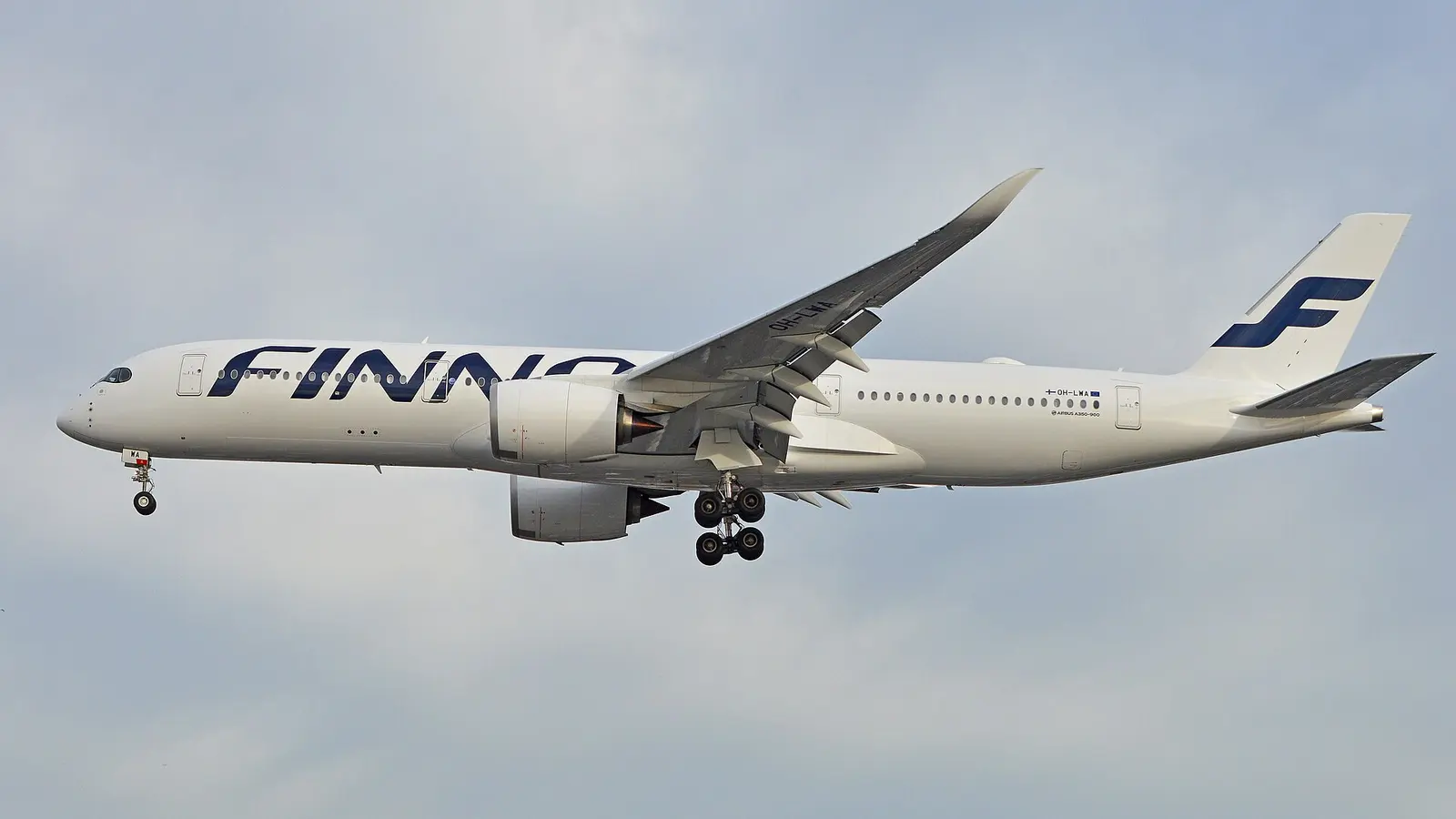
Passengers booking flights from London to Singapore, Frankfurt to Tokyo, or Paris to Bangkok in 2026 notice something unexpected: flight times have increased substantially compared to pre-2022 schedules. What once took 11 hours now requires 13 or more, adding frustrating delays to already exhausting long-haul journeys.
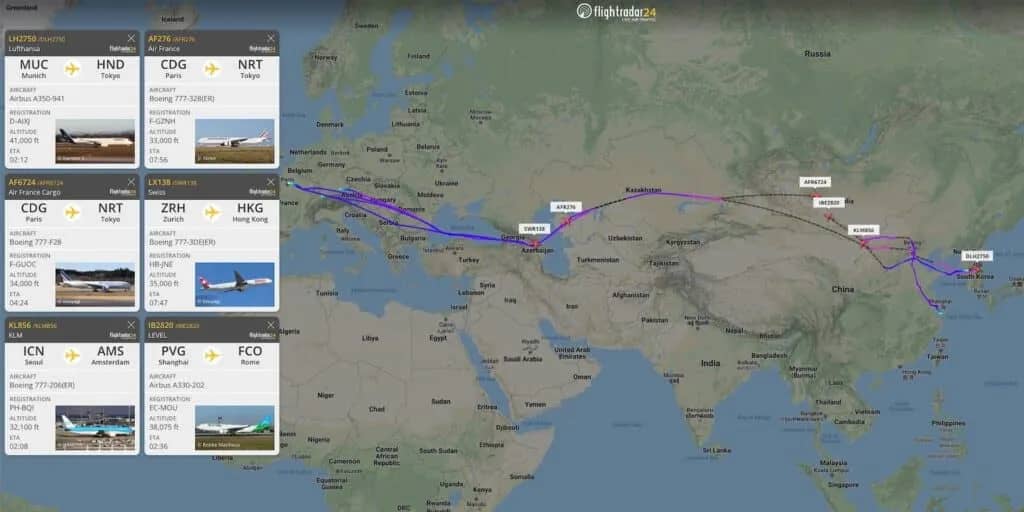
The question why flights are getting longer has a clear answer: geopolitical tensions closing vast sections of previously accessible airspace force airlines to take lengthy detours around restricted zones. Europe Asia flight routes that once crossed efficiently over Russia now snake southward through Middle Eastern corridors or skirt around closed territories, adding hundreds or thousands of miles to journey distances.
Airspace closures airlines face today stem primarily from the Russia-Ukraine conflict that erupted in 2022, with European carriers banned from Russian airspace and Russian carriers similarly restricted from European skies. This mutual closure eliminated the most direct routing between European and Asian destinations, creating ripple effects on flight time increase airlines struggle to manage while controlling spiraling airline fuel costs routes demand.
Understanding why modern aviation suddenly reverted to longer, less efficient routing requires examining the complex intersection of geopolitics, airline economics, and operational realities reshaping global air travel patterns in 2026.
Why Flights Between Europe and Asia Are Getting Longer
Three primary factors drive the dramatic increase in flight times connecting European and Asian cities.
First, Russian airspace closures eliminate the most direct routing for nearly all Europe-Asia traffic. Russia's vast territory spans the shortest great circle routes between European capitals and major Asian destinations including Japan, South Korea, China, and Southeast Asia. Without access to this airspace, airlines must detour thousands of miles around Russian borders.
Second, airlines reroute flights through southern corridors over Central Asia, the Middle East, and sometimes across the Arctic when polar routing remains viable. These alternative paths add significant distance and flight time compared to the direct trans-Russian routes that dominated pre-2022 schedules.
Third, operational constraints including available alternates, air traffic control capacity along new routes, and fuel stop requirements for aircraft operating near maximum range further complicate routing decisions. Airlines balance minimum flight time against fuel costs, payload restrictions, and operational reliability when selecting detour paths.
Airspace Closures Are the Biggest Reason
The closure of Russian airspace to European carriers represents the single largest factor in increased flight times between Europe and Asia.
Russia-Ukraine Conflict Impact
Following Russia's invasion of Ukraine in February 2022, European Union member states closed their airspace to Russian airlines while Russia reciprocated by banning European carriers from its territory. This mutual closure persists through 2026 with no indication of near-term resolution, according to international aviation authorities.
Russian airspace spans roughly 11 time zones from Europe's eastern borders to the Pacific coast. Pre-2022, flights from London to Tokyo or Frankfurt to Seoul routinely crossed Siberia, utilizing the shortest available routes. These direct paths minimized fuel burn, reduced flight times, and allowed airlines to operate efficiently on high-demand business routes.
The loss of Siberian routing forces airlines to add 2-4 hours to many Europe-Asia flights depending on specific city pairs. London to Shanghai, for example, now routes south through Central Asia rather than across Russia, extending what was an 11-hour flight to 13-14 hours.
Other Airspace Considerations
While Russian airspace closure dominates routing challenges, periodic tensions affecting Middle Eastern airspace also complicate southern detour routes. Airlines monitor regional conflicts and adjust routing dynamically based on safety assessments, sometimes requiring additional detours when preferred southern corridors face restrictions.
Some carriers maintain relationships allowing limited Russian overflight rights for specific routes, though these represent exceptions rather than systematic solutions. The vast majority of European carriers operate without any Russian airspace access, forcing comprehensive route restructuring.
How Airlines Are Rerouting Flights
Airlines employ several alternative routing strategies to connect European and Asian destinations without crossing Russian territory.
Southern Corridors via Central Asia and Middle East
The most common rerouting sends flights south from Europe over Turkey, Iran, Afghanistan, Pakistan, and Central Asian republics before turning northeast toward Chinese, Japanese, or Southeast Asian destinations. This routing adds approximately 1,000-2,000 miles compared to direct Siberian routes depending on the specific city pair, as tracked by European airspace management authorities.
Flights from Western Europe to Japan or Korea often cross the Arabian Peninsula, skirt Afghanistan and Pakistan, then proceed across China toward final destinations. The additional distance translates directly to extended flight times and increased fuel consumption as aircraft burn extra thousands of pounds of jet fuel completing longer journeys.
Modified Polar Routes
Some airlines serving northern Asian destinations attempted polar routing flying north over Scandinavia and the Arctic before descending toward Japan or Korea. However, these routes often still clip Russian airspace or prove impractical due to limited diversion airports along Arctic routing.
Polar routes work better for North American carriers connecting U.S. cities to Asia, as these flights avoid European airspace restrictions entirely. European carriers find polar routing less useful given their starting positions require either Russian overflights or lengthy detours regardless of northerly headings, unlike ultra-long-haul routes that can leverage geographic positioning.
Fuel Stop Operations
Certain long-range aircraft operating near maximum capability on southern detour routes occasionally require technical fuel stops to complete journeys safely. Airlines may stop in Gulf hubs or Central Asian airports to refuel before continuing to final Asian destinations, further extending total travel times.
These fuel stops prove necessary when passenger and cargo loads combined with extended routing push aircraft beyond published range limits. While airlines minimize fuel stops due to operational costs and passenger inconvenience, safety requirements mandate adequate fuel reserves forcing intermediate stops on marginally viable routes.
Impact on Flight Time
The additional flight time varies significantly depending on specific routes, but most Europe-Asia flights experience substantial increases.
European cities to Japan or Korea see increases of approximately 2-4 hours depending on origins. London to Tokyo extends from roughly 11.5 hours to 13.5-14 hours. Frankfurt to Seoul similarly adds 2-3 hours to previous direct routing times.
European cities to China and Hong Kong add roughly 1.5-3 hours depending on specific Chinese destinations. Shanghai flights from Europe route south through Pakistan and Afghanistan corridors, while Hong Kong flights follow similar southern paths adding distance and time.
European cities to Southeast Asia (Thailand, Singapore, Vietnam) experience more modest increases of 1-2 hours as these southern destinations sit closer to the southern detour corridors airlines already utilize. The additional routing penalty proves smaller when destinations align geographically with required detour paths.
The variability in flight time increases reflects the geometry of specific city pairs relative to Russian territory and available alternative routing. Northern destinations suffer larger penalties while southern Asian cities see relatively smaller impacts.
Fuel Costs and Operational Impact
Extended flight times translate directly to higher operating costs affecting airline profitability and pricing.
Increased Fuel Consumption
Each additional hour of flight time burns thousands of pounds of jet fuel. A Boeing 787 or Airbus A350 operating Europe-Asia routes consumes roughly 5,000-6,000 pounds of fuel per hour at cruise. Two extra hours require an additional 10,000-12,000 pounds of fuel, translating to substantial cost increases multiplied across daily flight frequencies.
Current jet fuel prices ranging from $2.50-3.50 per gallon mean each rerouted flight carries $5,000-10,000+ in extra fuel costs compared to pre-closure direct routing. Airlines operating multiple daily Europe-Asia frequencies face hundreds of thousands of dollars in additional monthly fuel expenses on these routes alone.
Crew and Aircraft Utilization
Longer flight times reduce aircraft daily utilization as planes spend more hours between revenue-generating rotations. An aircraft that previously completed a Europe-Asia round trip in 24 hours now requires 28-30 hours, reducing the number of trips possible weekly and decreasing asset productivity.
Crew duty time regulations limit how long pilots and flight attendants can work within specified periods. Extended flights sometimes require augmented crew complements to maintain regulatory compliance, adding labor costs beyond fuel penalties. Airlines carefully balance crew scheduling against flight time increases to minimize total operational cost impacts.
Impact on Ticket Prices
Airlines pass some additional costs to passengers through higher base fares and fuel surcharges. Economy tickets on Europe-Asia routes increased 10-20% on average since 2022, partly reflecting longer routing costs. Business and first class fares show similar increases as airlines maintain margin targets despite higher operating expenses.
However, competitive pressure prevents airlines from fully recovering added costs through pricing. Carriers competing for the same traffic cannot unilaterally raise fares without losing market share, forcing them to absorb some cost increases through reduced profitability. The result is industry-wide margin compression on Europe-Asia routes compared to pre-closure economics.
Impact on Passengers
Extended flight times create multiple challenges for travelers on Europe-Asia routes.
Key passenger impacts include:
- Longer travel times: Additional 1-4 hours in the air extends already exhausting long-haul journeys, increasing fatigue and jet lag effects
- Tighter connections: Extended flight times compress connection windows at hub airports, increasing missed connection risk when inbound flights delay
- Reduced schedule options: Some routes that operated profitably with direct routing become economically unviable with detours, forcing airlines to cancel services and reduce frequency
- Higher ticket prices: Passengers pay more for longer journeys as airlines pass through fuel cost increases and capacity constraints
- Increased onboard discomfort: Extra hours cramped in economy seats or even premium cabins adds physical strain to international travel
- Business travel disruption: Corporate travelers facing longer journey times may reduce trip frequency or seek alternative meeting methods including video conferencing
The cumulative effect diminishes the appeal of long-haul air travel between Europe and Asia, particularly for leisure travelers sensitive to both time and cost increases. Business travelers with mandatory travel face the inconvenience but have limited alternatives for cross-continental meetings requiring physical presence.
Which Airlines Are Most Affected
The competitive impact of airspace closures varies significantly between European and Asian carriers.
European Airlines Face Larger Penalties
European carriers including Lufthansa, Air France-KLM, British Airways, and other EU airlines face complete Russian airspace bans affecting all Asian routes. These airlines must reroute every Europe-Asia flight, absorbing full cost penalties on comprehensive route networks.
Scandinavian carriers operating from northerly hubs experience particularly severe impacts as their geographic positions made them ideal for trans-Russian routing to Asian destinations. Finnair, for example, built its business model around Helsinki's position as a European-Asian connector utilizing Russian airspace for efficient connections. The closure devastated this strategy, forcing complete network restructuring.
Asian Airlines Maintain Some Advantages
Chinese, Japanese, Korean, and some Southeast Asian carriers maintain Russian overflight rights for flights originating in their home countries, though they cannot carry European traffic over Russia. This allows Asian airlines to operate some Asian-European routes more efficiently than European carriers can manage in reverse.
Gulf carriers including Emirates, Qatar Airways, and Etihad benefit from geographic positioning that always routed through Middle Eastern airspace regardless of Russian access. These carriers face minimal routing changes while European competitors struggle with detours, creating competitive advantages on Europe-Asia connections via Gulf hubs.
Turkish Airlines similarly benefits from geographic position along southern routing corridors, maintaining efficient connections while European competitors detour around closed airspace. The airline has expanded European-Asian transfer traffic capitalizing on competitors' routing disadvantages.
Cargo and Supply Chain Impact
Extended routing affects cargo operations and global supply chains relying on European-Asian air freight connectivity.
Time-sensitive cargo including electronics, pharmaceuticals, automotive parts, and perishable goods faces delays from longer flight times. Manufacturers operating just-in-time supply chains built on predictable air freight transit times now contend with extended delivery windows affecting production schedules, as documented by global air transport industry reports.
Cargo airlines and integrators including FedEx, UPS, and DHL restructured networks around southern routing, though some maintain limited Russian overflight access for cargo-only operations depending on bilateral agreements. The restrictions complicate night express networks connecting European and Asian manufacturing centers.
Higher fuel costs on rerouted cargo flights translate to increased shipping rates affecting goods traded between Europe and Asia. Some manufacturers shifted from air freight to slower ocean transport for less time-sensitive components, reducing air cargo demand while extending supply chain lead times.
Can Flights Return to Normal Routes?
The timeline for restoring direct Europe-Asia routing over Russian airspace remains highly uncertain and depends entirely on geopolitical developments.
No indication suggests near-term resolution of the Russia-Ukraine conflict or subsequent lifting of mutual airspace bans between Russia and European nations. Diplomatic positions have hardened since 2022, with neither side showing willingness to unilaterally restore access.
Even if political will existed to restore overflight rights, the process would require complex negotiations regarding fees, routing, and operational procedures. Russia historically charged European carriers substantial overflight fees for Siberian routing, creating economic disputes separate from current political conflicts.
Some industry analysts suggest Russian airspace closure could persist for years or even decades depending on how the broader geopolitical situation evolves. Airlines and passengers should prepare for extended routing to represent the new normal for Europe-Asia travel rather than a temporary inconvenience.
Future of Long-Haul Routing
Airlines and aircraft manufacturers adapt to the reality of longer Europe-Asia routing through multiple strategies.
New Aircraft Efficiency Improvements
Next-generation long-haul aircraft including the Airbus A350 and Boeing 787 families provide better fuel efficiency on extended routes compared to older widebodies. Airlines accelerate retirement of less efficient 777-200s, A330s, and A340s, replacing them with aircraft better suited to longer southern routing economics.
Future ultra-long-range variants of existing aircraft may enable non-stop operations on routes that currently require fuel stops when operating southern detours. Airbus and Boeing consider extended-range options for flagship widebodies responding to airline requests for aircraft matching current routing realities.
Alternative Hub Strategies
Some European airlines shift Asia connectivity through partner hubs positioned along southern corridors rather than operating direct flights. Partnerships with Gulf carriers or Turkish Airlines allow European airlines to feed traffic through geographically advantaged hubs, though this sacrifices non-stop service.
Asian carriers conversely may expand European destinations knowing they maintain better economics on routes European competitors struggle to operate profitably. Chinese, Japanese, and Korean airlines can leverage their overflight advantages to capture market share from European carriers.
Demand Pattern Changes
Sustained higher costs and longer flight times may permanently reduce Europe-Asia traffic levels compared to pre-closure projections. Business travel particularly may decline as companies substitute video conferencing for trips that now require significantly longer journeys at higher costs.
Leisure travel proves more resilient, though routing inefficiencies make Southeast Asian and South Asian destinations relatively more attractive than East Asian options requiring the longest detours. Tourism patterns may shift favoring destinations aligned with available efficient routing.
Frequently Asked Questions
Why are flights between Europe and Asia getting longer?
Flights between Europe and Asia are getting longer primarily because European airlines can no longer use Russian airspace due to mutual airspace bans following the Russia-Ukraine conflict that began in 2022. This forces airlines to take lengthy southern detours through Central Asia and the Middle East, adding 1-4 hours to most routes. Russian territory previously provided the shortest great circle routes between European and Asian destinations, making the closure particularly impactful for northern Asian destinations including Japan, Korea, and northern China.
Why do airlines avoid Russian airspace?
European Union airlines avoid Russian airspace because Russia banned them in response to EU countries closing their airspace to Russian carriers following Russia's invasion of Ukraine in February 2022. These mutual bans remain in effect through 2026 with no near-term resolution expected. The closures affect nearly all European carriers attempting to reach Asian destinations, though some Asian airlines maintain limited Russian overflight rights for flights originating in their countries.
How much longer are Europe to Asia flights now?
Europe to Asia flight times have increased by approximately 1-4 hours depending on specific city pairs. Northern routes to Japan and Korea typically add 2-4 hours (London to Tokyo extends from 11.5 hours to 13.5-14 hours), while routes to China add 1.5-3 hours. Southeast Asian destinations including Thailand and Singapore see smaller increases of 1-2 hours as they align better with southern detour corridors. The exact increase depends on the specific origin and destination combination.
Are ticket prices for Europe-Asia flights higher because of longer routes?
Yes, ticket prices on Europe-Asia routes have increased 10-20% on average since 2022, partly reflecting higher operating costs from longer routing. Extended flight times burn significantly more fuel (roughly 10,000-12,000 additional pounds per roundtrip), costing airlines $5,000-10,000+ extra per flight. However, competitive pressure prevents airlines from fully recovering these costs, forcing carriers to absorb some increases through reduced profit margins while passing partial costs to passengers through higher base fares and fuel surcharges.
Do all airlines face the same routing challenges on Europe-Asia flights?
No, European airlines face the most severe challenges as they cannot use Russian airspace at all. Asian carriers including Chinese, Japanese, and Korean airlines maintain some Russian overflight rights for flights originating in their countries, giving them cost advantages over European competitors. Gulf carriers (Emirates, Qatar Airways, Etihad) and Turkish Airlines benefit from geographic positions along southern corridors, maintaining efficient routing while European carriers detour. This creates competitive imbalances favoring non-European carriers on Europe-Asia connections.
Will flights return to normal routes over Russia?
The timeline for restoring direct Europe-Asia routing over Russian airspace remains highly uncertain. No indication suggests near-term resolution of the Russia-Ukraine conflict or lifting of mutual airspace bans. Some industry analysts believe Russian airspace closure could persist for years or decades depending on geopolitical developments. Airlines and passengers should prepare for extended southern routing to represent the new normal rather than a temporary situation, with aircraft manufacturers and airlines adapting long-term strategies accordingly.
Conclusion
The question of why flights are getting longer between Europe and Asia has a clear but uncomfortable answer: geopolitical conflict closed the most efficient routing, forcing airlines into lengthy detours that add hours, costs, and passenger frustration to long-haul journeys. Russian airspace closure eliminates the direct Siberian routing that previously minimized flight times, leaving airlines with expensive southern alternatives.
This situation represents more than temporary inconvenience. Extended routing appears likely to persist indefinitely, reshaping competitive dynamics among airlines, altering passenger travel patterns, and forcing the aviation industry to adapt to a new normal of less efficient European-Asian connectivity.
Passengers booking Europe-Asia travel in 2026 and beyond should expect longer flight times, higher fares, and fewer direct routing options compared to pre-2022 standards. Airlines continue optimizing southern corridor routing and deploying more efficient aircraft, but no amount of operational refinement can fully compensate for the geographic reality of closed airspace across the world's largest country. The intersection of geopolitics and aviation has rarely been more visible than in these extended flight times affecting millions of annual passengers.