White House Weighs Potential Lifeline for Spirit Airlines Amid Financial Turbulence
 Radu BalasPublished 6 min read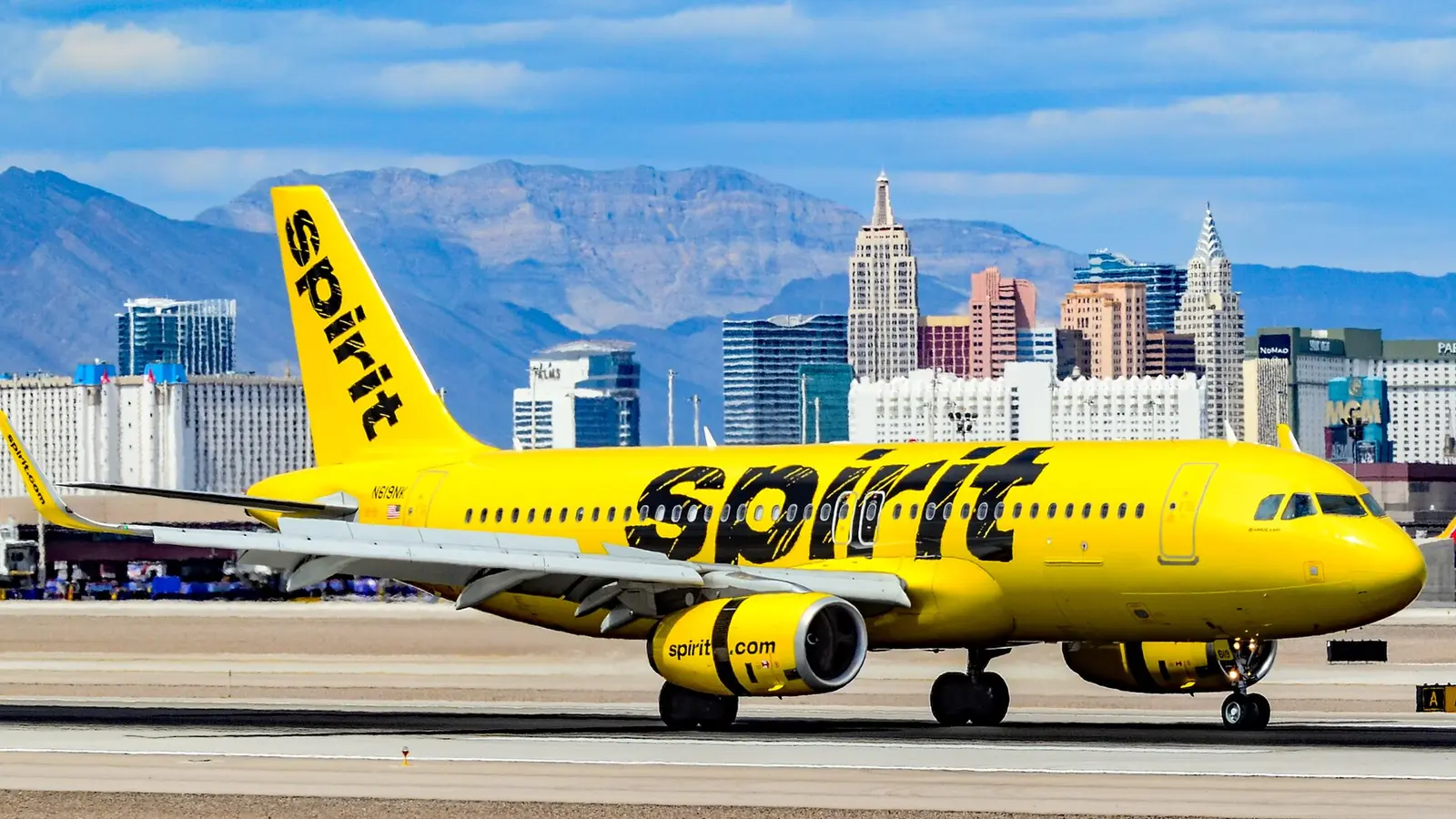
The Trump administration is in advanced discussions to provide emergency financing or potentially acquire Spirit Airlines, the struggling ultra-low-cost carrier that faces imminent liquidation following its second bankruptcy filing in less than two years, according to sources familiar with the matter and statements from President Donald Trump.
Parent company Spirit Aviation Holdings confirmed it is engaged in "very advanced discussions" with the U.S. government regarding a material financing package that could prevent the airline from shutting down operations. The proposed deal involves approximately $500 million in government financing in exchange for warrants potentially giving the federal government ownership of up to 90% of the restructured carrier, Bloomberg reported.
"We're thinking about doing it, helping them out, meaning bailing them out or buying it," Trump told reporters Thursday. "I think we'd just buy it." The president added that the government could "sell it for a profit" when oil prices decline, according to the Wall Street Journal.
Spirit Airlines, the largest budget carrier in the United States, filed for Chapter 11 bankruptcy protection for a second time in August 2025 after accumulating approximately $7.4 billion in debt. The airline previously entered bankruptcy in November 2024 following a federal judge's decision to block JetBlue Airways' $3.8 billion acquisition on antitrust grounds, a move overseen by Department of Transportation regulatory authorities.
The carrier has been downsizing dramatically as part of bankruptcy restructuring, reducing its fleet from over 210 aircraft to a planned 75-80 aircraft. Before the latest crisis, Spirit served more than 60 destinations across the United States, Latin America, and the Caribbean, employing over 11,000 workers according to company filings.
Spirit recently missed an interest payment on existing debt obligations, accelerating discussions with government officials about potential intervention. The airline had previously lined up plans to exit bankruptcy this summer before soaring jet fuel costs derailed the restructuring, sources said.
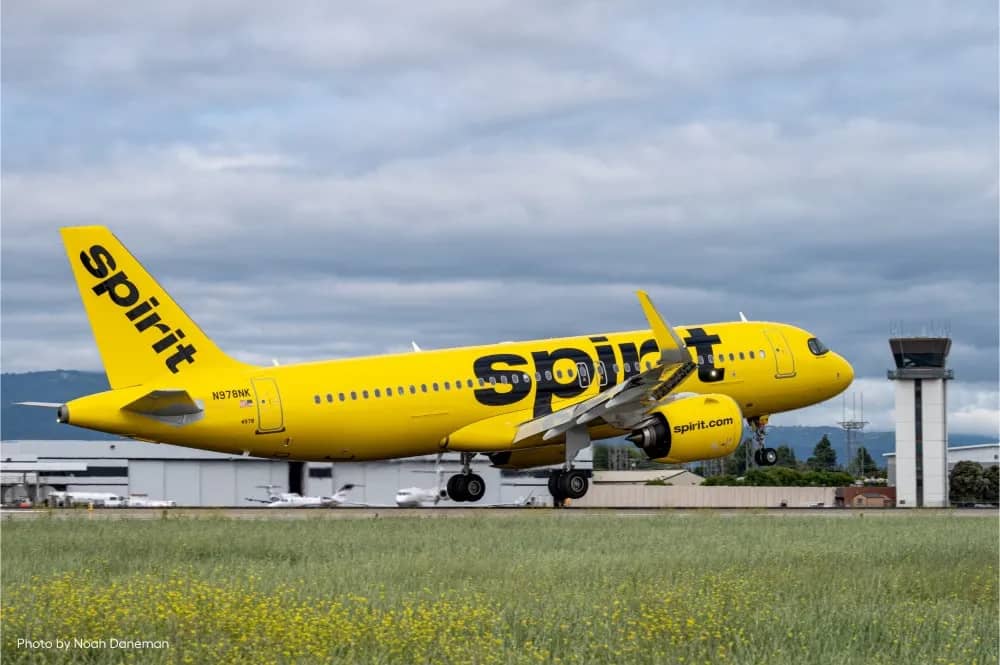
Jet fuel prices have surged at least 40% since the onset of conflict in Iran, creating severe financial pressure on budget carriers operating on thin profit margins. Industry analysts estimate that Spirit and other ultra-low-cost carriers have absorbed billions in additional fuel expenses, overwhelming their capacity to offset costs through fare increases.
The Trump administration's consideration of a Spirit Airlines rescue would mark the first major airline bailout since the COVID-19 pandemic, when the federal government provided loans to major carriers facing temporary demand collapse. A direct government acquisition of a commercial airline would be unprecedented in modern U.S. history, though federal officials have previously provided loan guarantees and emergency financing to struggling carriers.
Kush Desai, a White House spokesperson, said in a statement that Spirit "would be on a much firmer financial footing had the Biden administration not recklessly blocked the airline's merger with JetBlue." The administration is monitoring the situation and the broader health of the aviation industry, Desai added.
Trump emphasized the employment impact of potential Spirit liquidation during his remarks to CNBC earlier this week. "It's 14,000 jobs, and maybe the federal government should help that one out," he said, noting that he would "love somebody to buy Spirit" but acknowledging limited interest from potential acquirers given current market conditions.
The federal government has retained law firm Kirkland & Ellis to advise on structuring a potential rescue package, according to sources familiar with the engagement. The firm is working with Treasury Department officials to develop financing terms that balance taxpayer protection with the carrier's immediate liquidity needs.
A group of major Spirit bondholders, including Citadel, Cyrus Capital Partners, Arena Capital Advisors, and Ares Management Corporation, issued a statement supporting discussions with the government but insisting that any financing arrangement must respect existing creditor rights. The bondholder group expressed concern about being excluded from negotiations thus far, according to legal filings reviewed by aviation industry publication ch-aviation.
Industry reaction to the potential bailout has been mixed. Several budget carriers, including Frontier Airlines and Avelo Airlines, are seeking approximately $2.5 billion in federal assistance to offset higher fuel costs, the Wall Street Journal reported Monday. These carriers argue that government support is warranted given the industry-wide impact of geopolitical events beyond airline control, similar to support mechanisms available to international carriers.
Major legacy carriers have indicated that while higher fuel costs affect their operations, they are not experiencing financial distress comparable to budget operators. Ed Bastian, CEO of Delta Air Lines, said earlier this month that his company retains pricing power to offset fuel cost increases without significantly affecting passenger demand.
William McGee, senior fellow for aviation at the American Economic Liberties Project, cautioned that government intervention addresses immediate crisis without solving structural industry problems. "Bailing out or buying out Spirit won't solve the long-term, systemic competition and stability problems with the airline industry," McGee said in a statement.
Aviation industry analysts note that Spirit's potential liquidation would significantly reduce competition in the U.S. domestic market, where four major carriers already control approximately 75% of market share. The carrier's disappearance would eliminate price competition on numerous routes, particularly those connecting mid-sized cities where Spirit provides the only non-stop service.
For Spirit passengers, a government rescue would likely mean continued operations at reduced capacity while the airline works through restructuring. The carrier's business model of ultra-low base fares with substantial fees for services including carry-on bags and seat selection would presumably continue under any government-backed ownership structure, though specific operational details remain unclear.
Short-term liquidation would strand tens of thousands of passengers holding Spirit reservations and create operational chaos at airports where the carrier maintains significant presence, including Fort Lauderdale-Hollywood International Airport, its primary hub. Industry experts estimate that absorbing Spirit's passenger traffic would strain competing carriers' capacity, particularly during peak travel periods when budget carriers handle substantial passenger volumes.
The potential bailout comes as the broader aviation industry grapples with elevated fuel costs affecting profitability across all segments. Scott Kirby, CEO of United Airlines, recently approached Trump about a potential merger between United and American Airlines, arguing that consolidation would help U.S. carriers compete internationally against state-supported foreign competitors. Trump dismissed the proposal, stating "I don't like having them merge," according to sources familiar with the conversation.
Aviation fuel costs remain elevated with no immediate relief expected, according to energy market analysts. Brent crude futures continue trading above levels that make budget carrier operations financially viable without fare increases that undermine their core value proposition to price-sensitive customers, even as the industry explores alternative fuel sources.
Spirit's struggles illustrate the vulnerability of ultra-low-cost business models during periods of volatile input costs. The carrier's strategy of minimizing operational expenses to enable rock-bottom fares provides little buffer when fuel prices surge unexpectedly. Traditional carriers with more diversified revenue streams and premium cabin offerings demonstrate greater resilience to fuel price volatility.
The timeline for finalizing any government rescue package remains uncertain. Spirit faces immediate liquidity pressures that could force the company into liquidation proceedings within weeks if alternative financing does not materialize. Bankruptcy court proceedings continue in parallel, with creditors pushing for clarity on the government's intentions before agreeing to any restructuring plan.
Legal experts note that government acquisition of a commercial airline raises complex questions about federal operation of a private business, competitive dynamics with remaining private carriers, and eventual exit strategy. Previous government interventions in struggling companies, including General Motors during the 2008 financial crisis, provide some precedent though airline operations present unique regulatory and operational challenges.
Industry observers will watch closely whether the Trump administration follows through with financial intervention or allows normal bankruptcy processes to determine Spirit's fate. The decision could establish precedent for government response to airline financial distress and influence how carriers approach risk management and capital structure in an era of persistent volatility.
Representatives for Spirit Airlines, the U.S. Treasury Department, and the White House declined to comment beyond previous statements. Spirit's stock, which trades over-the-counter following delisting from major exchanges, has declined more than 95% from 2022 levels.