How Many Boeing 747-400 Freighters Are Still Flying in 2026? Fleet Breakdown & Operators
 Radu BalasPublished 13 min read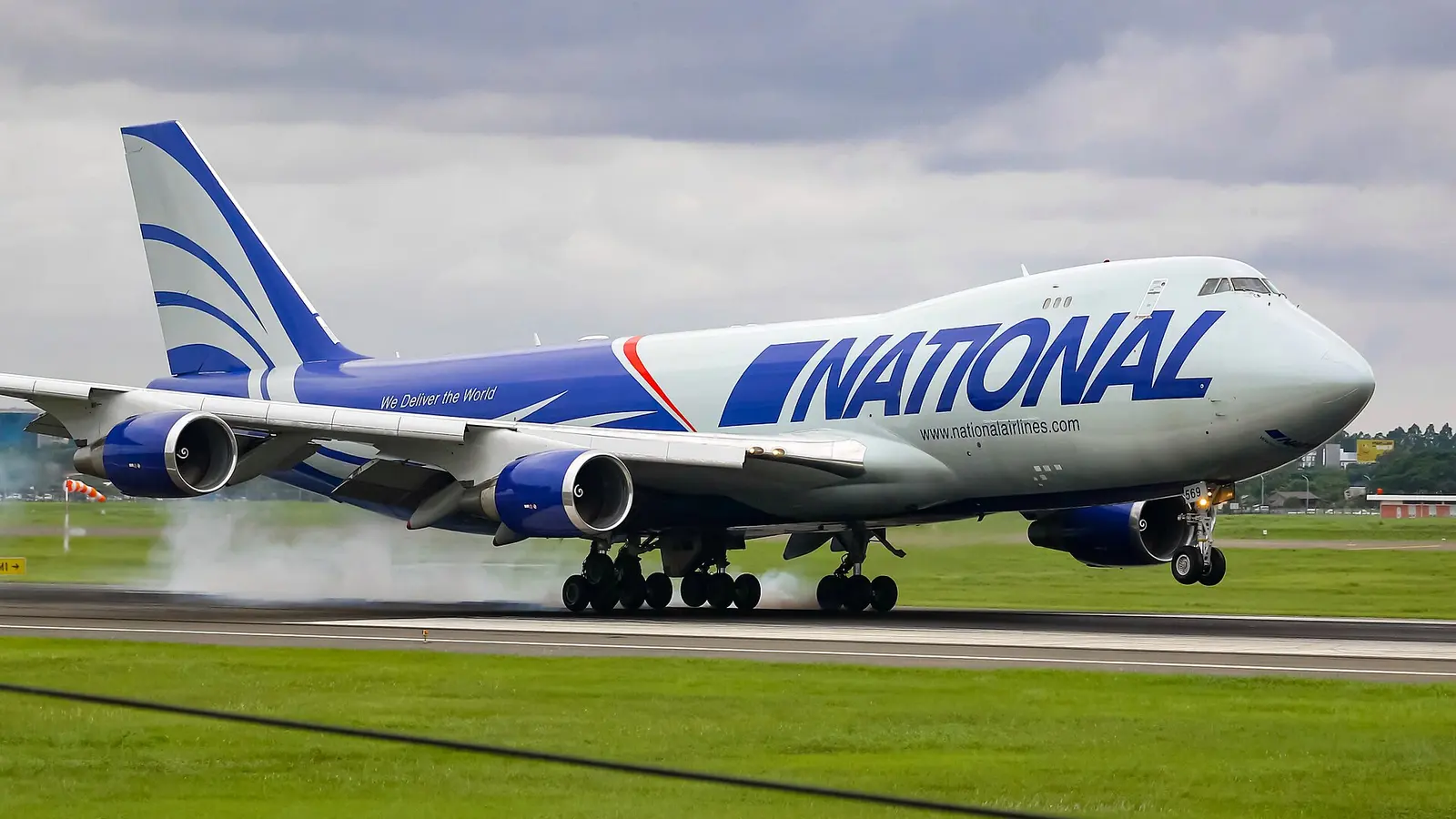
The Boeing 747 passenger variant rapidly disappears from global airline fleets, yet the 747-400F freighter continues hauling cargo across continents with no immediate replacement in sight. While airlines retired their last passenger jumbos years ago, cargo operators maintain substantial Boeing 747-400F fleet 2026 operations, capitalizing on the aircraft's unmatched nose-loading capability and high-volume capacity.
Understanding how many 747 freighters are still flying requires examining active aircraft, stored fleets awaiting reactivation, and operators who depend on this iconic Boeing 747 cargo aircraft for their most demanding routes. The 747 freighter operators landscape spans continents, with major carriers from North America, Europe, and Asia continuing to operate fleets ranging from a handful to over two dozen aircraft.
This comprehensive cargo aircraft fleet breakdown analyzes the current 747-400F population, identifies major operators maintaining active fleets, examines regional distribution patterns, and explains why this 1990s-era design remains economically viable despite newer, more efficient alternatives entering service.
How Many Boeing 747-400Fs Are Still Flying in 2026?
Approximately 135-150 Boeing 747-400F freighters remain in active service as of early 2026, down from peak operational levels exceeding 180 aircraft in the mid-2010s. This figure includes factory-built 747-400Fs plus 747-400ERF (Extended Range Freighter) variants, but excludes passenger-to-freighter conversions operating as 747-400BCF (Boeing Converted Freighter) aircraft.
The active fleet definition includes aircraft flying regular revenue cargo services, those temporarily parked between contracts but maintained in airworthy condition, and units undergoing scheduled heavy maintenance. Aircraft in long-term storage awaiting market conditions or permanently retired do not count toward active fleet totals.
Another 30-40 747-400F aircraft sit in storage at desert facilities including Victorville, California and Marana, Arizona. These stored aircraft represent reserve capacity that operators can reactivate when cargo demand spikes or as replacements for aircraft undergoing extended maintenance, as tracked by the FAA's aircraft certification database. Some stored units will eventually return to service, while others face permanent retirement and parting out for spare components.
Major Operators of the Boeing 747-400F
The global Boeing 747-400F fleet concentrates among a relatively small number of cargo carriers who built business models around the aircraft's unique capabilities.
Atlas Air
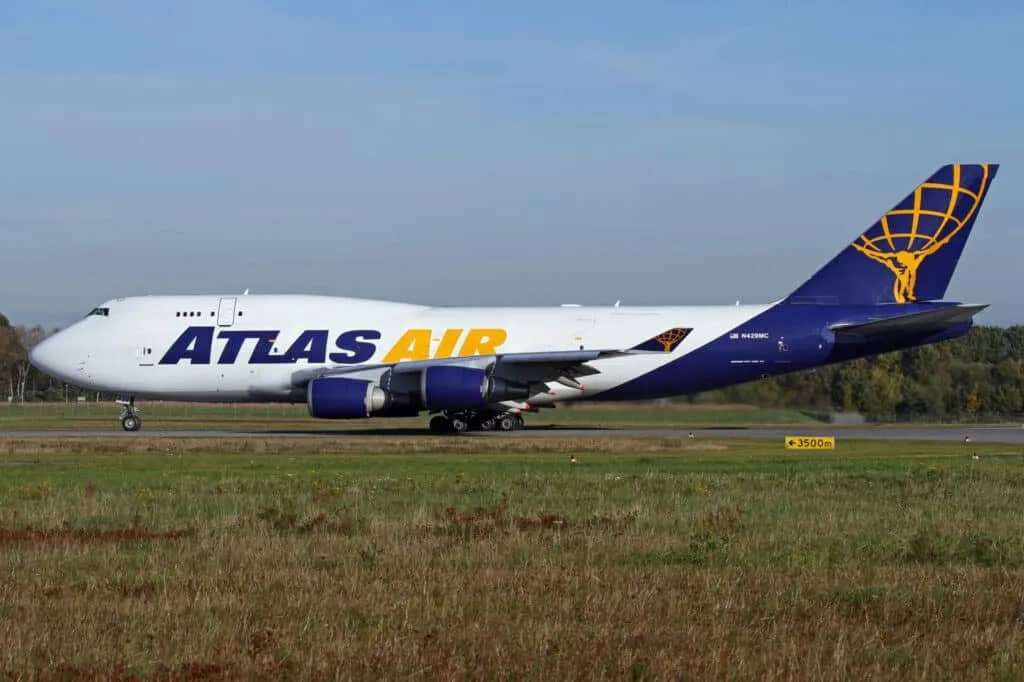
Atlas Air operates the world's largest 747-400F fleet with approximately 24-26 aircraft in active service. The U.S.-based ACMI (Aircraft, Crew, Maintenance, Insurance) carrier flies these aircraft on behalf of freight forwarders, e-commerce companies, and government customers requiring outsourced cargo capacity.
Atlas specializes in operating large freighters that other carriers prefer not to own directly, providing flexible capacity that scales with customer demand. The carrier's 747-400F fleet serves transpacific, transatlantic, and intra-Asian routes supporting time-sensitive cargo including perishables, automotive parts, and electronics.
Cargolux
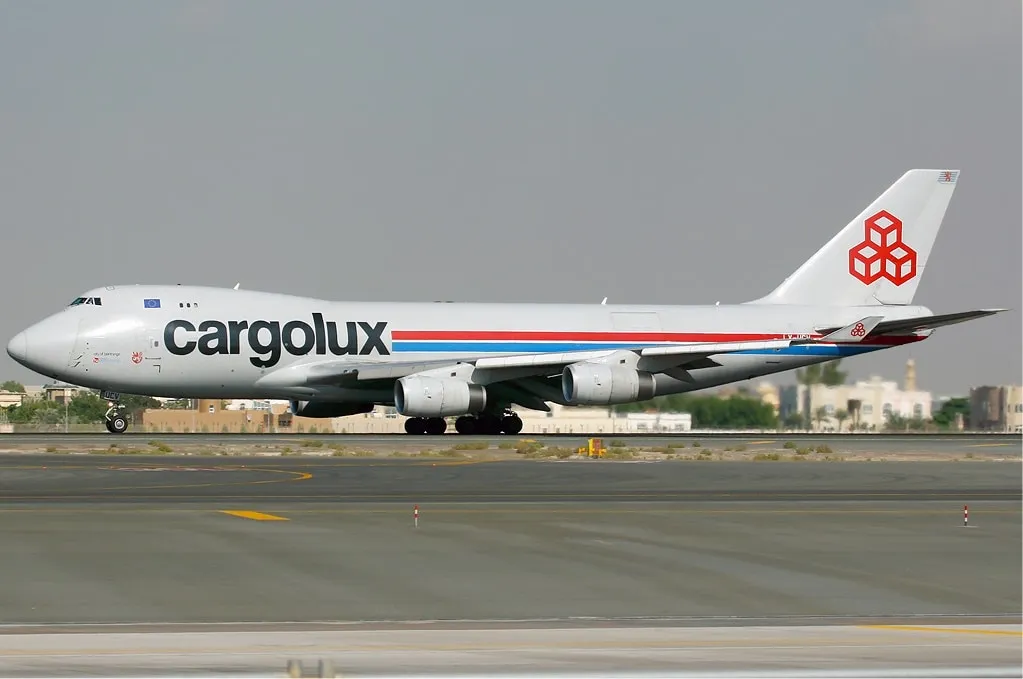
Luxembourg-based Cargolux maintains a fleet of approximately 14-16 Boeing 747-400Fs alongside newer 747-8F aircraft. As Europe's largest all-cargo carrier, Cargolux operates a global network connecting European production centers with Asian manufacturing hubs and North American consumer markets.
The carrier's 747-400F operations focus on long-haul routes where the aircraft's payload capacity and range capabilities match customer requirements for dense, high-value cargo. Cargolux schedules gradually transition older 747-400Fs to secondary routes as the carrier expands its 747-8F fleet.
UPS Airlines
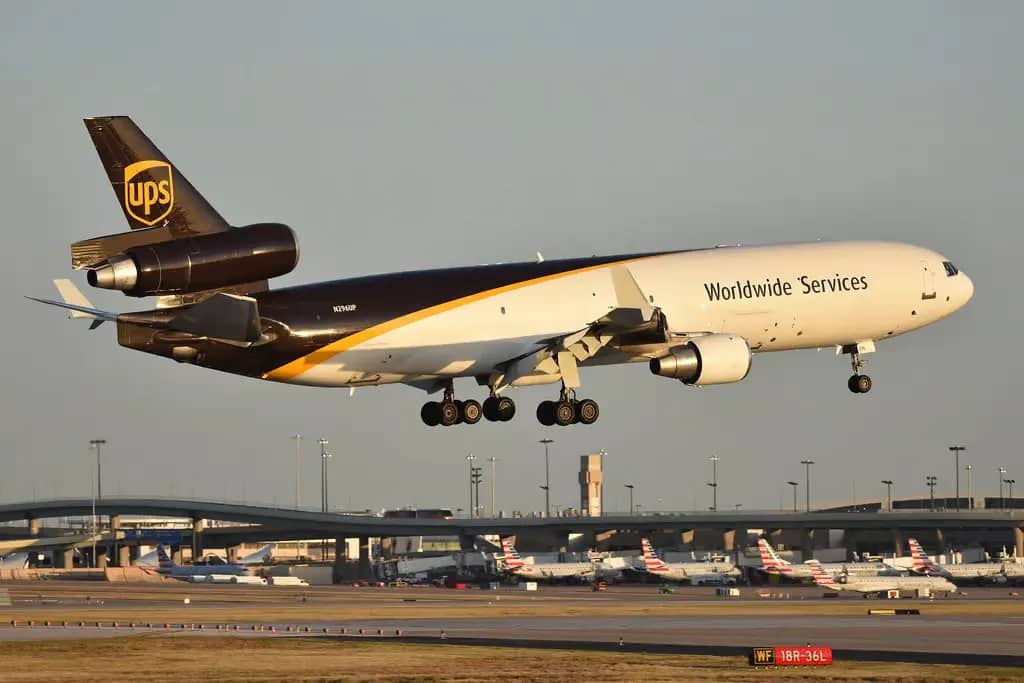
UPS operates approximately 20-22 Boeing 747-400Fs primarily on international routes connecting the carrier's Worldport hub in Louisville, Kentucky with European, Asian, and Latin American destinations. The integrated express carrier uses these aircraft for time-definite package delivery requiring the 747's combination of capacity and speed.
UPS previously operated a larger 747-400F fleet but retired older airframes as Boeing 747-8F and 767F aircraft entered service. The remaining 747-400F units handle peak seasonal demand and serve routes where cargo volumes justify the aircraft's size but don't require the newest technology.
Kalitta Air
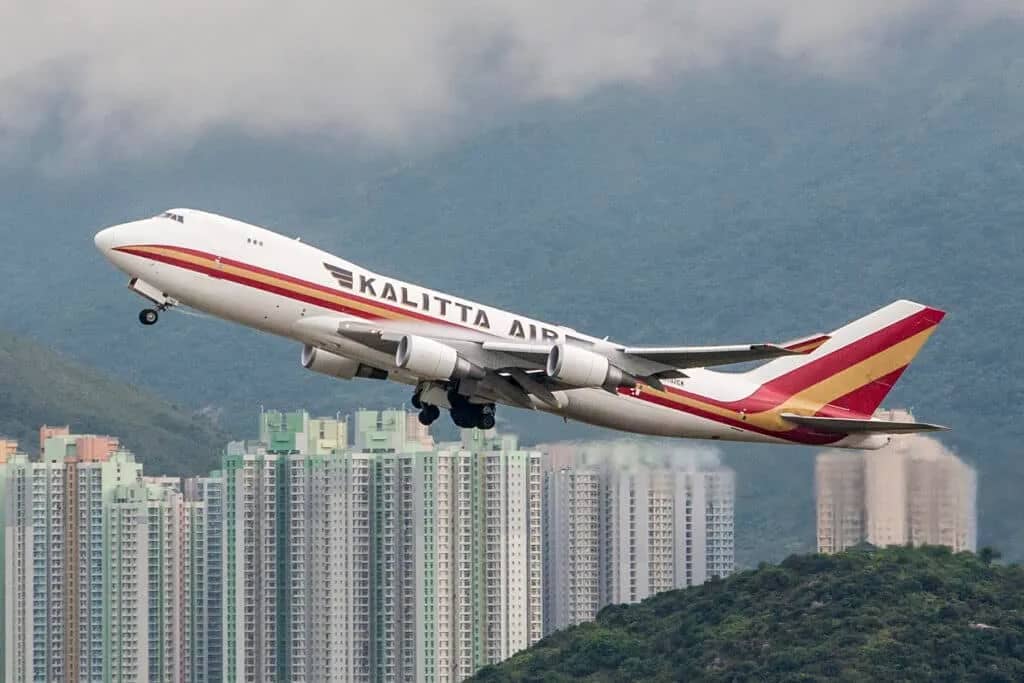
Michigan-based Kalitta Air operates roughly 12-14 Boeing 747-400Fs providing charter cargo services and ACMI capacity for government and commercial customers. The carrier specializes in outsized cargo movements, humanitarian relief flights, and military contract operations requiring the 747's unique nose-loading capability.
Kalitta maintains one of the youngest 747-400F fleets among U.S. operators, having acquired relatively low-time aircraft from passenger operators converting to other types. This strategy extends the economic lifespan of the carrier's fleet compared to operators flying higher-time airframes.
Lufthansa Cargo
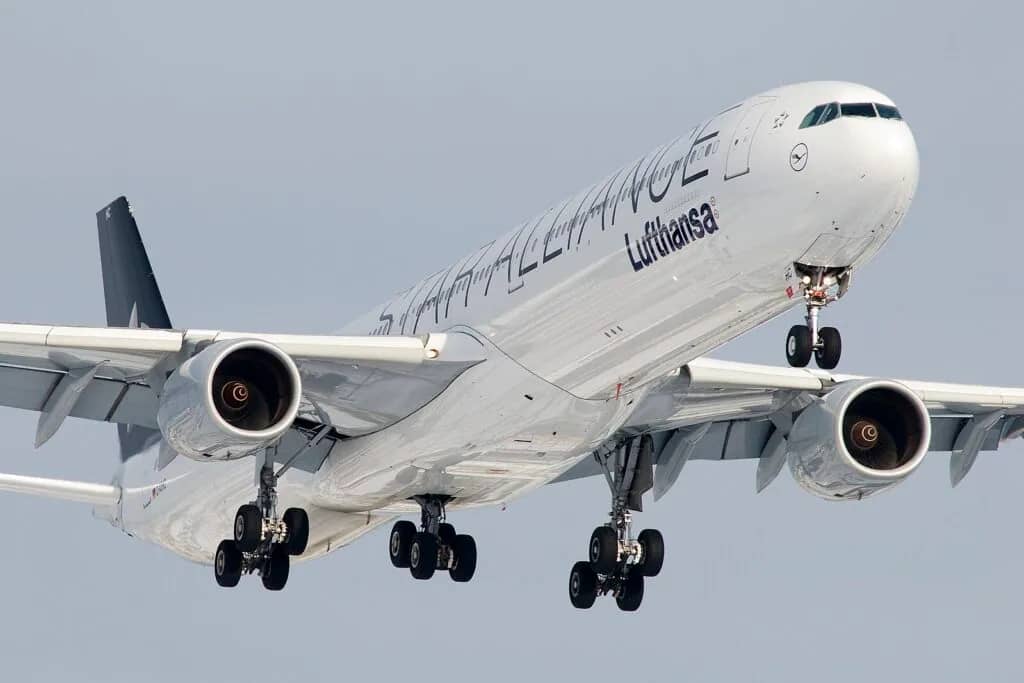
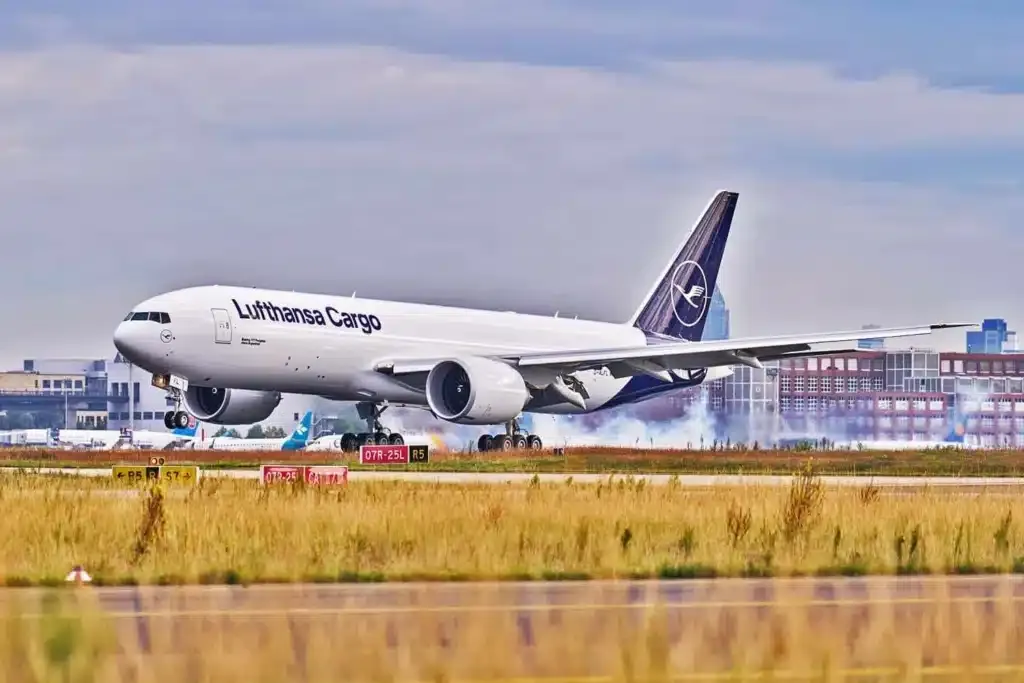
German carrier Lufthansa Cargo operates approximately 5-7 Boeing 747-400Fs primarily on European-Asian routes, though the fleet continues shrinking as the carrier transitions to Boeing 777F aircraft. The remaining 747-400Fs serve routes where cargo demand fluctuates seasonally, providing flexibility that the carrier's smaller MD-11F fleet cannot match.
Lufthansa plans complete 747-400F retirement within the next few years as newer, more fuel-efficient twin-engine freighters deliver improved economics on the carrier's core European-Asian trade lanes. The 747-400F withdrawal marks the end of an era for a carrier that operated 747 freighters for decades.
Other Significant Operators
Additional carriers operating smaller 747-400F fleets include Polar Air Cargo (8-10 aircraft), AirBridgeCargo (suspended operations but fleet intact), National Airlines (4-6 aircraft), and Silk Way West Airlines (3-5 aircraft). These operators serve niche markets, specific trade lanes, or provide ACMI capacity supplementing larger carriers' networks.
Fleet Breakdown by Region
Geographic distribution of 747-400F operations reflects global cargo demand patterns, with concentration in regions supporting high-volume, long-haul freight movements.
North America
North American operators account for approximately 60-65% of the global 747-400F fleet, reflecting the region's dominance in ACMI cargo operations and express package delivery. U.S.-based carriers including Atlas Air, UPS, Kalitta Air, and National Airlines concentrate operations at hubs in Louisville, Miami, Anchorage, and Los Angeles.
Transpacific routes connecting North American and Asian markets represent the highest-density 747-400F operations globally, with multiple daily frequencies linking manufacturing centers to consumer markets. Peak season cargo demand during holiday periods drives North American operators to activate stored aircraft supplementing regular capacity.
Europe
European 747-400F operations concentrate among Cargolux, Lufthansa Cargo, and to a lesser extent Silk Way West Airlines operating from Baku. European carriers focus on European-Asian trade lanes plus transatlantic routes serving the automotive, pharmaceutical, and technology sectors requiring time-sensitive air freight capacity.
European operators represent roughly 20-25% of the global 747-400F fleet, with numbers declining as carriers transition to more fuel-efficient 777F and future A350F aircraft. Environmental regulations and sustainability pressures accelerate European 747-400F retirement compared to other regions.
Asia-Pacific
Asian operators maintain approximately 10-15% of the global 747-400F fleet, with Korean Air Cargo, China Airlines Cargo, and smaller carriers operating limited numbers. Many Asian carriers retired 747-400Fs earlier than Western counterparts, replacing them with 777Fs better suited to regional route structures.
The collapse of Russia's AirBridgeCargo operations in 2022 eliminated a significant Asian-based 747-400F fleet that previously served European-Asian cargo flows. Remaining Asian 747-400F operations concentrate on long-haul routes to North America and Europe where aircraft size justifies deployment.
Middle East
Middle Eastern carriers operate minimal 747-400F capacity, with most regional cargo flying on 777F aircraft better matching route economics. The region's geographic position favoring twin-engine operations on European-Asian routes reduces 747-400F deployment compared to carriers serving transoceanic markets requiring maximum payload capacity.
Why the Boeing 747-400F Remains in Demand
Despite its age and the availability of newer freighter aircraft, the 747-400F continues operating economically on specific routes where its unique characteristics create competitive advantages.
Nose-Loading Capability
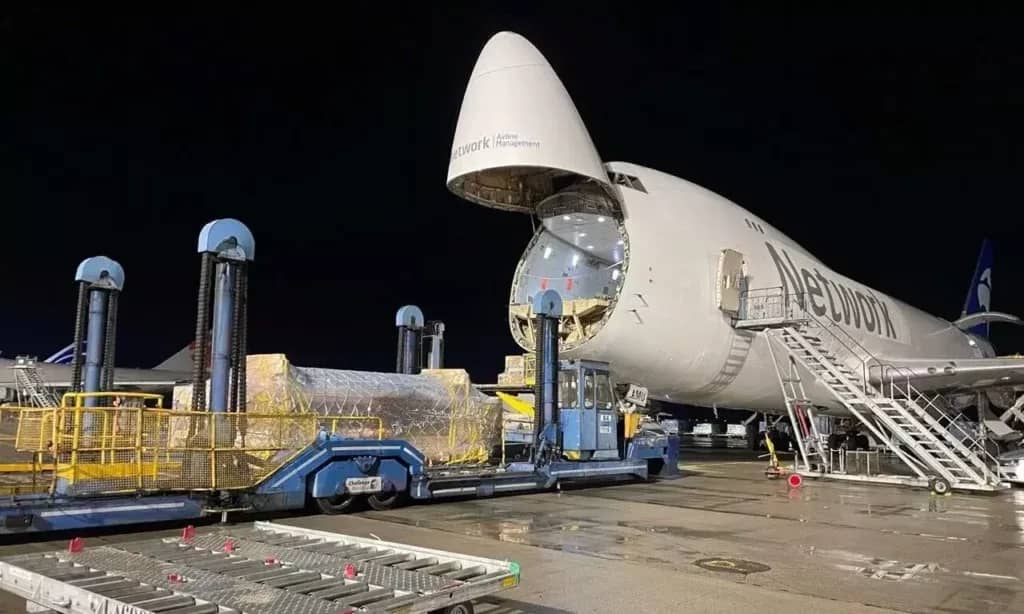
The 747F's distinctive upward-opening nose door allows loading cargo up to 30 feet long in a single piece, a capability no other production freighter matches. This feature proves essential for transporting aerospace components, industrial machinery, vehicles, and other outsized items that cannot fit through standard side cargo doors.
Military and humanitarian cargo movements particularly value nose-loading capability, as it enables efficient loading and unloading of vehicles, helicopters, and relief supplies. Charter operators serving these markets maintain 747F fleets specifically for nose-loading capability despite higher operating costs than newer aircraft requiring complex cargo documentation.
High Cargo Volume Capacity
The 747-400F carries approximately 124 tons of cargo in roughly 858 cubic meters of volume, providing more total capacity than twin-engine alternatives including the 777F. Dense cargo operations filling available volume before reaching weight limits favor the 747F's larger interior, particularly on routes serving e-commerce and package delivery markets.
Main deck volume accommodates up to 30 standard cargo pallets plus additional lower deck capacity, allowing consolidation of diverse shipment types on single flights. This flexibility attracts freight forwarders and integrated carriers moving mixed cargo requiring sorting at destination hubs.
Long-Range Performance
Maximum range capabilities exceeding 4,400 nautical miles allow 747-400F operations on transpacific routes including Asian-North American markets without intermediate stops. While newer 777F aircraft offer superior range, the 747F's combination of range and payload capacity matches requirements for many long-haul cargo routes.
Operators value the 747F's proven reliability on extended oceanic flights where aircraft availability directly affects schedule integrity. Decades of operational experience provide maintenance teams with extensive knowledge supporting high dispatch reliability essential for time-sensitive cargo movements and insurance requirements.
Passenger vs Freighter 747 Operational Trends
The diverging fates of passenger and freighter 747 variants highlight fundamentally different market dynamics affecting each segment.
Major passenger airlines retired their last 747-400 aircraft by 2017-2018, with final passenger 747-8I operations ending by 2023. Airlines replaced passenger jumbos with more fuel-efficient twin-engine aircraft including 777-300ER, 787-9, and A350-900 offering superior economics on previously 747-served routes.
Cargo operators face different economic calculations favoring continued 747F operations. Freight markets prioritize payload capacity and cargo door configurations over passenger comfort and fuel efficiency, allowing older aircraft to compete effectively when properly maintained. Used 747F values remain relatively stable compared to passenger variants, reflecting sustained cargo demand.
The COVID-19 pandemic accelerated passenger 747 retirement while simultaneously boosting cargo 747 utilization rates. Unprecedented cargo demand combined with reduced belly freight capacity from grounded passenger aircraft created spot market conditions where even older 747Fs achieved profitable operations, according to IATA air cargo market analysis.
Passenger-to-Freighter Conversion Market
Boeing and third-party conversion specialists transformed approximately 50-60 passenger 747-400s into 747-400BCF (Boeing Converted Freighter) and 747-400SF (Special Freighter) configurations, supplementing factory-built freighter numbers. These converted aircraft entered service primarily between 2005-2015 as passenger operators retired 747-400s earlier than initially planned.
Conversion economics favored passenger-to-freighter programs when suitable 747-400 passenger aircraft traded at low values relative to conversion costs ranging from $20-30 million. However, as the passenger 747 fleet aged and feedstock aircraft accumulated higher cycles, conversion economics deteriorated compared to acquiring used factory-built freighters or newer 777F aircraft.
Most 747-400BCF operations today involve aircraft approaching retirement age, with limited additional passenger-to-freighter conversions expected given the exhausted feedstock supply and preference for more modern platforms among cargo operators investing in long-term fleet capacity.
Comparison With Newer Cargo Aircraft
The 747-400F competes against several newer freighter designs offering improved economics and operational capabilities.
Boeing 747-8F
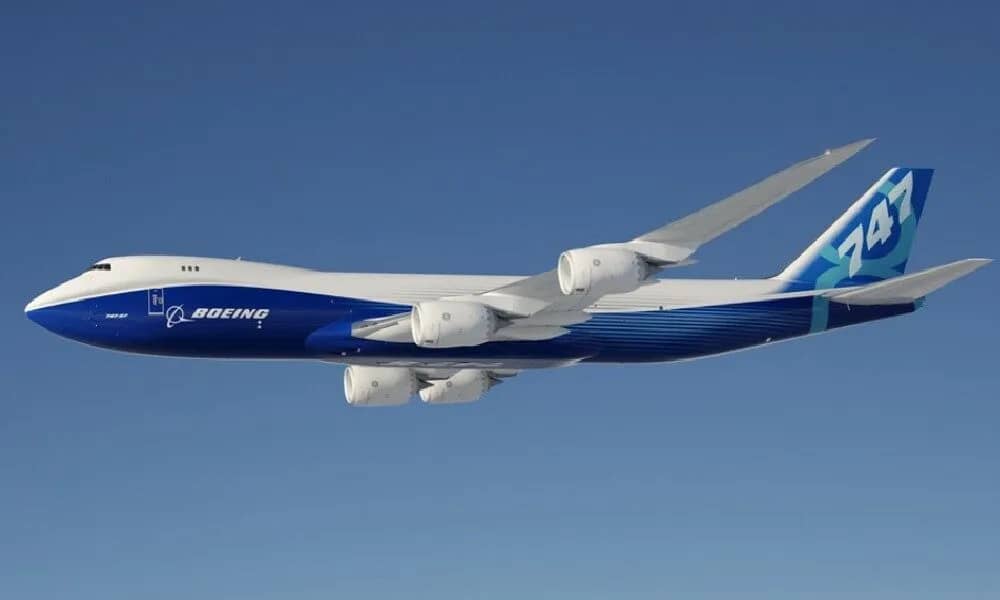
The 747-8F represents Boeing's final 747 variant, offering roughly 16% more payload capacity and 18% better fuel efficiency than the 747-400F. Approximately 120 747-8Fs operate globally, though Boeing ended production in 2022 after delivering the last aircraft.
Operators including Cargolux, UPS, and Volga-Dnepr Group chose 747-8F for its capacity advantages on routes where cargo volumes justify the largest available freighter. However, the 747-8F's higher acquisition and operating costs limit its appeal compared to twin-engine alternatives for many cargo operations.
Boeing 777F

The 777F has emerged as the preferred long-haul freighter choice for most cargo operators, offering superior fuel efficiency compared to 747 variants while providing sufficient capacity for most routes. FedEx, Emirates SkyCargo, Qatar Airways Cargo, and others operate substantial 777F fleets gradually replacing 747-400F capacity.
Twin-engine economics deliver approximately 18-20% lower trip costs on routes where payload requirements fit 777F capacity. This cost advantage drives fleet planning toward 777F acquisitions over additional 747 freighters despite the 777F's smaller total capacity and lack of nose-loading capability.
Airbus A350F
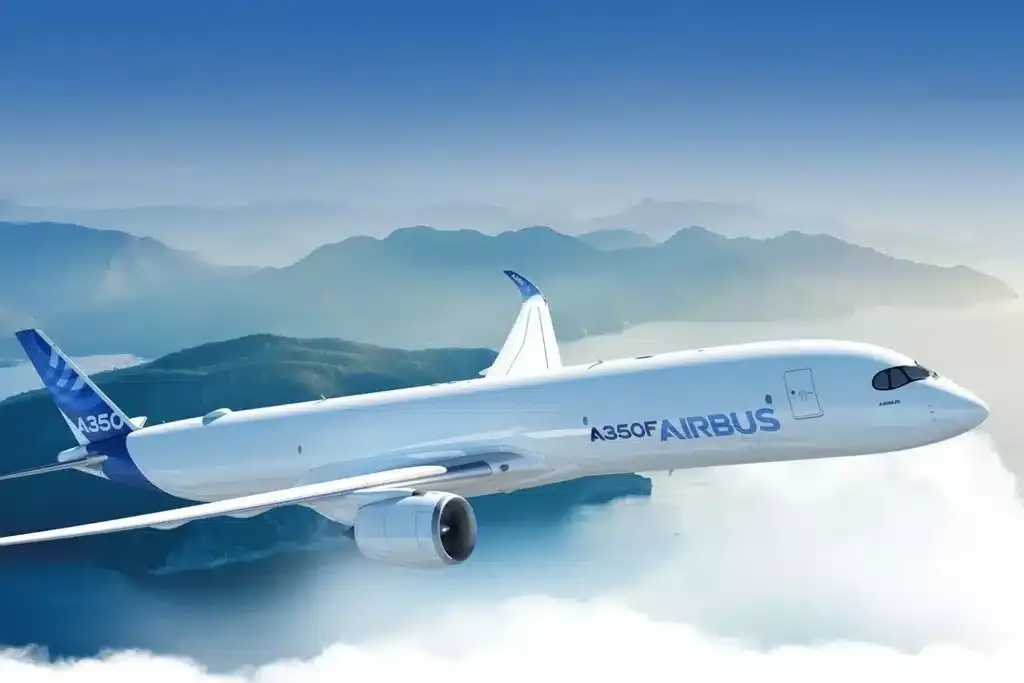
Airbus launched the A350F freighter in 2021 with first deliveries scheduled for 2025-2026, targeting the same market segment as the 777F. Launch customers including Singapore Airlines Cargo and Air France-KLM Cargo ordered the type seeking the latest technology and operational economics.
The A350F represents the first new widebody freighter design in over a decade, offering fuel burn improvements estimated at 10-15% compared to 777F. However, the type cannot match 747F total capacity, limiting its ability to replace the jumbo freighter on highest-density routes requiring maximum volume.
Future of the 747-400F Fleet
The 747-400F faces inevitable retirement over the next 5-10 years as aircraft ages increase and operators transition to more economical alternatives. Most experts project the active 747-400F fleet shrinking to 80-100 aircraft by 2028-2029, with continued decline through the early 2030s.
Retirement timing depends heavily on cargo market conditions and operator-specific fleet strategies. Strong cargo demand extends 747-400F service lives as operators maximize returns on fully depreciated assets, while weak markets accelerate retirement of the least efficient units.
Operators including Atlas Air and UPS will likely maintain limited 747-400F operations into the early 2030s for specific missions requiring nose-loading or maximum capacity. However, the bulk of the fleet faces retirement by 2030-2032 as maintenance costs escalate and parts availability deteriorates.
No direct 747-400F replacement exists for operators requiring maximum cargo capacity and nose-loading capability. Some operators may extend 747-8F operations through the 2030s, though this represents the absolute end of four-engine freighter operations as the industry transitions entirely to twin-engine designs prioritizing efficiency over maximum capacity.
Active 747-400F Fleet by Major Operator (2026 Estimates)
| Operator | Estimated Fleet Size | Primary Region | Key Routes/Notes |
|---|---|---|---|
| Atlas Air | 24-26 aircraft | North America | ACMI operations, transpacific/transatlantic |
| UPS Airlines | 20-22 aircraft | North America | Express package delivery, international hubs |
| Cargolux | 14-16 aircraft | Europe | European-Asian trade lanes, transitioning to 747-8F |
| Kalitta Air | 12-14 aircraft | North America | Charter cargo, government contracts, ACMI |
| Polar Air Cargo | 8-10 aircraft | North America | Transpacific routes, seasonal operations |
| Lufthansa Cargo | 5-7 aircraft | Europe | European-Asian routes, fleet declining |
| National Airlines | 4-6 aircraft | North America | Charter operations, ACMI capacity |
| Silk Way West | 3-5 aircraft | Middle East/Europe | European-Asian connectivity via Baku hub |
| Others (various) | 10-15 aircraft | Global | Smaller operators, charter services |
| Total Estimated | 135-150 aircraft | Global | Active revenue service 2026 |
Note: Fleet sizes represent estimates based on publicly available data and industry sources. Actual numbers fluctuate based on aircraft storage, maintenance cycles, and lease contract changes. Figures current as of Q1 2026.
Frequently Asked Questions
How many Boeing 747-400 freighters are still flying in 2026?
Approximately 135-150 Boeing 747-400F freighters remain in active cargo service as of early 2026, down from peak levels exceeding 180 aircraft in the mid-2010s. This total includes factory-built 747-400F and 747-400ERF variants but excludes passenger-to-freighter conversions.
Another 30-40 aircraft sit in desert storage as reserve capacity. The active fleet continues declining as operators retire older airframes and transition to more fuel-efficient twin-engine freighters including the Boeing 777F.
Which airlines operate the most 747-400F freighters?
Atlas Air operates the world's largest 747-400F fleet with approximately 24-26 aircraft, followed by UPS Airlines with 20-22 aircraft, and Cargolux with 14-16 units. Kalitta Air maintains 12-14 aircraft, while Polar Air Cargo operates 8-10 freighters.
North American operators collectively account for roughly 60-65% of the global 747-400F fleet, reflecting the region's dominance in ACMI cargo operations and express package delivery services.
Why is the Boeing 747 still used for cargo when passenger versions are retired?
The 747-400F continues cargo operations because freight markets prioritize payload capacity and cargo door configurations over fuel efficiency. The aircraft's unique nose-loading capability allows transporting outsized cargo up to 30 feet long that cannot fit through standard side doors, making it essential for aerospace components, machinery, and military cargo.
Additionally, the 747F's 124-ton capacity and 858 cubic meters of volume exceed alternatives like the 777F, making it economically viable on high-density routes despite higher fuel consumption than newer aircraft.
What is the difference between 747-400F and 747-8F?
The 747-8F is Boeing's final 747 variant, offering approximately 16% more payload capacity and 18% better fuel efficiency than the 747-400F. The 747-8F carries roughly 140 tons compared to 124 tons for the 747-400F, with longer range and modernized cockpit systems.
However, the 747-8F costs significantly more to acquire and operate, limiting its appeal compared to twin-engine 777F for many cargo routes. Boeing ended 747-8F production in 2022 after delivering approximately 120 aircraft, marking the end of 747 manufacturing after over 50 years.
When will the 747-400F be completely retired from service?
Most industry analysts expect the bulk of the 747-400F fleet to retire by 2030-2032, though some operators may maintain limited fleets into the early 2030s for specific missions requiring nose-loading or maximum capacity.
The active fleet will likely shrink to 80-100 aircraft by 2028-2029, with continued decline as maintenance costs escalate and parts availability deteriorates. Retirement timing depends on cargo market conditions, with strong demand extending service lives while weak markets accelerate retirement of less efficient units.
Are there any new 747 freighters being built?
No, Boeing ended all 747 production in 2022 after delivering the final aircraft, a 747-8F freighter for Atlas Air. The last 747 passenger variant (747-8I) delivered in 2017, with only freighter production continuing through 2022.
No manufacturer currently builds four-engine widebody freighters, as the industry transitions entirely to more fuel-efficient twin-engine designs including the Boeing 777F and upcoming Airbus A350F. The end of 747 production marks the conclusion of over 50 years of jumbo jet manufacturing, with approximately 1,570 total 747s built across all variants.
Conclusion
The Boeing 747-400F fleet in 2026 represents the final chapter of the jumbo jet's storied aviation career. While passenger variants vanished from airline fleets years ago, cargo operators continue extracting value from these versatile freighters through strategic deployment on routes where their unique capabilities justify continued operations.
Approximately 135-150 active 747-400Fs serve global cargo markets, concentrated among North American ACMI carriers and express package delivery operators who leverage the aircraft's nose-loading capability and high-volume capacity. This fleet will inevitably shrink over the next 5-10 years as operators transition to more economical twin-engine alternatives.
The 747-400F's legacy extends beyond simple tonnage statistics. These aircraft enabled modern global supply chains, connected manufacturing centers with consumer markets, and provided critical capacity during unprecedented demand spikes including the COVID-19 pandemic. As the fleet enters its final decade of service, the 747F remains a testament to Boeing's engineering achievement and the enduring value of versatile, capable cargo aircraft even in an era prioritizing fuel efficiency above all else.