UK Raises Private Jet Air Passenger Duty by 50 Per Cent
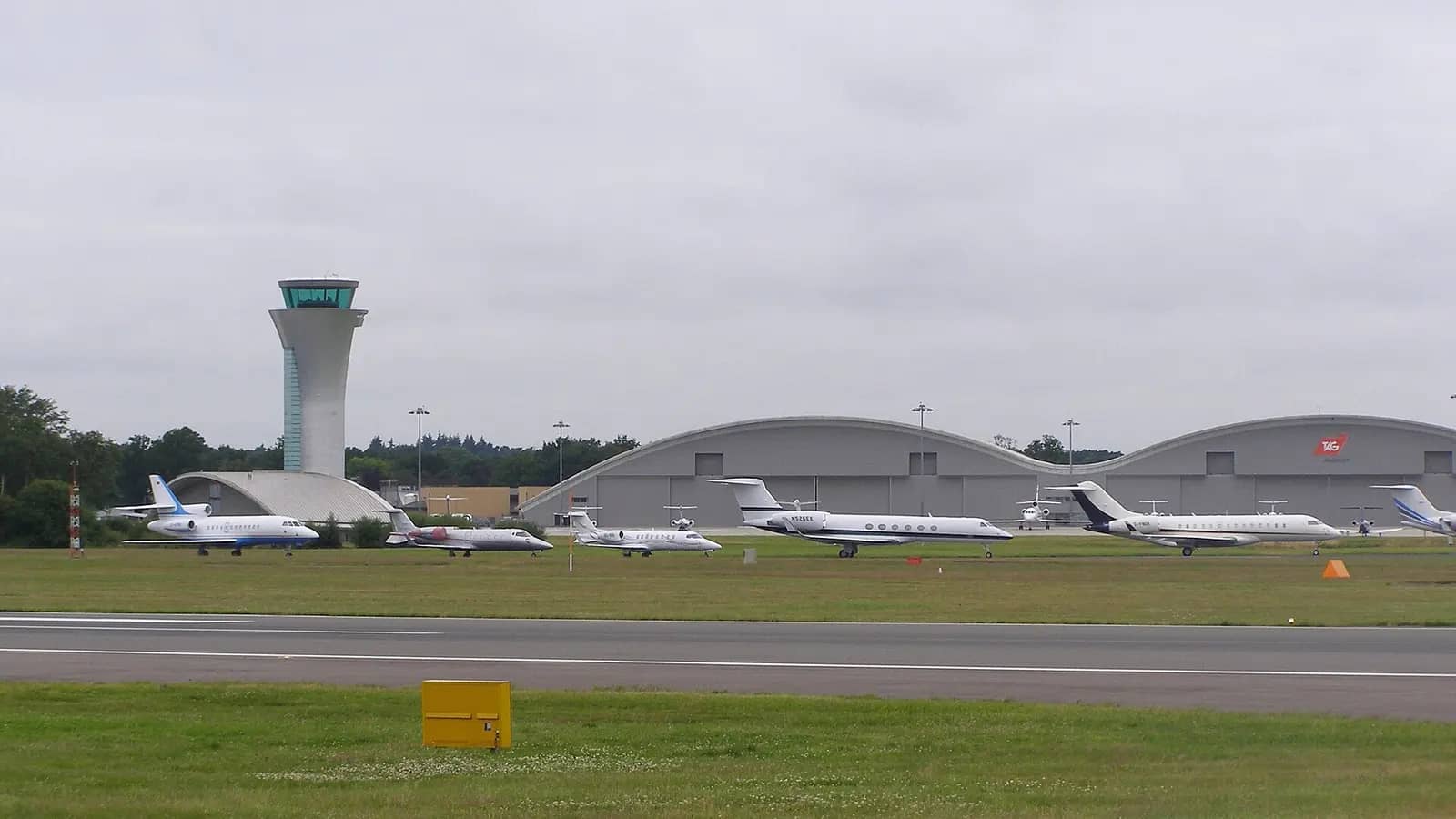
Passengers flying from the UK on large private jets will pay sharply more Air Passenger Duty (APD) from 1 April 2026. The higher rate of APD, which applies to private aircraft of 20 tonnes or more, rises by 50% on top of the normal inflation-linked increase. The change was announced by Chancellor Rachel Reeves in the Autumn Budget on 30 October 2024 and was legislated in the Finance Act 2025.
On the longest flights the duty rises from £673 per passenger in 2025-26 to £1,141 in 2026-27. Passengers on commercial flights also pay more, but by much smaller amounts: the duty on an economy ticket for a short-haul flight in Band A goes up by £2, from £13 to £15.
How APD works
APD is charged on passengers departing from UK airports. It is paid by the airline or aircraft operator, which normally passes it on in the fare or, for private aviation, in the charter price. The amount depends on two things:
- Distance band: the domestic band and Band A (up to 2,000 miles from London), Band B (2,001 to 5,500 miles) and Band C (more than 5,500 miles).
- Rate: the reduced rate for the lowest class of travel, the standard rate for any other class (including any seat with a pitch of more than 40 inches), and the higher rate for travel on aircraft of 20 tonnes or more equipped to carry fewer than 19 passengers.
The higher rate was designed to capture large private jets such as the Gulfstream G650 and Bombardier Global series, which weigh well over 20 tonnes but carry only a handful of passengers. Smaller private jets under 20 tonnes, such as light and midsize jets, have so far paid the same reduced or standard rates as airline passengers.
The new rates
The table compares the higher rate per passenger in the 2025-26 tax year with the rate from 1 April 2026, alongside the standard rate paid by premium passengers on airlines.
| Band | Higher rate 2025-26 | Higher rate from April 2026 | Standard rate from April 2026 |
|---|---|---|---|
| Domestic | £84 | £142 | £16 |
| Band A (0-2,000 miles) | £84 | £142 | £32 |
| Band B (2,001-5,500 miles) | £647 | £1,097 | £244 |
| Band C (over 5,500 miles) | £673 | £1,141 | £253 |
For a large business jet carrying eight passengers from London to New York, which falls in Band B, the APD bill for the outbound flight rises from about £5,200 to about £8,800. Set against the cost of chartering a long-range jet across the Atlantic, the increase is modest, but it is a significant change in the tax treatment of the sector.
Why the government made the change
The Treasury gave two reasons. First, APD rates had fallen in real terms because previous increases, set more than a year in advance using forecast inflation, had not kept pace with actual inflation, so all rates for 2026-27 include a catch-up increase. Second, the government said private jet users should make a fair contribution to the public finances and that APD on private jets should be more in line, as a share of the cost of the trip, with APD on commercial airfares.
The Office for Budget Responsibility certified that the 2026-27 APD changes as a whole would raise £520 million in 2026-27, rising to £720 million by 2029-30.
Alongside the 2024 Budget, the government opened a consultation on extending the higher rate to more private jets, since many business aircraft fall below the 20-tonne threshold and pay the same rates as airline passengers. The consultation closed on 22 January 2025.
What it means for operators
For operators, the practical effect is an increase in the tax element of each quote for UK departures on large jets. Charter brokers and fractional providers pass APD through to customers, so the cost falls mainly on the passengers.
What has happened since
The government went further in its Budget in November 2025. It confirmed that from 1 April 2027 the higher rate will apply to all aircraft of 5.7 tonnes or more operating as a private or business jet, regardless of seat count, ending the 20-tonne threshold for business aviation. The child exemption will not apply to passengers on these flights. HM Revenue and Customs published draft legislation in July 2026 for inclusion in the Finance Bill 2026-27, and estimates the extension will raise about £10 million a year.
Rates for 2027-28 have also been set, rounded to the nearest penny for the first time: the higher rate will be £146.63 for domestic and Band A flights, £1,132.76 for Band B and £1,178.20 for Band C. The full schedules are published on GOV.UK.