How Airlines Make Money Despite Massive Operating Costs
 Radu BalasPublished 13 min read
Commercial aviation appears glamorous with sleek aircraft, global networks, and millions of passengers. Behind this facade, airlines operate on razor-thin profit margins averaging just 3-5% in good years. A single unexpected event can push carriers from profitability to bankruptcy within months.
Yet some airlines generate billions in annual profits while competitors struggle or fail. How airlines make money involves far more than ticket sales. The modern airline business model relies on multiple revenue streams, aggressive cost management, and increasingly creative approaches to extracting value from every passenger and flight.
This guide reveals how airlines actually profit despite enormous expenses, why baggage fees and credit cards matter more than you'd expect, and which revenue sources determine success or failure in today's competitive aviation industry.
Why Airlines Have Extremely High Costs
Understanding airline operating costs reveals why profitability is so challenging. Airlines face massive fixed expenses that don't decrease even when revenues drop.
Major airline expenses include:
- Fuel Costs (25-35% of expenses): Airlines burn billions of dollars in jet fuel annually. A Boeing 777 consumes roughly 2,000 gallons per hour, costing $5,000-6,000 hourly at current prices. Fuel volatility can swing an airline from profit to loss instantly.
- Aircraft Leasing and Depreciation (10-15%): Most airlines lease rather than own aircraft. A new 787 Dreamliner lease costs $800,000-1.2 million monthly. Airlines operating 100+ aircraft face hundreds of millions in annual leasing payments regardless of whether planes fly empty or full.
- Labor Costs (25-35%): Pilots, flight attendants, mechanics, and ground staff represent massive payroll expenses. Senior captain salaries reach $300,000+ annually, while airlines employ thousands of workers. Union contracts often limit cost-cutting flexibility during downturns.
- Maintenance and Repairs (10-12%): Aircraft require continuous maintenance following strict safety regulations. Engine overhauls cost millions per aircraft. Aging fleets increase maintenance expenses, forcing difficult decisions about fleet renewal investments.
- Airport Fees and Navigation Charges (5-7%): Airports charge landing fees, gate fees, handling charges, and passenger facility fees. Major hub operations at expensive airports like London Heathrow or Tokyo Narita significantly increase per-flight costs.
- Sales and Marketing (3-5%): Distribution costs through travel agencies, online booking systems, advertising, and loyalty program expenses add up quickly across global route networks.
With such enormous costs, airlines must generate substantial revenues across multiple channels to achieve profitability. Operating leverage works both ways: small revenue increases during good times generate disproportionate profits, but small decreases quickly produce losses.
How Airlines Actually Make Money
Airlines generate revenue through five primary channels, each contributing differently to overall profitability.
Core revenue streams include:
Ticket Sales (60-70% of revenue): Passenger fares remain the foundation of airline economics. However, ticket revenue alone rarely generates sufficient profits given low margins. Airlines sell millions of tickets annually at varying prices, using sophisticated systems to maximize revenue from each seat.
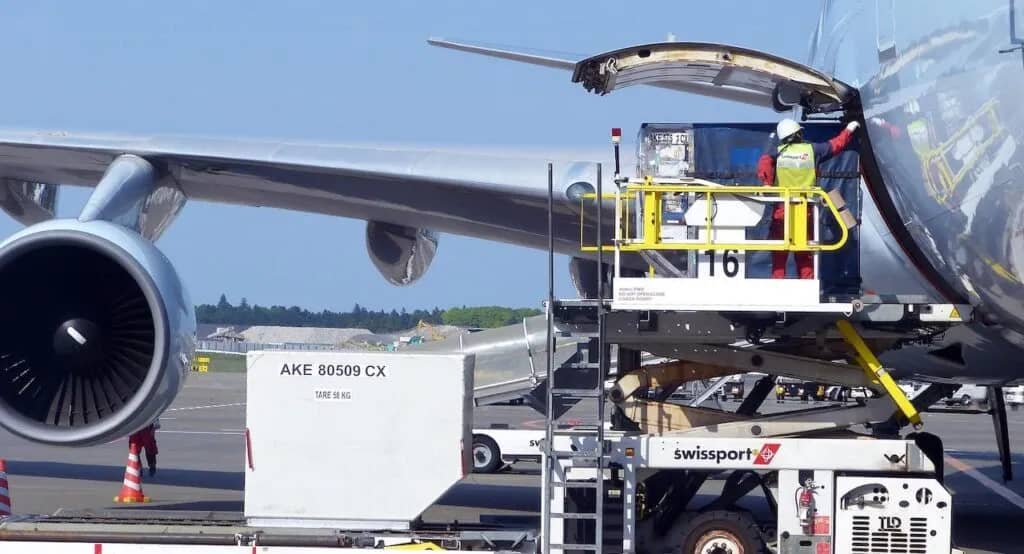
Cargo Operations (10-15% of revenue): Air freight generates significant revenue, particularly on international routes. Aircraft belly cargo space carries high-value goods, time-sensitive shipments, and e-commerce packages. Some airlines operate dedicated freighter aircraft maximizing cargo revenue.
Ancillary Revenue (15-25% of revenue): Fees for baggage, seat selection, meals, priority boarding, and other services increasingly drive profitability. Low-cost carriers generate 30-50% of revenue from ancillaries, while legacy carriers reach 15-20% and growing.
Loyalty Programs (5-10% of revenue): Frequent flyer programs generate billions selling miles to credit card companies and partners. These programs often constitute airlines' most profitable business units, sometimes worth more than the airline operations themselves.
Other Revenue (3-5%): Aircraft maintenance for other carriers, ground handling services, in-flight duty-free sales, and various partnership deals contribute additional income streams diversifying airline businesses.
Ticket Prices Are Only Part of the Business
Airline ticket pricing reveals sophisticated strategies maximizing revenue from finite aircraft capacity. Not all passengers are equally profitable.
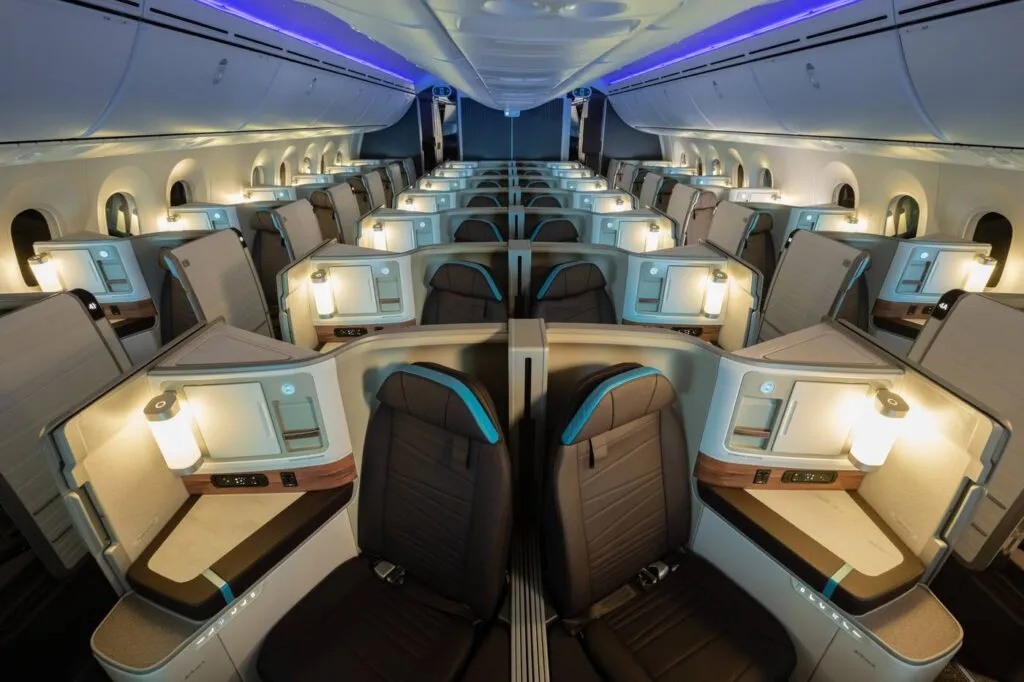
Economy vs Business Class Margins: A business class seat might generate 3-4 times the revenue of an economy seat while occupying only 2-2.5 times the space. The profit margin difference is even more dramatic. Business class passengers can deliver 10-15 times the profit per passenger compared to economy travelers when accounting for incremental costs.
On long-haul international flights, business and first class passengers often generate 50-60% of total flight revenue while occupying just 10-20% of seats. This explains why airlines invest heavily in premium cabin products even as they squeeze economy sections.
Yield Management: Airlines employ complex revenue management systems continuously adjusting prices based on demand, competition, booking timing, and historical patterns. The same seat on the same flight might sell for $200 to one passenger and $1,500 to another depending on when they book and market conditions.
This dynamic pricing maximizes revenue by selling some seats cheaply to price-sensitive travelers while capturing higher fares from business travelers with less booking flexibility. Sophisticated algorithms balance filling planes against maintaining average fares, optimizing total revenue rather than simply selling every seat.
Load Factor Optimization: Airlines target 80-85% load factors balancing revenue maximization against operating full flights. Empty seats generate zero revenue but flying too full prevents selling last-minute tickets at premium prices when demand spikes unexpectedly.
The Hidden Goldmine: Ancillary Revenue
Ancillary fees transformed airline economics over the past 15 years, turning unprofitable carriers into money machines and making profitable airlines even more lucrative.
Major ancillary revenue sources include:
Baggage Fees: Charging for checked bags generates billions annually. United Airlines collects over $1.5 billion yearly from baggage fees alone. Spirit and Frontier charge for both checked and carry-on bags, with baggage fees representing 20-30% of their revenue. The beauty of baggage fees: minimal marginal cost to the airline since planes carry bags anyway.
Seat Selection Fees: Want an aisle seat, exit row, or seats together with family? That'll be $10-60 per person each way. Ryanair generates over $2 billion annually from reserved seating. These fees cost airlines nothing to collect beyond booking system modifications, making them nearly pure profit.
Priority Boarding: Charging $15-30 to board early generates revenue from thin air. Airlines board planes in groups regardless, but selling queue-jumping privileges adds millions in high-margin revenue.
Onboard Food and Beverages: Beyond complimentary items in premium cabins, selling snacks, meals, and alcohol generates consistent revenue. Low-cost carriers treat aircraft as flying convenience stores, with some passengers spending more on food than their base ticket cost.
Change and Cancellation Fees: Although some airlines eliminated change fees post-pandemic, cancellation fees, same-day change fees, and upgrade fees still generate billions. These administrative fees carry minimal cost to airlines, making them highly profitable.
WiFi and Entertainment: In-flight connectivity subscriptions and entertainment purchases add incremental revenue. As more passengers work remotely, WiFi becomes increasingly essential, allowing airlines to charge premium prices for connectivity.
Real-World Example: Spirit Airlines generates 45-50% of total revenue from ancillary fees. A passenger might pay $50 for their base fare but spend $100 on baggage, seat selection, and snacks. Spirit's business model deliberately keeps base fares low while making money through optiona add-ons, achieving industry-leading profit margins when markets are healthy.

Why Business Class Passengers Matter So Much
Business class passengers represent the profit backbone for full-service airlines, generating disproportionate revenue relative to space occupied.
Consider a typical long-haul flight: A New York to London flight might carry 40 business class and 180 economy passengers. Those 40 business class travelers could generate $250,000 in ticket revenue ($6,000+ average fare), while 180 economy passengers generate $200,000 ($1,100 average). Business class delivers 55% of revenue from 18% of seats.
The profit margin difference is even more dramatic. Economy tickets barely cover the marginal cost of carrying each passenger after accounting for fuel, meals, and service. Business class fares generate substantial profit margins after covering slightly higher service costs.
This economic reality explains why airlines obsess over corporate travel contracts, invest millions in premium cabin redesigns, and aggressively market business class even as they cut economy amenities. Losing corporate travelers to competitors threatens airline viability far more than economy passenger shifts.
Premium leisure travelers also contribute significantly. Affluent vacationers paying $3,000-5,000 for international business class generate profit margins approaching those of corporate travelers, creating a growing revenue source as wealth inequality increases and premium leisure travel expands.
Cargo Became Critical After the Pandemic
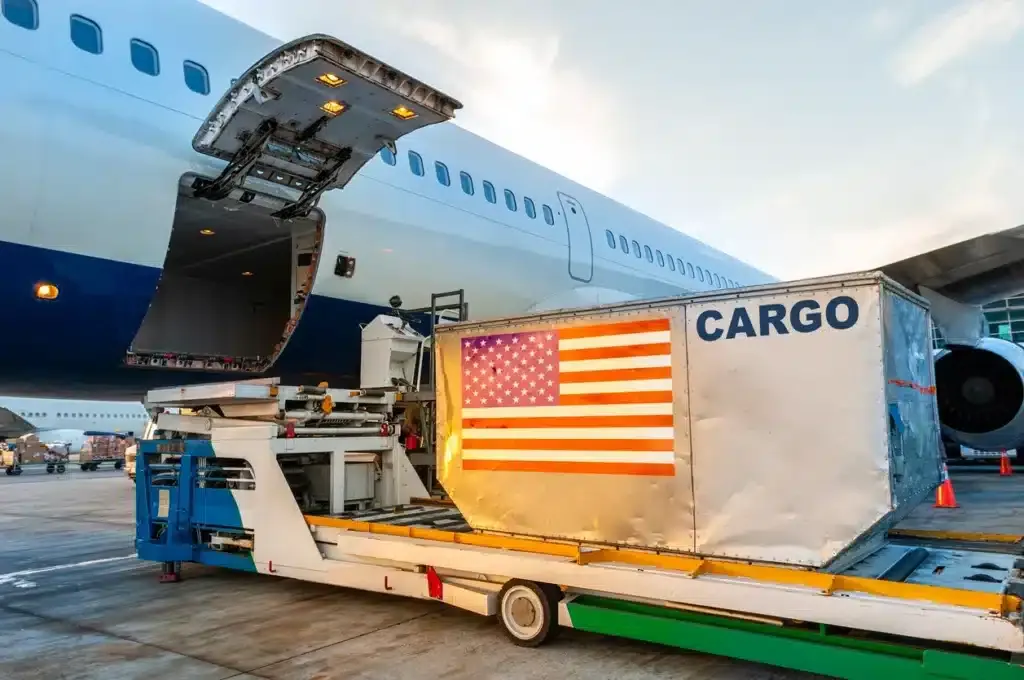
Air cargo traditionally served as supplemental revenue for passenger airlines. The pandemic transformed cargo into a critical profit center when passenger demand collapsed but freight demand surged.
Passenger aircraft belly cargo provides "free" capacity since planes fly regardless. Cargo revenue adds high-margin income with minimal incremental cost. On international routes, cargo can contribute 15-25% of flight revenue while requiring little additional expense beyond handling.
During 2020-2021, cargo rates spiked 100-300% as e-commerce exploded, supply chains stressed, and passenger flight reductions eliminated cargo capacity. Airlines generated billions in unexpected cargo profits, with cargo operations often delivering more profit than passenger services during the pandemic.
Post-pandemic, cargo rates normalized but remain elevated versus historical levels. Airlines now prioritize cargo when planning aircraft purchases and route networks, recognizing this revenue stream's importance and resilience during passenger demand shocks.
Dedicated freighter aircraft offer even higher cargo profitability for airlines like FedEx, UPS, and cargo-focused operators. These airlines avoid passenger service complexities while generating consistent profits from time-sensitive freight at premium rates.
How Loyalty Programs Make Airlines Billions
Frequent flyer programs represent perhaps airlines' most profitable and underappreciated business units. These programs generate more reliable profits than flying airplanes, with some loyalty programs worth more than their parent airlines' market capitalizations.
The magic comes from selling miles to partners, particularly credit card companies. When you swipe an airline co-branded credit card, the bank pays the airline $0.01-0.02 per mile generated. This might not sound significant, but consider the scale:
American Express pays Delta Air Lines over $4 billion annually for SkyMiles, United receives $3+ billion from Chase for MileagePlus miles, and American Airlines gets $3+ billion from Barclays and Citi. These payments arrive whether or not the airline flies a single passenger, providing predictable cash flow insulated from fuel prices, weather, or pandemics.
The economics are extraordinary. Airlines create miles from thin air, costing essentially nothing to produce. When miles redeem for flights, airlines fill otherwise empty seats at minimal marginal cost. Breakage (miles never redeemed) further boosts profitability as some earned miles expire unused.
Credit card companies profit by encouraging cardholders to spend more chasing miles. Consumers often overpay in annual fees and interest chasing rewards worth less than their cost. Airlines profit selling miles, banks profit from consumer spending, and consumers feel rewarded even when economics don't truly favor them.
This explains why airline loyalty programs receive premium valuations. United's MileagePlus was valued at $20+ billion, often exceeding United's entire market cap. These programs deliver consistent high-margin cash flows making them more valuable than volatile airline operations themselves.
Why Some Airlines Still Lose Money
Despite multiple revenue streams, many airlines struggle with profitability or face bankruptcy. Several factors push carriers from profit to loss.
Fuel Price Volatility: Fuel represents 25-35% of costs, meaning a 20% fuel price spike adds 5-7% to total expenses. Airlines with poor hedging strategies or weak pricing power can't pass these costs to passengers, destroying profit margins instantly.
Geopolitical Disruptions: Wars, airspace closures, and regional conflicts force expensive rerouting or eliminate profitable routes entirely. Airlines with exposed geographic networks face catastrophic losses when conflicts erupt.
Pandemic and Health Crises: COVID-19 demonstrated how quickly aviation demand can evaporate. Airlines with weak balance sheets or excessive debt face bankruptcy when revenue disappears but fixed costs remain.
Overcapacity and Irrational Competition: Too many airlines competing for too few passengers drives fares below profitable levels. Low-cost carriers entering markets often trigger fare wars where no carrier profits, though consumers benefit temporarily before bankruptcies reduce capacity.
Poor Route Planning: Airlines launching routes without adequate demand or connecting too many unprofitable destinations while neglecting lucrative markets squander resources. Network planning requires sophisticated analysis balancing connectivity against profitability.
Legacy Cost Structures: Established airlines often carry higher costs than newer competitors due to union contracts, pension obligations, outdated aircraft, or inefficient operations. Cost structures developed during regulated aviation eras struggle competing against lean startups.
Low-Cost Airlines vs Full-Service Airlines
Two distinct business models dominate commercial aviation, each profitable under specific circumstances.
Low-Cost Carriers (Ryanair, Spirit, Southwest):
- Strategy: Rock-bottom base fares attracting price-sensitive passengers, then monetizing everything else through fees
- Cost Control: Single aircraft type (reducing maintenance/training costs), point-to-point routes (avoiding expensive hubs), high aircraft utilization (10-12 hours daily flying), minimal frills
- Revenue Model: 40-50% from ancillary fees, thin profit per passenger but high volumes
- Profitability: Industry-leading margins (15-20%) when demand is strong, but vulnerable to downturns as customers have no loyalty
Full-Service Carriers (Emirates, Singapore Airlines, Delta):
- Strategy: Premium service attracting corporate and affluent leisure travelers willing to pay higher fares
- Network: Hub-and-spoke systems offering global connectivity, alliance partnerships, more destinations
- Revenue Model: Business class generating 50-60% of revenue, loyalty programs, comprehensive service bundled into fares
- Profitability: Lower margins (5-10%) but more stable due to corporate contracts and premium passenger loyalty
Neither model is inherently superior. Low-cost carriers dominate short-haul leisure markets, while full-service airlines excel on long-haul and business routes. Hybrids attempting both approaches often struggle, though some carriers successfully segment operations.
Which Airlines Are Most Profitable?
Profitability varies dramatically by carrier, business model, and geographic market.
Consistently Profitable Airlines Include:
Delta Air Lines: America's most profitable airline, generating $3-4 billion in annual net income during normal years. Delta's success combines strong domestic hubs, lucrative corporate contracts, premium cabin focus, and a $7+ billion loyalty program. Superior operational reliability and customer satisfaction support pricing power competitors lack.
Ryanair: Europe's largest low-cost carrier achieves industry-leading profit margins of 15-20% through ruthless cost control and aggressive ancillary revenue generation. Ryanair moves 150+ million passengers annually at average fares around €40 while extracting €20+ per passenger in fees.
Emirates: Dubai's flag carrier leverages its geographic position connecting Europe-Asia-Australia, premium cabin focus, and government support. Operating one of the world's largest A380 fleets, Emirates targets high-value connecting passengers generating strong profits on long-haul routes.
Southwest Airlines: America's most consistently profitable airline over decades, Southwest's point-to-point model, single aircraft type (737), and employee culture deliver reliable profitability even during industry downturns affecting competitors.
Future of Airline Profitability
Several trends will reshape airline economics in coming years.
Sustainability Costs: Environmental regulations mandating sustainable aviation fuel, carbon taxes, and emissions reduction will increase operating costs. Airlines must balance sustainability investments against profitability, likely passing costs to passengers through higher fares.
AI and Optimization: Artificial intelligence enables better yield management, route planning, maintenance prediction, and operational efficiency. Airlines leveraging AI effectively will gain cost advantages over slower-adopting competitors.
Premium Travel Growth: Wealth inequality and remote work flexibility drive premium leisure travel growth. Airlines emphasizing business and premium economy cabins over traditional economy will likely outperform carriers focused solely on low-cost volume.
Ancillary Revenue Saturation: As fees become standard, differentiation through ancillary charges becomes harder. Airlines will need new revenue sources beyond traditional baggage and seat fees as consumer resistance grows.
Consolidation Pressure: Marginal airlines struggling with profitability face acquisition or bankruptcy, potentially reducing competition and improving industry economics for surviving carriers.
Frequently Asked Questions
How Do Airlines Make Money?
Airlines generate revenue through five primary streams: passenger ticket sales (60-70%), ancillary fees like baggage and seat selection (15-25%), cargo operations (10-15%), loyalty programs (5-10%), and other services (3-5%). Profitability depends on managing massive operating costs including fuel (25-35%), labor (25-35%), aircraft leasing (10-15%), and maintenance (10-12%). Successful airlines maximize revenue across all channels while aggressively controlling costs.
Why Do Airline Ticket Prices Fluctuate So Much?
Airlines use sophisticated yield management systems continuously adjusting prices based on demand, booking timing, competition, and historical patterns. Early bookers get lower fares while last-minute business travelers pay premium prices. The same seat might sell for $200 to $1,500 depending on when purchased and market conditions. This dynamic pricing maximizes total revenue by serving both price-sensitive leisure travelers and time-sensitive business passengers.
Are Airlines Actually Profitable?
Industry profitability varies dramatically by carrier and year. Well-managed airlines like Delta, Southwest, and Ryanair generate consistent billions in annual profits. Many airlines struggle with losses due to high costs, intense competition, and external shocks like fuel spikes or pandemics. Overall industry net profit margins average just 3-5% during good years, with many individual carriers losing money even when industry aggregates show profits.
What Is Ancillary Revenue in Airlines?
Ancillary revenue includes all income beyond basic ticket sales: baggage fees, seat selection charges, priority boarding, onboard food and beverage sales, WiFi, change fees, and various add-ons. For low-cost carriers, ancillaries represent 30-50% of total revenue. Legacy carriers generate 15-25% from ancillaries. These fees carry minimal marginal cost, making them highly profitable and increasingly critical to airline economics.
Airline Revenue Sources Comparison
| Revenue Source | % of Total Revenue | Profit Margin | Growth Trend |
|---|---|---|---|
| Passenger Tickets | 60-70% | Low (3-5%) | Stable |
| Ancillary Fees | 15-25% | Very High (60-80%) | Rapidly Growing |
| Cargo Operations | 10-15% | Medium (15-25%) | Growing |
| Loyalty Programs | 5-10% | Extremely High (70-90%) | Stable/Growing |
| Other Services | 3-5% | Medium (10-20%) | Stable |
Note: Percentages vary by airline type and market. Low-cost carriers derive 30-50% from ancillaries, while legacy carriers range 15-25%. Profit margins represent approximate ranges across industry.
Conclusion: The Complex Economics of Flying
Understanding how airlines make money reveals a business far more complex than simply selling plane tickets. Modern airlines function as sophisticated revenue optimization machines, extracting value through premium cabins, ancillary fees, cargo operations, and loyalty programs while managing enormous fixed costs.
Successful carriers master multiple skills simultaneously: yield management maximizing ticket revenue, cost control fighting expense inflation, ancillary monetization turning fees into profit centers, and loyalty program management generating billions from credit card partnerships. Airlines excelling across these dimensions achieve consistent profitability even in challenging environments.
The thin 3-5% profit margins mean airlines operate on a knife's edge. Small revenue increases or cost savings generate disproportionate profit improvements, while small adverse changes quickly produce losses. This explains why some airlines generate billions in profits while competitors struggle or fail despite operating similar aircraft on comparable routes.
Future airline profitability will depend on adapting to sustainability mandates, leveraging technology for operational efficiency, capturing premium passenger growth, and developing new revenue sources beyond traditional fees. Airlines successfully navigating these challenges will thrive, while those clinging to outdated models face continued struggles.
For passengers, understanding airline economics explains why carriers charge for bags, push credit cards, and obsess over business class while seemingly neglecting economy passengers. It's not arbitrary: these strategies represent rational responses to brutal economics where profitability demands maximizing every revenue opportunity while relentlessly controlling costs. Aviation glamour masks a financially complex industry where success requires excelling at numerous disciplines simultaneously.