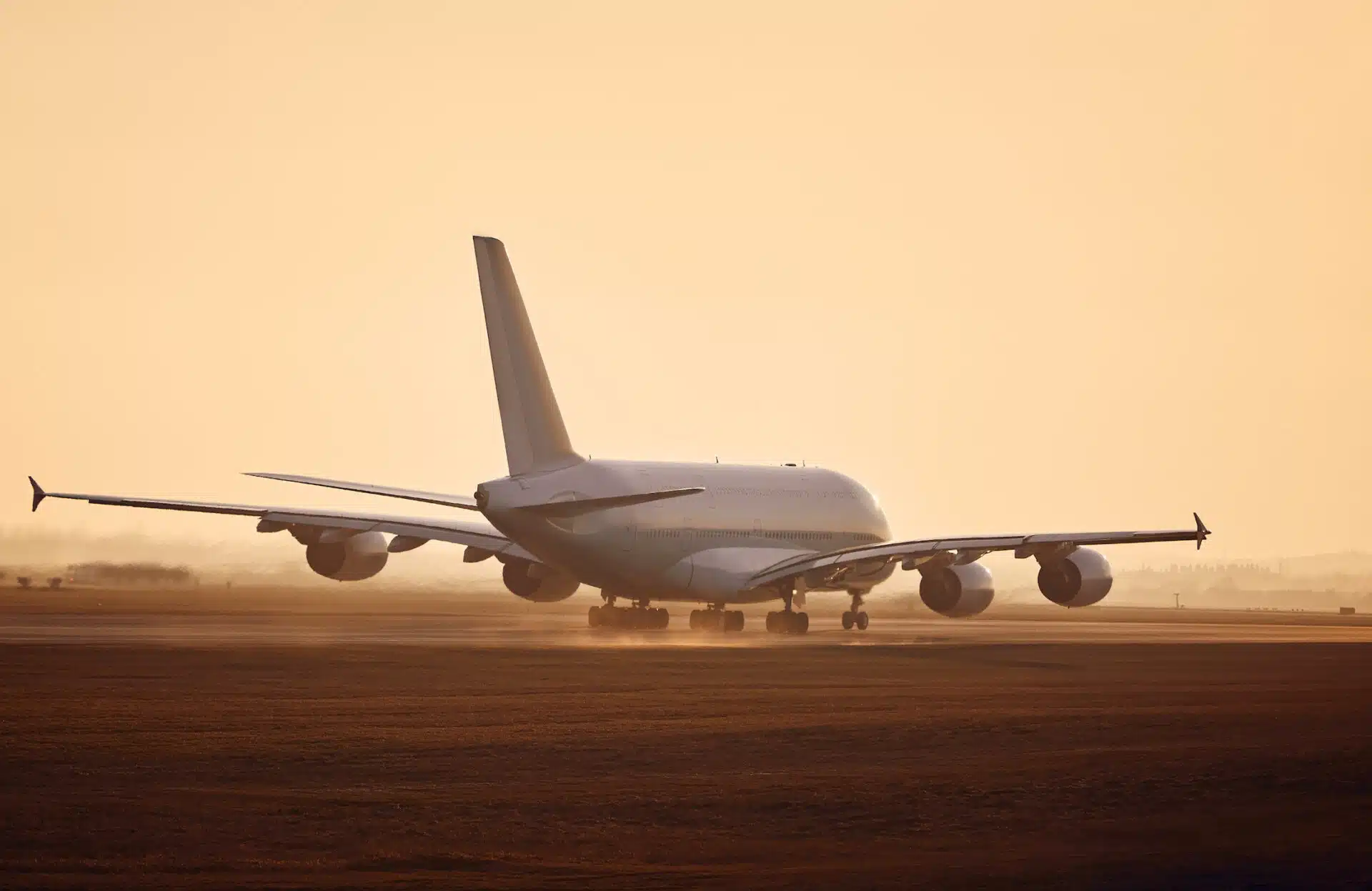
The Boeing 747 disappeared from passenger service years ago. Airlines retired their last Queen of the Skies as more efficient twin-engine jets took over. But the cargo world tells a different story.
In 2026, dozens of 747-400 freighters still fly daily routes across the Pacific, Atlantic, and within Asia. These aging workhorses remain valuable because they do something newer aircraft can’t match easily.
The Boeing 747-400F at a Glance

Boeing built the 747-400F specifically as a freighter from the factory. No passenger seats, no windows along the fuselage – just cargo capacity designed into every inch. Boeing’s 747 program transformed air cargo operations globally.
The first 747-400F flew in 1993. Boeing delivered 126 factory-built freighters before production ended in favor of the larger 747-8F. These weren’t conversions – they came off the assembly line ready to haul freight.
Key features make the 747-400F unique:
- Nose cargo door – swings up to load oversized items straight in
- Main deck capacity – holds 30 standard freight pallets
- Lower deck – additional 32 pallets of cargo space
- Maximum payload – approximately 113 tonnes (248,000 pounds)
- Range – about 8,200 km (4,400 nautical miles) fully loaded
That nose door is critical. Few modern freighters can load items longer than 20 feet easily. The 747-400F swallows aircraft engines, industrial equipment, and machinery that won’t fit anywhere else. Understanding air freight economics explains why such capabilities remain valuable.
How Many 747-400Fs Are Active in 2026?
Approximately 80-90 Boeing 747-400 freighters remain in active service globally as of early 2026. This includes both factory-built 747-400Fs and converted 747-400BCFs (Boeing Converted Freighters).
Breaking down the active fleet:
- Factory-built 747-400F: ~60-65 aircraft flying
- 747-400BCF conversions: ~20-25 aircraft active
- In storage: ~15-20 aircraft parked but not permanently retired
- Recently retired: Multiple aircraft scrapped or permanently stored in 2024-2025
These numbers fluctuate monthly. Airlines retire individual aircraft while occasionally bringing stored planes back into service when cargo demand surges.
Compare this to peak operations in 2019 when over 140 aircraft flew actively. The fleet has declined roughly 35-40% in seven years. Retirements accelerated as fuel prices increased and airlines acquired more efficient twin-engine freighters.
Top Operators Still Flying the 747-400F
Five major cargo carriers operate most of the remaining 747-400F fleet worldwide. These airlines keep the type flying for specific operational reasons.
Atlas Air
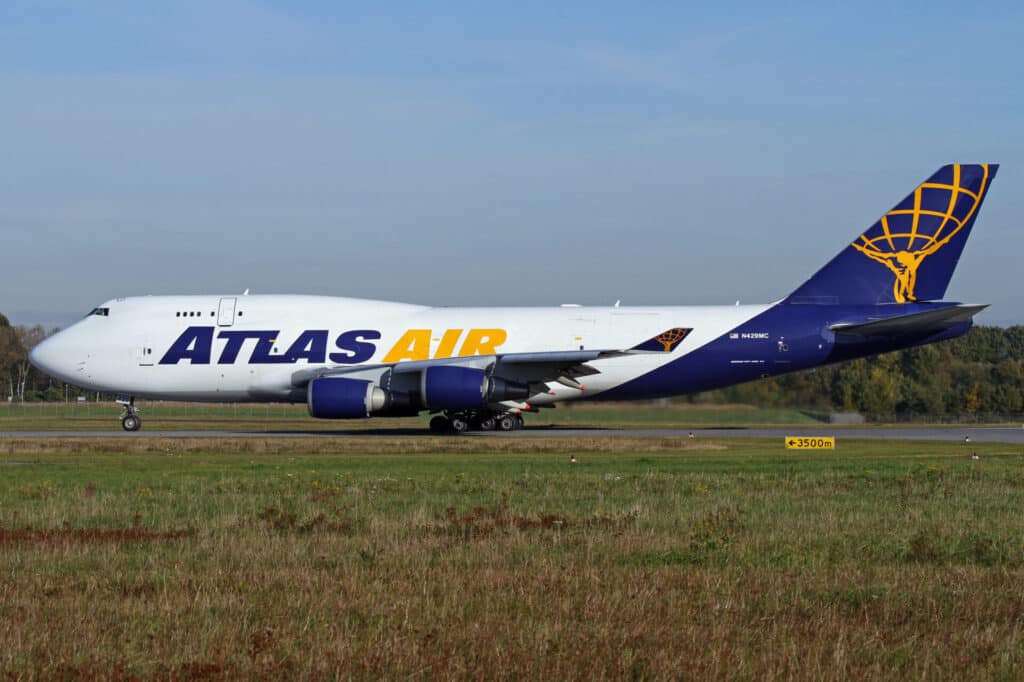
Fleet size: Approximately 20-25 aircraft (747-400F and 747-8F combined)
Atlas Air operates the largest 747 freighter fleet globally. They fly for customers including DHL, Amazon Air, and the US military. Atlas uses 747-400Fs on trans-Pacific routes and military charter operations where nose-loading capability matters.
The airline continues operating 747-400Fs alongside newer 747-8Fs. This mixed fleet strategy provides flexibility for different cargo requirements while managing operating costs. Effective fleet management strategies help Atlas maximize aircraft utilization.
Kalitta Air
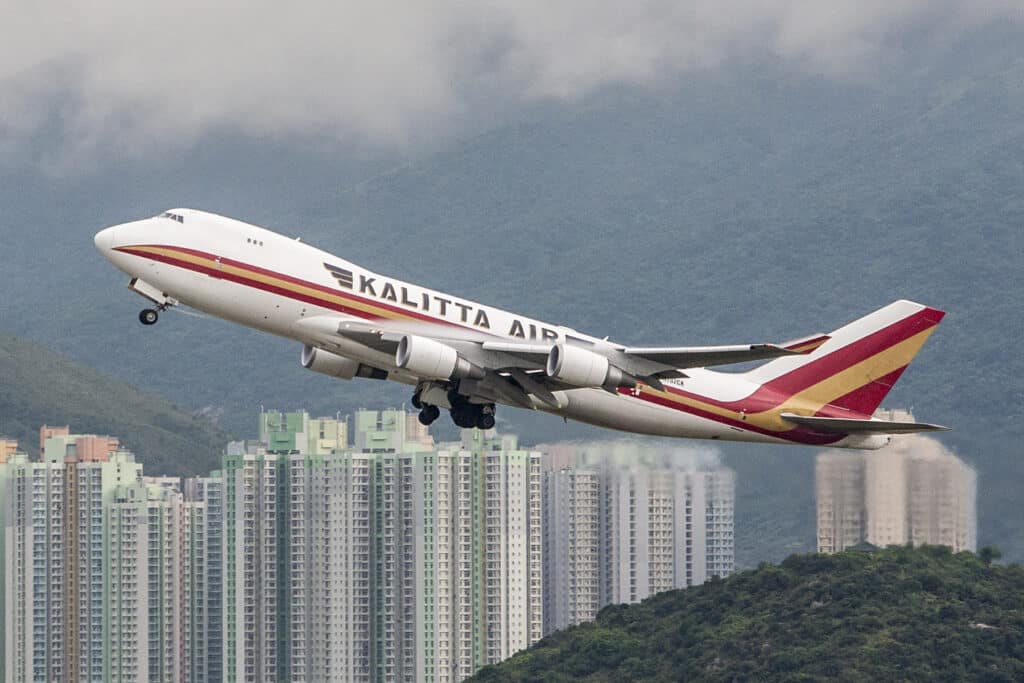
Fleet size: Approximately 15-18 aircraft
Kalitta Air specializes in heavy cargo and military charters. Their 747-400F fleet handles oversized freight that requires nose-loading capability. The Michigan-based carrier flies routes across Asia, Europe, and the Americas.
Kalitta maintains older aircraft longer than most operators. Their maintenance expertise keeps 747-400Fs flying profitably on routes where cargo volume justifies four-engine operations.
Cargolux
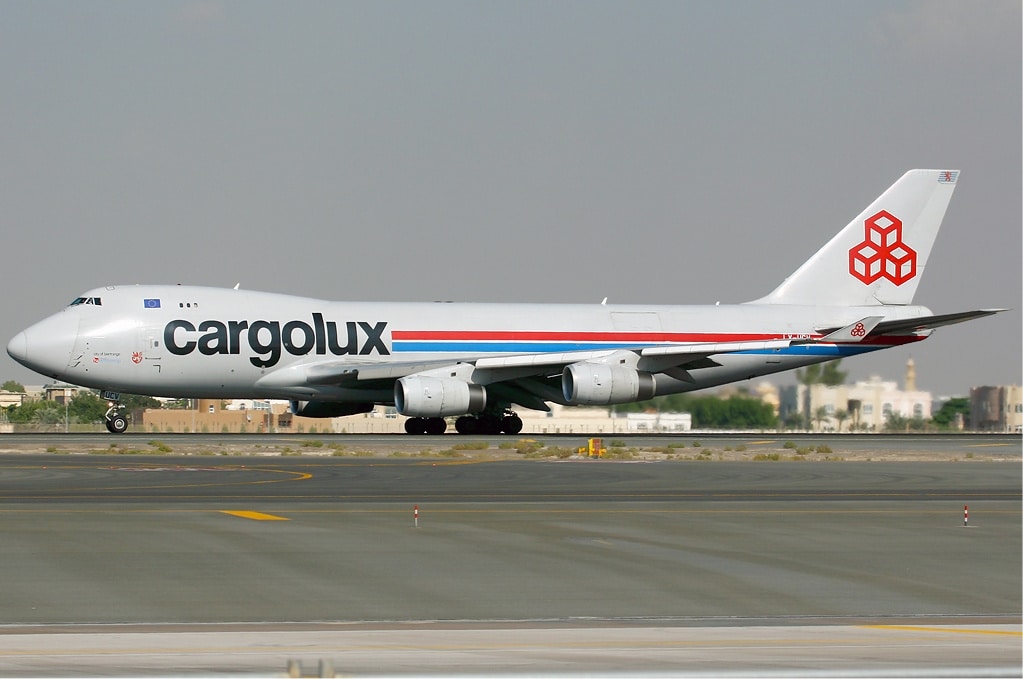
Fleet size: Approximately 10-12 aircraft (transitioning to 747-8F)
Luxembourg’s Cargolux operates fewer 747-400Fs than previously as they transition to 747-8F aircraft. However, several 747-400Fs remain in service on European and Asian routes.
Cargolux pioneered many cargo innovations using 747 freighters. Their operational expertise keeps older aircraft productive while newer models enter the fleet.
UPS Airlines

Fleet size: Approximately 8-10 aircraft
UPS operates a shrinking 747-400F fleet as they transition to 747-8Fs and MD-11Fs. The remaining 747-400Fs handle specific routes where their capacity matches demand perfectly.
The package delivery giant prioritizes time-sensitive shipments. They’ll keep 747-400Fs flying as long as route economics justify four-engine operations.
National Airlines

Fleet size: Approximately 5-8 aircraft
National Airlines operates 747-400BCF conversions on North American routes. These converted freighters serve customers needing heavy cargo capacity without requiring the newest aircraft.
As a smaller operator, National finds niches where 747-400F economics still work. Lower aircraft acquisition costs offset higher fuel burn on certain routes.
Where Are 747-400Fs Flying in 2026?
The remaining 747-400F fleet concentrates on specific route types where four-engine economics still make sense.
Trans-Pacific Routes
US-Asia cargo lanes remain 747-400F strongholds. Routes like Los Angeles to Hong Kong, Anchorage to Seoul, and San Francisco to Tokyo see regular 747-400F service. Complex cargo documentation and customs clearance processes govern these international freight movements.
Long over-water routes benefit from four-engine redundancy. Cargo customers sometimes specify 747s for high-value shipments despite twin-engine aircraft being equally safe.
Heavy Cargo Charters
Oversized freight drives many 747-400F flights. Aircraft engines, industrial machinery, oil field equipment, and aerospace components need nose-loading capability. IATA cargo standards govern how these specialized shipments move globally.
Charter operators fly 747-400Fs to remote locations with long runways but limited facilities. The aircraft’s operational flexibility handles challenging environments well.
Military Contracts
US military cargo contracts keep several 747-400Fs busy. Civil Reserve Air Fleet (CRAF) participants like Atlas Air and Kalitta Air use 747-400Fs for military airlift when needed.
These contracts provide steady revenue that justifies keeping aircraft in service. Military cargo often involves oversized items requiring nose-loading capability.
Why the 747-400F Is Still in Demand
Simple economics explain why some operators keep 30-year-old aircraft flying. The 747-400F does certain jobs better than newer alternatives.
Nose-Loading Capability
Modern twin-engine freighters load through side cargo doors. This limits item length to about 20 feet. The 747-400F’s nose door accepts items over 40 feet long straight through the aircraft.
Shipping a turbine blade or industrial pipe? It probably needs a 747. This capability maintains demand even as the fleet ages.
Heavy Payload Capacity
The 747-400F carries 113 tonnes – more than most twin-engine freighters. While the 777F matches this capacity, the 747-400F offers lower aircraft acquisition costs.
Operators buying used aircraft find 747-400Fs cheaper than equivalent 777Fs. If routes don’t require the newest technology, older 747s remain profitable.
Operational Flexibility
Four engines provide performance advantages at hot-and-high airports. The 747-400F operates from airfields where twin-engine jets need longer runways or payload restrictions.
This flexibility lets operators serve challenging routes that newer aircraft avoid. Geography and infrastructure sometimes favor older technology.
747-400F vs 747-8F: How They Compare
| Feature | Boeing 747-400F | Boeing 747-8F |
|---|---|---|
| First Flight | 1993 | 2008 |
| Maximum Payload | 113 tonnes (248,000 lbs) | 134 tonnes (295,000 lbs) |
| Maximum Range (loaded) | 8,200 km (4,400 nm) | 8,130 km (4,390 nm) |
| Fuel Efficiency | Baseline (older technology) | 16% better than 747-400F |
| Typical Age in 2026 | 25-35 years old | 10-18 years old |
| Used Aircraft Price | $5-15 million | $80-120 million |
| Active Fleet Size (2026) | ~80-90 aircraft | ~110-120 aircraft |
| Primary Advantage | Low acquisition cost, proven reliability | Higher payload, better fuel efficiency |
Note: The 747-8F offers significant advantages but costs substantially more. Operators choose between lower acquisition costs (747-400F) versus better operating economics (747-8F). Swipe left to see full table on mobile devices.
Are 747-400F Retirements Accelerating?
Yes, retirements are speeding up. The 747-400F fleet shrinks by 10-15 aircraft annually as operators transition to more efficient alternatives.
Several factors drive accelerating retirements:
Fuel Prices
Four-engine aircraft burn significantly more fuel than twin-engine alternatives. When fuel prices rise, 747-400F economics deteriorate quickly compared to 777Fs.
Airlines carefully monitor break-even points. As fuel costs increase, more routes become unprofitable for four-engine operations.
Environmental Regulations
Carbon emissions taxes and environmental regulations increasingly penalize fuel-inefficient aircraft. European airports charge higher fees for older, less efficient jets.
These regulatory pressures make newer aircraft more attractive despite higher acquisition costs. Environmental compliance costs add to 747-400F operating expenses.
Maintenance Costs
Aircraft approaching 30 years old require extensive maintenance. Heavy D-checks, engine overhauls, and structural inspections cost millions per aircraft.
When major maintenance comes due, operators evaluate whether investing millions in an old aircraft makes sense versus retiring it. Many choose retirement.
777F Competition
The Boeing 777F offers similar payload with much better fuel efficiency. Twin-engine economics beat four-engine operations on most routes.
As 777F availability increases in the used aircraft market, operators find attractive alternatives to aging 747-400Fs.
How Long Will the 747-400F Keep Flying?
The 747-400F fleet will likely shrink to 30-40 aircraft by 2030. A small core of well-maintained aircraft will probably fly into the early 2030s serving specialized roles.
Near-Term Outlook (2026-2028)
Expect steady retirements continuing at 10-15 aircraft per year. Operators will retire the oldest, least efficient aircraft first. Well-maintained examples with recent heavy checks stay active longer.
The fleet concentrates among fewer operators. Small carriers exit 747-400F operations while specialists like Atlas Air and Kalitta Air maintain focused fleets.
Medium-Term (2028-2030)
By 2030, probably only 30-40 aircraft remain active globally. These serve specific niches where 747-400F capabilities justify continued operations.
Routes requiring nose-loading keep some aircraft flying. Military contracts and specialized cargo charters sustain a small dedicated fleet.
Long-Term (Beyond 2030)
A handful of 747-400Fs might operate into the early 2030s. These will be the youngest, best-maintained aircraft serving unique operational requirements.
Eventually, replacement solutions will emerge for oversized cargo. Modified 777Fs or new purpose-built freighters will handle jobs currently requiring 747-400F nose-loading capability.
Frequently Asked Questions
Why are 747-400 freighters still flying when passenger 747s are retired?
Cargo aircraft economics differ from passenger operations. Freighters don’t need the fuel efficiency passengers demand. The 747-400F’s unique capabilities – especially nose-loading – justify continued operations on specific routes. Used freighter acquisition costs also remain low enough that older aircraft stay profitable longer than passenger jets.
Which airline operates the most 747-400 freighters in 2026?
Atlas Air operates the largest 747-400F fleet with approximately 20-25 aircraft. They use these freighters for customers including DHL, Amazon Air, and US military charters. Atlas maintains expertise in 747 operations and continues flying both 747-400F and 747-8F variants.
Is the 747-400F still profitable to operate?
Profitability depends on the specific route and cargo type. On routes with low fuel prices, high cargo rates, or oversized freight requiring nose-loading, 747-400Fs remain profitable. However, rising fuel costs and environmental fees make economics increasingly challenging. Operators carefully analyze route-by-route profitability.
What will replace the 747-400F?
The Boeing 777F is the primary replacement. It offers similar payload capacity with much better fuel efficiency. The 747-8F also replaces 747-400Fs for operators wanting to maintain nose-loading capability. Some specialized cargo may eventually move to modified aircraft or purpose-built oversized freight solutions.
Are any passenger 747-400s still flying in 2026?
Extremely few, if any, passenger 747-400s remain in commercial service. Major airlines retired their last passenger 747s by 2023-2024. Some government VIP transports and specialty operators might maintain passenger-configured 747s, but scheduled passenger service essentially ended. The type survives primarily as freighters.
How much does it cost to maintain a 747-400F?
Annual maintenance costs range from $3-6 million depending on aircraft age and utilization. Major D-checks occurring every 6-8 years cost $5-8 million. Engine overhauls add $3-4 million per engine set. These high costs drive retirement decisions when major maintenance events approach for older aircraft.
Can 747-400Fs be converted back to passenger configuration?
Technically possible but economically impractical. Converting freighters to passenger configuration costs tens of millions and wouldn’t make business sense given minimal passenger 747 demand. Factory-built freighters never had passenger windows or cabin systems, making conversion even more expensive. Freighter aircraft stay freighters permanently.
What’s the difference between 747-400F and 747-400BCF?
747-400F came from the factory as freighters while 747-400BCF (Boeing Converted Freighter) started as passenger aircraft and were converted later. Factory freighters have stronger floors and purpose-built cargo systems. Conversions work well but lack some structural advantages. Both types fly similar cargo operations today.
Conclusion
In 2026, approximately 80-90 Boeing 747-400 freighters continue hauling cargo globally. This represents less than two-thirds of the peak fleet just seven years ago.
The survivors serve specific purposes where their unique capabilities justify continued operations. Nose-loading capability, heavy payload capacity, and operational flexibility keep these aircraft valuable despite their age.
Operators like Atlas Air, Kalitta Air, and Cargolux maintain expertise in 747 operations. They’ll keep flying 747-400Fs as long as route economics make sense. But the fleet continues shrinking steadily.
By 2030, expect only 30-40 aircraft remaining in service. These will concentrate among specialized operators serving niches where 747-400F capabilities can’t be easily replaced.
The Queen of the Skies won’t disappear completely for several more years. As long as oversized cargo needs moving and military contracts need fulfilling, some 747-400Fs will keep flying.
But the era is clearly ending. Each year brings fewer aircraft, fewer operators, and fewer routes. The next generation of cargo aircraft – more efficient, more modern, more economical – steadily replaces these aging icons.
Enjoy them while they last. The sight of a 747-400F swinging its nose up to load cargo remains spectacular. In a few years, it’ll be a memory rather than daily reality.