When an airline commits $100 million to $400 million to purchase a single widebody aircraft, the decision involves years of analysis examining dozens of factors. A major airline’s fleet order can represent $10 billion to $30 billion in commitments shaping the company’s future for decades.
Airlines don’t simply choose aircraft based on passenger capacity or range. Instead, they conduct comprehensive evaluations balancing economics, network strategy, operational efficiency, and competitive positioning. Understanding these decision criteria reveals why airlines like Southwest operate single aircraft types while others maintain diverse fleets mixing Boeing and Airbus products.

The Aircraft Selection Process Timeline
Aircraft selection typically spans 18 to 36 months from initial evaluation to contract signing. Major fleet decisions require board-level approval and affect airline strategy for 20 to 30 years.
The process follows a structured timeline:
| Phase | Duration | Key Activities |
|---|---|---|
| Needs Assessment | 3-6 months | Network planning, capacity requirements, fleet retirement schedules |
| Market Research | 2-4 months | Aircraft availability, manufacturer capabilities, technology evaluation |
| RFP Process | 4-6 months | Request for proposals, manufacturer presentations, technical evaluations |
| Financial Analysis | 3-5 months | Cost modeling, financing options, lease vs purchase analysis |
| Negotiations | 6-12 months | Pricing, delivery schedules, contract terms, support agreements |
| Board Approval | 1-2 months | Final presentation, risk assessment, authorization to proceed |
During this process, airlines evaluate multiple aircraft types from different manufacturers. Boeing and Airbus compete intensely for orders, offering customized proposals tailored to each airline’s specific requirements. The evaluation process follows industry best practices established by organizations like IATA.
Economic Factors: Cost Per Available Seat Mile
Economics drive aircraft selection more than any other factor. Airlines analyze Cost Per Available Seat Mile (CASM)—the cost to fly one seat one mile—as the primary metric for comparing aircraft.

CASM calculations include:
- Fuel burn: Typically 30-40% of operating costs
- Maintenance: 10-15% of operating costs
- Crew costs: 15-20% of operating costs
- Ownership costs: Depreciation or lease payments
- Insurance and fees: Landing fees, navigation charges, aviation insurance
A modern aircraft like the Boeing 787 burns 20-25% less fuel per seat than older Boeing 767 models on equivalent routes. Over a 20-year aircraft lifespan, this efficiency translates to $50 million to $80 million in fuel savings per aircraft.
| Aircraft Type | Seats (typical) | CASM (cents) | Fuel Efficiency |
|---|---|---|---|
| Airbus A220 | 120-150 | 7.5-8.5 | Excellent (25% better than older) |
| Boeing 737 MAX | 160-180 | 7.0-8.0 | Very good (15% better than NG) |
| Airbus A321neo | 180-220 | 6.5-7.5 | Excellent (20% better than CEO) |
| Boeing 787-9 | 250-290 | 6.0-7.0 | Outstanding (25% better than 767) |
| Airbus A350-900 | 300-350 | 5.5-6.5 | Outstanding (25% better than A330) |
Airlines modeling route profitability over 15-20 years favor aircraft with lower CASM even if purchase prices run higher. The fuel efficiency advantage of modern aircraft typically recovers higher acquisition costs within 5 to 7 years of operation.
Network Strategy and Route Requirements
Aircraft must match network strategy rather than airlines adapting networks to available aircraft. Different business models require fundamentally different aircraft characteristics.
Hub-and-Spoke Networks

Airlines operating hub-and-spoke systems like Delta, United, and American need aircraft variety serving routes of different lengths and passenger volumes:
- Regional jets (50-76 seats): Feed spoke airports to hubs
- Narrowbody jets (120-220 seats): Serve medium-haul domestic and short international routes
- Widebody jets (250-400 seats): Operate long-haul international routes from hubs
These airlines maintain complex fleets with 8 to 12 different aircraft types optimizing capacity for specific route requirements.
Point-to-Point Networks
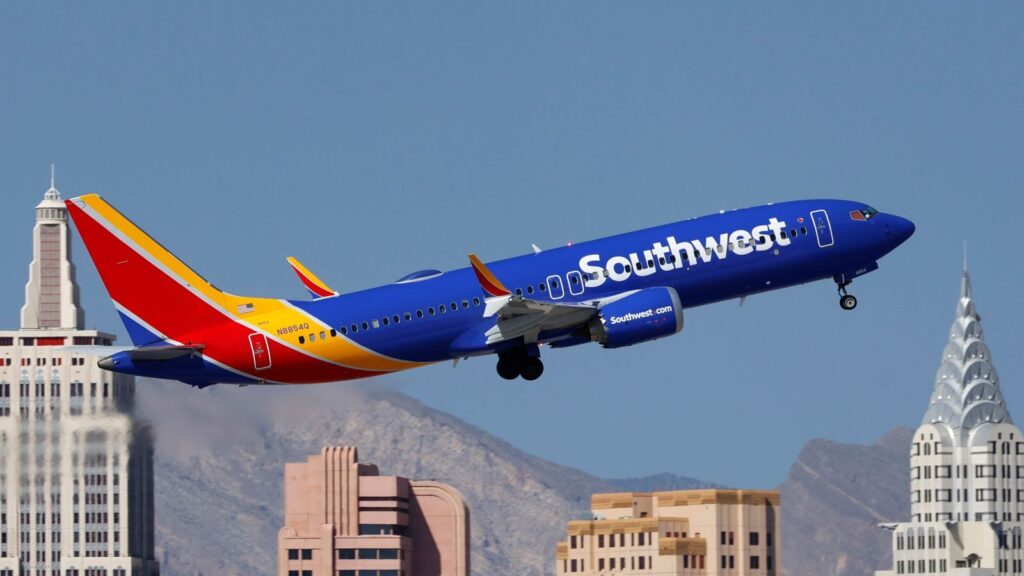
Low-cost carriers operating point-to-point networks like Southwest Airlines prioritize fleet simplicity:
- Single aircraft family: Southwest operates only Boeing 737 variants
- Reduced training costs: Pilots and mechanics qualify on entire fleet
- Simplified operations: Standardized procedures across all aircraft
- Parts efficiency: Reduced spare parts inventory requirements
This strategy sacrifices route optimization for operational efficiency gains reducing overall costs by 8-12% compared to diverse fleets.
Range and Performance Requirements
Aircraft range capabilities determine which routes airlines can serve profitably. Modern aircraft offer unprecedented range enabling direct connections previously requiring stops.

The Airbus A321XLR exemplifies range-driven aircraft selection. With 4,700 nautical miles range, it enables narrowbody service on routes traditionally requiring widebody aircraft:
- Transatlantic routes: East Coast U.S. to Western Europe
- Transpac routes: West Coast to Hawaii and beyond
- Long regional sectors: Europe to India, Southeast Asia connections
Airlines like JetBlue ordered A321XLR aircraft specifically to launch transatlantic service from secondary cities without widebody economics. This aircraft enables profitable service on thin long-haul routes lacking volume for larger aircraft.
Conversely, ultra-long-haul routes require specialized widebody aircraft. Singapore Airlines operates Airbus A350-900ULR variants on Singapore-New York routes exceeding 9,500 nautical miles. These aircraft feature additional fuel tanks and reduced seating maximizing range.
Fleet Commonality vs Optimization
Airlines face a fundamental trade-off between fleet commonality and route optimization. Simplified fleets reduce costs while diverse fleets better match capacity to demand.
| Strategy | Advantages | Disadvantages | Example Airlines |
|---|---|---|---|
| Single Aircraft Family | Lower training costs, simplified maintenance, operational flexibility | Route limitations, capacity mismatches, network constraints | Southwest (737 only), Ryanair (737 only) |
| Two Aircraft Families | Balanced efficiency, moderate complexity, route flexibility | Some commonality losses, dual training programs | JetBlue (A220/A321), Alaska (737/A320) |
| Diverse Fleet | Optimal route matching, maximum flexibility, competitive bidding | Higher costs, complex operations, training challenges | United (737/787/777/A320), Emirates (A380/777) |
Fleet commonality benefits compound over time. An airline operating 300 identical aircraft achieves economies of scale impossible with diverse fleets. Pilot training simplifies—any pilot can fly any aircraft. Maintenance expertise concentrates rather than spreading across multiple aircraft types. Major orders like recent 737 MAX commitments demonstrate airlines prioritizing fleet simplicity.
However, route optimization suffers. A 180-seat aircraft flying a route needing 120 seats wastes capacity and burns excess fuel. The same aircraft on a 220-seat route turns away profitable passengers.
Purchase vs Lease: Financing Decisions
Airlines rarely purchase aircraft outright. Most acquire aircraft through operating leases or sale-leaseback arrangements preserving capital for other business needs.
| Acquisition Method | Financial Impact | Best For |
|---|---|---|
| Direct Purchase | $100-400M upfront, aircraft becomes asset, depreciation over 20-25 years | Large, profitable airlines with strong balance sheets |
| Operating Lease | Monthly payments, aircraft off balance sheet, flexibility to return | Growing airlines, uncertain demand, fleet flexibility needed |
| Sale-Leaseback | Immediate cash infusion, ongoing lease payments, maintains operations | Airlines needing liquidity, financial restructuring |
| Finance Lease | Structured financing, eventual ownership, aircraft on balance sheet | Airlines planning long-term fleet retention |
The decision between purchasing and leasing affects aircraft selection significantly. Leased aircraft must appeal to multiple airlines over their lifespan. Lessors prefer mainstream aircraft configurations with broad market appeal rather than highly customized versions.
This dynamic favors popular aircraft types like the Boeing 737 and Airbus A320 family maintaining strong residual values. Airlines selecting less common aircraft face higher lease rates reflecting greater lessor risk.
Manufacturer Support and Relationships
Long-term manufacturer support significantly influences aircraft selection. Airlines evaluate not just the aircraft but the entire support ecosystem including training, parts, and technical assistance.
Key support considerations include:
- Training infrastructure: Availability of simulators and instructor pilots
- Parts availability: Global distribution networks for critical components
- Technical support: 24/7 engineering assistance for operational issues
- Warranty coverage: Protection against manufacturing defects and performance shortfalls
- Software updates: Ongoing avionics and systems improvements
Boeing and Airbus maintain global service networks supporting airlines worldwide. However, smaller manufacturers like Embraer and Bombardier offer more personalized support to their limited customer bases.
Airlines also consider manufacturer financial stability. Ordering aircraft from a manufacturer facing financial difficulties risks future support availability. The potential bankruptcy of a manufacturer could strand airlines with unsupported aircraft. Professional aircraft valuation helps airlines assess these risks.
Environmental Regulations and Sustainability
Environmental requirements increasingly drive aircraft selection as governments implement stricter emissions standards and carbon pricing schemes.
The European Union’s Emissions Trading System (ETS) charges airlines for carbon emissions, creating direct financial incentives to operate efficient aircraft. Airlines flying older, less efficient aircraft pay significantly more in carbon costs.

Future regulations will intensify. The International Civil Aviation Organization (ICAO) adopted Carbon Offsetting and Reduction Scheme for International Aviation (CORSIA) requiring airlines to offset emissions growth after 2020 baseline levels.
These regulations favor newest-generation aircraft:
- 20-25% better fuel efficiency than previous generation
- Lower noise emissions meeting stricter airport restrictions
- Reduced maintenance waste through advanced materials
- Sustainable aviation fuel compatible engines and systems meeting emerging SAF mandates
Airlines planning long-term fleet strategies must consider aircraft meeting future environmental standards not yet implemented. Purchasing aircraft unable to comply with anticipated regulations creates premature retirement risk. All new aircraft must meet stringent FAA certification standards ensuring compliance with current and projected requirements.
Competitive Positioning and Passenger Appeal
Passenger perceptions influence aircraft selection more than airlines publicly acknowledge. Business travelers paying premium fares prefer specific aircraft types offering superior comfort.

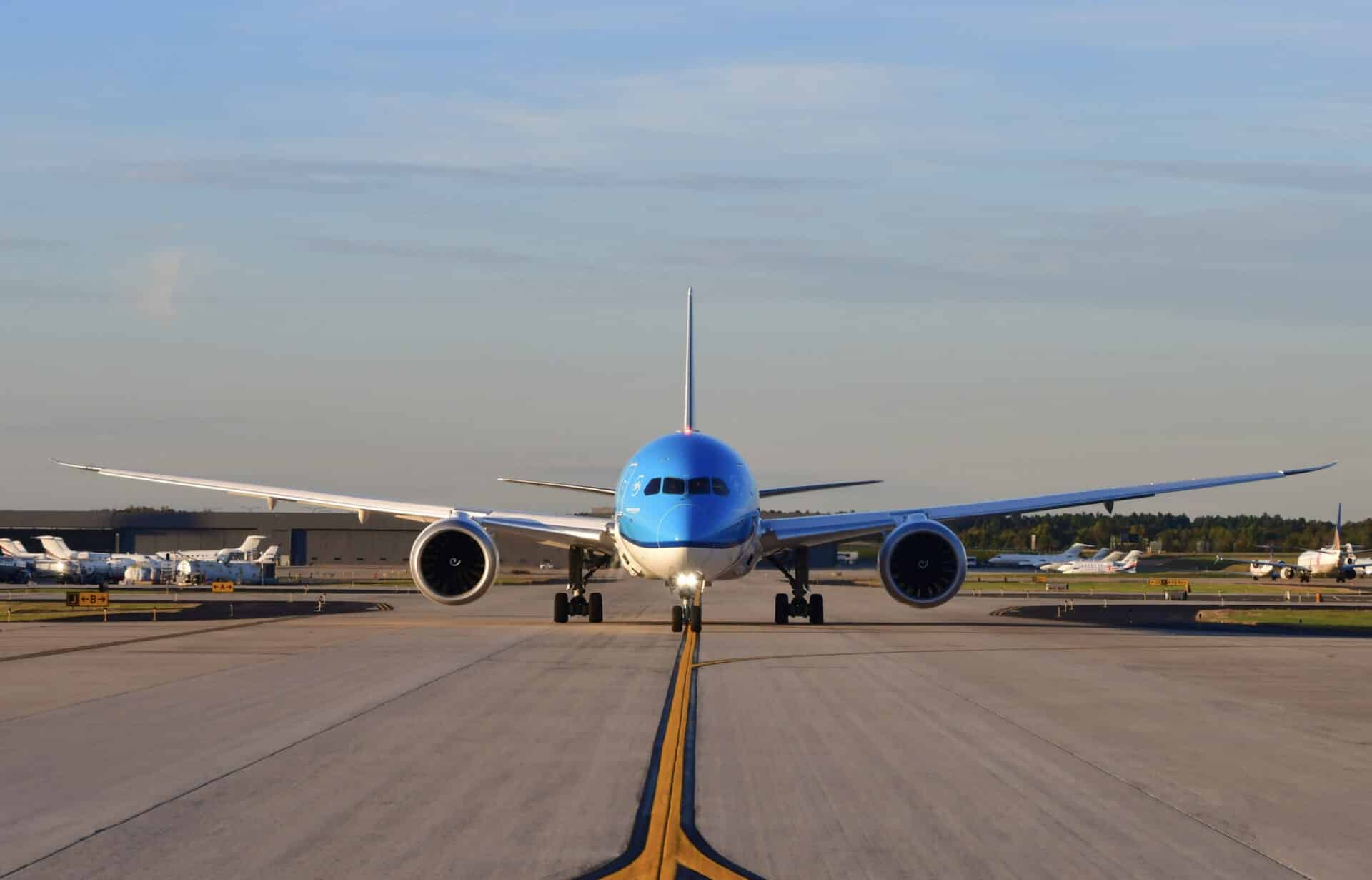
The Boeing 787 and Airbus A350 offer passenger comfort advantages over older widebody aircraft:
- Lower cabin altitude: 6,000 feet vs 8,000 feet reduces fatigue
- Higher humidity: Composite fuselage allows 15-16% vs 4% in metal aircraft
- Larger windows: 30% bigger than conventional aircraft
- Quieter cabins: Advanced sound insulation and engine technology
- Better air quality: Advanced filtration systems
Airlines competing for premium passengers on competitive routes select aircraft offering superior passenger experience even if economics slightly favor alternatives. The ability to charge higher fares on more comfortable aircraft can justify premium aircraft costs. Major carriers like American Airlines deploying 787 Dreamliners emphasize passenger comfort as a competitive differentiator.
Delivery Slots and Production Backlogs
Aircraft availability often determines selections as much as aircraft characteristics. Both Boeing and Airbus maintain multi-year production backlogs limiting airline flexibility. Delivery challenges further complicate planning.
An airline needing aircraft within 18-24 months faces limited options. Manufacturers prioritize existing backlog with new orders facing 4 to 7 year delivery timelines for popular models.
This constraint sometimes forces suboptimal choices:
- Accepting available aircraft: Taking delivery positions from cancelled orders
- Choosing second-best aircraft: Selecting available alternatives to ideal types
- Paying premiums: Acquiring delivery positions from other airlines
- Used aircraft market: Purchasing or leasing pre-owned aircraft
Airlines anticipating fleet needs years in advance secure early delivery positions. Those reacting to unexpected growth or fleet retirements face limited available inventory.
Frequently Asked Questions
How long does it take airlines to receive new aircraft after ordering?
New aircraft delivery typically requires 4 to 7 years from order to delivery for popular models like the Boeing 737 MAX and Airbus A320neo family. Widebody aircraft like the 787 and A350 face similar timelines. Airlines needing aircraft sooner purchase used aircraft or acquire delivery positions from other airlines. Production backlogs extend delivery times during periods of high demand.
Do airlines buy aircraft directly from manufacturers?
Airlines acquire aircraft through multiple channels. Large carriers often purchase directly from Boeing or Airbus, while smaller airlines frequently lease from lessors like AerCap or GECAS. Many airlines use sale-leaseback arrangements—purchasing aircraft then immediately selling to lessors while leasing them back. This provides capital flexibility while maintaining operational control.
Why do some airlines operate only one aircraft type?
Fleet commonality reduces operating costs by 8-12% compared to diverse fleets. Airlines like Southwest operate only Boeing 737 variants, simplifying pilot training, maintenance programs, and spare parts inventory. Mechanics qualify on the entire fleet, and pilots can fly any aircraft. However, this strategy sacrifices route optimization, forcing airlines to use identically-sized aircraft on routes with varying demand.
How much does a new commercial aircraft cost?
List prices range from $50 million to $450 million depending on aircraft size and configuration. A Boeing 737 MAX lists at $99-135 million, while a Boeing 777-9 lists at $442 million. However, airlines never pay list prices. Negotiated discounts of 40-50% off list are common for large orders. Actual transaction prices remain confidential but typically run 50-60% of published list prices.
Can airlines customize aircraft before delivery?
Yes, airlines extensively customize aircraft. Customization includes cabin configuration, seat selection, entertainment systems, galleys, lavatories, and paint schemes. Airlines specify seat counts ranging widely—an Airbus A321 might seat 180-220 passengers depending on configuration. However, structural changes require manufacturer approval and affect delivery timelines. Lessors prefer standard configurations maintaining broad resale appeal.
Do airlines consider pilot preference when selecting aircraft?
Pilot input influences but rarely determines aircraft selection. Airlines consult pilot groups on cockpit ergonomics and operational characteristics, but economic factors dominate final decisions. Union contracts sometimes include consultation requirements for major fleet changes. Pilots generally prefer modern aircraft with advanced automation and better performance, but airlines prioritize cost and network fit over pilot preferences.
How do airlines decide between Boeing and Airbus?
Airlines compare aircraft economics, performance, and support rather than manufacturer brand loyalty. Many airlines operate mixed fleets with both Boeing and Airbus aircraft. The decision between comparable aircraft often comes down to delivery timing, pricing discounts, and existing fleet commonality. Some airlines maintain Boeing-only or Airbus-only fleets for operational efficiency rather than manufacturer preference.
What role does aircraft resale value play in purchasing decisions?
Residual value significantly affects total ownership costs. Popular aircraft like the 737 and A320 maintain strong resale values—retaining 40-50% of original value after 10 years. Airlines planning to sell or trade aircraft after 10-15 years favor mainstream types with broad market appeal. Less common aircraft face steeper depreciation, affecting total cost of ownership despite potentially lower purchase prices.
Conclusion
Aircraft acquisition decisions represent the most significant capital commitments airlines make, shaping competitive positioning and profitability for decades. The process balances economics, network strategy, operational efficiency, and environmental compliance through comprehensive multi-year analyses.
No single factor dominates. Cost Per Available Seat Mile provides the foundation, but range requirements, fleet commonality, financing options, and manufacturer support all influence final selections. Airlines must project 20-30 year operating scenarios while maintaining flexibility for uncertain futures.
The best aircraft choice varies dramatically by airline business model. What works for Southwest’s point-to-point network fails for United’s hub-and-spoke system. Low-cost carriers prioritize different attributes than premium international airlines.
Current trends favor fuel-efficient, long-range aircraft like the A321XLR and 787, enabling airlines to serve thin long-haul routes profitably. Environmental regulations will accelerate this shift, making older, less efficient aircraft economically obsolete faster than previous generations.
For airlines, aircraft selection expertise represents a core competency. Those making strategic, well-timed fleet decisions gain competitive advantages lasting decades. Those selecting poorly face higher costs and operational constraints undermining profitability for years.