
Modern commercial aviation operates within a complex web of geopolitical boundaries, airspace restrictions, and safety considerations that can change overnight when conflicts erupt. A single military action can instantly redirect thousands of flights, adding hours to journey times and millions of dollars to airline operating costs.
Wars and conflicts do not just affect the countries directly involved. They reshape global flight paths across entire continents, forcing airlines to navigate around vast restricted areas while maintaining safety, efficiency, and profitability.
Understanding how geopolitical tensions alter aviation operations reveals the intricate relationship between international relations, airline economics, and passenger travel patterns.
Why Airlines Avoid Conflict Zones

Commercial aviation operates under strict safety protocols that prohibit flights over active conflict areas. The primary concern is direct threats to aircraft from military activity including anti-aircraft weapons, missiles, and fighter jet operations.
The 2014 downing of Malaysia Airlines Flight MH17 over eastern Ukraine, killing all 298 people aboard, demonstrated the catastrophic risks. The Boeing 777 was struck by a surface-to-air missile while cruising at 33,000 feet over what was considered contested airspace.
Airlines face three critical threats in conflict zones:
Surface-to-air missiles: Modern portable systems can reach altitudes above 25,000 feet. Military-grade systems extend beyond 50,000 feet, well above commercial cruise altitudes.
Military aircraft activity: Fighter jets, surveillance aircraft, and drone operations create unpredictable hazards. Air traffic control may be unavailable or unreliable during active military operations.
Electronic warfare: GPS jamming, communication interference, and navigation system disruption can compromise aircraft safety systems even when no direct weapons threaten the flight.
Beyond physical threats, airlines must consider insurance implications. War risk insurance premiums increase dramatically for flights over or near conflict areas, sometimes making routes financially unviable regardless of physical safety assessments.
How Airlines Plan Safe Flight Routes

International aviation safety relies on a coordinated system of organizations, advisories, and real-time information sharing. The International Civil Aviation Organization (ICAO), a United Nations agency, coordinates global aviation safety standards and provides conflict zone guidance to member states.
Individual aviation authorities issue specific directives. The Federal Aviation Administration (FAA) publishes Special Federal Aviation Regulations prohibiting U.S. carriers and pilots from operating in designated high-risk areas. The European Union Aviation Safety Agency (EASA) issues similar conflict zone information bulletins for European operators.
Airlines use several tools to assess and avoid risks:
NOTAMs (Notices to Airmen): Real-time alerts about airspace restrictions, military activity, and temporary flight prohibitions. Airlines monitor NOTAMs continuously and adjust routes accordingly.
Flight Information Regions (FIRs): Designated airspace blocks managed by specific air traffic control authorities. When a FIR becomes unsafe or unavailable, airlines must route around the entire region.
Risk assessment teams: Major airlines maintain dedicated operations security specialists who monitor geopolitical developments, intelligence reports, and aviation safety advisories to make route decisions before regulators issue formal restrictions.
Airlines also coordinate with government intelligence agencies, private security consultants, and industry groups to share threat information and best practices for operating long-haul routes through complex geopolitical environments.
Major Conflicts That Changed Global Flight Paths
Several conflicts over the past two decades have fundamentally reshaped global aviation networks, forcing airlines to develop alternative routing strategies that remain in effect years after initial restrictions.
Russia-Ukraine War
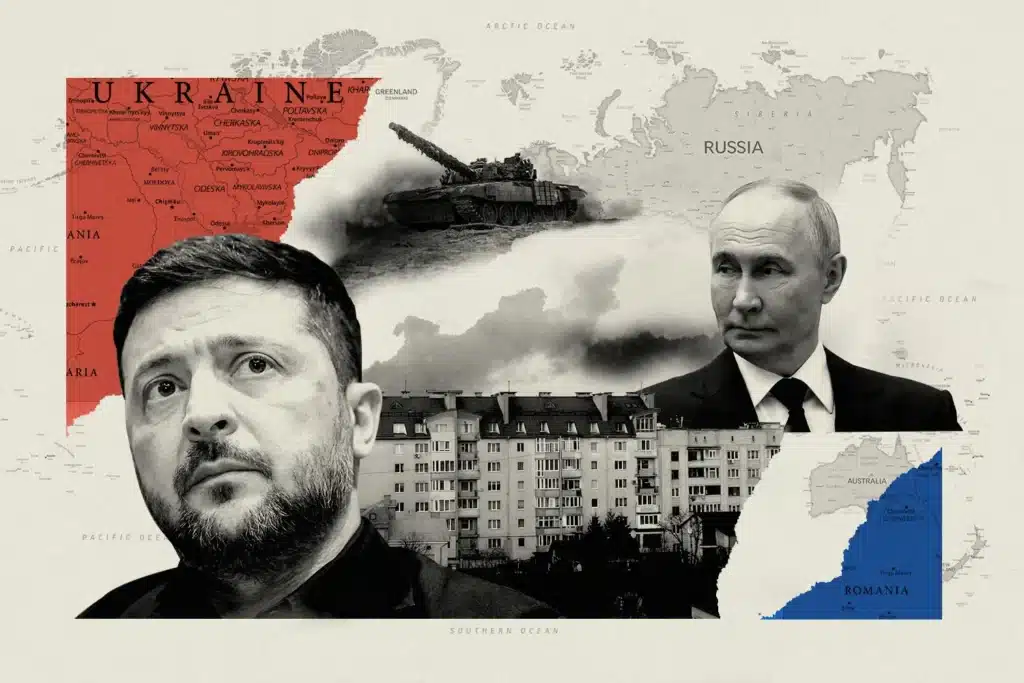
The February 2022 Russian invasion of Ukraine triggered the most significant airspace closure in modern aviation history. Russia banned airlines from 35+ countries, while those nations reciprocally closed their airspace to Russian carriers.
European airlines lost access to the most direct routes to Asia. Flights from Helsinki to Tokyo that previously took 9 hours now require 13 hours via polar routing over Alaska and Canada. The closure eliminated approximately 360,000 annual flights that previously crossed Russian territory.
Finnair, British Airways, Lufthansa, and Air France-KLM all faced massive route restructuring. Chinese airlines gained competitive advantage by maintaining Russian overflight rights, offering shorter, cheaper Europe-Asia connections than Western carriers.
The conflict created lasting changes to long-range aircraft deployment, with airlines requiring more fuel-efficient widebodies capable of extended polar and southern routing patterns.
Middle East Conflicts

Syria’s civil war, ongoing since 2011, closed a major corridor between Europe and the Persian Gulf. Airlines now route south through Egyptian airspace or north through Turkish airspace, adding 15-30 minutes to many flights.
The Iraq conflicts closed Iraqi airspace to most commercial aviation for extended periods. Routes from Europe to South Asia and Southeast Asia shifted southward through Saudi Arabia and Iran (when politically viable) or northward through Turkish and Central Asian airspace.
Yemen’s conflict eliminated the Red Sea corridor for some airlines, forcing detours around the Arabian Peninsula that add significant distance to Africa-Middle East-Asia routes.
Recent Israel-Gaza tensions have triggered temporary restrictions over Israeli, Lebanese, and parts of Jordanian airspace. Airlines serving Tel Aviv face unpredictable route changes, cancellations, and significant insurance cost increases.
Afghanistan Airspace Closure

Following the 2021 Taliban takeover, most Western airlines ceased using Afghan airspace due to security concerns and lack of reliable air traffic control. This closure particularly affected India-Europe routes, forcing airlines to choose between longer southern routing through Pakistan and Arabian Sea or northern paths through Central Asia.
The restriction adds approximately 30-45 minutes to affected flights and complicates crew scheduling and fuel planning for routes like Delhi to London or Mumbai to Frankfurt.
| Conflict | Year Started | Airspace Affected | Route Impact | Airlines Most Affected |
|---|---|---|---|---|
| Russia-Ukraine War | 2022 | Russia, Ukraine, Belarus | Europe-Asia routes +2-4 hours | Finnair, Lufthansa, British Airways, Air France |
| Syria Civil War | 2011 | Syria | Europe-Gulf routes +15-30 minutes | Emirates, Qatar Airways, Turkish Airlines |
| Iraq Conflicts | 2003-present | Iraq (various periods) | Europe-Asia detours via Turkey/Iran | European carriers, Gulf carriers |
| Afghanistan Airspace | 2021 | Afghanistan | India-Europe routes +30-45 minutes | Air India, British Airways, Lufthansa |
| Yemen Conflict | 2014 | Yemen, parts of Red Sea | Africa-Middle East-Asia detours | Ethiopian Airlines, Kenya Airways, Gulf carriers |
How Airlines Reroute Flights Around War Zones
When conflict closes airspace, airlines deploy three primary rerouting strategies, each with distinct operational and economic implications.
Southern Corridor Routes
The most common alternative for Europe-Asia flights avoiding Russia involves routing through Turkey, Central Asia, and the Middle East. Flights cross Turkish airspace, then continue over the Caspian Sea, Iran (when permitted), or through the Central Asian republics of Kazakhstan, Uzbekistan, and Turkmenistan.
This southern corridor adds 1,000-2,000 nautical miles to many routes but keeps aircraft over land with established air traffic control and emergency landing options. Airlines like Emirates, Qatar Airways, and Turkish Airlines benefit from geographic positioning along these corridors.
Polar Routing
For specific city pairs, airlines use polar routes over the Arctic Ocean. These paths cross Greenland, northern Canada, Alaska, and the northern Pacific, avoiding Russian airspace entirely.
Finnair’s Helsinki-Tokyo flights now use this routing, adding approximately 2,100 nautical miles and 4 hours to the journey. Polar routes require specialized aircraft with extended-range capabilities like the Boeing 787 and Airbus A350.
Operational challenges include limited diversion airports in Arctic regions, extreme weather conditions, and increased fuel requirements for longer distances and potential headwinds.
Middle Eastern Hub Connections
Some airlines abandoned direct services entirely, instead routing passengers through Middle Eastern hubs like Dubai, Doha, or Abu Dhabi. This strategy transfers the routing complexity to carriers with geographic advantages and turns previous one-stop routes into two-stop journeys.
European carriers lost market share to Gulf airlines that maintained shorter, more direct paths between Europe and Asia using their central geographic position.
How Conflicts Increase Airline Costs

Airspace restrictions trigger multiple cost categories that significantly impact airline profitability and ticket pricing.
Fuel consumption increases substantially. A London-Beijing flight routing around Russia burns approximately 10,000 additional liters of jet fuel compared to the direct path. At current fuel prices ($86-90 per barrel), this represents roughly $7,000-8,000 extra cost per flight.
For an airline operating this route daily, the annual additional fuel expense exceeds $2.5 million for a single city pair. Multiply across an entire network, and the impact reaches hundreds of millions annually for major carriers.
Crew costs rise with longer flight times. Extended routes require additional crew members or extended duty periods. Flights that exceed maximum duty time limits need augmented crews, typically adding 2-4 pilots to ultra-long sectors.
Crew positioning becomes more complex. When a flight that previously returned the same day now requires overnight positioning, airlines incur hotel costs, per diem expenses, and potential salary premiums for extended time away from base.
Aircraft utilization decreases. When a 9-hour flight becomes 13 hours, the same aircraft completes fewer flights per day. This reduces revenue potential and may require additional aircraft to maintain previous schedule frequency, tying up capital and increasing leasing or financing costs.
Maintenance intervals compress. More flight hours mean reaching maintenance checks faster. Aircraft accrue engine cycles, airframe hours, and component wear more rapidly, accelerating scheduled maintenance and potentially requiring larger spare aircraft fleets.
| Route Example | Pre-Conflict | Current Routing | Extra Distance | Added Fuel Cost/Flight |
|---|---|---|---|---|
| London-Beijing | ~10 hours direct | ~12 hours (southern route) | +1,000 miles | ~$7,000 |
| Helsinki-Tokyo | ~9 hours direct | ~13 hours (polar) | +2,137 miles | ~$12,000 |
| Frankfurt-Seoul | ~10.5 hours direct | ~12.5 hours (rerouted) | +800 miles | ~$5,500 |
| Paris-Shanghai | ~11 hours direct | ~13 hours (southern) | +1,200 miles | ~$8,000 |
Impact On Air Cargo
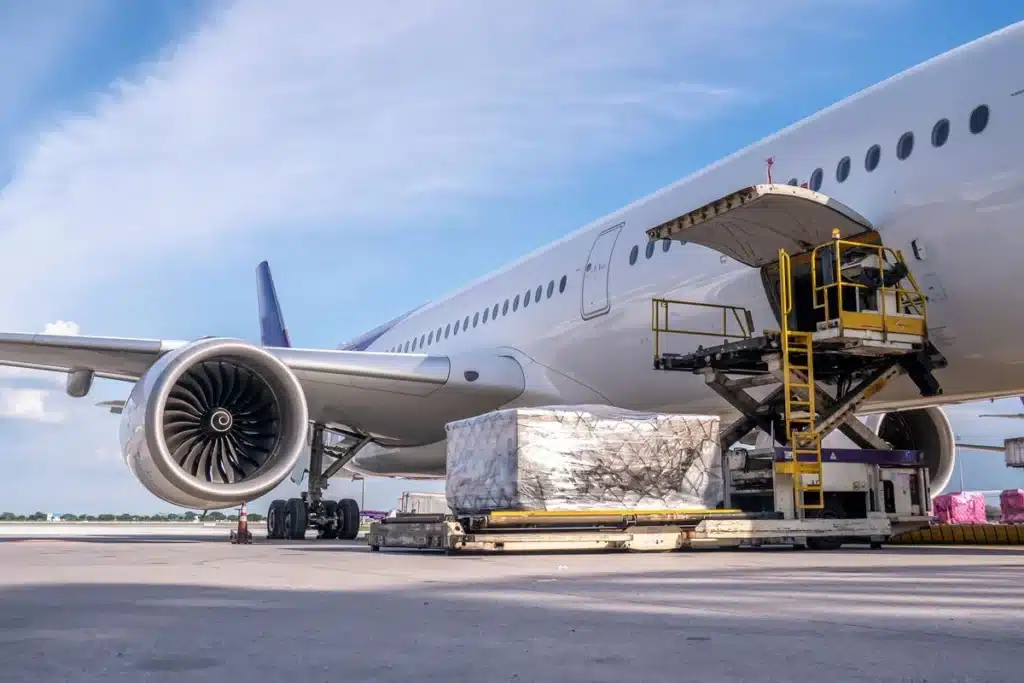
Freight operations face distinct challenges from conflict-driven route changes, often more severe than passenger services.
Cargo airlines typically optimize for weight and fuel efficiency rather than passenger comfort. Rerouting increases fuel requirements, which directly reduces payload capacity. An aircraft that could carry 100 tons of cargo on a direct route might only handle 85 tons on the longer detour after accounting for extra fuel weight.
Time-sensitive cargo like pharmaceuticals, electronics components, and perishable goods suffers from extended transit times. A shipment from Europe to Asia that previously took 11 hours now requires 14-15 hours, potentially crossing critical temperature or delivery deadlines.
Cargo rates increased substantially on conflict-affected routes. Shippers absorbed higher costs passed through by carriers, or diverted to slower sea freight, disrupting just-in-time manufacturing and retail supply chains.
Integrators like FedEx and UPS restructured their Asian networks, relying more heavily on southern routing through Middle Eastern hubs and reducing direct Europe-Asia frequencies in favor of multi-stop services that maintain payload capacity.
How Passengers Experience These Changes
Travelers face tangible impacts from geopolitical airspace restrictions, though airlines often absorb some operational changes to maintain service quality.
Journey times increase substantially. Routes that previously offered convenient same-day connections now require overnight stays. Business travelers lose productivity, while leisure passengers face extended total travel times that make some destinations less attractive.
Direct routes disappear. Airlines canceled numerous nonstop services when rerouting made them economically unviable. Passengers previously enjoying direct flights now connect through hubs, adding 2-4 hours total travel time including connection periods.
Ticket prices rise. Airlines pass some increased costs to consumers through higher fares. Europe-Asia economy tickets increased 8-15% on many routes following Russian airspace closure, with business class premiums rising even more sharply due to limited capacity on rerouted aircraft.
Schedule reliability declines. Longer routes face more weather exposure, increased air traffic congestion over alternative corridors, and tighter operational margins. Delays and cancellations increased on affected routes as airlines managed more complex routing with less schedule buffer.
Frequent flyers noticed cabin crew fatigue on ultra-long sectors, reduced meal service quality due to extended flight times straining galley capacity, and more cramped seating as airlines maximized passenger loads to offset higher per-seat costs.
Can Airlines Fly Over War Zones?
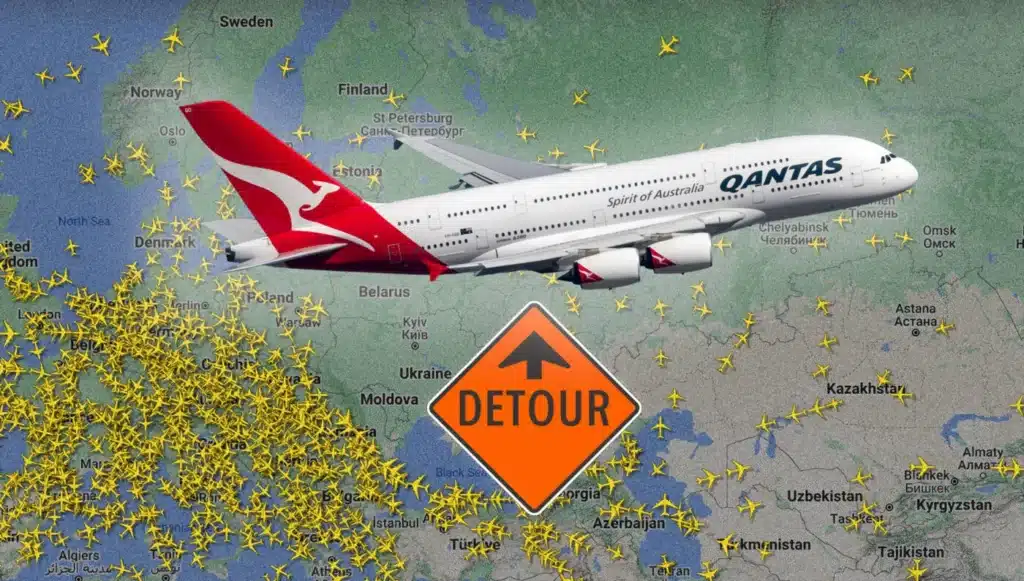
The decision to operate over or near conflict areas involves multiple regulatory layers and risk assessments.
Government restrictions take precedence. The FAA can prohibit all U.S. carriers and pilots from operating in specific regions regardless of airline risk assessments. EASA issues similar mandatory restrictions for European operators. Airlines cannot override these regulatory prohibitions.
Insurance determines viability. Even when governments permit operations, war risk insurance can become prohibitively expensive or entirely unavailable. Underwriters assess conflict zones independently and may refuse coverage or quote premiums that make routes economically impossible.
Corporate risk policies vary. Some airlines adopt conservative approaches, avoiding conflict periphery zones even when not formally restricted. Others operate closer to active conflicts when safe corridors exist, maintaining service while competitors withdraw.
Airlines monitor multiple information sources: ICAO Conflict Zone Information Repository, government intelligence briefings, industry safety groups like IATA, and private security consultants specializing in aviation risk assessment.
The decision involves balancing passenger safety (paramount), regulatory compliance (mandatory), economic viability (necessary), and competitive positioning (strategic). Major carriers typically err toward caution, while smaller operators or those with state backing sometimes accept higher risk thresholds.
Future Of Aviation In A Geopolitical World
The aviation industry faces a more fragmented geopolitical landscape than any period since the Cold War, with lasting implications for route networks, aircraft selection, and airline strategy.
Airspace fragmentation appears permanent. Even if specific conflicts resolve, the precedent of reciprocal airspace bans and politically-motivated restrictions suggests a future where open skies cannot be assumed. Airlines plan networks assuming current restrictions persist indefinitely.
This reality drives investment in ultra-long-range, fuel-efficient aircraft capable of routing around multiple restricted zones. The Boeing 777X, Airbus A350-1000, and future aircraft designs prioritize range and efficiency over pure capacity.
Regional hubs gain strategic importance. Middle Eastern carriers like Emirates, Qatar Airways, and Etihad benefit from geographic positions that avoid many conflict zones. Turkish Airlines similarly leverages Istanbul’s location as a natural East-West crossroads.
Airlines in geopolitically neutral countries enjoy competitive advantages, while those in countries involved in international disputes face structural disadvantages in global markets.
Technology adaptation accelerates. Airlines invest in advanced flight planning software capable of real-time rerouting based on evolving threats. Satellite-based navigation reduces dependence on ground-based systems vulnerable to conflict disruption.
The industry pursues sustainable aviation fuel adoption partly to reduce dependence on petroleum supply chains vulnerable to geopolitical disruption, though this remains years from meaningful impact.
Passenger expectations shift. Travelers increasingly accept longer journey times and reduced direct service as normal rather than temporary inconvenience. The new reality reshapes route networks, fleet planning, and airline hub strategies for decades ahead.
Frequently Asked Questions
Why do airlines avoid war zones?
Airlines avoid war zones due to direct safety threats from surface-to-air missiles, military aircraft activity, and electronic warfare that can reach commercial cruise altitudes. The 2014 MH17 tragedy demonstrated catastrophic risks when a Boeing 777 was shot down over eastern Ukraine, killing all 298 people aboard. Insurance companies also refuse coverage or charge prohibitive premiums for conflict zone operations, making routes economically unviable even when physical threats might be manageable.
How do conflicts change flight routes?
Conflicts force airlines to reroute around restricted airspace using three main strategies: southern corridors through Turkey and Central Asia, polar routes over the Arctic Ocean, or Middle Eastern hub connections. The Russia-Ukraine war added 2-4 hours to many Europe-Asia flights, while Middle East conflicts force detours through Egyptian or Turkish airspace. These changes can add 1,000-2,000 nautical miles to individual routes.
Why do some flights take longer now?
Many flights take longer due to airspace restrictions from ongoing conflicts, particularly the Russia-Ukraine war that closed the most direct Europe-Asia routes. Airlines must route around restricted areas, often adding 2-4 hours to journey times. Extended routing also faces more headwinds, weather exposure, and air traffic congestion over alternative corridors, compounding delays beyond just added distance.
Can airlines fly over conflict areas?
Airlines cannot fly over conflict areas when government regulators issue mandatory prohibitions. The FAA and EASA ban operations in designated high-risk zones regardless of airline assessments. Even when not formally restricted, war risk insurance becomes prohibitively expensive or unavailable. Airlines that choose to operate near conflicts when permitted face significantly higher costs and potential passenger booking resistance.
Who decides if airspace is safe?
Multiple authorities determine airspace safety. The ICAO coordinates international aviation safety standards and provides conflict zone guidance. National regulators like the FAA and EASA issue binding restrictions for carriers under their jurisdiction. Individual airlines conduct their own risk assessments using government intelligence, industry safety groups, and private security consultants. Insurance underwriters make independent safety determinations that affect coverage availability and cost.
How much do conflict reroutes cost airlines?
Conflict reroutes cost airlines millions annually per affected route. A single London-Beijing flight avoiding Russia burns approximately $7,000-8,000 extra fuel. Operating this route daily adds over $2.5 million in annual fuel costs alone, not including crew expenses, reduced aircraft utilization, and accelerated maintenance. Major European carriers face hundreds of millions in additional annual costs from Russian airspace restrictions across their entire Asian networks.
Which airlines benefit from airspace restrictions?
Chinese airlines benefit most from Russian airspace restrictions, maintaining overflight rights Western carriers lost. They offer 5-35% cheaper tickets on Europe-Asia routes with 2-4 hour time advantages. Turkish Airlines benefits from geographic positioning along southern corridors. Middle Eastern carriers like Emirates and Qatar Airways leverage central hub locations. Air India uses Russian airspace for North American routes, providing competitive advantages over Western carriers forced into longer polar routing.
Will Russian airspace reopen to Western airlines?
Russian airspace reopening requires resolution of the Ukraine conflict and removal of international sanctions, neither of which appears imminent. Airlines plan networks assuming current restrictions persist indefinitely rather than temporary disruptions. Even if political circumstances change, reciprocal bans and damaged diplomatic relationships suggest reopening would be gradual and conditional rather than immediate restoration of pre-2022 access. The aviation industry treats current routing as the new permanent baseline.
Conclusion
Wars and conflicts have transformed global aviation from an industry built on predictable great circle routes into one requiring constant geopolitical adaptation. The Russia-Ukraine war alone redirected 360,000 annual flights, added billions in operating costs, and fundamentally shifted competitive dynamics between Western and Asian carriers.
Airlines now plan networks assuming airspace fragmentation is permanent rather than temporary. This drives investment in ultra-long-range aircraft, strengthens geographically advantaged hubs in the Middle East and Turkey, and creates lasting structural advantages for carriers in neutral countries. Passengers accept longer journey times, fewer direct routes, and higher fares as the new normal.
The future of commercial aviation depends increasingly on geopolitical stability. As conflicts continue reshaping flight paths, the industry adapts through technology, aircraft capabilities, and route networks designed for a world where open skies can no longer be assumed. Airline success increasingly depends on geographic positioning, diplomatic relationships, and operational flexibility to navigate an unstable geopolitical landscape.