Why Airlines Are Avoiding Russian Airspace - And What It Means For Global Flights
 Radu BalasFounder, The Flying EngineerPublished Updated 16 min read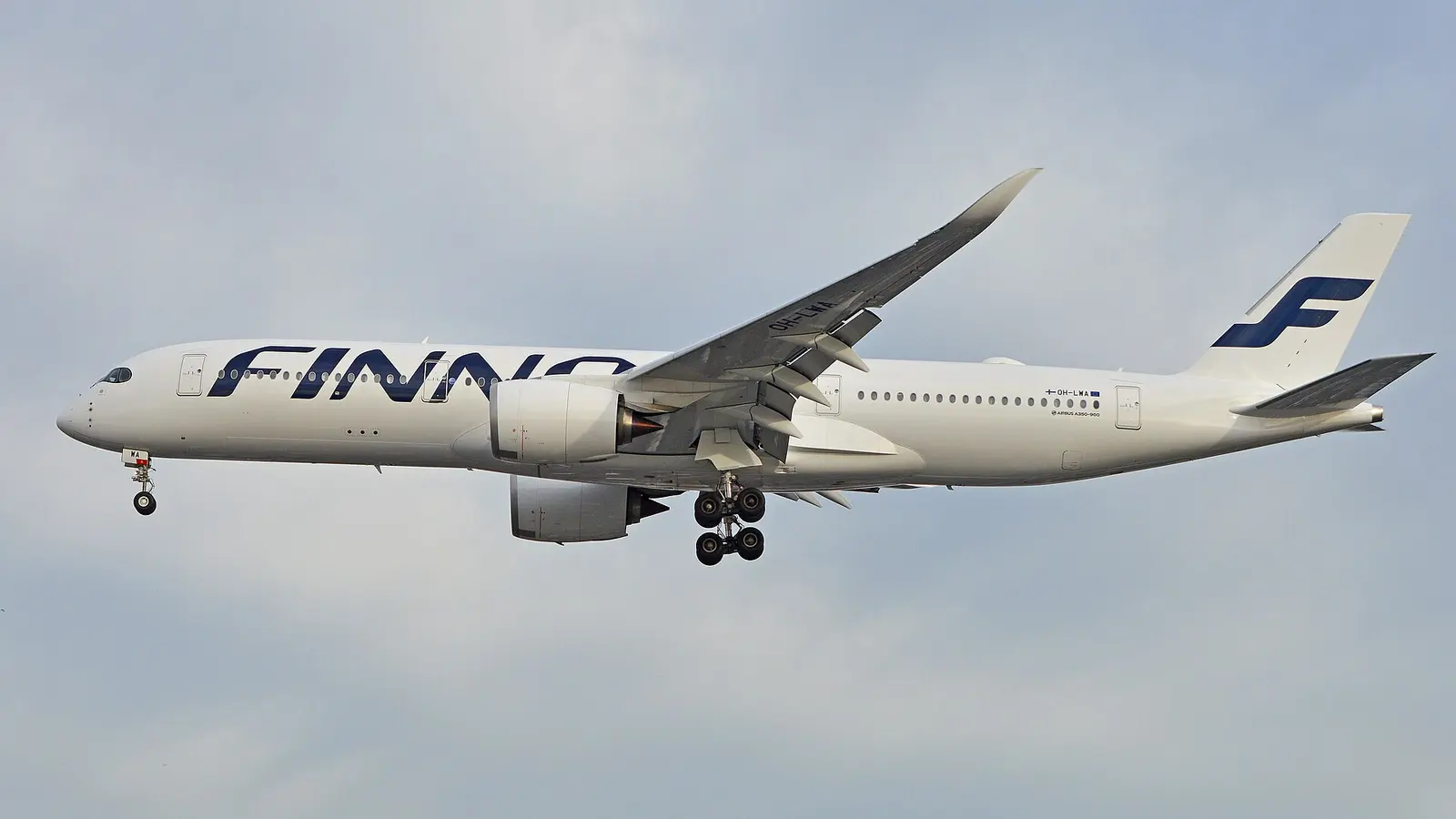
For decades, Russian airspace provided the shortest route between Europe and Asia. Over 360,000 flights annually crossed Siberia according to EASA data, cutting hours off journeys between London and Tokyo, Frankfurt and Beijing, Helsinki and Seoul.
That corridor closed in February 2022. Russia's invasion of Ukraine triggered reciprocal airspace bans: Western airlines can't fly over Russia, and Russian carriers can't fly over Europe or North America. The closure affects over 35 countries.
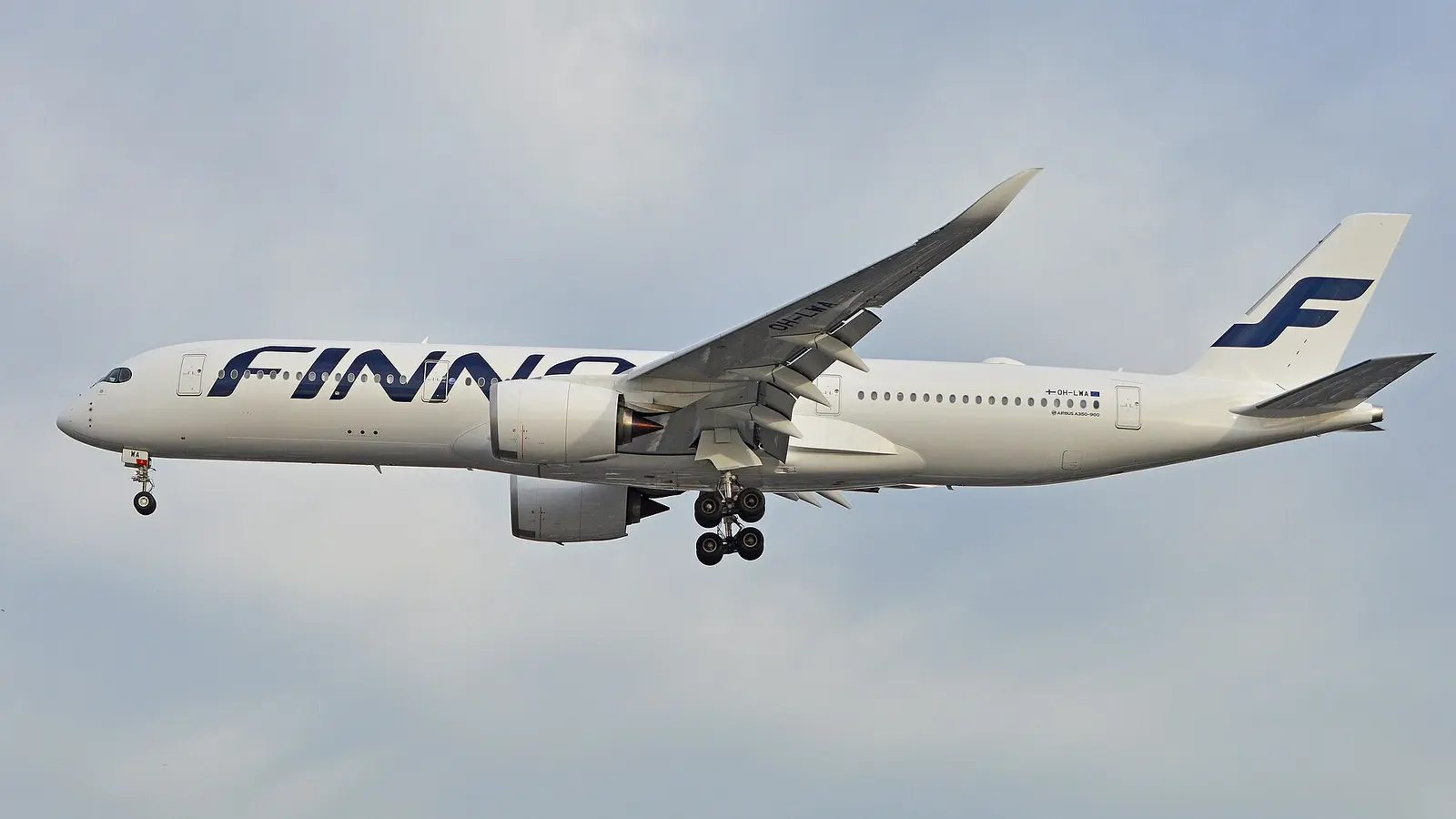
The consequences reshaped global aviation. Routes now stretch thousands of kilometers longer. Finnair's Helsinki-Tokyo flight increased from 9 hours to 13 hours. Airlines burn extra fuel. Passengers pay higher fares. Chinese carriers gained competitive advantages European airlines can't match.
This isn't temporary turbulence. Nearly three years later, the bans remain firmly in place with no resolution in sight. Understanding why airlines avoid Russian airspace reveals how geopolitics transformed global flight routes permanently.
Why Airlines Cannot Fly Over Russian Airspace
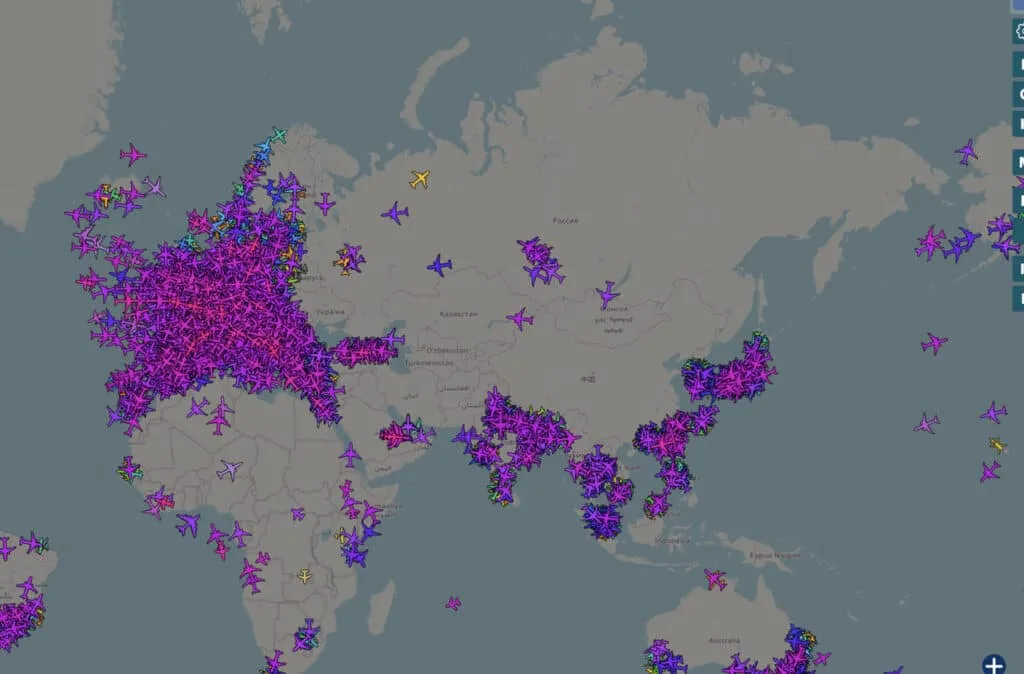
The airspace closure stems from reciprocal bans following Russia's February 24, 2022 invasion of Ukraine. European countries and their allies sanctioned Russia by closing their airspace to Russian-registered aircraft.
Russia retaliated immediately. By February 28, 2022, Russian aviation authorities banned airlines from all 27 EU member states plus the United Kingdom, Canada, Norway, Switzerland, Iceland, and several other countries.
The banned list expanded to include the United States, Australia, Japan, South Korea, and ultimately over 35 countries and territories. For airlines registered in these nations, Russian airspace became completely inaccessible.
Some airlines voluntarily avoid Russian airspace despite permission. Japan Airlines and Korean Air cite safety concerns related to the ongoing conflict, even though technically they could fly over Russia. The proximity to active combat zones and unpredictable military activity creates risk airlines prefer to avoid.
European Aviation Safety Agency (EASA) issued warnings in January 2025 advising against flying in western and central Russian airspace west of 60 degrees east longitude. The December 2024 AZAL E190 crash near Grozny - where an Azerbaijan Airlines Embraer struck by possible military activity crashed killing 38 people - reinforced these safety concerns.
How Russian Airspace Used To Be A Major Global Aviation Corridor
Before February 2022, Russian airspace formed the backbone of Europe-Asia connectivity. The Trans-Siberian air corridor provided the most direct routing between Western Europe and East Asia.
Prior to March 2022, European airlines operated approximately 30% of their flights through Russian airspace. UK-based carriers particularly relied on this corridor for flights to Southeast Asia, Japan, China, and Korea.
On peak days in early 2022, over 70 transit flights daily crossed Siberian and European Russian airspace. In 2019, that number reached 360,000 annual flights operated by European carriers. Even in pandemic-affected 2021, approximately 200,000 flights still used the route.
Geography Made Russia Essential
Earth's spherical shape means great circle routes between Europe and Asia naturally pass over Russia. A flight from London to Tokyo traveling the shortest path crosses Scandinavia, northern Russia, and Siberia before descending into Japan.
Helsinki sits particularly close to Russia, making Finnair's hub strategy devastatingly dependent on Siberian overflight. The airline built its business model around being the fastest connection between Europe and Asia - a competitive advantage geography provided and geopolitics destroyed.
Airlines paid Russia overflight fees for using its airspace. These fees generated substantial revenue for Russian aviation authorities while providing European and Asian carriers with time and fuel-efficient routes. The arrangement worked for everyone until it didn't.
How Airlines Are Rerouting Flights Without Russian Airspace
Banned airlines developed three primary routing strategies, each with significant trade-offs in distance, time, and operational complexity.
Southern Corridor Via Middle East
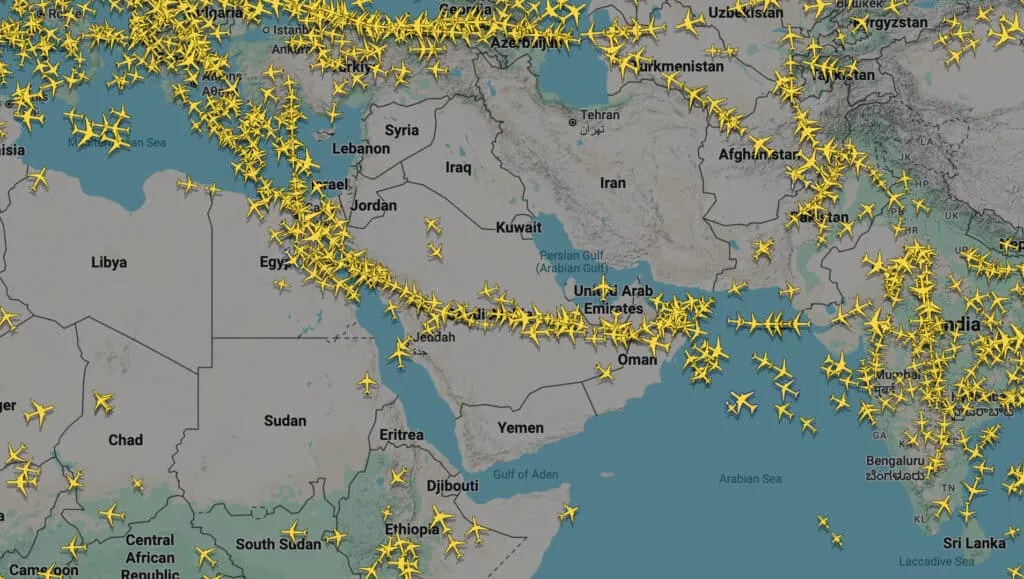
Most European airlines now route through Turkey, Central Asia, or the Middle East. Instead of heading northeast over Russia, flights from London, Paris, or Frankfurt first travel southeast toward Turkey, then east through Kazakhstan, Kyrgyzstan, or Uzbekistan.
British Airways flights to Delhi now route through Turkey, adding 900 kilometers and 45 minutes to the journey. The airline's London-Beijing service adds nearly 1,000 miles compared to Chinese carriers still using Russian airspace - translating to almost two extra hours.
Lufthansa, Air France, KLM, and British Airways all use variations of this southern routing. The path avoids Russian airspace but adds substantial distance, particularly for flights to Northeast Asia like Japan and South Korea.
Polar Routes Over The Arctic
For some Europe-Asia routes, airlines adopted polar routing over the Arctic Ocean. Finnair's Helsinki-Tokyo flight now travels north over Svalbard, across the Arctic toward Alaska, then skirts Russian airspace in the Pacific before descending into Japan.
Japan Airlines' Tokyo-London service reversed direction entirely. Instead of heading west over Russia, the flight now goes east across the Pacific, through Alaska, over Canada and Greenland, then descends through Iceland into Europe.
Polar routing works for specific city pairs where Arctic paths avoid Russian territory. However, not all aircraft can fly polar routes - they require special equipment for extreme cold operations and emergency diversion airports along limited Arctic infrastructure.
Increased Use Of Middle Eastern Hubs
Some European airlines cancelled direct routes entirely, forcing passengers to connect through Middle Eastern hubs like Dubai, Doha, or Abu Dhabi. These Gulf carriers can still fly over Russia on certain routes, or their geographic position provides natural routing advantages.
Understanding new route launches reveals how airlines restructured networks when Russian airspace closed.
Flights That Became Much Longer
The airspace closure dramatically increased flying times on dozens of Europe-Asia routes. The impact varies by city pair, with some routes affected far worse than others.
| Route | Before (via Russia) | After (avoiding Russia) | Added Time |
|---|---|---|---|
| Helsinki → Tokyo | 8 hours 57 minutes | 13 hours (polar route) | +4 hours |
| Helsinki → Beijing | ~8 hours | ~11 hours | +3 hours |
| Tokyo → London (JAL) | 12 hours 12 minutes | 14 hours 38 minutes | +2.5 hours |
| London → Tokyo (BA) | ~12 hours | ~14 hours | +2 hours |
| London → Delhi (BA) | ~8.5 hours | ~9.5 hours | +1 hour |
| London → Beijing (BA) | ~10 hours | ~12 hours | +2 hours |
Note: Routes to Northeast Asia (Japan, South Korea) suffer worst impacts (red/orange rows) adding 2-4 hours. Delhi routes less affected (gold row) as southern routing more natural. Finnair Helsinki hub devastated by geography. Swipe left to see full table on mobile devices.
Why Helsinki Suffered Most
Finnair built its entire strategy around geographic proximity to Russia. Helsinki sits farther north and east than other European hubs, making it the shortest connection point between Europe and Asia via Siberia.
When Russian airspace closed, that advantage became a liability. Finnair's routes to Tokyo now require an additional 2,137 nautical miles (3,960 kilometers). Beijing routes add 1,729 nautical miles (3,200 kilometers).
The airline had to suspend or reduce multiple Asia routes. Its competitive position - faster than Frankfurt, Paris, or London - evaporated overnight. Passengers choosing Helsinki connections specifically for time advantages no longer had reason to do so.
Which Airlines Are Most Affected
The airspace closure created clear winners and losers based on geography, route networks, and diplomatic relationships. European carriers bore the worst impacts.
Finnair: The Biggest Loser
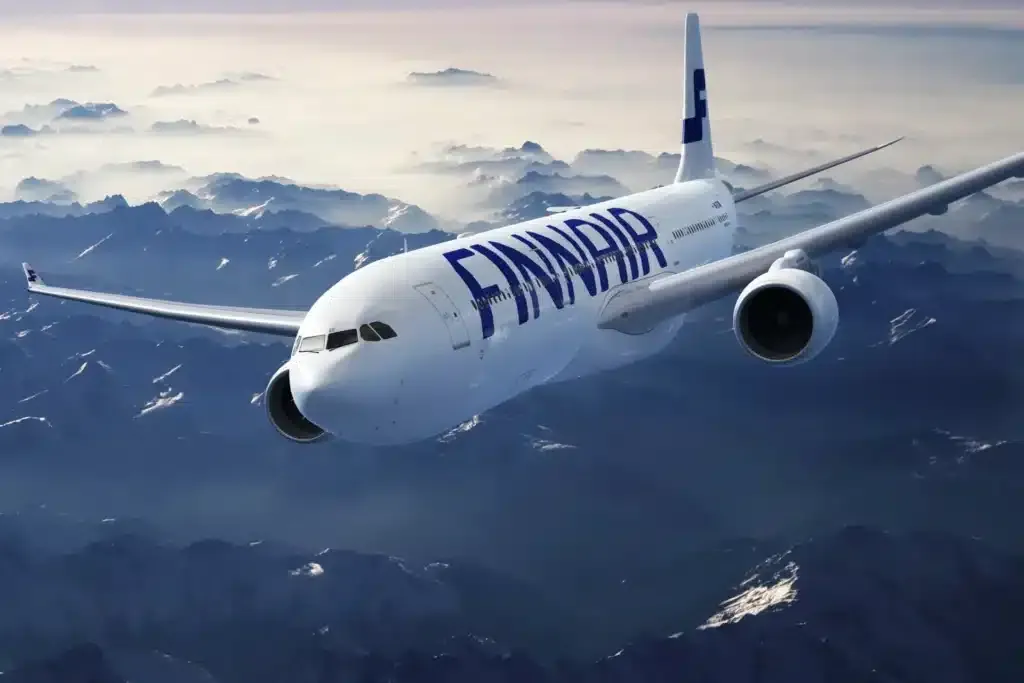
Finnair faced existential threats from the closure. The airline built its business model entirely around being the fastest Europe-Asia connection via Siberian overflight. That model collapsed February 24, 2022.
The carrier suspended multiple Asian routes and reduced frequencies on others. Flights that remained became uncompetitive on time versus southern European hubs routing through Middle East corridors. Finnair's ultra-long-haul operational experience couldn't overcome geographic disadvantages.
Pre-pandemic, Asia routes formed the core of Finnair's strategy. Post-closure, the airline struggled to replace that network with equally profitable alternatives.
Lufthansa: Significant Impact
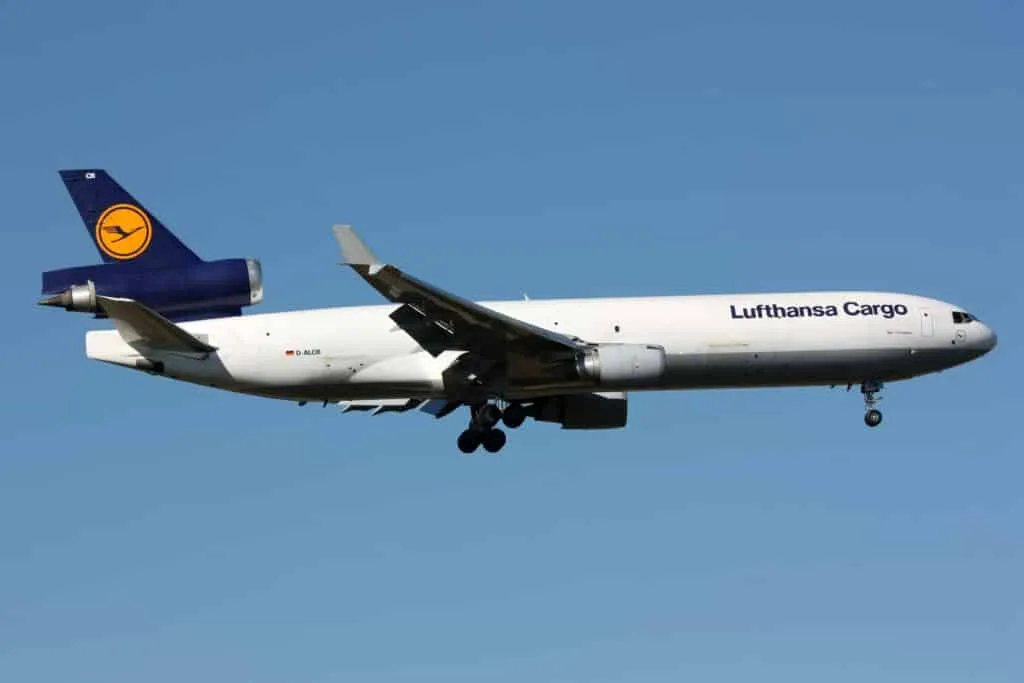
Lufthansa Group (including Swiss, Austrian Airlines, and Brussels Airlines) operated extensive Asia networks through Russian airspace. The closure forced route restructuring across the entire group.
Frankfurt-Beijing, Frankfurt-Seoul, Frankfurt-Tokyo, and dozens of other routes now require southern routing through Turkey or Central Asia. The added time and fuel costs reduce profitability while Chinese competitors fly shorter direct paths.
Lufthansa executives publicly supported US initiatives to restrict airspace access for airlines still using Russian routes, arguing European carriers shouldn't face competitive disadvantages for following EU sanctions.
British Airways: Major Restructuring
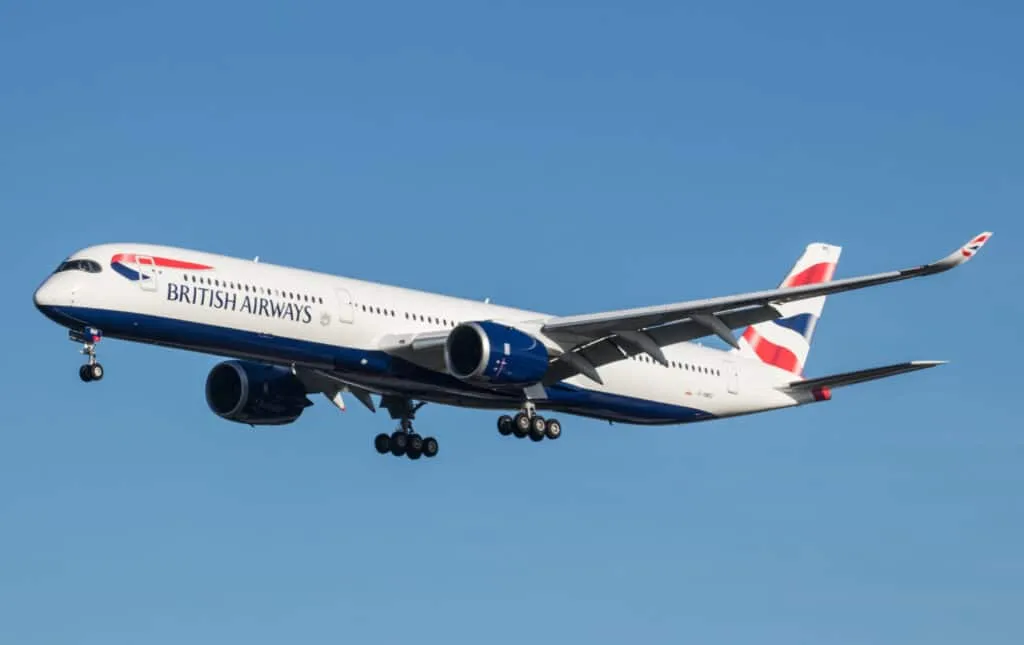
British Airways operates significant Asia capacity from London Heathrow. Routes to Beijing, Tokyo, Seoul, Singapore, and other Asian destinations all previously crossed Russian airspace.
The airline now routes through Turkey and Central Asia, adding 1-2 hours on most services. London-Beijing adds nearly 1,000 miles versus Chinese carriers. The operational complexity increased dramatically - longer flights require more fuel, larger aircraft, extended crew duty periods.
Air France-KLM: Competitive Pressure
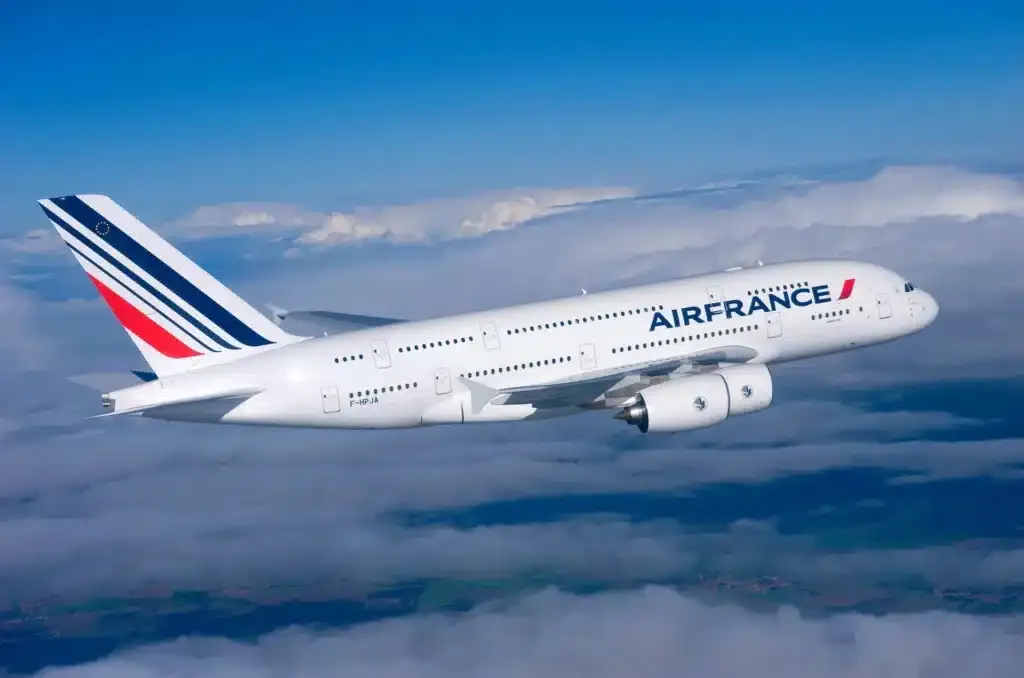
Air France-KLM spoke publicly about challenges reinstating Europe-China flights to pre-pandemic levels. General Manager for Greater China Wouter Vermeulen cited Russian airspace restrictions as a significant obstacle.
The airline group faces the same competitive disadvantage as other European carriers: Chinese airlines fly shorter routes while Air France and KLM fly longer, costlier paths.
Which Airlines Benefit From The Russian Airspace Ban
Not all airlines suffered equally. Some carriers gained significant competitive advantages from the closure, fundamentally shifting market dynamics on Europe-Asia routes.
| Airline Category | Examples | Advantage |
|---|---|---|
| Chinese Airlines | Air China, China Eastern, China Southern, Hainan | Can fly over Russia, 2-3 hours shorter on Europe routes |
| Indian Airlines | Air India | Uses Russian airspace for US/Canada flights, fuel efficiency gains |
| Middle Eastern Carriers | Emirates, Qatar Airways, Etihad | Geographic position creates natural hub advantage |
| Turkish Airlines | Turkish Airlines | Can fly over Russia + geographic hub position |
| Central Asian Carriers | Air Astana, Uzbekistan Airways | Positioned along new routing corridors |
Note: Airlines able to use Russian airspace (green rows) gained 2-4 hour time advantages and lower costs versus banned European carriers. Market share shifting toward Chinese and Middle Eastern airlines on Europe-Asia routes. Swipe left to see full table on mobile devices.
Chinese Airlines: Major Winners
China has the largest number of airlines using Russian airspace. Air China, China Eastern, China Southern, Hainan Airlines, Xiamen Air, and Beijing Capital Airlines all continue flying over Russia to reach European destinations.
On London-Beijing routes, China Southern flies almost 1,000 miles shorter than British Airways. That translates to nearly two hours less flight time. The fuel savings and aircraft utilization advantages give Chinese carriers pricing power European airlines can't match.
Chinese airlines can offer tickets 5-35% cheaper on Europe-Asia routes due to shorter distances and lower operating costs. European passengers increasingly choose Chinese carriers for better schedules and lower fares.
Air India: Unexpected Beneficiary
Air India uses Russian airspace for all flights to the United States and Canada, gaining time and fuel efficiencies without operating direct Russia services. The airline doesn't face sanctions restricting Russian overflight.
Flights from Delhi to New York that would take European carriers hours longer via southern routing operate normally for Air India via Siberia. This advantage helped Air India expand its North America network while European and North American carriers face operational constraints.
Middle Eastern Carriers: Hub Position Advantage
Emirates, Qatar Airways, and Etihad Airways benefit from geographic positioning. Their hubs in Dubai, Doha, and Abu Dhabi sit naturally along rerouted Europe-Asia paths avoiding Russian airspace.
European passengers connecting through Middle Eastern hubs often find better schedules than circuitous direct flights on European carriers. The Gulf carriers captured market share as European airlines reduced Asia frequencies or cancelled routes entirely.
Turkish Airlines: Diplomatic Flexibility
Turkey maintained diplomatic relations allowing Turkish Airlines to fly over Russia while also serving as a natural connection point for rerouted European traffic. The airline operates flights to seven Russian airports while also benefiting from increased Europe-Asia transfer traffic through Istanbul.
Turkey's unique position - NATO member but maintaining Russia relations - gave Turkish Airlines advantages neither European nor Asian competitors possess.
How The Ban Is Increasing Airline Costs
The operational and financial impacts extend far beyond simple route adjustments. European airlines face structural cost increases that fundamentally changed their competitive position.
Fuel Consumption Surge
Longer routes mean substantially more fuel burned. A London-Beijing flight on British Airways covering an extra 1,000 miles consumes approximately 10,000 cubic meters more fuel annually than China Southern's shorter route on a single daily flight.
With fuel prices ranging $86-90 per barrel through 2024-2025, these additional expenses represent significant economic burdens. Multiply across dozens of affected routes and hundreds of daily flights, and European carriers face billions in extra annual fuel costs.
Aircraft Utilization Reduction
When a 9-hour flight becomes 13 hours, the same aircraft completes fewer flights per day. Airlines need more aircraft to maintain the same schedule, or reduce frequencies.
Finnair's Helsinki-Tokyo route adding 4 hours means the airline lost an entire additional flight rotation daily. That aircraft could have operated Helsinki-European routes during those 4 hours, generating revenue. Instead, it sits over the Arctic burning fuel without producing additional passenger capacity.
Crew Costs And Scheduling Complexity
Longer flights require extended crew duty periods or additional crew members. Pilots and flight attendants face regulatory limits on duty time. A flight extending from 8 to 12 hours might require doubling crew or adding rest facilities.
Crew scheduling becomes dramatically more complex. The longer block times reduce crew productivity - they fly fewer segments per month, requiring larger crew bases to maintain schedules. Understanding aircraft leasing economics shows how utilization impacts profitability.
Competitive Pricing Pressure
Despite higher costs, European airlines face pricing pressure from Chinese carriers flying shorter routes. Passengers compare fares without considering operational differences.
A 12-hour China Southern flight at $800 beats a 14-hour British Airways flight at $950, even though British Airways faces higher costs. European carriers either match prices (reducing margins) or lose passengers to more efficient competitors.
What It Means For Passengers
The airspace closure directly impacts travelers through longer journey times, higher fares, and reduced route options.
Significantly Longer Travel Times
Passengers on affected routes spend 1-4 additional hours in the air. A Helsinki-Tokyo journey that took 9 hours now requires 13 hours. Tokyo-London via Japan Airlines extended from 12:12 to 14:38.
For business travelers, this time costs productivity. For leisure passengers, it adds fatigue. The extra hours translate to additional overnight requirements, affecting connection possibilities and total trip duration.
Higher Ticket Prices
Airlines passed increased costs to passengers through higher fares. European carriers operating longer routes with more fuel burn cannot maintain previous pricing without destroying profitability.
According to industry data, Europe-Asia fares increased as airlines adjusted for operational realities. A New York-Delhi flight on Air India in April 2023 cost nearly $1,500 with 13 hours 40 minutes flight time - but European carriers face even longer times and higher prices.
Reduced Route Availability
Some airlines suspended routes entirely rather than operate uneconomically. Finnair cut portions of its Asia network. Other European carriers reduced frequencies on Asian routes that became marginal when flight times increased.
Passengers lost direct flight options, forcing connections through hubs. A journey that previously required one flight now needs two, adding complexity, connection risk, and total travel time. Exploring new airline route dynamics shows how networks evolve under constraints.
Will Airlines Ever Fly Over Russia Again?
The fundamental question: is this temporary or permanent? Nearly three years after closure, no resolution appears imminent.
Dependent On Ukraine Conflict Resolution
Russian airspace reopening requires fundamental geopolitical change. That means either Ukraine conflict resolution with sanctions lifted, or diplomatic breakthrough allowing aviation to separate from broader sanctions.
Current trajectory suggests neither happens soon. The conflict continues without clear path to resolution. Western countries show no willingness to lift sanctions while the invasion persists. Russia maintains reciprocal bans as long as European/North American airspace remains closed to Russian carriers.
Economic Pressure For Change
European airlines and their governments face mounting economic pressure. The competitive disadvantage versus Chinese carriers grows quarterly. Airlines lose market share, profitability suffers, and European aviation competitiveness declines.
Lufthansa and Air France-KLM executives publicly called for restrictions on airlines using Russian airspace, arguing the current situation creates unfair competition. But implementing such restrictions faces massive diplomatic and legal challenges.
Permanent Route Restructuring
Airlines increasingly plan assuming Russian airspace remains closed indefinitely. Rather than temporary adjustments, carriers restructure networks permanently around southern corridors and polar routes.
Aircraft orders, crew base planning, and hub development now assume current routing continues. If Russian airspace reopens, airlines could revert - but they're not counting on it.
Alternative: Selective Reopening
One possibility: selective or graduated reopening where certain routes or airlines gain access before full normalization. Some neutral countries' airlines might negotiate separate agreements, or specific corridors could open while broader bans remain.
However, this seems unlikely given the reciprocal nature of current bans. Russia shows no interest in partial measures while European airspace remains closed to Russian carriers.
Frequently Asked Questions
Why are airlines avoiding Russian airspace?
Airlines cannot fly over Russia due to reciprocal airspace bans following Russia's 2022 invasion of Ukraine. Western countries including all EU member states, the UK, US, Canada, Japan, South Korea, and over 35 countries total banned Russian aircraft from their airspace. Russia retaliated by banning airlines from those countries from Russian airspace. Some airlines like Japan Airlines and Korean Air voluntarily avoid Russian airspace citing safety concerns near active conflict zones, even though they're technically not banned. The restrictions remain in effect nearly three years later with no resolution in sight.
Which airlines can still fly over Russia?
Chinese, Indian, Turkish, and certain Middle Eastern airlines continue using Russian airspace. Chinese carriers (Air China, China Eastern, China Southern, Hainan Airlines) operate the most flights over Russia to Europe. Air India uses Russian airspace for all US and Canada routes. Turkish Airlines maintains Russia access due to Turkey's diplomatic position. A few other airlines from countries maintaining neutral positions or close Russia ties also use the airspace: Air Serbia, Belavia (Belarus), some Central Asian carriers, and select African airlines. These carriers gain 2-4 hour time advantages and significant cost savings versus banned European and North American airlines.
How much longer are flights without Russian airspace?
Europe-Asia flights now take 1-4 hours longer depending on the route. Helsinki-Tokyo increased from 9 hours to 13 hours (+4 hours) using polar routing. Tokyo-London via Japan Airlines extended from 12:12 to 14:38 (+2.5 hours) crossing the Pacific. London-Beijing adds approximately 2 hours for British Airways versus China Southern's shorter route over Russia. Helsinki-Beijing adds 3 hours. London-Delhi increased by 1 hour - less severely affected as southern routing through Turkey is more natural. The worst-hit routes connect northern Europe to Northeast Asia (Japan, South Korea, northern China) where Siberian routing previously provided massive time savings.
Why does Russian airspace matter for Europe-Asia flights?
Russian airspace provides the shortest great circle route between Europe and Asia due to Earth's spherical shape. The most direct path from London to Tokyo naturally crosses Scandinavia, northern Russia, Siberia, and descends into Japan - a route now completely unavailable to European carriers. Russia spans 11 time zones and 6,000+ miles east-west, making it geographically unavoidable for efficient Europe-Asia routing. Before February 2022, 360,000 annual flights crossed Russian territory operated by European airlines - approximately 30% of all Europe-Asia traffic. The Trans-Siberian air corridor saved airlines enormous fuel costs and passengers hours of travel time compared to alternative southern or polar routes.
Which airline is most affected by the Russian airspace ban?
Finnair suffered the worst impact as its entire business model depended on Russian overflight. Helsinki's geographic position made it the fastest connection between Europe and Asia via Siberia. Finnair built its strategy around this advantage, positioning itself as the quick Asia connection hub. When Russian airspace closed, Helsinki-Tokyo added 4 hours (9 to 13 hours), Helsinki-Beijing added 3 hours, and the airline's core competitive advantage evaporated overnight. Finnair suspended multiple Asian routes and reduced frequencies dramatically. The carrier faces existential challenges restructuring around southern corridors where it holds no geographic advantage over Frankfurt, Paris, or Amsterdam hubs.
Do flights avoiding Russia burn more fuel?
Yes, significantly - an extra 1,000 miles on London-Beijing burns approximately 10,000 cubic meters more fuel annually on one daily flight. European airlines face billions in additional annual fuel costs across their entire Asia networks. Longer routes mean more fuel burned per flight, requiring larger fuel loads that further increase weight and consumption. Airlines also lose aircraft utilization efficiency - the same aircraft completes fewer rotations when stuck on 13-hour flights instead of 9-hour flights, requiring more aircraft to maintain schedules. This combines with crew cost increases as longer flights require extended duty periods or additional crew members, all contributing to structural cost disadvantages versus Chinese carriers flying shorter Russian routes.
Are ticket prices higher because of the Russian airspace ban?
Yes, European airlines increased Europe-Asia fares to offset higher operational costs from longer routing. However, they face pricing pressure from Chinese carriers flying shorter, cheaper routes over Russia. Chinese airlines can offer tickets 5-35% cheaper on Europe-Asia routes due to shorter distances, lower fuel burn, and better aircraft utilization. European passengers increasingly choose Chinese carriers for better schedules and lower prices. European airlines face a dilemma: match Chinese pricing (destroying profitability) or maintain prices (losing passengers). Many routes became unprofitable, forcing route suspensions or frequency reductions. The competitive disadvantage compounds over time as Chinese carriers capture market share European airlines struggle to recover.
When will airlines fly over Russia again?
No timeline exists - reopening requires fundamental geopolitical change unlikely soon. Russian airspace access depends on either Ukraine conflict resolution with sanctions lifted, or diplomatic breakthrough separating aviation from broader sanctions. Nearly three years after closure, no resolution appears imminent. The conflict continues without clear resolution path, Western sanctions remain firmly in place, and Russia maintains reciprocal bans. Airlines increasingly plan assuming Russian airspace stays closed indefinitely, restructuring networks permanently around current routing. Some analysts suggest selective reopening for neutral countries' airlines might occur before full normalization, but Russia shows no interest in partial measures while European airspace remains closed to Russian carriers. Realistically, expect current situation to persist years longer.
Conclusion
Russian airspace closure reshaped global aviation permanently. European airlines lost the Trans-Siberian corridor that provided their shortest, cheapest routes to Asia. Chinese carriers gained structural advantages European competitors cannot overcome while bans remain - 2-4 hour time savings and billions in lower costs.
The operational impacts compound over time. Longer routes mean more fuel, reduced aircraft utilization, higher crew costs, and pricing pressure airlines can't escape. Finnair's business model collapsed. Other European carriers restructure around permanent routing changes, not temporary adjustments.
Reopening requires geopolitical breakthroughs that don't appear imminent. Until then, passengers fly longer, airlines burn more fuel, and competitive dynamics favor carriers accessing Russian airspace. The ban transformed global aviation - and that transformation looks permanent.
About the author
Radu Balas
Founder, Flying Engineer
View author profile Editorial policy and corrections