United CEO Pushes American Airlines Merger, Says Deal Could Benefit Travelers
 Radu BalasFounder, The Flying EngineerPublished Updated 7 min read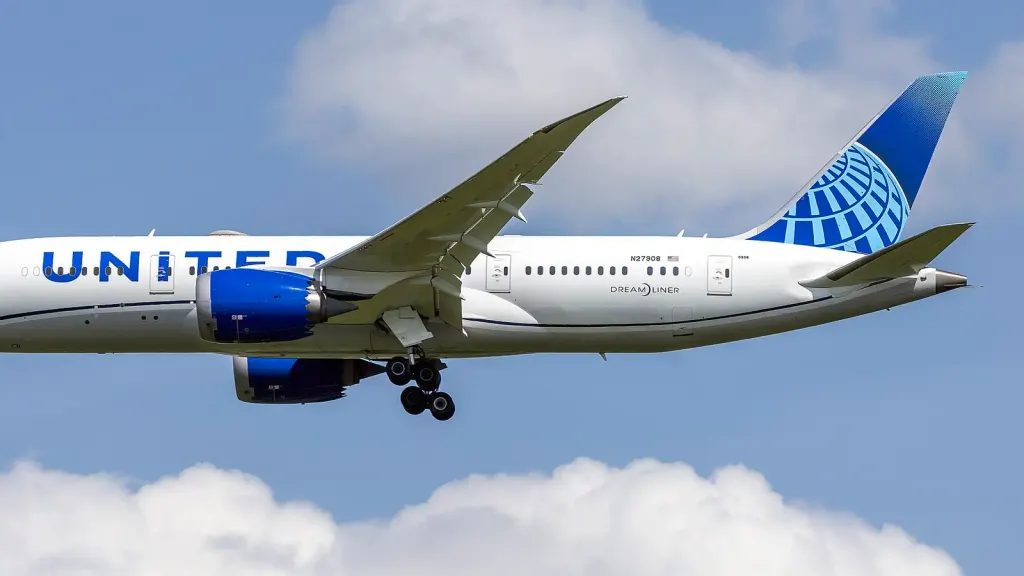
United Airlines Chief Executive Scott Kirby publicly advocated Monday for a merger between his carrier and rival American Airlines, arguing the combination would benefit travelers and create a globally competitive airline despite American's firm rejection of the proposal and opposition from President Donald Trump.
Kirby released a detailed press statement outlining his vision for combining two of the nation's largest carriers, emphasizing that the merger would focus on "adding and not subtracting" to create what he described as "a truly great airline that customers love." The statement came days after American Airlines publicly dismissed the idea and Trump stated his opposition to the deal.
"I was confident that this combination, which would have been about adding and not subtracting, creating a truly great airline that customers love, could get regulatory approval," Kirby wrote. "I was hoping to pitch that story to American, but they declined to engage and instead responded by publicly closing the door."
The United CEO's public advocacy follows revelations that he approached the White House about the potential merger, sending stocks of both carriers soaring before American's April 17 rejection dampened enthusiasm. Kirby confirmed Monday that he had directly approached American Airlines management about merger discussions, though the timeline of his outreach to the carrier versus the White House remains unclear.
In his statement, Kirby argued that a United Airlines merger with American would expand service offerings, strengthen U.S. competitiveness against state-supported foreign carriers, and generate economic benefits including millions of jobs and increased demand for domestic aircraft manufacturing. He portrayed the combination as fundamentally different from traditional consolidation focused on eliminating redundancies and cutting capacity.
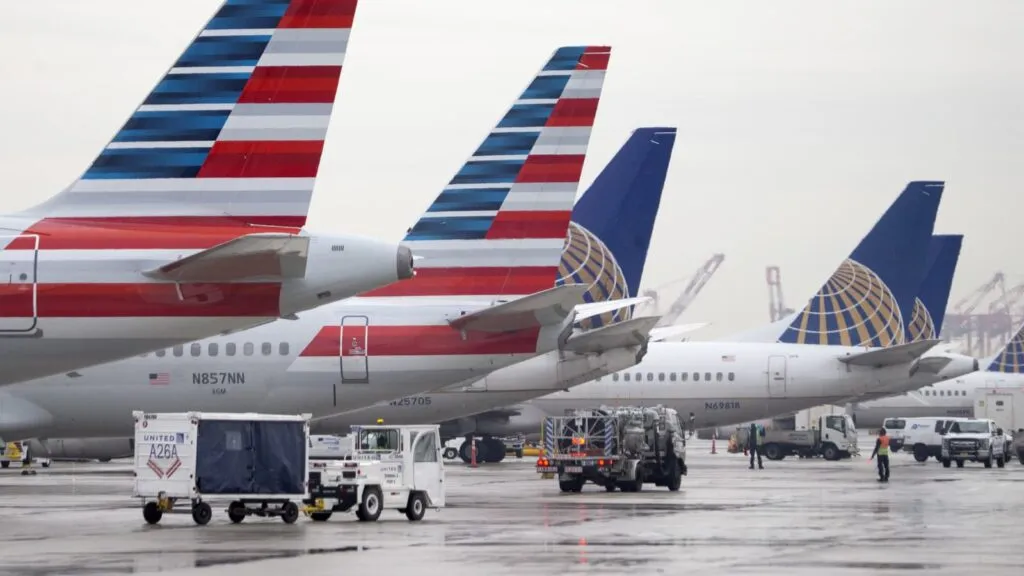
American Airlines swiftly and categorically rejected Kirby's overture in an April 17 press release, stating the Fort Worth, Texas-based carrier "is not engaged with or interested in any discussions regarding a merger with United Airlines." The company warned that combining the two carriers "would be negative for competition and for consumers" while potentially triggering antitrust scrutiny from federal regulators.
American's opposition to merger discussions represents a significant obstacle to any potential combination, with company executives emphasizing their focus on independent operations and organic growth strategies. The carrier itself resulted from a 2013 merger with US Airways Group, creating the world's largest airline at that time and providing management with direct experience navigating complex airline combinations and regulatory approval processes.
"Without a willing partner, something this big simply can't get done," Kirby acknowledged in recent comments to industry analysts, according to sources familiar with his remarks. The CEO's public statements Monday appeared designed to maintain pressure on American management while appealing directly to shareholders and regulators about potential merger benefits.
President Trump weighed in on the proposed merger last week, telling reporters "I don't like having them merge" despite his administration's generally favorable stance toward corporate consolidation in other industries. The president's opposition adds another layer of political complexity to any potential deal, though executive branch positions do not carry binding authority over merger approvals ultimately decided by Department of Transportation and Justice Department officials.
Industry analysts note that airline mergers face intense regulatory scrutiny given concentrated market power among major carriers. Four airlines currently control approximately 75% of U.S. domestic capacity, raising competition concerns that any further consolidation would reduce consumer choice and potentially increase fares on routes where combined carriers currently compete, according to federal antitrust authorities.
The Justice Department successfully blocked Spirit Airlines' proposed $3.8 billion sale to JetBlue Airways in 2024 on antitrust grounds, demonstrating regulatory willingness to prevent mergers deemed harmful to competition. A United-American combination would face even greater scrutiny given the carriers' substantially larger market positions and overlapping route networks serving major business and leisure markets.
Historical airline mergers provide mixed precedent for regulatory approval. Delta Air Lines' acquisition of Northwest Airlines in 2008 and United's merger with Continental Airlines in 2010 received approval during industry financial distress, while the American-US Airways combination gained clearance partly because American was emerging from bankruptcy protection. Current industry conditions differ significantly from those crisis periods.
Financial markets initially embraced news of Kirby's merger advocacy, with United shares jumping and American stock soaring when reports first emerged of White House discussions. However, both carriers have since retreated from those gains amid American's rejection and broader industry headwinds including soaring fuel costs from geopolitical instability.
United shares fell 1.4% Monday to $91.72, extending declines that have pushed the stock down approximately 20% since late February when conflict in Iran triggered sharp increases in global oil prices. American shares dropped 2% in morning trading to $11.84, down roughly 15% over the same period as elevated fuel costs pressure carrier profitability across the industry.
Both carriers face significant financial challenges from jet fuel price increases estimated at 40% or more since the onset of Middle East conflict. While larger legacy carriers maintain stronger balance sheets than budget operators, sustained high fuel costs compress margins and threaten growth plans absent fare increases that could reduce demand.
Kirby's merger advocacy comes as the broader aviation industry grapples with consolidation pressures driven by rising costs, intense competition, and the need for scale to compete effectively against foreign carriers benefiting from government support. His arguments emphasize creating a stronger competitor to international airlines rather than simply reducing domestic competition, though critics question whether such benefits would materialize for consumers.
For travelers, a United-American merger would fundamentally reshape the domestic aviation landscape. The combined carrier would operate the world's largest airline by most measures, controlling vast route networks, frequent flier programs with over 100 million members, and extensive international partnerships through respective Star Alliance and oneworld memberships.
Consumer advocates express skepticism about promised traveler benefits, noting that previous airline mergers typically resulted in higher fares on routes where merged carriers previously competed. The combined United-American would dominate numerous city-pair markets currently served by both airlines, potentially reducing competitive pressure to maintain competitive pricing or service quality.
Potential service improvements cited by Kirby include expanded route networks, increased flight frequencies on popular routes, better aircraft and amenities, and enhanced global connectivity through optimized international partnerships. However, realizing such benefits would require avoiding the service disruptions and operational challenges that plagued previous airline mergers during complex integration processes.
Labor unions representing pilots, flight attendants, and ground workers at both carriers would face extended negotiations over seniority integration, contract harmonization, and job protections. Previous airline mergers encountered significant labor relations challenges that delayed full integration and affected service quality during transition periods lasting years.
The merger proposal surfaces amid broader industry discussions about optimal carrier size and structure. Some analysts argue that further consolidation among major carriers represents inevitable evolution toward sustainable economics, while critics contend that market concentration already exceeds levels compatible with robust competition benefiting consumers.
United's push for the American Airlines merger news also reflects competitive dynamics with Delta Air Lines, the most profitable U.S. carrier in recent years. A United-American combination would surpass Delta in size and potentially challenge its operational and financial performance advantages, reshaping competitive dynamics among the big three U.S. legacy carriers.
International competitiveness arguments carry weight in aviation policy circles, where U.S. carriers compete against Gulf carriers receiving substantial government support and Asian carriers benefiting from favorable home market conditions. However, whether merger-driven scale translates to meaningful competitive advantages versus foreign carriers remains debated among industry experts, particularly as carriers invest in modern aircraft fleets.
The timing of Kirby's advocacy appears calculated to maintain merger discussions in public discourse despite American's rejection, potentially influencing shareholder sentiment at both carriers or laying groundwork for renewed approaches under different market conditions. Activist investors have occasionally pressured airline management to consider strategic combinations, though no such pressure currently appears active regarding United or American.
Industry observers note that Kirby's direct appeal to regulators and the public bypassing American's management represents an unusual tactic in merger discussions traditionally conducted through private negotiations before any public announcement. The strategy risks alienating American leadership while potentially building public and political support for eventual deal approval if circumstances change.
Regulatory approval timelines for major airline mergers typically extend 12-18 months or longer, involving detailed reviews by Justice Department antitrust officials, Department of Transportation analysts, and potentially congressional oversight. The process would require demonstrating consumer benefits, addressing competitive concerns through potential divestitures or operational commitments, and securing labor support or at least neutrality.
Looking ahead, the prospect of a United-American merger faces formidable obstacles including American's categorical rejection, presidential opposition, likely regulatory resistance, and questionable consumer benefits. However, Kirby's persistent advocacy suggests United leadership views consolidation as strategically valuable despite current barriers, potentially setting stage for renewed discussions if industry conditions deteriorate or leadership changes occur.
Representatives for both United Airlines and American Airlines declined to comment beyond previous statements. The White House did not respond to requests for comment on the president's current position regarding airline industry consolidation.
The airline consolidation US debate continues as carriers navigate volatile fuel markets, evolving competitive dynamics, and uncertain demand patterns following years of pandemic disruption and geopolitical instability. Whether Kirby's public merger advocacy represents serious strategic pursuit or tactical positioning to influence broader industry discussions remains to be determined as the situation develops.
About the author
Radu Balas
Founder, Flying Engineer
View author profile Editorial policy and corrections