The Most Profitable Airlines in the World: Why Some Print Money While Others Bleed Cash
 Radu BalasPublished 8 min read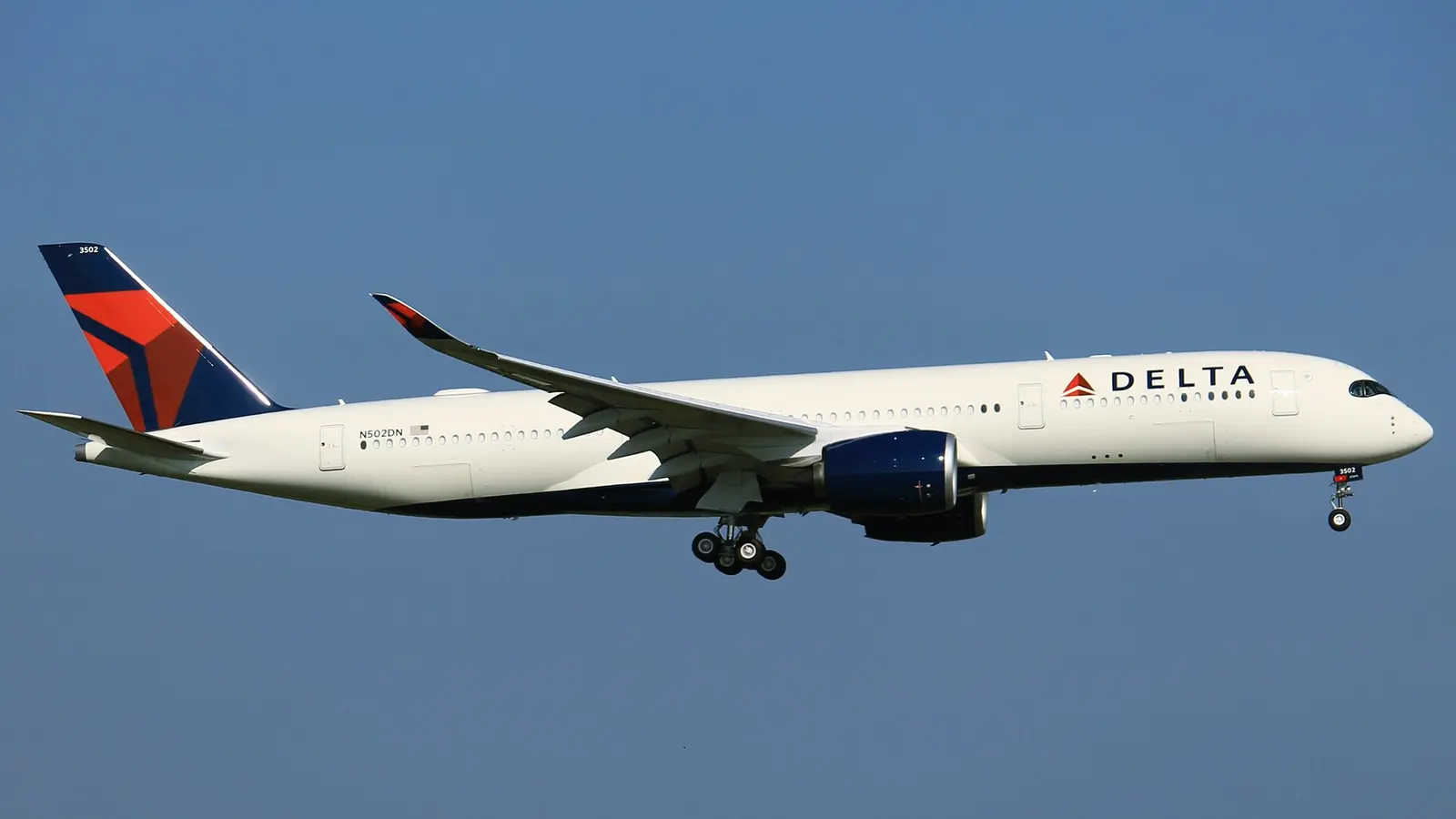
American Airlines carried 200 million passengers last year. Southwest flew 140 million. Yet Southwest made more profit.
Size doesn't equal success in aviation. Neither does route count, fleet size, or passenger volume.
Some airlines operate on razor-thin 2-3% margins. Others quietly generate double-digit returns. The difference? Business model discipline.
What Does "Most Profitable" Actually Mean?
Revenue impresses investors at conferences. Profit pays the bills.
The world's largest airlines generate massive revenue. Many lose money doing it.
Net profit margin reveals the truth. It measures how much money airlines actually keep after paying for fuel, labor, aircraft leases, airport fees, and everything else that makes aviation expensive.
A 10% net margin means an airline keeps $10 from every $100 earned. Most airlines operate below 5%. Some run negative. Industry analysis firms track these metrics religiously, revealing stark differences between winners and losers.
Operating profit tells a cleaner story. It strips out one-time gains, debt restructuring, and accounting magic. What remains is the profit from actually flying planes.
The Most Profitable Airlines: 2024-2025 Rankings
These airlines cracked the profitability code. Here's how.
Ryanair (Ireland) — Low-Cost Dominance

Business Model: Ultra-low-cost carrier
2024 Net Profit: $1.92 billion
Operating Margin: 16-18%
Ryanair operates Europe's most profitable airline model. Period.
The formula: 737-800 fleet commonality (single aircraft type reduces training and maintenance costs), secondary airports with dirt-cheap landing fees, ruthless operational efficiency (25-minute turnarounds), and ancillary revenue accounting for 30% of total income.
When competitors complained about rising costs, Ryanair increased frequencies. When fuel prices spiked, they locked in multi-year hedging contracts below market rates.
CEO Michael O'Leary's philosophy: growth drives profitability, not premium positioning. Ryanair carried 183 million passengers in 2024 at margins legacy carriers dream about.
Delta Air Lines (United States) — Premium Positioning Pays
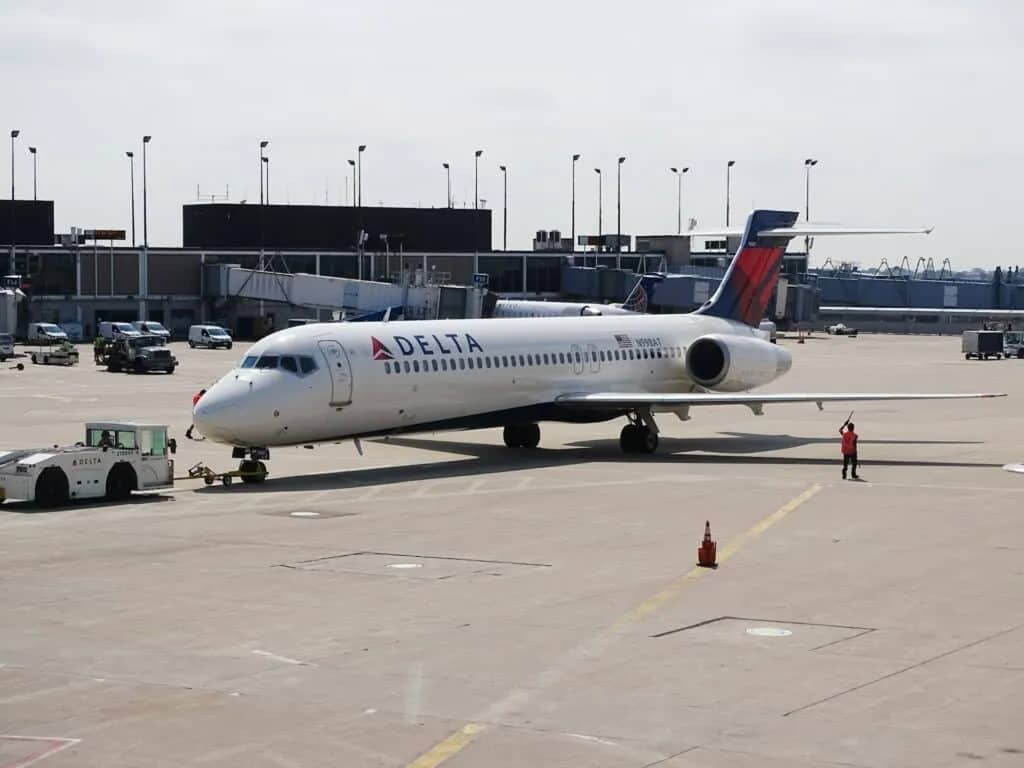
Business Model: Premium-focused legacy carrier
2024 Net Profit: $4.6 billion
Operating Margin: 12-14%
Delta proves legacy carriers can make money. Just not the traditional way.
While competitors chased capacity growth, Delta chased business travelers and premium cabins. Premium seating generates 3-5x more revenue per square foot than economy.
The airline dominates corporate travel contracts. Their SkyMiles program functions as a standalone profitable business. American Express pays Delta billions annually just for credit card partnership rights.
Hub strength at Atlanta, Detroit, Minneapolis, and Seattle creates pricing power. Delta doesn't compete on price. They compete on reliability and product quality.
Fleet modernization matters. Retiring gas-guzzling MD-88s and replacing them with fuel-efficient A321neos dropped unit costs 15%.
Southwest Airlines (United States) — Point-to-Point Efficiency

Business Model: Low-cost carrier
2024 Net Profit: $2.4 billion
Operating Margin: 10-12%
Fifty-three consecutive years of profitability. No other airline comes close.
Southwest's secret isn't low fares. It's low costs. Point-to-point routing avoids expensive hub operations. All-Boeing 737 fleet means mechanics master one aircraft type. Secondary airports cost 60% less than major hubs.
Labor productivity crushes competitors. Southwest flight attendants work harder, turn planes faster, and operate under flexible work rules union contracts at legacy carriers prohibit.
Free checked bags sound expensive. They're marketing genius. Passengers pay extra at competitors, then book Southwest. The airline fills planes at higher load factors than low-cost rivals charging bag fees.
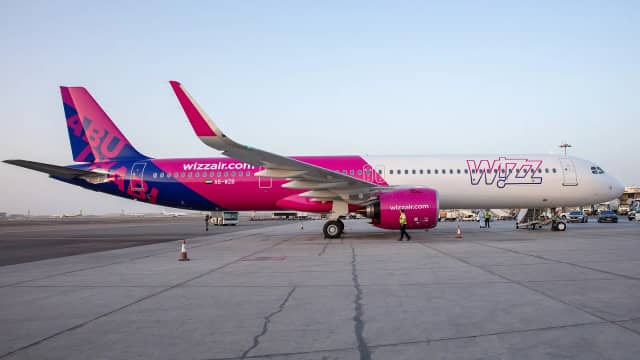
Wizz Air (Hungary) — Ultra-Low-Cost Expansion
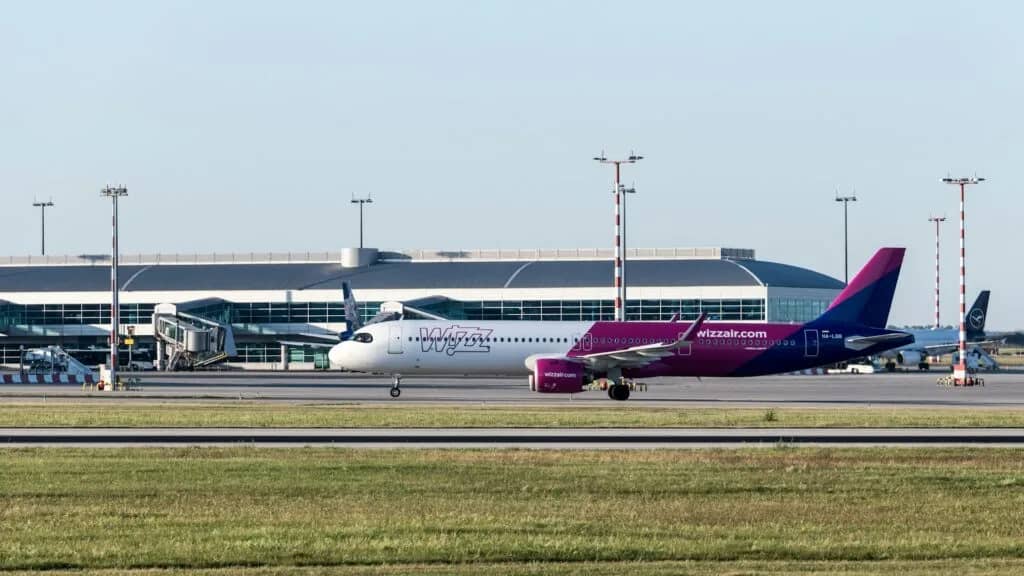
Business Model: Ultra-low-cost carrier
2024 Net Profit: $820 million
Operating Margin: 14-16%
Eastern Europe's aviation gold mine operates younger aircraft than most competitors.
Airbus A320neo and A321neo family deliveries keep the fleet age under 4 years. New engines burn 15% less fuel. Reliability exceeds older aircraft. Maintenance costs stay low.
Wizz operates in underserved markets where legacy carriers abandoned routes. Central and Eastern European cities lack competition. Pricing power emerges even at low-cost carrier fare levels.
The airline pioneered "unlimited flight" subscription passes generating upfront cash flow. Ancillary revenue hits 40% of total income—higher than Ryanair.
Qatar Airways (Qatar) — Government-Backed Excellence
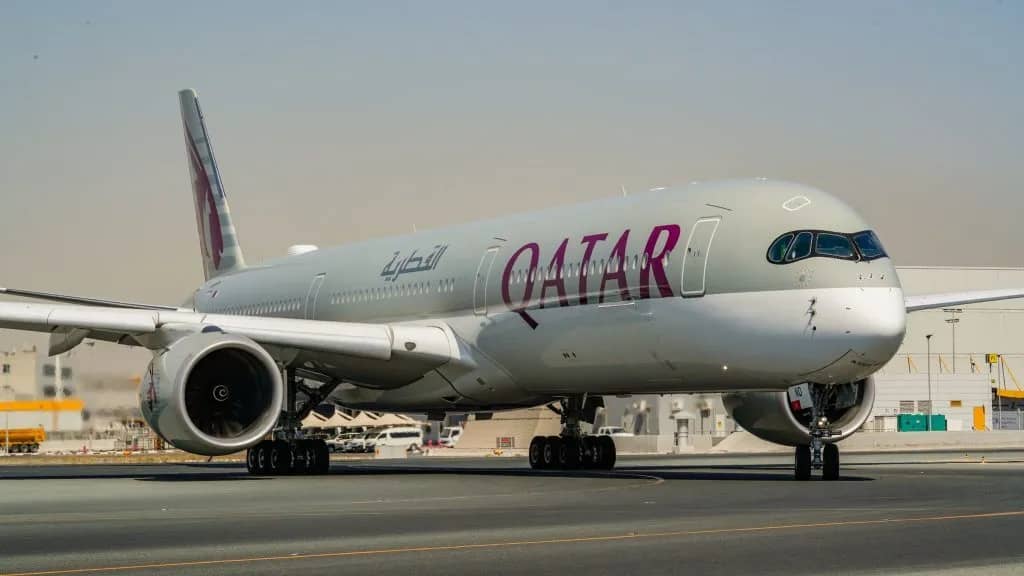
Business Model: State-owned premium carrier
2024 Net Profit: $1.7 billion
Operating Margin: 8-10%
Gulf carriers play by different rules. Government backing provides financial flexibility competitors lack.
Qatar Airways operates modern widebody fleets on ultra-long-haul routes traditional airlines avoid. The Doha hub connects Asia, Europe, Africa, and Americas through sixth-freedom traffic.
Premium cabin focus generates extraordinary yields. Business class accounts for 60% of revenue on some routes despite occupying 20% of seats.
Qatar Airways Cargo operates as separate profit center. Belly freight on passenger flights plus dedicated freighters create multiple revenue streams from the same aircraft investment.
IAG (International Airlines Group) — Diversification Strategy
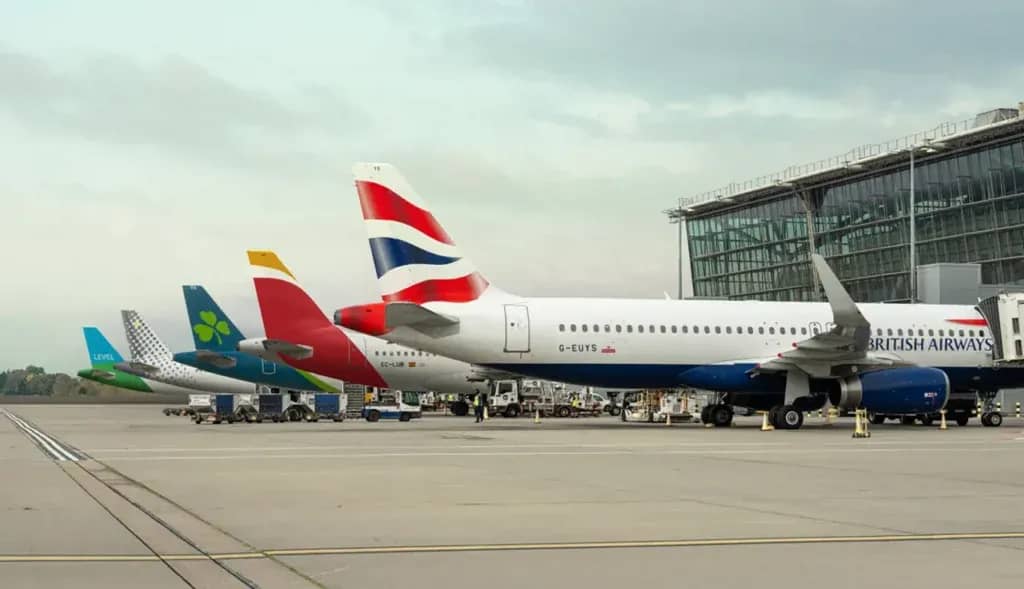
Business Model: Multi-brand holding company
2024 Net Profit: $3.4 billion
Operating Margin: 11-13%
British Airways, Iberia, Aer Lingus, Vueling, and Level operate under single corporate structure.
Each brand targets different market segments. British Airways chases premium transatlantic. Vueling dominates Spanish short-haul at low-cost carrier economics. Iberia connects Latin America through Madrid hub.
Shared services reduce costs. Consolidated aircraft orders and leasing arrangements generate manufacturer discounts. Information technology, maintenance, and back-office functions serve multiple airlines without duplication.
IAG's profit comes from portfolio management, not single-brand brilliance. When one airline struggles, others compensate.
Air Canada (Canada) — Hub Monopoly Power

Business Model: Flag carrier with hub dominance
2024 Net Profit: $2.1 billion
Operating Margin: 10-12%
Geography creates natural monopolies. Air Canada dominates Toronto and Vancouver hubs connecting North America to Asia and Europe.
Limited domestic competition allows pricing discipline. Canada's vast geography makes driving impractical. Rail networks lag behind Europe. Flying becomes necessity, not luxury.
Air Canada Rouge (low-cost subsidiary) operates leisure routes at reduced costs while maintaining mainline brand for business travel. This dual strategy captures both market segments without cannibalization.
Cargo, maintenance services (Air Canada Technical Services), and Aeroplan loyalty program generate non-ticket revenue exceeding $2 billion annually. Risk management and insurance operations add another layer of profitability.
United Airlines (United States) — Network Recovery

Business Model: Global network carrier
2024 Net Profit: $3.2 billion
Operating Margin: 9-11%
United's profitability surge came from route rationalization, not expansion.
The airline cut unprofitable flying ruthlessly. Secondary cities lost service. Regional jets got parked. Resources concentrated on high-demand business routes where United commands pricing power.
Hub consolidation at Newark, Chicago, Denver, San Francisco, and Houston creates fortress positions. Competitors struggle matching United's frequency advantage on transcontinental and transpacific routes.
Premium seating density increased 30% across widebody fleets. Polaris business class generates yields rivaling international competitors while maintaining domestic cost structure.
Why These Airlines Win: The Profitability Patterns
Profitable airlines share common operational DNA. Geography and regulation create advantages, but management execution determines outcomes.
Fleet commonality crushes costs. Ryanair and Southwest operate single aircraft families. Pilots don't need separate type ratings. Mechanics master one platform. Spare parts inventory shrinks. Training programs simplify.
Airlines operating five different widebody types burn cash on complexity. Each aircraft requires dedicated crews, maintenance expertise, and parts inventory. Operational flexibility sounds smart until the invoice arrives.
Route dominance beats route diversity. Controlling hub markets generates pricing power. Passengers pay premiums for frequency and non-stop flights. Competitors can't match schedule density without massive investment.
Delta owns Atlanta. United dominates Denver. Qatar controls Doha sixth-freedom traffic. This concentration allows yield management impossible on competitive routes. Major airport hubs amplify these fortress advantages through slot control and infrastructure dominance.
Ancillary revenue separates winners from losers. Profitable airlines generate 25-40% of income beyond base fares. Baggage fees, seat selection, priority boarding, onboard sales, and loyalty programs create margin-rich revenue streams.
Legacy carriers initially resisted "nickel and diming" passengers. Low-cost carriers proved consumers accept unbundled pricing. Now everyone charges for everything.
Fuel hedging provides stability. Airlines are oil derivatives traders disguised as transportation companies. Southwest locked in fuel prices years ahead. When oil spiked, competitors hemorrhaged cash. Southwest posted profits.
Hedging requires sophisticated treasury operations and risk management expertise. Many airlines lack both. They pay spot market prices and pray for stability.
Labor productivity determines profitability. Southwest and Ryanair operate with higher revenue per employee than legacy carriers. Flexible work rules, efficient scheduling, and performance-based compensation align incentives. Advanced operational technology and AI systems further amplify productivity gains.
Union contracts at traditional airlines lock in restrictive work rules from decades past. Changing them requires lengthy negotiations and often strikes.
Surprising Winners and Unexpected Losers
Public perception rarely matches financial reality.
Lufthansa Group flies 130 million passengers annually across multiple brands. Media covers their premium products extensively. But profitability? Barely breaks even most years.
Complex organizational structure, powerful unions, and government interference in strategic decisions create operational drag. Swissair, Austrian, Brussels Airlines, and Lufthansa mainline operate different cost structures under single corporate umbrella.
Emirates dominates headlines with A380 superjumbos and luxury service. Profitability? Dubai government keeps financial details opaque. Industry estimates suggest breakeven operations most years despite massive scale.
Ultra-long-haul routes and premium positioning generate revenue. But operating costs—fuel, crew expenses, airport fees at major hubs—consume margins. Government support keeps expansion funded.
JetBlue pioneered premium economy and free WiFi. Customers love the airline. Investors? Not so much. Profitability remains elusive despite decades of operation.
The airline operates in highly competitive markets (New York, Boston, Florida) without cost structure advantages. Too expensive for ultra-low-cost competition, too cheap for premium positioning. Stuck in the middle rarely works.
Spirit Airlines generated mockery for years. The "yellow plane" became punchline. Yet Spirit printed consistent profits while full-service carriers struggled.
Rock-bottom costs enabled profitability at fares competitors couldn't match. Passengers complained about lack of amenities, then booked anyway when comparing prices.
Recent aircraft delivery delays and increased competition from larger carriers adopting basic economy fares eroded Spirit's advantages. But the business model worked brilliantly for over a decade.
Will These Airlines Stay Profitable?
Aviation profitability never lasts forever. Industry cycles guarantee boom-and-bust patterns.
Boeing and Airbus production delays create artificial scarcity. Airlines can't grow capacity. Supply constraints support pricing power short-term. But delayed deliveries also prevent fleet modernization that drives cost reductions. Aerospace industry disruptions ripple through airline economics for years.
Older aircraft burn more fuel. Maintenance costs increase with age. Airlines stuck flying 15-year-old narrowbodies instead of new-generation replacements watch unit costs climb.
Labor negotiations ahead threaten profitability. Pilot shortages give unions leverage. Flight attendant contracts expired at multiple carriers. Wage increases are coming. How much remains uncertain.
Airlines can't simply pass labor costs to customers. Competitive markets force price discipline. Rising costs without corresponding revenue growth crush margins.
Fuel price volatility never disappears. Middle East tensions, Russian oil sanctions, OPEC production decisions—geopolitics drives energy costs airlines can't control.
Sustainable aviation fuel mandates approach. SAF currently costs 2-3x more than conventional jet fuel. Governments demand usage increases to 30-50% by 2040. Someone pays that premium. Likely passengers.
Economic recession remains aviation's greatest threat. Business travel declines first. Corporations slash discretionary spending. Premium cabin yields evaporate. Load factors drop.
Leisure travel follows business downturn. Families postpone vacations. Price sensitivity increases. Airlines can't maintain pricing power when demand collapses.
The profitable airlines today built structural advantages: fleet efficiency, route dominance, ancillary revenue, labor productivity. Those foundations provide resilience. But no airline escapes industry downturns unscathed.
The Real Secret to Airline Profitability
Profitability in aviation isn't about flying more passengers. It's about flying the right passengers on the right routes with the right aircraft at the right costs.
Ryanair s쳮ded by rejecting conventional wisdom. Southwest built fifty years of profits ignoring what legacy carriers considered essential. Delta prospered by walking away from unprofitable growth.
The airlines bleeding cash? They're trying to be everything to everyone. Premium and budget. Business and leisure. Short-haul and long-haul. Profitable carriers make choices.
Size impresses analysts. Profit rewards shareholders. The difference matters more than most airlines admit.