
Why Helicopters Can Hover in One Place - The Science Explained
 Radu BalasPublished 10 min read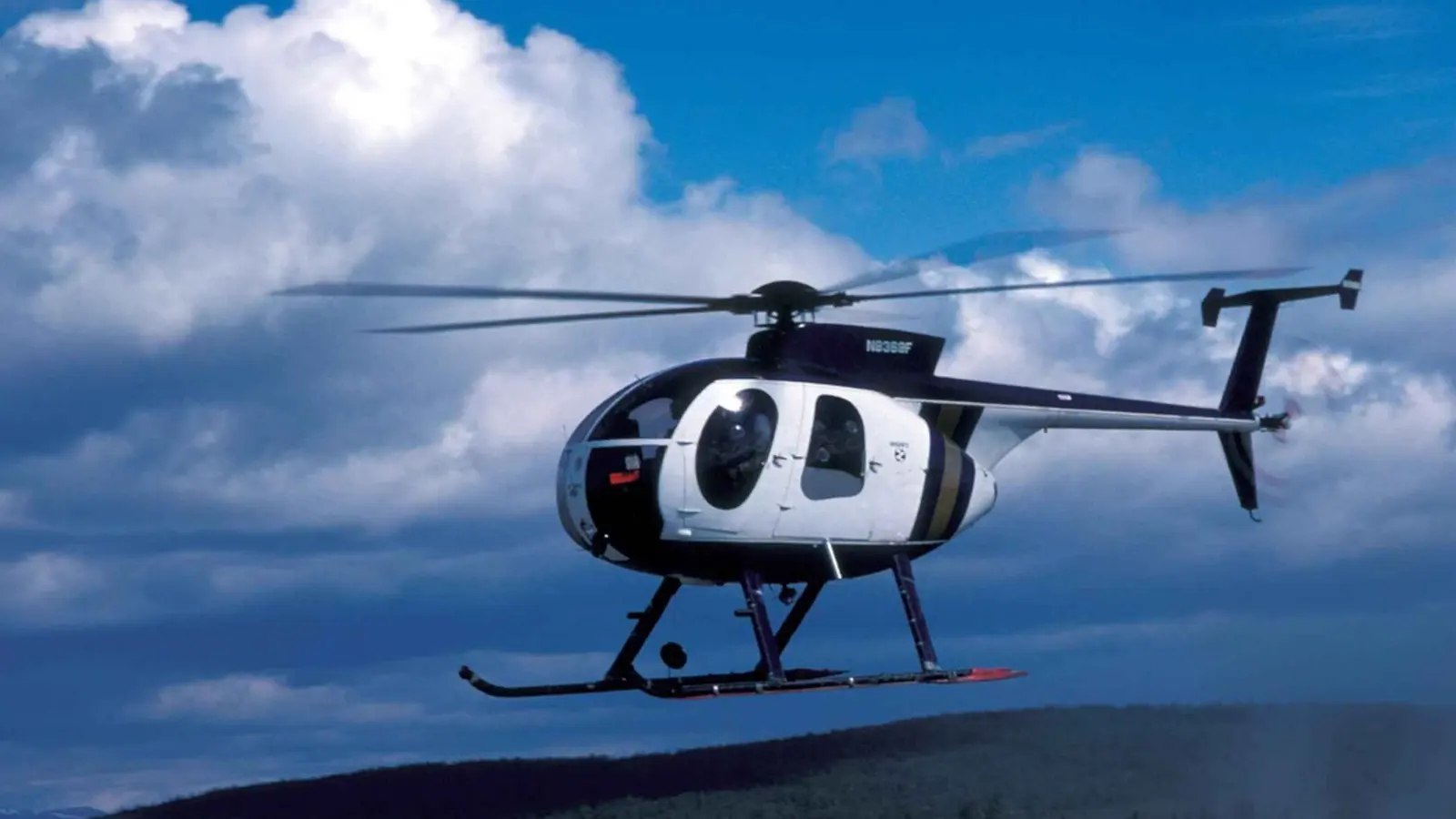
Helicopters possess a capability that distinguishes them from nearly every other aircraft: the ability to remain stationary in midair, defying gravity while maintaining a fixed position. This hovering ability makes helicopters invaluable for rescue operations, construction support, and countless missions where traditional aircraft prove useless.
Understanding why helicopters can hover requires examining the fundamental aerodynamics of rotor systems, the physics of vertical lift generation, and the sophisticated control mechanisms pilots use to balance forces that constantly try to push the aircraft in every direction simultaneously.
This explanation reveals the engineering principles, control techniques, and physical forces that enable helicopters to accomplish what appears magical: remaining perfectly still while tons of metal float in thin air.
What Makes Helicopters Different From Airplanes
Airplanes generate lift through fixed wings that must move forward through the air. As air flows over the curved upper wing surface faster than the flat lower surface, pressure differences create upward lift. This fundamental design requires forward motion.
Helicopters abandon fixed wings entirely, replacing them with rotating wings mounted above the fuselage. These rotor blades spin at 200-500 revolutions per minute, constantly moving through the air even when the helicopter itself remains stationary. This rotating-wing design enables vertical lift without requiring forward motion.
The rotor system transforms what airplanes accomplish through forward flight into a spinning motion above the helicopter. Each rotor blade acts as a small wing, generating lift as it rotates through the air. Multiple blades working together create sufficient lift to support the entire aircraft weight.
How Helicopter Rotors Create Lift
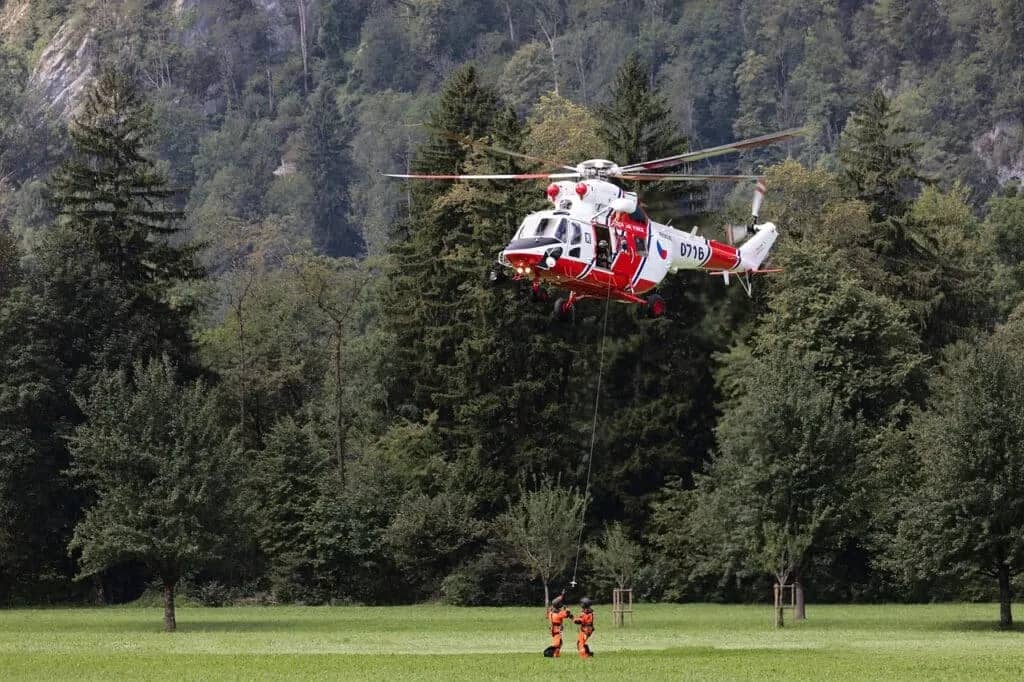
Rotor blades generate lift through the same aerodynamic principle as airplane wings, but achieve it differently. As blades spin, they create an airfoil shape moving through the atmosphere, with curved upper surfaces and flatter lower surfaces.
Air flowing over the curved top travels faster than air beneath, creating lower pressure above the blade and higher pressure below. This pressure difference generates upward force on each blade. With multiple blades rotating continuously, the combined lift can support thousands of pounds.
Angle of Attack: Rotor blade pitch determines how much lift each blade generates. Increasing the blade angle of attack (the angle between the blade and the incoming air) increases lift up to the stalling point. Pilots adjust this angle through the collective control, changing all blades' pitch simultaneously to control overall lift.
The spinning rotor disc acts like a large circular wing above the helicopter. The faster the blades spin and the steeper their angle, the more lift they generate. This allows heavy-lift helicopters to support enormous weights through pure aerodynamic force.
What Hovering Actually Means
Hovering represents a precise balance where the helicopter's rotor generates exactly enough upward lift to equal the aircraft's weight pulling downward due to gravity. When these forces match perfectly, the helicopter neither climbs nor descends.
True hovering also requires maintaining position without drifting horizontally or rotating. This demands balancing not just vertical forces but also sideways drift, forward/backward movement, and yaw rotation. The pilot must simultaneously control multiple dimensions of motion.
In ground effect hover (close to the surface), the rotor downwash bouncing off the ground provides additional lift efficiency. Out of ground effect (typically above one rotor diameter altitude), the helicopter requires more power to maintain the same hover as the efficiency bonus disappears.
Why Hovering Is So Difficult
Unlike forward flight where some natural stability exists, hovering provides no inherent stability whatsoever. The helicopter actively resists remaining stationary, constantly trying to drift, rotate, or change altitude.
Wind gusts immediately push the helicopter off position, requiring instant pilot correction. A gust from the left demands cyclic input to the left to maintain position, but that input changes the rotor disc tilt, affecting power requirements and stability in other dimensions.
Each control input creates cascading effects requiring additional corrections. Moving the cyclic to counter drift changes the power demand, requiring collective adjustment, which changes engine torque, demanding pedal input, which affects yaw, requiring more cyclic correction. This constant control loop happens continuously during every second of hover.
Student pilots typically require 10-20 hours before achieving steady hovers, and perfecting the skill takes far longer. The multi-dimensional coordination challenge of helicopter control during hover represents one of aviation's most demanding fundamental skills.
The Role of the Collective, Cyclic, and Pedals
Maintaining a hover requires simultaneous mastery of three primary flight controls, each affecting multiple aspects of aircraft behavior.
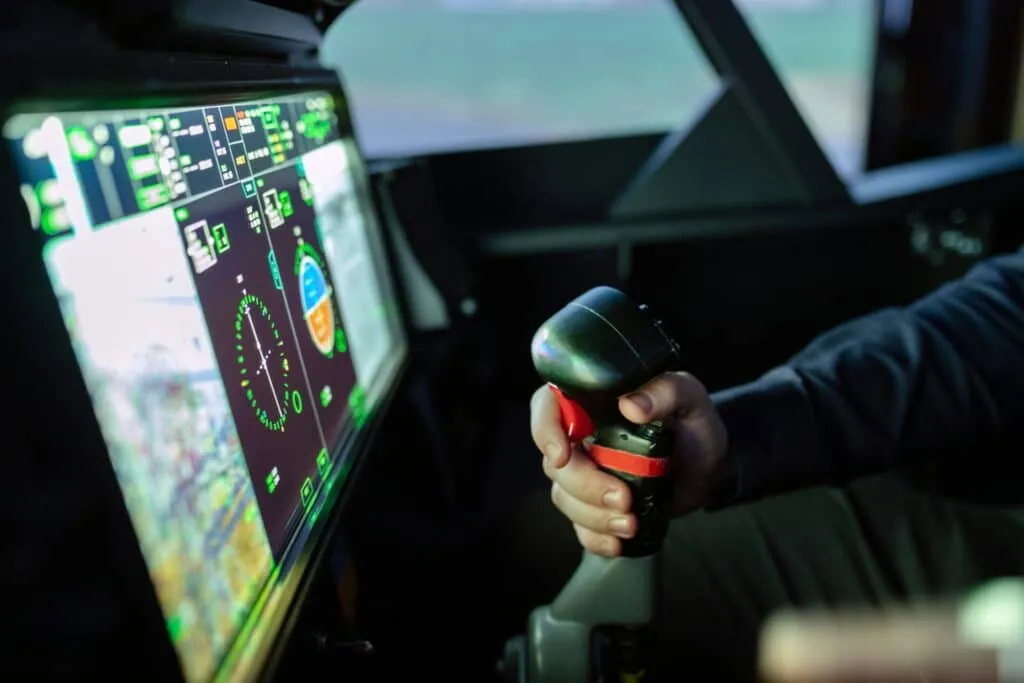
Collective Control: The lever beside the pilot's seat changes all rotor blades' pitch angle simultaneously, controlling vertical movement. Raising the collective increases blade angle and lift, causing the helicopter to climb. Lowering it reduces lift, causing descent. In hover, the collective maintains altitude by balancing lift against gravity.
However, changing collective also changes engine power demand and rotor torque, creating secondary effects requiring correction through other controls.
Cyclic Control: The stick between the pilot's legs tilts the entire rotor disc in any direction, controlling horizontal movement. Tilting the rotor disc forward moves the helicopter forward, tilting left moves it left. In hover, the cyclic maintains horizontal position against wind and drift.
The cyclic makes tiny continuous adjustments keeping the helicopter centered over a fixed point. Without these constant inputs, the aircraft drifts within seconds.
Anti-Torque Pedals: Foot pedals control the tail rotor, countering the main rotor's torque that would otherwise spin the fuselage opposite the rotor direction. In hover, pilots maintain directional control and prevent unwanted rotation through pedal inputs.
Pedal requirements change constantly based on power settings, so every collective adjustment demands coordinated pedal input maintaining heading.
Why Airplanes Cannot Hover
Conventional airplanes rely fundamentally on forward motion for lift generation. Wings only create lift when air flows over them, requiring the entire aircraft to move forward at sufficient speed for the wings to support its weight.
Without forward motion, airplane wings generate zero lift and the aircraft falls. This fundamental design limitation means airplanes must maintain forward velocity during all phases of flight except the brief touchdown moment.
Helicopters circumvent this limitation by making the wings (rotor blades) move through the air even while the fuselage remains stationary. The rotor blades' rotation provides the necessary airflow over airfoil surfaces, generating lift regardless of whether the helicopter itself moves.
Some specialized aircraft like the Harrier Jump Jet and F-35B can hover using vectored thrust, but these rely on raw jet engine power pointing downward rather than aerodynamic lift, consuming enormous fuel quantities and limiting hover duration to minutes.
Helicopter vs Airplane Comparison
| Aircraft Type | Lift Generation Method | Hover Capability | Forward Motion Required |
|---|---|---|---|
| Helicopter | Rotating wings (rotor blades) | Yes - Indefinite | No |
| Airplane | Fixed wings with airflow | No | Yes - Always |
| Tiltrotor (V-22) | Rotors for hover, propellers for cruise | Yes - Like helicopter | Optional |
| Jump Jet (Harrier) | Vectored jet thrust | Yes - Brief duration | No (but inefficient hover) |
How Helicopters Stay Stable While Hovering
Maintaining stable hover requires multiple systems working together, with the pilot constantly making corrections to counter disturbances.
Tail Rotor Function: The tail rotor prevents the fuselage from spinning opposite the main rotor direction. By producing sideways thrust, it counteracts torque and provides directional control. Without a functional tail rotor, the helicopter cannot maintain heading in hover.
Pilot Corrections: Experienced pilots make constant small control inputs before disturbances develop into larger excursions. This anticipatory control maintains position more effectively than reactive corrections to drift that already occurred.
Modern Stabilization Systems: Advanced helicopters employ electronic stability augmentation systems making rapid corrections pilots cannot physically achieve. Computers detect oscillations and automatically damp them, reducing pilot workload significantly.
Fly-by-wire helicopters can even maintain automatic hover using GPS position hold, though pilots must remain ready to take manual control if systems fail.
Hovering Uses a Lot of Power
Hovering represents one of the most power-intensive flight regimes for helicopters, often requiring more engine power than cruising at moderate forward speeds.
The rotor must generate sufficient downward thrust to support the entire aircraft weight purely through vertical lift. This demands substantial engine power, particularly in hot weather or high altitude where air density decreases and rotor efficiency drops.
Fuel Consumption: Helicopters burn significantly more fuel hovering than during cruise flight. A helicopter might consume 100 gallons per hour hovering but only 60-70 gallons per hour cruising at 100 mph. This efficiency difference explains why helicopters transit between locations rather than hovering extensively.
Heavy-lift operations like rescue hoisting or construction lifts require sustained hover at high power settings, quickly depleting fuel reserves and limiting mission duration.
Engine Limits: Helicopters cannot hover indefinitely. Engine temperature limits, fuel capacity, and pilot fatigue all constrain hover duration. Most helicopters can hover for 2-3 hours maximum before requiring refueling, assuming engines don't overheat first.
Which Helicopters Are Best at Hovering?
Certain helicopter designs excel at hovering performance through powerful engines, efficient rotor systems, and stability-enhancing features.
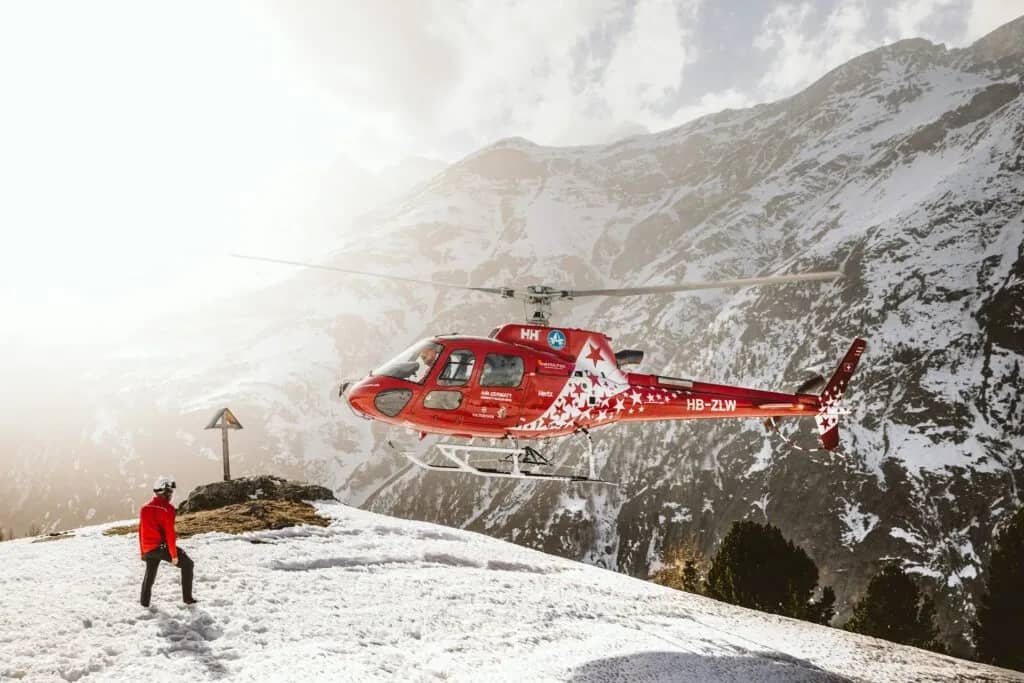
Rescue Helicopters: Search and rescue helicopters like the Sikorsky S-92 and AW139 prioritize stable hover performance for hoisting operations. Strong engines and sophisticated flight controls enable precise positioning even in challenging conditions.
Military Helicopters: Attack helicopters such as the Apache require exceptional hover stability for targeting and weapons employment. Heavy-lifters like the CH-53K need enormous power reserves for hovering while carrying external loads.
Construction Helicopters: Specialized models for aerial crane work feature exceptional stability and precise control for positioning heavy loads. The Kamov Ka-32 with its coaxial rotor design provides superior hover performance in confined spaces.
Light training helicopters sacrifice some hover performance for lower operating costs, though they still demonstrate the fundamental capability that defines rotary-wing aviation.
Modern Technology Is Making Hovering Easier
Recent technological advances significantly reduce the difficulty and pilot workload associated with hovering.
Fly-by-Wire Systems: Electronic flight controls interpret pilot inputs through computers that automatically stabilize the aircraft. These systems make continuous corrections preventing oscillations and drift, dramatically improving hover stability compared to purely mechanical controls.
Autopilot Stabilization: Advanced autopilots can maintain altitude and heading automatically, reducing the three-dimensional control problem to simple position adjustments. Some systems even provide fully automatic hover using GPS position hold.
AI-Assisted Controls: Emerging technology employs artificial intelligence predicting disturbances and making preemptive corrections. These systems could eventually enable one-button hover where pilots simply engage hover mode and the aircraft maintains position automatically.
However, pilots must still master manual hovering skills. Automated systems can fail, requiring immediate manual takeover. Training emphasizes core skills ensuring pilots remain capable when technology fails.
Frequently Asked Questions
How Do Helicopters Hover?
Helicopters hover by using spinning rotor blades that act as rotating wings, generating upward lift through aerodynamic forces. The rotor blades create an airfoil shape that produces pressure differences as they spin, generating lift even when the helicopter remains stationary. Pilots adjust blade pitch through the collective control to generate exactly enough lift to balance the helicopter's weight, while using the cyclic control to tilt the rotor disc maintaining horizontal position, and pedals to counter torque preventing rotation. This precise balance of forces allows the helicopter to remain stationary in midair.
Why Can't Airplanes Hover Like Helicopters?
Airplanes cannot hover because their fixed wings only generate lift when air flows over them from forward motion. Without forward velocity, airplane wings produce zero lift and the aircraft falls. Helicopters solve this by making the wings rotate rather than remaining fixed, so the rotor blades constantly move through the air generating lift regardless of whether the fuselage moves. The fundamental difference between rotating wings (helicopters) and fixed wings (airplanes) explains why helicopters can hover while conventional airplanes cannot. Some specialized military jets like the Harrier use vectored thrust to hover, but this relies on raw engine power rather than aerodynamic lift.
How Do Helicopters Stay Stable While Hovering?
Helicopters maintain stability in hover through constant pilot control inputs correcting for disturbances. The tail rotor counters main rotor torque preventing the fuselage from spinning. Pilots continuously adjust the cyclic control to counter wind and drift, the collective to maintain altitude, and pedals to control heading. Modern helicopters employ electronic stability augmentation systems making rapid automatic corrections that damp oscillations and reduce pilot workload. Advanced autopilots can even maintain automatic hover using GPS, though pilots remain ready to take manual control. Hovering requires constant attention as helicopters have no natural stability and will drift without continuous correction.
Can Helicopters Hover Forever?
No, helicopters cannot hover indefinitely due to fuel limitations, engine temperature constraints, and pilot fatigue. Hovering consumes significantly more fuel than cruise flight, often 30-40% more, limiting hover endurance to 2-3 hours maximum before refueling becomes necessary. Engines may reach temperature limits before fuel exhausts, particularly in hot weather or high altitude. Additionally, the intense concentration and physical effort required for hovering causes pilot fatigue, making extended hover periods dangerous. For practical operations, helicopters transit between locations at cruise speed and only hover when mission requirements demand it, conserving fuel and reducing engine stress.
Conclusion: The Unique Power of Vertical Flight
Understanding why helicopters can hover reveals the elegant engineering solution rotary-wing aircraft provide to the challenge of vertical flight. By replacing fixed wings with rotating blades, helicopters generate lift without requiring forward motion, enabling them to remain stationary in midair indefinitely.
The physics involves rotor blades acting as spinning wings, creating aerodynamic lift through pressure differences as they rotate. Pilots balance this lift precisely against gravity while simultaneously controlling horizontal position, heading, and stability through coordinated inputs on collective, cyclic, and pedal controls.
Hovering represents both helicopters' greatest capability and most challenging flight regime. The lack of inherent stability demands constant pilot attention and correction. Modern technology helps through electronic stabilization and automated hover modes, but fundamental skills remain essential.
This hovering capability makes helicopters irreplaceable for missions requiring stationary positioning: rescue operations hoisting survivors, construction work placing heavy loads, military operations deploying troops, and countless other applications where conventional aircraft prove useless. The ability to hover transforms helicopters from simple transport vehicles into versatile aerial platforms capable of performing tasks impossible for any other aircraft type.
While the science behind hovering proves complex, the result appears almost magical: tons of metal floating motionless in thin air, defying gravity through nothing but spinning blades and pilot skill. This remains one of aviation's most impressive accomplishments and ensures helicopters' continued relevance decades after their invention.
Explore Helicopter Services
209 companies in the aviation directory.
Browse companies

