How The Iran War Is Disrupting Emirates' Global Flight Network
 Radu BalasPublished 14 min read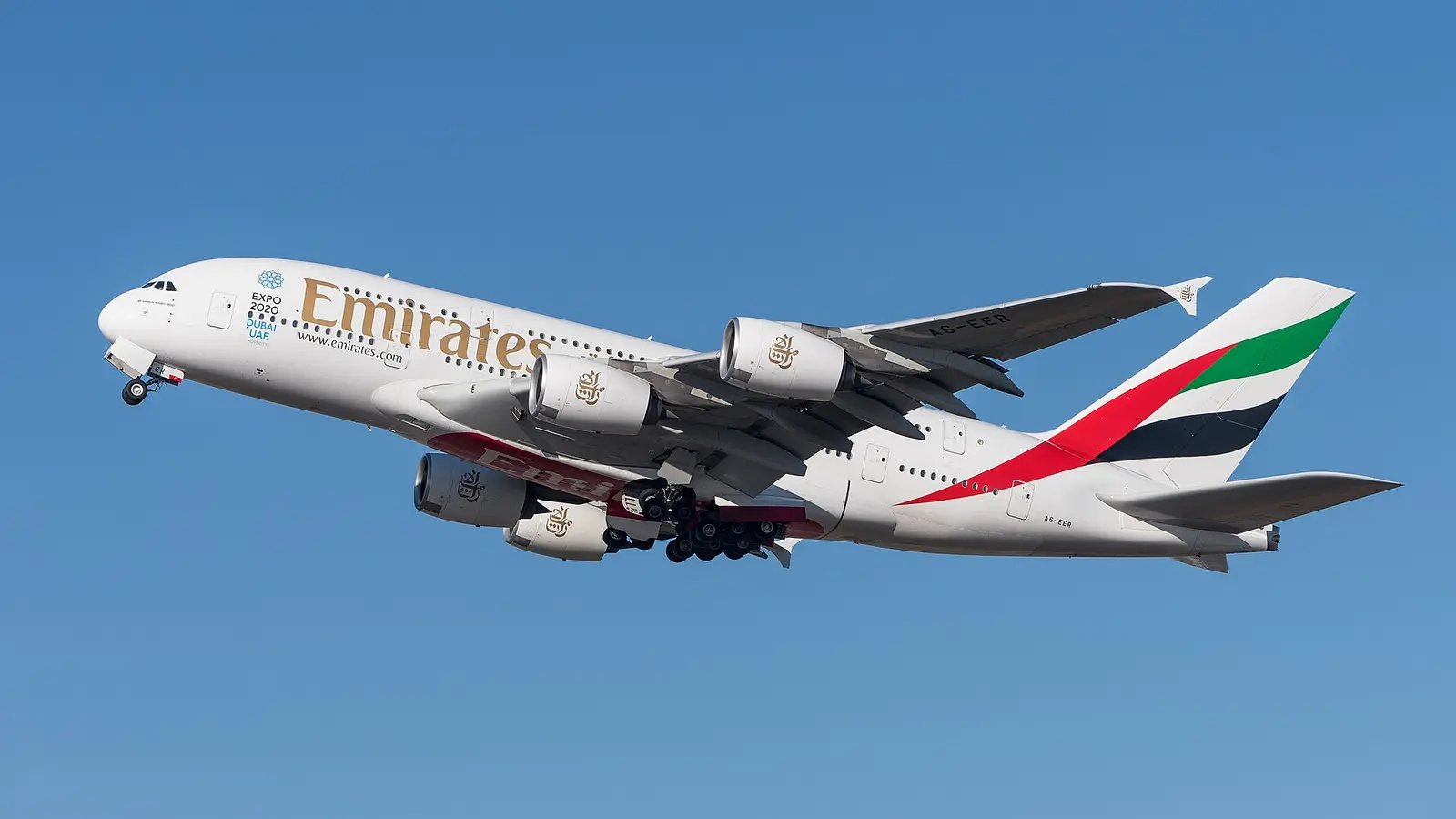
Emirates faces unprecedented operational disruption as escalating conflict in Iran forces the carrier to reroute its entire global network around closed Middle East airspace. The Dubai-based airline operates one of the world's most extensive hub-and-spoke networks, connecting over 150 destinations across six continents through its Dubai International Airport hub.
The conflict triggered airspace closures affecting routes to Europe, Asia, Africa, and Australia. Emirates cancelled or suspended over 1,200 flights in the first week of heightened tensions, stranding more than 200,000 passengers across its network. The airline now reroutes flights around Iranian, Iraqi, and Gulf conflict zones, adding 1-3 hours to journey times and millions of dollars in daily operating costs.
Understanding which airlines face the most severe impacts from airspace restrictions reveals why Emirates' hub-dependent business model makes it particularly vulnerable to Middle East conflicts.
Why The Iran Conflict Is Affecting Global Aviation
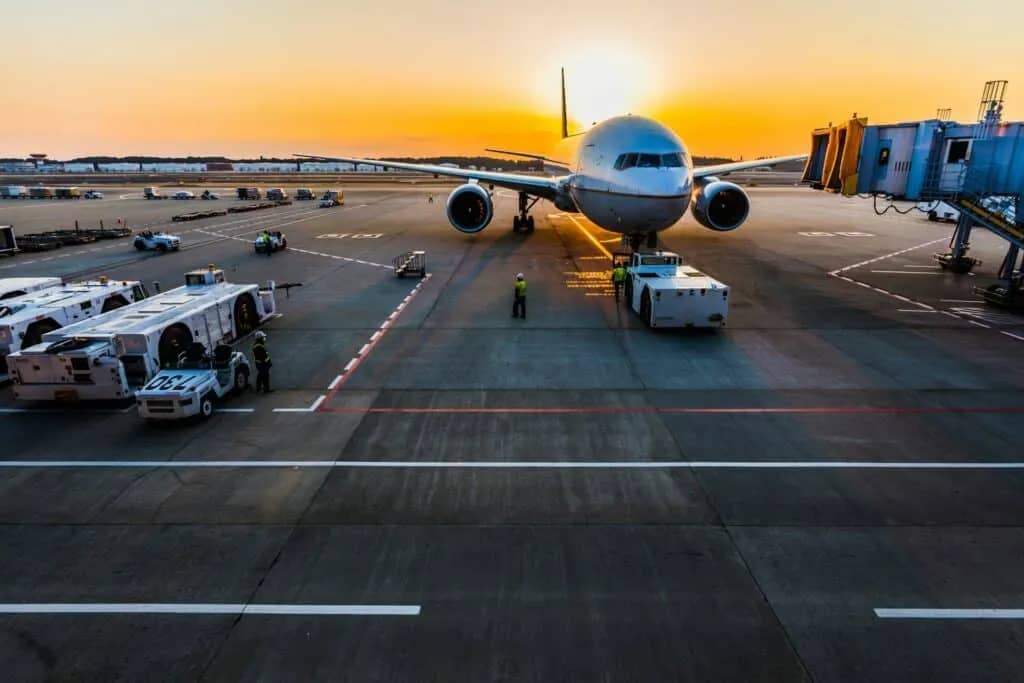
The Iran conflict created immediate aviation safety concerns across the Middle East region. Military activity including missiles, drones, and air defense systems threatens commercial aircraft operating at normal cruise altitudes.
Aviation regulators from multiple countries issued warnings advising airlines to avoid large portions of Middle East airspace. The International Civil Aviation Organization coordinated safety assessments, while national authorities including the FAA and EASA published specific airspace restrictions for carriers under their jurisdiction.
Large sections of Iranian airspace closed to commercial aviation as military operations intensified. Iraqi airspace experienced periodic closures, and Gulf region airspace saw temporary restrictions as tensions escalated. Airlines faced a rapidly changing threat environment requiring constant route adjustments.
The threat profile includes surface-to-air missiles capable of reaching altitudes above 50,000 feet, far exceeding typical commercial cruise levels of 35,000-43,000 feet. Drone operations at various altitudes create additional unpredictable hazards. Electronic warfare and GPS jamming can compromise aircraft navigation systems even when no direct weapons threaten flights.
More than 11,000 flights across the region faced disruption during the first two weeks of conflict, affecting over one million travelers. This represents one of the largest aviation disruptions since the COVID-19 pandemic, though concentrated geographically rather than global in scope.
Why Emirates Is One Of The Most Affected Airlines
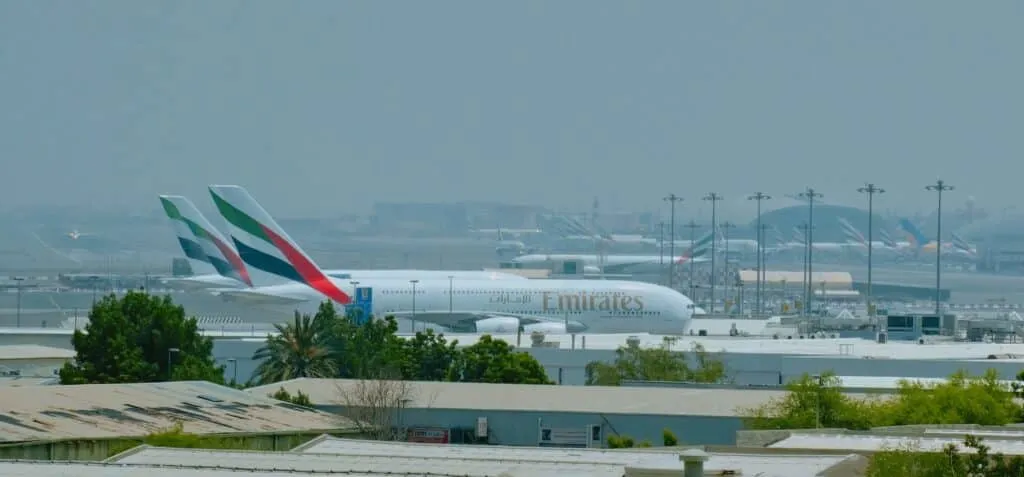
Emirates operates a pure hub-and-spoke network model where nearly all flights connect through Dubai International Airport. The airline carries passengers from origin cities to Dubai, then connects them to onward flights to final destinations. This creates operational efficiency but also concentrates vulnerability.
Dubai's geographic position places it at the center of conflict-affected airspace. Routes to Europe transit Iranian or Iraqi airspace, while routes to Asia often cross Iranian territory. African routes approach conflict zones, and Australian services fly near Gulf airspace restrictions.
The airline operates over 260 widebody aircraft including the world's largest Airbus A380 and Boeing 777 fleets. These aircraft fly to 150+ destinations across six continents with Dubai as the sole connecting point for most routes. When Dubai operations face disruption, the entire network suffers.
Emirates connects Europe with Asia, Africa with Australia, and Middle East with the Americas through its Dubai hub. The business model depends on passengers choosing Dubai connections over alternative hubs in Istanbul, Doha, Singapore, or direct flights on other carriers.
Conflict-related disruptions eliminate Emirates' primary competitive advantages of convenient connections and shorter journey times through Dubai. When the airline must reroute around conflict zones, flights take longer than competing one-stop itineraries through unaffected hubs or even some nonstop alternatives.
The airline generates approximately $30 billion in annual revenue, making it one of the world's largest international carriers by passenger volume. This scale means even small percentage impacts from disruptions translate to hundreds of millions in lost revenue and increased costs.
How Emirates Flights Are Being Rerouted
Emirates reroutes flights using three primary strategies depending on origin, destination, and specific airspace restrictions in effect at any given time.
Europe-Asia Routes Via Dubai
Flights from European cities to Asian destinations connecting through Dubai previously crossed Iranian airspace on both segments. London-Dubai-Singapore operations now route south around the Arabian Peninsula or north through Turkish airspace, depending on which conflict zones are most active.
Paris-Dubai-Bangkok services add approximately 1.5-2 hours to total journey time when avoiding Iranian and Iraqi airspace. The aircraft must fly longer distances on both the Europe-Dubai segment and the Dubai-Asia segment, creating compounding delays.
Frankfurt-Dubai-Mumbai routes face similar impacts. The Europe-Dubai portion reroutes around conflict zones, while the Dubai-Mumbai segment must avoid Iranian airspace that would normally provide the most direct path.
Asia-Europe Routes Via Dubai
The reverse direction faces identical challenges. Tokyo-Dubai-London flights that previously transited Iranian airspace now take southern or northern corridors, extending total journey times substantially.
Sydney-Dubai-Paris services experience particularly severe impacts because the Sydney-Dubai segment already operates near maximum range for Boeing 777 aircraft. Adding distance to avoid conflict zones strains fuel reserves and sometimes requires payload restrictions or technical stops.
Dubai-Bound Traffic From All Regions
Direct flights into Dubai from global origins face rerouting regardless of final destination. New York-Dubai, Los Angeles-Dubai, and Toronto-Dubai services must approach the Gulf from angles that avoid conflict airspace.
African routes like Johannesburg-Dubai or Nairobi-Dubai adjust paths to avoid approaching Dubai through restricted zones. These flights add distance and time even though they don't transit Iranian airspace directly.
Indian subcontinent services from Delhi, Mumbai, Bangalore, and other cities reroute to avoid Iranian airspace. The India-Dubai corridor represents Emirates' highest traffic density market, making these disruptions particularly costly in terms of passenger impact and lost revenue.
| Route Example | Normal Route | Rerouted Path | Added Time | Impact |
|---|---|---|---|---|
| London-Dubai-Singapore | Via Iran/Iraq | South around Arabia or north via Turkey | +1.5-2 hours | HIGH |
| Paris-Dubai-Bangkok | Direct over Iran | Southern corridor | +1.5-2 hours | HIGH |
| Tokyo-Dubai-London | Via Iran | Detour via Central Asia | +2-3 hours | SEVERE |
| Mumbai-Dubai | Direct route | Southern detour avoiding Iran | +30-45 min | MODERATE |
| Sydney-Dubai-Paris | Via Iran | Extended routing both segments | +2-3 hours | SEVERE |
Longer Flight Routes Are Increasing Emirates' Costs
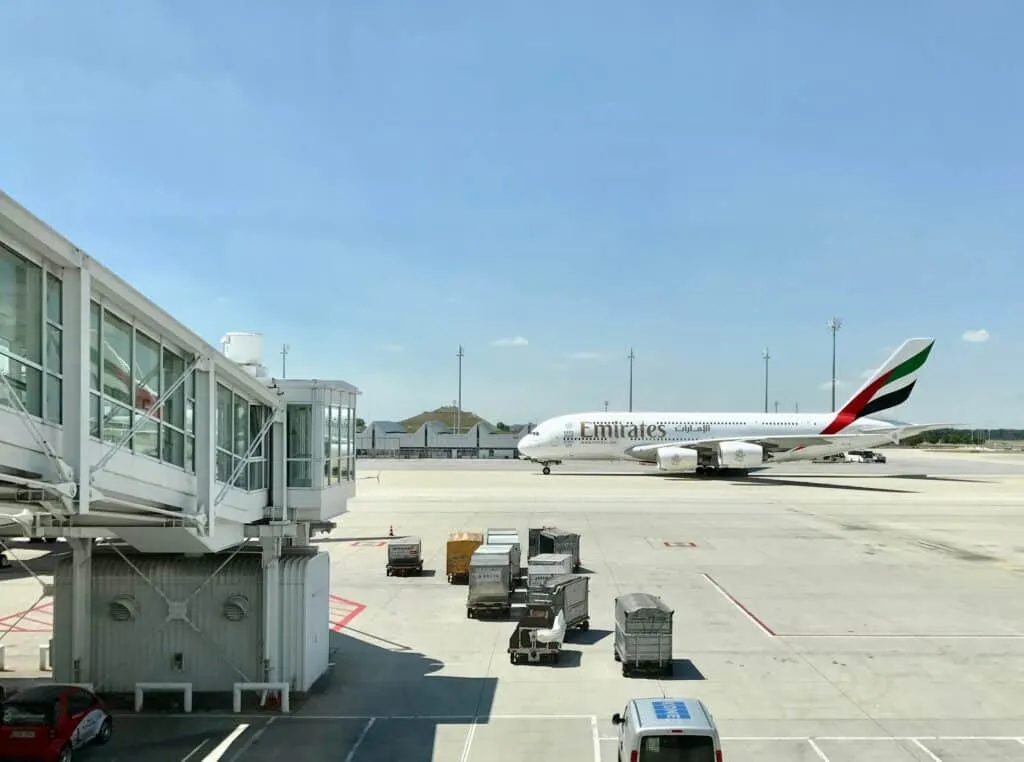
Extended routing creates multiple cost categories that severely impact Emirates' profitability and force operational adjustments across the network.
Fuel consumption increases dramatically. Each rerouted widebody flight burns an additional 8,000-15,000 liters of jet fuel depending on route and detour distance. At current jet fuel prices around $92 per barrel, this adds $5,200-9,750 per flight in direct fuel costs.
Emirates operates approximately 3,000 flights weekly across its global network. If even half these flights face rerouting requiring 10% additional fuel, the airline burns an extra 12-18 million liters monthly. At $0.65 per liter, this represents $7.8-11.7 million in monthly additional fuel expenses, or $93-140 million annually.
Crew costs increase with extended flight times. Longer routes push flights closer to maximum crew duty limits. Some routes now require augmented crews (additional pilots and cabin crew) that previously operated with standard crew complements. This adds thousands of dollars per flight in crew salaries and positioning expenses.
Crew scheduling becomes more complex when flights take unpredictable amounts of extra time depending on which airspace restrictions are active. Airlines must build larger schedule buffers and maintain more reserve crew, increasing fixed labor costs.
Aircraft utilization declines. When a Dubai-London-Dubai rotation takes 2 hours longer, the aircraft completes fewer flights daily. Emirates' fleet of 260+ widebodies becomes less productive, effectively reducing capacity without reducing the fixed costs of ownership or leasing.
Lower utilization means Emirates needs more aircraft to maintain the same schedule frequency, or must reduce frequencies on some routes. Either option hurts profitability - buying or leasing additional aircraft requires capital, while reducing frequencies loses passengers to competitors.
| Cost Factor | Normal Operations | During Conflict | Impact |
|---|---|---|---|
| Fuel Cost Per Flight | $52,000 (typical widebody) | $57,000-62,000 | +10-20% |
| Crew Duty Time | Standard crew complement | Augmented crews required | +15-30% |
| Aircraft Utilization | 13-14 hours/day average | 11-12 hours/day | -15-20% |
| Maintenance Interval | Standard schedule | Accelerated by extra hours | +5-10% |
| Network Efficiency | Optimized connections | Missed connections increase | Significant |
Jet Fuel Prices Are Rising
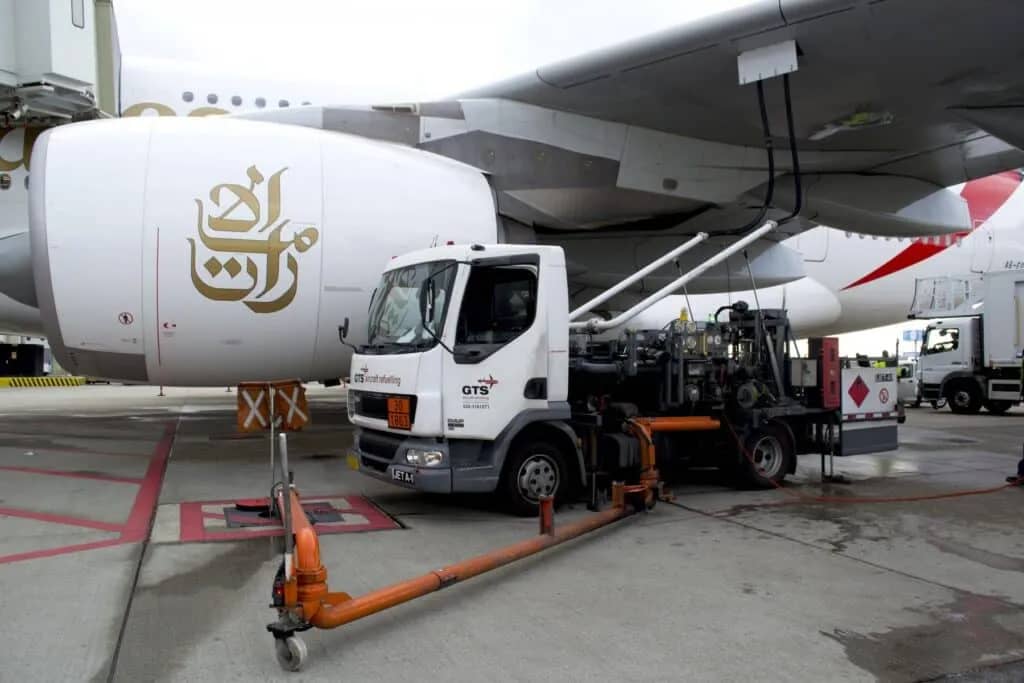
The timing of airspace restrictions coincides with jet fuel price increases driven by Middle East supply concerns and broader oil market volatility.
Jet fuel prices reached approximately $92 per barrel in early March 2026, up from $85-87 levels before conflict escalated. While this $5-7 increase seems modest in percentage terms, the impact on airline economics becomes severe when multiplied across thousands of flights.
Fuel already represents 30-35% of Emirates' total operating costs under normal conditions. When fuel prices rise while simultaneously consumption increases from longer routes, the airline faces a double cost impact.
A $10 per barrel fuel price increase costs Emirates approximately $400-500 million annually based on its fuel consumption levels. Combined with 15-20% higher fuel burn from rerouting, the airline faces potential $600-800 million in additional annual fuel expenses if disruptions persist.
Regional fuel price disparities compound the challenge. Middle East refineries typically offer lower jet fuel costs than European or Asian markets. When conflict disrupts regional fuel supply chains, Emirates loses access to cheaper local fuel and must purchase higher-priced alternatives.
The airline cannot fully hedge against fuel price volatility. Most carriers maintain partial hedging programs covering 30-60% of fuel needs, but rapid price spikes still create immediate cost pressures on unhedged portions of consumption. Long-term fuel efficiency improvements become critical for managing cost exposure.
How The Conflict Is Affecting Dubai's Role As A Global Hub
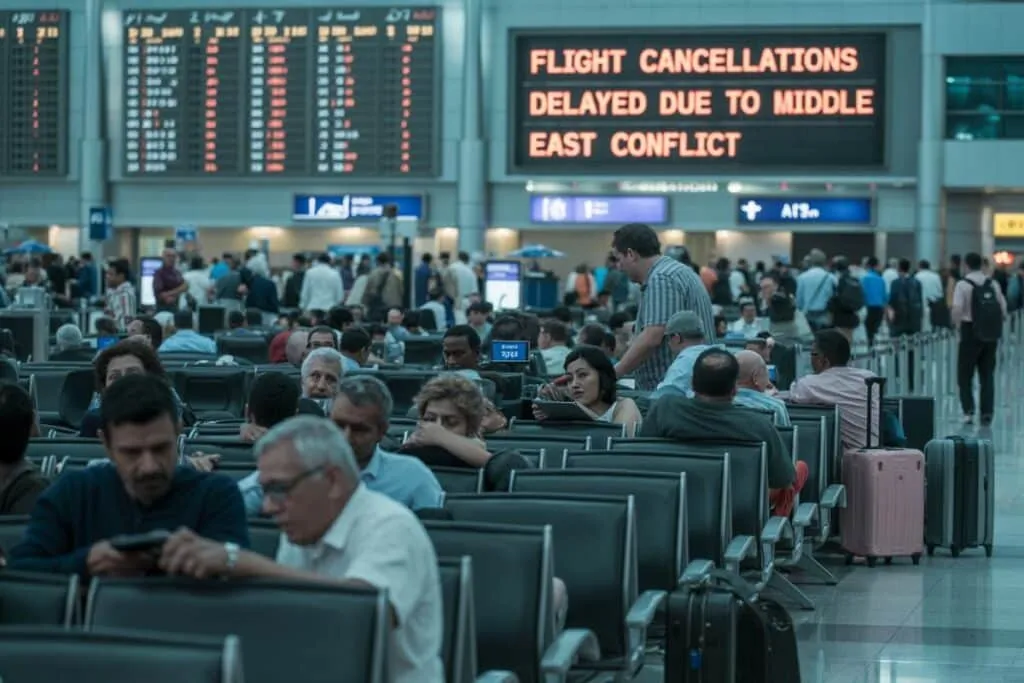
Dubai International Airport handles over 90 million annual passengers, making it the world's busiest airport for international traffic. The airport's success depends on Emirates' hub operations connecting passengers between continents.
Conflict disruptions threaten Dubai's competitive position against alternative hubs. When Emirates flights face delays, cancellations, and extended journey times, passengers increasingly choose competing hubs offering more reliable service.
Istanbul Airport gained traffic as Turkish Airlines maintained more consistent operations with access to both European and Asian markets while avoiding the worst conflict impacts. Turkey's geographic position provides natural routing advantages when Gulf airspace faces restrictions.
Doha's Hamad International Airport and Qatar Airways face similar challenges to Emirates but with slightly more routing flexibility due to Doha's western position in the Gulf. The airline can sometimes route around conflict zones more easily than Dubai-based operations.
Singapore Changi Airport benefits from geographic distance from conflict zones. Singapore Airlines offers Asia-Europe connections without Middle East airspace dependency, becoming more attractive to travelers seeking reliable operations.
Dubai's retail and hospitality sectors depend heavily on transit passengers spending money during connections. When passenger volumes decline due to flight disruptions, the economic impact extends throughout Dubai's economy beyond just Emirates' airline operations.
The airport struggled to handle the operational complexity of constantly changing flight schedules. Gate assignments, ground handling, and baggage systems all require reconfiguration when flights arrive and depart at unpredicted times due to rerouting.
Passenger Disruption And Travel Chaos
Emirates passengers faced unprecedented disruption as the airline struggled to accommodate demand on a rapidly changing network.
The first week of conflict saw over 200,000 Emirates passengers experience cancelled flights, missed connections, or significant delays. Dubai's terminals filled with stranded travelers unable to complete journeys or waiting for rebooked flights sometimes days later.
Passengers flying to Europe from Asia via Dubai faced particularly severe impacts. Many arrived in Dubai only to find onward flights cancelled or delayed by many hours. The airline's rebooking systems overwhelmed as staff tried to accommodate thousands of displaced passengers on already-full alternative flights.
Business travelers faced meeting cancellations and project delays. Leisure travelers lost portions of vacations waiting in Dubai for connections. Families separated across different rerouted flights struggled to reunite at final destinations.
Emirates' customer service infrastructure strained under the volume of rebooking requests, refund claims, and compensation inquiries. Phone wait times exceeded 3-4 hours, while airport customer service desks handled queues of hundreds of passengers simultaneously.
The airline offered hotel accommodations for stranded passengers, but Dubai's hotel capacity quickly filled. Some passengers spent nights in airport terminals or accepted accommodations far from the airport with limited transportation options.
Lost luggage rates increased substantially as baggage struggled to keep pace with constantly changing flight schedules and last-minute rebookings. Passengers arrived at destinations without bags, or discovered bags arriving days late on subsequent flights.
Why Ticket Prices Are Rising
Emirates increased fares across affected routes to recover higher operating costs and manage capacity constraints from reduced schedule reliability.
Ticket prices rose 10-20% on Middle East-Asia routes and 8-15% on Middle East-Europe services within weeks of conflict escalation. Premium cabin fares increased even more steeply as the airline tried to maintain margins on business and first-class products, similar to patterns seen in industry-wide fare increases.
The fare increases reflect multiple cost pressures:
Higher fuel costs: The combination of rising fuel prices and increased consumption from longer routes creates a 25-35% total fuel cost increase per flight. Emirates must recover this through higher ticket prices or accept substantial losses.
Reduced capacity: Flight cancellations and aircraft utilization declines reduce available seats on affected routes. Lower supply combined with steady demand allows the airline to increase prices beyond just cost recovery.
Competitive repositioning: When Emirates cannot offer time-competitive service due to rerouting, the airline loses its primary advantage over competitors. Higher prices partly compensate for reduced market share on routes where travel times no longer justify premium positioning.
However, Emirates faces limits on fare increases. Passengers can choose alternative carriers, different routing, or delay travel entirely when prices rise too much. Price elasticity varies by route, with leisure markets more sensitive than business travel.
The airline's extensive loyalty program membership felt betrayed by fare increases and reduced service quality. Frequent flyers accustomed to consistent Emirates operations found themselves paying more for longer, less reliable journeys.
Long-Term Implications For Emirates' Business Model
Extended conflict creates strategic challenges for Emirates' entire hub-and-spoke network model centered on Dubai.
The airline must consider whether Dubai's geographic position remains viable as a global hub if Middle East instability becomes permanent. The business model assumes unrestricted airspace access radiating from Dubai to all regions - an assumption conflict invalidates.
Emirates invested billions in ultra-long-range aircraft including Boeing 777-300ERs and upcoming 777X deliveries. These aircraft enable longer rerouted paths, but cannot fully compensate for the inefficiencies of avoiding vast sections of previously-used airspace.
The airline may need to develop alternative routing strategies or even consider secondary hub operations outside the immediate conflict zone. This would fundamentally change the business model that made Emirates one of the world's most profitable carriers.
Competitors with geographically diverse hubs enjoy structural advantages. Airlines operating multiple hubs across different regions can shift capacity away from conflict-affected areas, while Emirates lacks this flexibility with its Dubai-centric network.
Insurance costs for Middle East operations continue rising as underwriters reassess risk. War risk premiums that were previously negligible line items become significant expenses eating into margins on every flight through or near conflict zones.
Frequently Asked Questions
Why are Emirates flights being disrupted?
Emirates flights face disruption because escalating Iran conflict closed large sections of Middle East airspace to commercial aviation due to missile, drone, and air defense threats. The airline cancelled over 1,200 flights in the first week and must now reroute remaining services around Iranian, Iraqi, and Gulf conflict zones. Emirates' hub-and-spoke model through Dubai places the airline at the center of affected airspace, forcing rerouting on routes to Europe, Asia, Africa, and Australia that previously transited directly over Iran.
Are airlines avoiding Iran airspace?
Yes, airlines are avoiding Iranian airspace following military conflict that created safety threats from surface-to-air missiles reaching above 50,000 feet, drone operations, and active air defense systems. Aviation regulators including ICAO, FAA, and EASA issued warnings advising carriers to avoid Iranian airspace and surrounding conflict zones. Insurance underwriters refuse coverage or demand prohibitive premiums for flights through conflict areas. Emirates, along with most international carriers, completely avoids Iranian airspace and reroutes around the region.
Why are ticket prices increasing because of the Iran war?
Ticket prices are increasing 10-20% on affected Emirates routes due to higher operating costs from rerouting and rising jet fuel prices. Longer routes require 15-25% more fuel per flight while jet fuel prices increased to $92/barrel from pre-conflict levels. Each rerouted widebody flight costs Emirates an extra $5,200-9,750 in fuel alone. Reduced capacity from cancellations allows the airline to increase prices further as fewer seats become available. Emirates must recover these costs through higher fares or accept substantial losses.
Will flight routes return to normal?
Flight routes will only return to normal when Iranian airspace reopens and aviation authorities lift safety restrictions, which requires conflict resolution. There is no clear timeline for this. If the situation mirrors the Russia-Ukraine conflict that has kept Russian airspace closed to Western carriers since 2022, Emirates may face years of rerouting. Airlines plan networks assuming current restrictions persist indefinitely rather than temporary disruptions, restructuring operations for a fragmented airspace environment as the new baseline.
How much does the conflict cost Emirates daily?
The conflict costs Emirates an estimated $3-5 million daily in additional fuel expenses, crew costs, and lost revenue from cancelled flights and reduced capacity. With approximately 3,000 weekly flights, if half require rerouting consuming 15% extra fuel, the airline burns an additional $300,000-500,000 in fuel daily. Cancelled flights lose ticket revenue while still incurring fixed costs. Reduced aircraft utilization forces the airline to deploy more aircraft for the same schedule, increasing leasing and ownership costs substantially.
Is Dubai still a good connecting airport during the conflict?
Dubai's effectiveness as a connecting airport is significantly diminished during the conflict due to unpredictable flight schedules, increased delays, higher cancellation rates, and longer journey times from rerouting. Passengers face 3-5x higher risk of missed connections compared to normal operations. Alternative hubs in Istanbul, Singapore, or Doha may offer more reliable connections for some city pairs. However, Dubai still provides connectivity to destinations poorly served by alternatives, particularly for travelers in Africa, India, and parts of Asia despite current disruptions.
What happens to Emirates if the conflict continues for years?
Extended conflict would force Emirates to fundamentally restructure its business model away from pure Dubai hub dependency. The airline would need to either accept permanently higher costs and longer routes as the new baseline, potentially develop secondary hubs outside conflict zones, or reduce capacity on uneconomical routes. Long-term profitability would suffer as competitors with geographically diverse hubs gain permanent structural advantages. Emirates might shift focus to shorter-haul regional operations less affected by Iranian airspace closure while reducing long-haul network scope.
Can passengers get refunds for Emirates flight cancellations?
Passengers are entitled to full refunds for Emirates-initiated cancellations regardless of cause, including conflict-related disruptions. However, processing times extend to weeks as the airline handles thousands of simultaneous refund requests. Emirates offers rebooking on alternative flights or travel vouchers, but passengers can insist on cash refunds for cancelled services. Travel insurance covering conflict-related disruptions provides faster reimbursement. Passengers should document disruptions, keep receipts for expenses like hotels, and contact Emirates customer service or file claims through official channels rather than just accepting vouchers.
Conclusion
The Iran war disrupts Emirates' global flight network through a combination of airspace closures, rerouting requirements, and rising fuel costs that severely impact the airline's Dubai-centric hub model. Over 1,200 flight cancellations and 200,000 affected passengers in the first week demonstrate the scale of operational challenges. Route rerouting adds $5,200-9,750 per widebody flight in fuel costs while extending journey times 1-3 hours on major routes.
Emirates faces $3-5 million daily in additional costs while simultaneously raising ticket prices 10-20% to recover expenses and manage reduced capacity. The airline's pure hub-and-spoke model through Dubai creates vulnerability when Middle East airspace becomes inaccessible. Competitors with geographically diverse hubs maintain more reliable operations, eroding Emirates' historical advantage of convenient connections and competitive journey times through the Gulf.
Extended conflict would force fundamental business model changes as Emirates cannot sustain operations assuming indefinite airspace fragmentation. The airline invests in ultra-long-range aircraft to enable extended routing but faces structural disadvantages against carriers less dependent on Middle East geography. Dubai's role as a global aviation hub diminishes if unreliable operations persist, with lasting implications for the airline's ability to compete in connecting the world through the Gulf region.