These Airlines Don't Serve Alcohol - Here's Why
 Radu BalasPublished 13 min read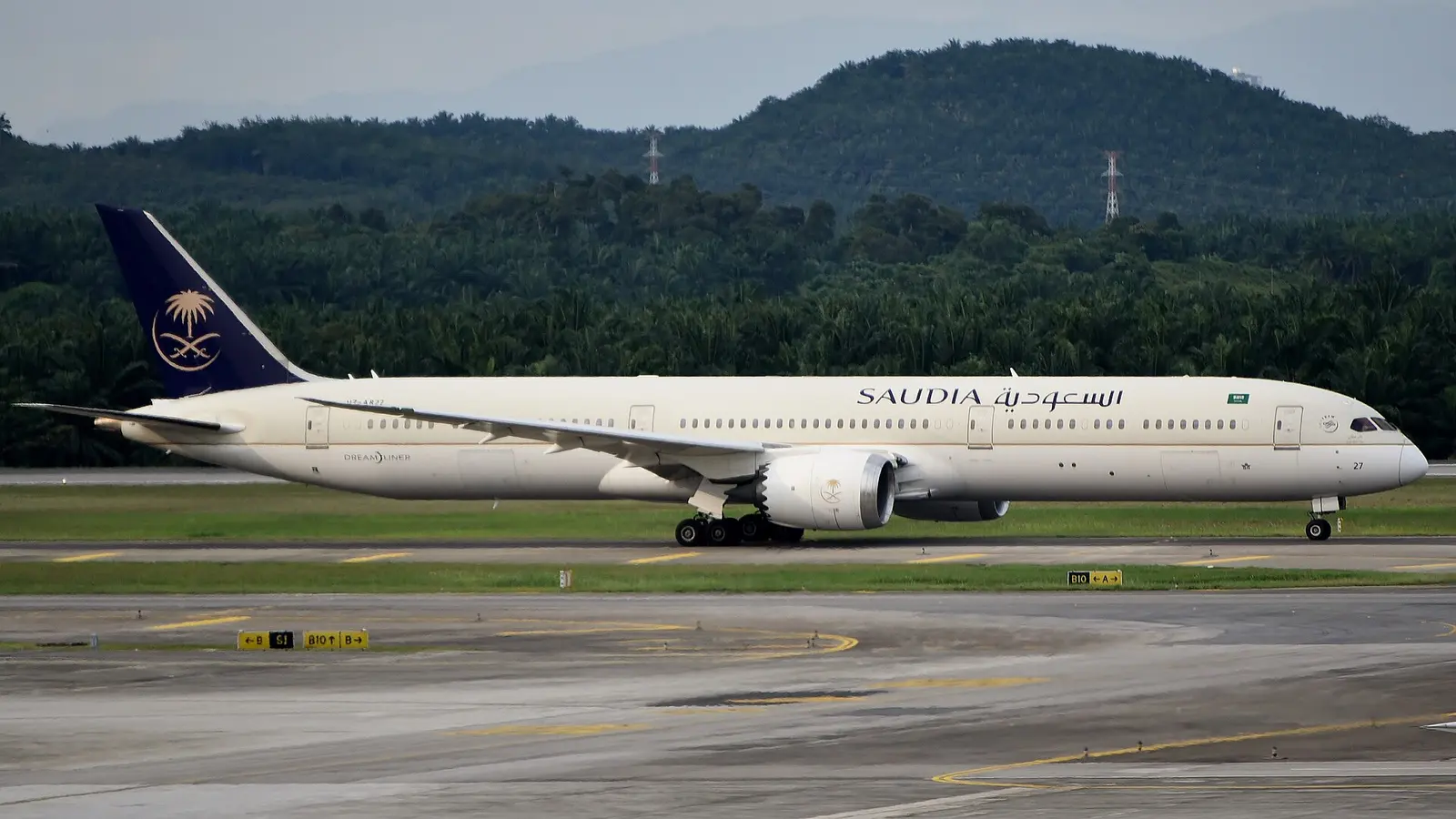
Most travelers stepping onto international flights expect complimentary wine with dinner or beer after takeoff. But several major carriers serve no alcohol whatsoever-not in economy, not in business class, not even for purchase.
Understanding which airlines don't serve alcohol matters for route planning, especially on long-haul flights where beverage service shapes passenger comfort expectations. These policies aren't arbitrary cost-cutting measures. They reflect deeply held cultural values, religious requirements, and strategic branding decisions.
The list of alcohol-free flights extends beyond Middle Eastern carriers many travelers might expect. Policies vary significantly-some airlines ban alcohol systemwide, others restrict it on specific routes, and a few maintain nuanced approaches based on departure points and destinations.
This analysis examines why certain airlines maintain strict alcohol-free policies, how these rules affect passenger experience, what operational advantages emerge, and how cultural contexts shape aviation service standards globally.
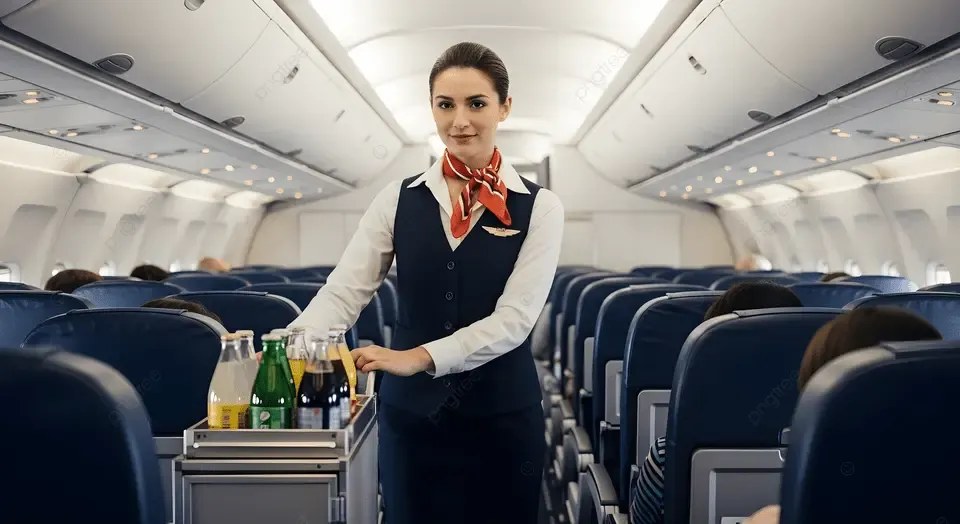
Why Some Airlines Don't Serve Alcohol
The decision to exclude alcohol from cabin service stems primarily from religious law and cultural alignment. For airlines based in countries where Islamic law governs public life, serving alcohol contradicts fundamental principles regardless of passenger nationality or route.
Islamic Law And Religious Compliance
In Islam, alcohol consumption is prohibited (haram). Countries implementing Sharia law extend this prohibition to commercial activities, including aviation. National carriers from these countries typically maintain alcohol-free cabins to comply with domestic legal frameworks and religious expectations.
This isn't about imposing beliefs on passengers. It reflects the legal and cultural reality where these airlines operate. Aircraft registered in Saudi Arabia or Iran fall under those nations' laws, making alcohol service illegal regardless of where the plane flies.
Brand Identity And Cultural Positioning
Some airlines view alcohol-free service as brand differentiation rather than restriction. They position themselves as family-friendly, culturally authentic carriers appealing to passengers who prefer or require alcohol-free environments.
This branding extends beyond religious compliance. It creates distinct market positioning-particularly valuable when competing against global carriers that blur cultural distinctions through standardized Western-style service.
Operational Simplification
Eliminating alcohol service reduces operational complexity. No inventory management for duty-free sales, no crew training for intoxicated passenger protocols, no regulatory compliance around serving limits, no cleanup from alcohol-related incidents.
These operational efficiencies matter more on shorter routes where beverage service windows are tight and quick turnarounds essential. Simplified service protocols improve consistency and reduce costs.
Airlines That Do Not Serve Alcohol
Several major carriers maintain complete alcohol bans across their entire networks. These dry airlines span multiple continents, though concentration remains highest in the Middle East and South Asia.
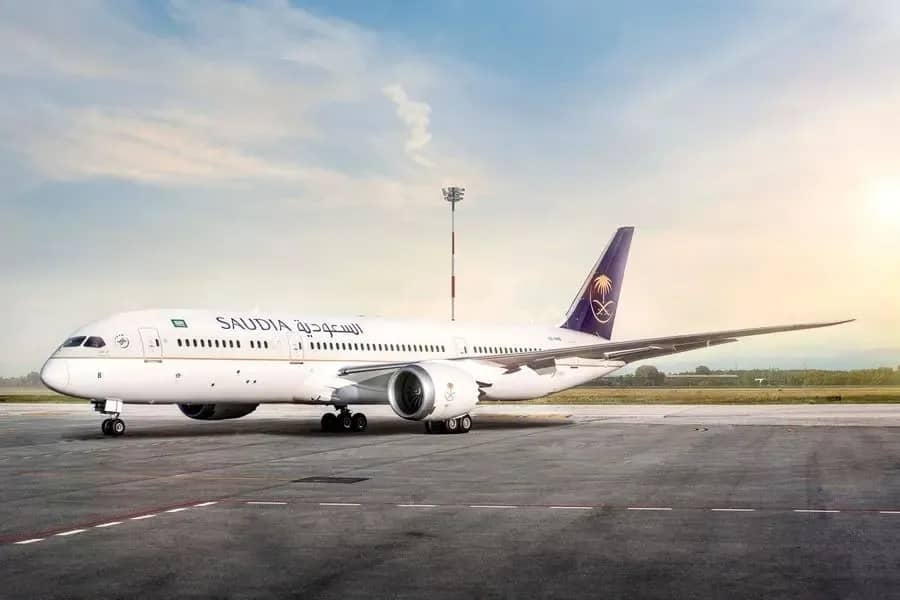
Saudi Arabian Airlines (Saudia)
Saudi Arabia's flag carrier serves zero alcohol on any flight, any route, any class of service. As the national airline of a country implementing strict Islamic law, Saudia operates under regulations that make alcohol service illegal.
The airline serves extensive beverage alternatives including fresh juices, Arabic coffee, specialty teas, and soft drinks. Premium cabins offer mocktails and elaborate non-alcoholic beverage programs designed to provide variety without compromising religious compliance.
Saudia operates an extensive network across the Middle East, Asia, Europe, and North America. The alcohol ban applies uniformly regardless of destination cultural norms.
Iran Air
Iran's national carrier maintains a complete alcohol prohibition reflecting the Islamic Republic's strict interpretation of religious law. Like Saudia, this applies to all routes including those to Western Europe where alcohol service is standard industry practice.
Iran Air focuses beverage service on Persian tea culture, offering various tea preparations, traditional drinks, and fruit juices. The airline positions this as cultural authenticity rather than restriction.
Kuwait Airways
Kuwait Airways operates as a dry airline across its entire network. Kuwait's laws prohibit alcohol sale and consumption, which extends to the national carrier's operations globally.
The airline serves routes throughout Europe, Asia, and North America while maintaining this policy. Passengers traveling between Western cities on Kuwait Airways connections find no alcohol service despite origin and destination both permitting it.
Royal Brunei Airlines
Brunei's carrier eliminated alcohol service in the 1990s following the Sultan's decree implementing stricter Islamic governance. The policy covers all routes including those to Australia, Europe, and East Asia.
Royal Brunei compensates through enhanced non-alcoholic beverage selections and emphasized in-flight service quality in other areas like meal quality and cabin comfort.
Pakistan International Airlines (PIA)
PIA maintains an alcohol-free policy across its network following changes implemented in the late 1970s. As Pakistan's national carrier, the airline aligns with the country's Islamic identity despite serving numerous Western destinations.
The airline offers extensive beverage alternatives including traditional Pakistani drinks, fresh juices, and elaborate tea service reflecting South Asian hospitality traditions.
Biman Bangladesh Airlines
Bangladesh's national carrier operates without alcohol service, reflecting the country's predominantly Muslim population and cultural values. The policy applies to all international routes including those to Europe and North America.
Like other South Asian carriers maintaining this policy, Biman emphasizes traditional hospitality through enhanced meal service and beverage variety within alcohol-free parameters.
Airlines With Partial Alcohol Restrictions
Some carriers maintain more nuanced approaches-serving alcohol on certain routes while restricting it on others. These partial policies create complexity but reflect pragmatic balancing of cultural requirements with market realities.
Route-Based Variations
Several airlines adjust alcohol policies based on route characteristics. Flights departing from countries with strict alcohol laws may ban service even if the carrier generally permits it elsewhere in the network.
This creates situations where passengers on the same airline experience different beverage policies depending on origin airport and destination. A flight from London to Dubai might serve alcohol, while the return leg does not.
Religious Pilgrimage Flights
Even airlines that normally serve alcohol often suspend the practice on Hajj and Umrah charter flights to Saudi Arabia. These religious pilgrimage routes carry predominantly Muslim passengers traveling for spiritual purposes where alcohol would be culturally inappropriate.
Major carriers operating pilgrimage charters-including airlines from Indonesia, Malaysia, Turkey, and Nigeria-implement temporary alcohol bans for these specific services while maintaining normal policies on regular scheduled flights.
Selective Service Policies
Some airlines restrict alcohol in economy while serving it in premium cabins, though this approach is less common than complete policies. The logic combines revenue considerations (premium passengers expect full beverage service) with practical crowd management (limiting alcohol access reduces potential incidents).
These hybrid approaches attempt to balance competing interests but often create passenger confusion and perception problems around fairness and consistency.
How Passenger Experience Changes
Flying alcohol-free doesn't mean flying beverage-free. Airlines compensate through expanded non-alcoholic options and enhanced service in other areas. Understanding these differences helps set appropriate expectations.
Beverage Alternatives And Variety
Dry airlines typically offer extensive non-alcoholic beverage programs exceeding what most carriers provide. Fresh fruit juices, specialty teas, Arabic coffee service, mocktails, smoothies, and traditional regional drinks fill menus.
Premium cabins on alcohol-free carriers often feature elaborate mocktail programs designed to provide variety and sophistication without alcohol. These beverages sometimes exceed the quality of standard alcoholic offerings on other airlines.
The variety compensates for alcohol absence. Passengers report that thoughtfully curated non-alcoholic programs feel less restrictive than anticipated, particularly when service quality remains high.
Cabin Atmosphere Differences
Alcohol-free cabins tend toward quieter, calmer atmospheres, particularly on long-haul overnight flights. Without alcohol consumption, passengers typically settle into sleep earlier and disruptions decrease.
Families with young children often prefer alcohol-free flights precisely for this reason. The cabin environment feels more predictable and controlled without alcohol-related behavioral changes.
Business travelers accustomed to working during flights report fewer disturbances from neighboring passengers on dry airlines, though this varies by route and passenger demographics.
Cultural Adaptation Requirements
Passengers from cultures where alcohol accompanies meals face the biggest adjustment. Wine with dinner or beer with lunch represents normal dining for many Western travelers, making its absence initially jarring.
The adaptation becomes easier when travelers understand the cultural context. Respecting local customs-even at 35,000 feet-simply extends the cultural awareness required when visiting any country with different norms.
Many passengers report that after the first hour, alcohol absence becomes unremarkable. The flight experience depends more on seat comfort, meal quality, entertainment options, and service professionalism than beverage alcohol availability.
Safety And Operational Reasons
Beyond cultural motivations, alcohol-free policies offer genuine operational advantages. Airlines maintaining these policies cite safety benefits and reduced crew workload as secondary justifications supporting primary cultural reasons.
Alcohol-Related Incident Prevention
Intoxicated passenger incidents represent a significant aviation safety concern. Disruptive behavior from drunk passengers ranges from verbal altercations to physical violence, potentially endangering crew and fellow passengers.
Airlines that don't serve alcohol eliminate one major source of disruptive incidents. While passengers can board intoxicated from airport bars, eliminating onboard service prevents escalation during flight.
Industry data shows that alcohol-related diversions-emergency landings due to passenger behavior-cost airlines tens of thousands of dollars per incident. Preventing these through abstinence policies provides direct financial benefit beyond cultural compliance.
Reduced Crew Workload And Training
Serving alcohol requires crew training on intoxication recognition, service limits, intervention protocols, and documentation requirements. Crew must balance hospitality with safety judgment calls about passenger consumption.
Eliminating alcohol service removes this complexity. Crew focus entirely on meal service, passenger comfort, and safety without monitoring consumption levels or managing potentially difficult refusal situations.
This simplification particularly benefits shorter flights where crew already face compressed service windows. Streamlined procedures improve efficiency and service consistency.
Passenger Behavior Management
Alcohol lowers inhibitions and intensifies emotions-problematic in confined spaces where escape is impossible. Fear of flying, stress, fatigue, and boredom all intensify under alcohol influence.
Airlines without alcohol report fewer confrontations between passengers, less harassment of crew, and generally calmer cabin dynamics. The correlation isn't perfect-disruptive passengers exist regardless-but alcohol elimination reduces behavioral incidents measurably.
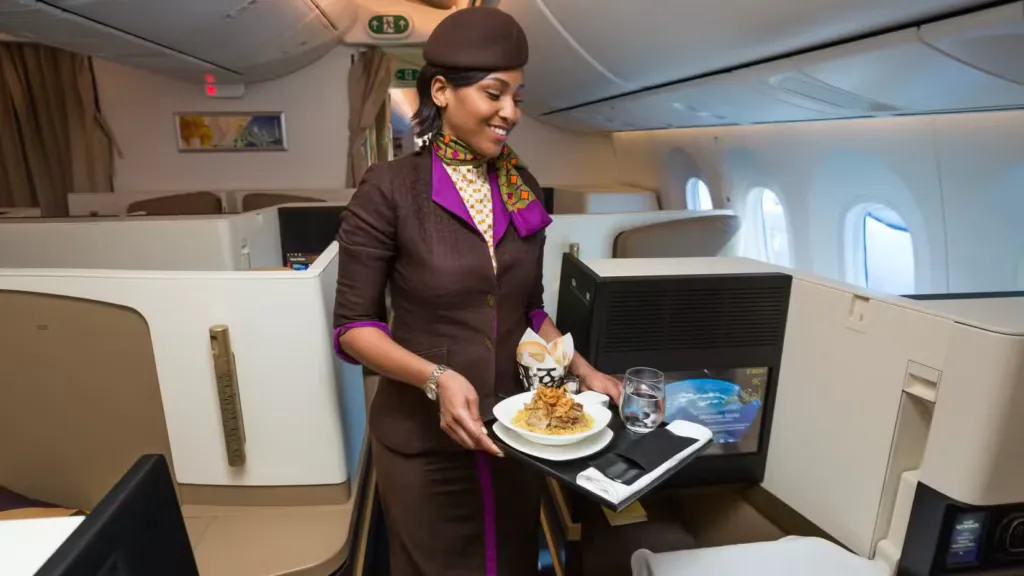
Why Most Airlines Still Serve Alcohol
Despite operational and safety advantages of alcohol-free cabins, the vast majority of airlines continue serving alcohol. Strong economic and competitive reasons drive this choice.
Revenue Generation
Alcohol sales generate significant ancillary revenue, particularly on low-cost carriers charging for drinks. Premium spirits, wine selections, and beer sales add directly to profitability per passenger.
Even full-service carriers with complimentary drinks in premium cabins benefit financially. Business class wine programs justify fare premiums, and duty-free alcohol sales during international flights contribute meaningful revenue.
Airlines calculate that alcohol-related incident costs remain lower than revenue generated, making service financially rational despite occasional disruptions.
Premium Experience Expectations
Business and first-class passengers expect fine wine, premium spirits, and champagne as standard service. These expectations drive competitive differentiation between premium carriers.
Eliminating alcohol would severely damage premium cabin appeal on most airlines. Wine pairings with gourmet meals, pre-departure champagne, and extensive spirit selections represent core elements of luxury travel experience.
Airlines competing on service quality cannot easily abandon alcohol without losing competitiveness against rivals offering full beverage programs.
Long-Haul Flight Expectations
On 10-14 hour flights, many passengers view alcohol as essential relaxation and sleep aid. Whether medically advisable or not, travelers rely on wine or spirits to ease anxiety and promote rest during overnight flights.
Airlines face passenger backlash when eliminating long-haul alcohol service. The few carriers that attempted this for non-religious reasons quickly reversed policies after customer complaints.
Cultural expectations around long-haul international travel include alcohol service for most Western passengers, making elimination difficult except when justified by clear religious or legal requirements.
Do Alcohol-Free Flights Affect Airline Popularity?
The impact of alcohol policies on airline selection varies dramatically by passenger demographics, route characteristics, and availability of alternatives.
Passenger Perception And Route Selection
Business travelers and leisure passengers differ in how alcohol policies influence booking decisions. Price and schedule typically dominate over beverage service for most travelers, with alcohol availability ranking as secondary consideration.
However, on competitive routes where multiple carriers offer similar fares and schedules, alcohol service becomes a differentiator. A traveler choosing between two airlines at the same price may select based on beverage policy preferences.
Routes with limited competition see minimal impact. If only one airline serves a city pair, most travelers book regardless of alcohol policy, especially when alternatives require inconvenient connections.
Regional Differences In Importance
European and North American passengers generally place higher value on alcohol availability than Asian travelers. Regional drinking cultures influence whether alcohol-free service feels restrictive or unremarkable.
Middle Eastern airlines without alcohol compete successfully in European markets because they excel in other service dimensions-premium cabin comfort, food quality, connection convenience-that outweigh beverage restrictions for many passengers.
Airlines positioning themselves for specific demographic segments may view alcohol restrictions as advantage rather than limitation when targeting family travelers, religious passengers, or health-conscious demographics.
Competitive Positioning Strategies
Some alcohol-free airlines deliberately emphasize family-friendly branding and cultural authenticity as competitive strengths. Rather than downplaying restrictions, they highlight alcohol-free service as a positive differentiator.
This strategy works particularly well for carriers serving religious pilgrimage routes, family-oriented destinations, and passengers seeking specific cultural experiences aligned with Islamic values.
The approach acknowledges that these airlines won't attract every passenger-and that's acceptable. Focused positioning for target demographics often proves more profitable than attempting to appeal universally.
What Travelers Should Know Before Booking
Understanding alcohol policies before booking prevents disappointment and helps set appropriate expectations. Several practical considerations matter when evaluating alcohol-free carriers.
Key factors to research:
- Check airline policy explicitly-don't assume based on country or region
- Verify whether restrictions apply to all routes or vary by departure point
- Consider flight duration-alcohol matters more on 10+ hour flights than short hops
- Review non-alcoholic beverage options if alcohol absence concerns you
- Evaluate total value proposition including price, schedule, and connection convenience
- Understand that bringing personal alcohol onboard is prohibited on all airlines
Route-Specific Variations
Some routes operated by the same airline may have different policies. Always confirm for your specific flight rather than relying on general airline reputation.
Connecting flights create particular complexity. Your outbound and return legs might operate under different beverage policies even when booked as a single ticket.
Alternative Airlines And Connections
If alcohol service is non-negotiable, identify alternative routings. Many city pairs have multiple carrier options, though connections may be required versus non-stop alcohol-free flights.
Calculate whether adding connection time and potential connection stress is worth maintaining alcohol availability. For many passengers, non-stop convenience outweighs beverage considerations.
Setting Realistic Expectations
Alcohol-free flights aren't inferior experiences-they're different experiences. Adjust expectations accordingly rather than viewing absence as deprivation.
Many passengers report enjoying alcohol-free flights more than anticipated once they focus on other service elements. Cabin comfort, meal quality, and professional service matter more to overall satisfaction than beverage alcohol.
Frequently Asked Questions
Which airlines do not serve alcohol?
Major carriers operating completely alcohol-free include Saudi Arabian Airlines (Saudia), Iran Air, Kuwait Airways, Royal Brunei Airlines, Pakistan International Airlines, and Biman Bangladesh Airlines. These airlines maintain alcohol bans across all routes and cabin classes due to religious compliance and cultural alignment with Islamic law.
Several other smaller carriers from Muslim-majority countries also operate dry, while some airlines implement route-specific restrictions rather than systemwide bans. Always verify current policies directly with airlines as regulations can change.
Do Middle Eastern airlines serve alcohol?
Middle Eastern airline alcohol policies vary dramatically. Emirates, Qatar Airways, and Etihad serve alcohol extensively across their networks, featuring premium wine and spirit programs competitive with top global carriers. However, Saudi Arabian Airlines and Kuwait Airways serve no alcohol due to stricter religious requirements in their home countries.
The Middle East isn't monolithic-airline policies reflect individual country laws and carrier positioning rather than regional uniformity. Passengers should research specific airlines rather than making assumptions based on Middle Eastern origin.
Are alcohol-free flights safer?
Alcohol-free flights eliminate alcohol-related disruptive passenger incidents, which represent a measurable safety concern in aviation. However, overall flight safety depends on far more significant factors-aircraft maintenance, pilot training, weather conditions, air traffic control, and airline operational standards.
Alcohol absence reduces one specific incident category but doesn't meaningfully impact statistical safety compared to these dominant factors. Both alcohol-serving and alcohol-free airlines maintain excellent safety records when properly regulated and operated. The safety difference from beverage policy alone is negligible compared to fundamental operational factors.
Can passengers bring their own alcohol on flights?
No. Passengers cannot consume personal alcohol onboard any commercial flight, regardless of whether the airline serves alcohol. Aviation regulations globally prohibit passengers from drinking alcohol not served by the airline, even if purchased duty-free after security. This applies universally-you cannot bring wine from the airport bar, drink duty-free spirits purchased inflight, or consume personal alcohol in any circumstance.
Violating this rule can result in denied boarding, flight diversion, prosecution, and airline bans. The regulation exists because crew must monitor passenger alcohol consumption for safety reasons, which becomes impossible when passengers self-serve.
Do pilots ever drink before or during flights?
Commercial pilots face strict alcohol regulations prohibiting consumption within specific timeframes before flying-typically 8-12 hours minimum depending on jurisdiction, with many airlines enforcing stricter 24-hour rules. Blood alcohol limits for pilots are extremely low, often zero tolerance.
Violating alcohol regulations results in immediate termination, license revocation, and potential criminal prosecution. Random testing, pre-flight checks, and severe penalties make pilot alcohol violations extremely rare. The regulations apply equally to flights on alcohol-serving and alcohol-free airlines. Pilot alcohol rules are among the strictest occupational alcohol regulations globally, reflecting safety criticality of aviation operations.
How do airlines without alcohol compete against carriers that serve it?
Alcohol-free airlines compete through superior pricing, convenient routing, schedule advantages, and service excellence in non-beverage areas. Many emphasize premium cabin comfort, enhanced meal programs, cultural authenticity, and family-friendly positioning. Airlines like Saudia operate extensive networks where they're the only non-stop option, making alcohol policy largely irrelevant to booking decisions.
Others focus on specific demographic segments-religious travelers, families, health-conscious passengers-where alcohol absence is preferred rather than tolerated. Competitive success for dry airlines depends on excelling in factors that matter more than beverage service: price, schedule, safety record, and overall service quality.
Conclusion
Airlines that don't serve alcohol operate from clear religious, cultural, and operational motivations rather than arbitrary restriction. Understanding these policies helps travelers make informed booking decisions and set appropriate expectations.
For carriers like Saudi Arabian Airlines, Kuwait Airways, and Iran Air, alcohol prohibition reflects fundamental alignment with Islamic law governing their home countries. The policy extends globally because the aircraft themselves operate under those legal frameworks regardless of destination.
Passenger impact varies by individual expectations and flight duration. Many travelers adapt easily once understanding cultural context, while others prefer alternatives when available. The key is matching personal preferences with appropriate airline selection rather than expecting all carriers to operate identically.
The aviation industry accommodates diverse cultural approaches to alcohol-from prohibition through enthusiastic embrace. This diversity reflects aviation's global nature and the reality that standardization doesn't always serve passengers better than culturally authentic variation.