How Much Do AirAsia Pilots Earn in 2026? Salary Breakdown & Career Insights
 Radu BalasPublished 13 min read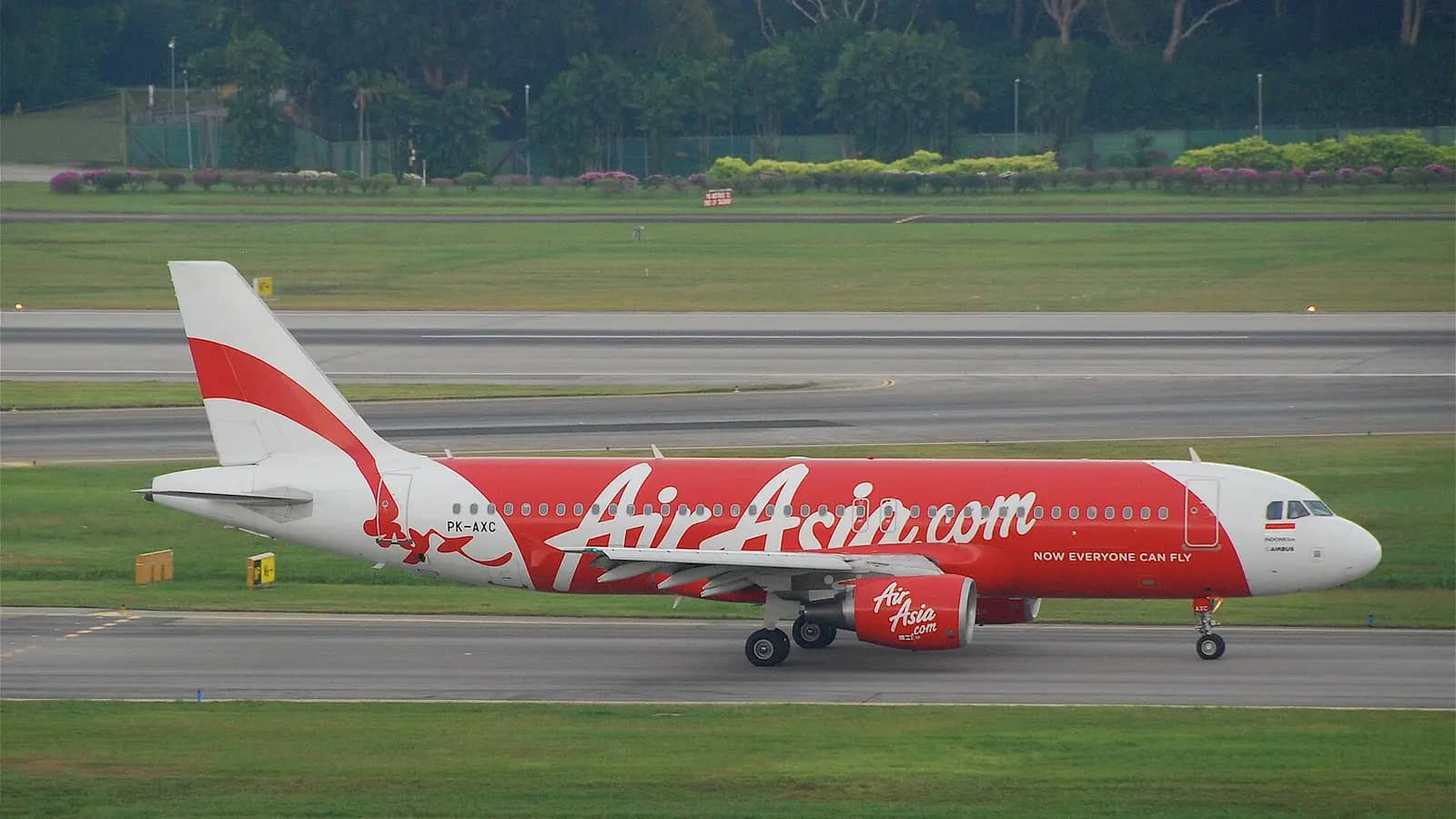
Low-cost carriers transformed global aviation by making air travel affordable for millions. But how does the budget airline model affect pilot compensation? Understanding AirAsia pilot salary structures reveals the financial realities of flying for Asia's largest low-cost carrier.
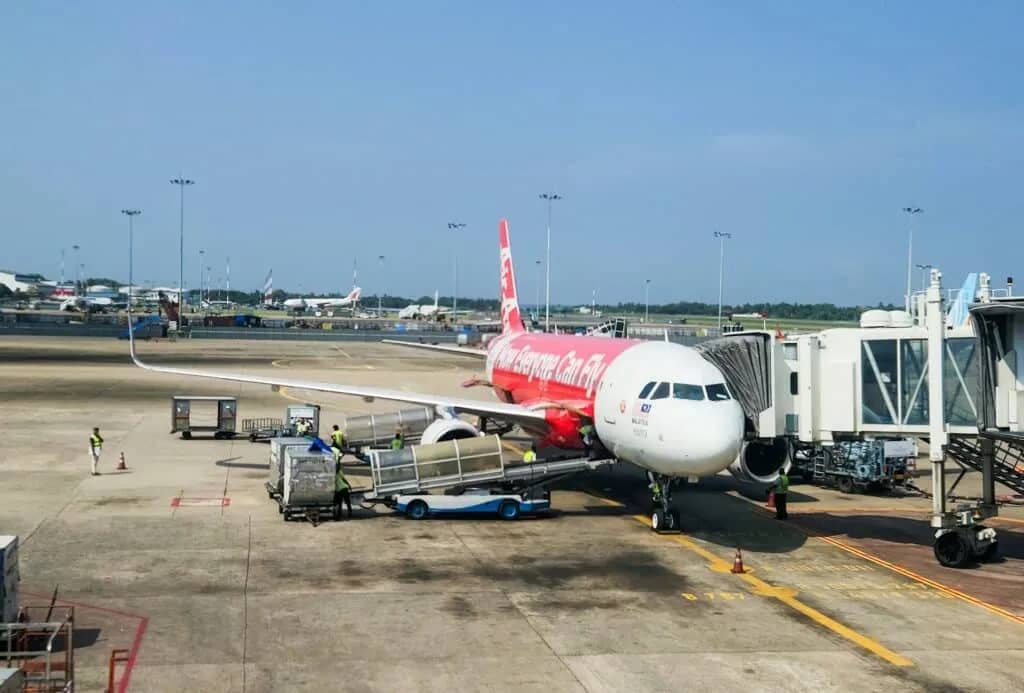
AirAsia operates one of the world's most extensive low-cost networks, flying primarily Airbus A320 family aircraft across Southeast Asia, India, and beyond. The airline's business model prioritizes efficiency, high aircraft utilization, and cost control-factors that directly shape pilot compensation packages.
Unlike legacy carriers offering premium long-haul service, AirAsia focuses on short-haul, high-frequency routes. Pilots typically fly multiple sectors daily, accumulating flight hours rapidly while operating from bases across Malaysia, Thailand, Indonesia, and other regional hubs.
This analysis examines verified AirAsia captain salary and first officer salary ranges for 2026, breaks down compensation by region and experience level, compares earnings with other Asian carriers, and evaluates whether AirAsia represents a viable career path for commercial aviation professionals.
How Pilot Salaries Work In Low-Cost Airlines
Low-cost carrier compensation differs fundamentally from legacy airline pay structures. Understanding these differences explains why pilot salary low-cost airlines typically sit below full-service carrier levels despite similar flight hour requirements and operational complexity.
Base Pay Structure
AirAsia pilots receive a base monthly salary that forms the foundation of compensation. This base amount varies by rank (first officer vs captain) and experience level but remains lower than equivalent positions at full-service airlines.
The base salary reflects AirAsia's cost-focused business model. By keeping fixed costs low, the airline maintains competitive ticket pricing-the core value proposition that drives passenger volume and network profitability.
Flight Hour Pay
Beyond base salary, pilots earn additional compensation for flight hours and sectors flown. This variable component incentivizes productivity and aligns pilot earnings with aircraft utilization-a critical metric for low-cost carriers.
Since AirAsia operates high-frequency short-haul routes with quick turnarounds, pilots often fly multiple sectors daily. This accumulation of flight hours and sector pay supplements base compensation, though total earnings still trail full-service competitors.
Allowances And Additional Pay
Pilots receive allowances for overnight duties, meal expenses during outstation stays, and specific duty patterns. These allowances add incrementally to total compensation but don't fundamentally alter the pay differential between low-cost and legacy carriers.
The allowance structure recognizes that short-haul operations involve different operational demands than long-haul flying, though arguably no less demanding given the multiple takeoffs, landings, and crew briefings required daily.
AirAsia First Officer Salary in 2026
First officers at AirAsia earn modest salaries compared to full-service and long-haul carriers. In 2026, AirAsia first officer salary ranges reflect the airline's low-cost operational model and short-haul network focus.
Entry-Level First Officer Pay
Entry-level first officers, particularly those joining through cadet programs or with minimal airline experience, typically earn MYR 8,000 to MYR 12,000 per month (approximately USD 2,000 to USD 2,800). This translates to roughly MYR 96,000 to MYR 144,000 annually (USD 24,000 to USD 34,000).
These entry figures position AirAsia toward the lower end of regional commercial aviation compensation but provide crucial flight hour accumulation opportunities for pilots building experience toward captain upgrade.
Mid-Level First Officer Compensation
As first officers gain experience and seniority, monthly compensation increases to MYR 15,000 to MYR 18,000 (approximately USD 3,500 to USD 4,200). Annual earnings for experienced first officers reach MYR 180,000 to MYR 216,000 (USD 42,000 to USD 50,000).
This progression reflects seniority-based pay scales common across airlines. More experienced first officers also tend to receive better roster patterns and may hold additional responsibilities like training duties, though these don't dramatically increase base compensation.
Flight Hour Impact On Total Earnings
Total yearly earnings increase through flight hour pay, sector-based allowances, and overnight duty payments. Since AirAsia operates high-frequency routes, pilots accumulate multiple flight sectors daily, which boosts overall income beyond base salary.
However, even with maximum flight hour utilization, total first officer compensation rarely exceeds USD 50,000 annually-substantially below what comparable pilots earn at Emirates, Singapore Airlines, or other full-service carriers.
AirAsia Captain Salary in 2026
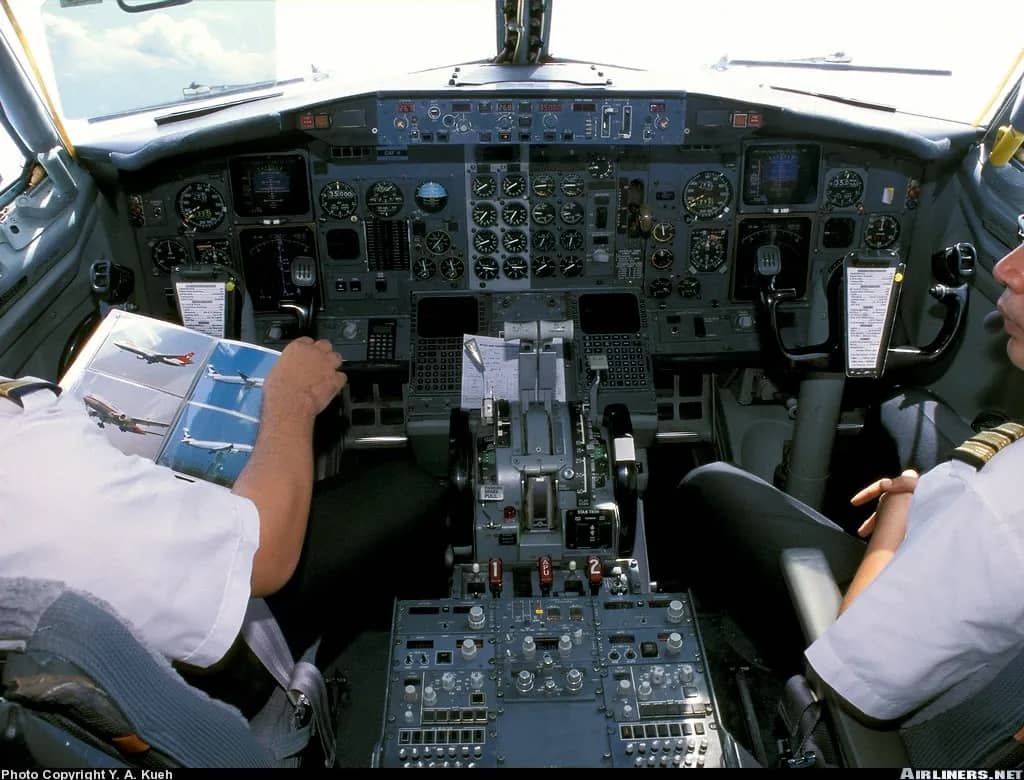
Captains at AirAsia earn significantly higher salaries than first officers, though compensation still remains lower than legacy carriers due to the airline's cost-focused structure. The AirAsia captain salary reflects command responsibility and operational authority.
Standard Captain Compensation
In 2026, AirAsia captains typically earn MYR 25,000 to MYR 35,000 per month (approximately USD 6,000 to USD 8,300). On an annual basis, this places captain salaries at around MYR 300,000 to MYR 420,000 per year (roughly USD 72,000 to USD 100,000).
Captains bear full responsibility for command decisions, crew management, and ensuring compliance with safety and operational procedures. The salary differential between first officers and captains reflects this increased responsibility and authority.
Senior Captain And Training Captain Pay
Senior captains operating more demanding schedules or holding additional responsibilities such as training captain or line check roles may earn toward the upper range of MYR 35,000 to MYR 40,000 monthly (USD 8,300 to USD 9,500). Annually, this reaches MYR 420,000 to MYR 480,000 (USD 100,000 to USD 115,000).
These senior positions require extensive experience, demonstrated proficiency in training others, and often involve additional administrative responsibilities beyond line flying duties.
Command Experience Value
While pay remains below full-service carriers, the relatively fast upgrade time from first officer to captain (often 3-5 years depending on fleet expansion) makes AirAsia attractive for pilots aiming to build command experience quickly.
This command experience becomes valuable when pilots later transition to higher-paying carriers. Many use AirAsia as a stepping stone, gaining captain hours that qualify them for premium positions at legacy airlines or Middle Eastern carriers.
Salary Breakdown By Region
AirAsia operates across multiple Southeast Asian countries, each with distinct cost structures, labor markets, and compensation levels. Understanding regional variations in pilot salary Asia aviation markets provides important context.
Malaysia (AirAsia Headquarters)
Malaysian-based pilots at AirAsia headquarters typically earn the baseline compensation outlined above. Malaysia represents the airline's largest operation, with extensive domestic and international routes from Kuala Lumpur.
Living costs in Kuala Lumpur remain moderate compared to regional hubs like Singapore or Hong Kong, making the salary adequate though not generous for local standards.
Thailand (Thai AirAsia)
Thai AirAsia pilots earn comparable salaries to Malaysian counterparts, with minor adjustments for local currency (Thai Baht) and cost of living differences. Bangkok-based operations offer similar career progression and fleet opportunities.
Thai operations benefit from strong domestic tourism demand and extensive connectivity across Southeast Asia, providing stable flying schedules and predictable roster patterns.
Indonesia (Indonesia AirAsia)
Indonesian operations follow similar pay structures, though local market conditions and currency fluctuations (Indonesian Rupiah) can create variations in purchasing power. Jakarta and other Indonesian bases serve dense domestic networks.
Indonesia's large population and island geography create substantial short-haul demand, making the Indonesian operation among AirAsia's most active in terms of flight frequency and aircraft utilization.
India Context (Former AirAsia India)
AirAsia India merged with Air India Express in 2023, altering the compensation landscape for former AirAsia India pilots. Indian aviation market salaries generally differ from Southeast Asian operations due to distinct regulatory and economic conditions.
Pilots previously employed by AirAsia India now operate under Air India Express terms, which may offer different compensation structures aligned with Indian aviation industry standards.
Complete AirAsia Pilot Salary Table
The following table summarizes AirAsia pilot salary ranges across different ranks and experience levels based on 2026 data:
| Position | Monthly Salary (MYR) | Monthly Salary (USD) | Annual Salary (USD) | Notes |
|---|---|---|---|---|
| Entry First Officer | 8,000 - 12,000 | $2,000 - $2,800 | $24,000 - $34,000 | Cadet program or minimal experience |
| Experienced First Officer | 15,000 - 18,000 | $3,500 - $4,200 | $42,000 - $50,000 | Several years seniority |
| Captain | 25,000 - 35,000 | $6,000 - $8,300 | $72,000 - $100,000 | Command responsibility |
| Senior Captain / Training Captain | 35,000 - 40,000 | $8,300 - $9,500 | $100,000 - $115,000 | Additional training/check duties |
Note: Exchange rates approximate MYR to USD at 4.2:1. Actual earnings vary based on flight hours, allowances, and duty patterns. All figures represent 2026 estimates.
Benefits And Allowances
Beyond base salary, AirAsia pilots receive various benefits and allowances that contribute to total compensation value. While less comprehensive than full-service carrier packages, these benefits provide important support.
Key benefits for AirAsia pilots include:
- Travel Benefits - Pilots receive discounted tickets across AirAsia's extensive route network, with limited travel benefits extended to immediate family members
- Flight Hour Pay - Additional compensation based on flight hours and sectors flown, allowing earnings to increase with higher aircraft utilization
- Overnight Allowances - Additional payments provided for overnight duties, meals, and outstation stays during multi-sector operations
- Career Progression - Relatively quick upgrade opportunities to captain due to fleet growth and high aircraft utilization rates
- Training Programs - Structured training and recurrent simulator checks to maintain pilot proficiency and safety standards
- Roster Stability - Predictable rosters with multiple short-haul sectors, allowing for more frequent returns to base compared to long-haul airlines
- Insurance Coverage - Basic medical and insurance coverage provided as part of the employment package
Benefits Limitations
Considering AirAsia's low-cost business model, pilots are not entitled to as many perks as those at full-service carriers. Housing allowances, education subsidies for children, and premium healthcare plans-standard at legacy airlines-typically don't feature in AirAsia packages.
The benefits structure reflects operational realities: low-cost carriers maintain profitability through cost discipline, which extends to employee compensation and benefits. Pilots accepting these positions understand the trade-off between lower total compensation and other career advantages.
Career Progression At AirAsia
Career advancement at AirAsia follows a relatively straightforward path, with progression timelines often faster than legacy carriers due to fleet expansion and high operational tempo.
First Officer To Captain Timeline
Promotion from first officer to captain typically occurs after accumulating sufficient flight hours, often within 3-5 years depending on fleet expansion and operational demand. This timeline is faster than many full-service carriers where upgrade can take 7-10+ years.
The accelerated progression reflects AirAsia's growth trajectory and high aircraft utilization. Rapid expansion creates captain vacancies, allowing qualified first officers to upgrade sooner than at more mature, stable carriers.
Type Rating Importance
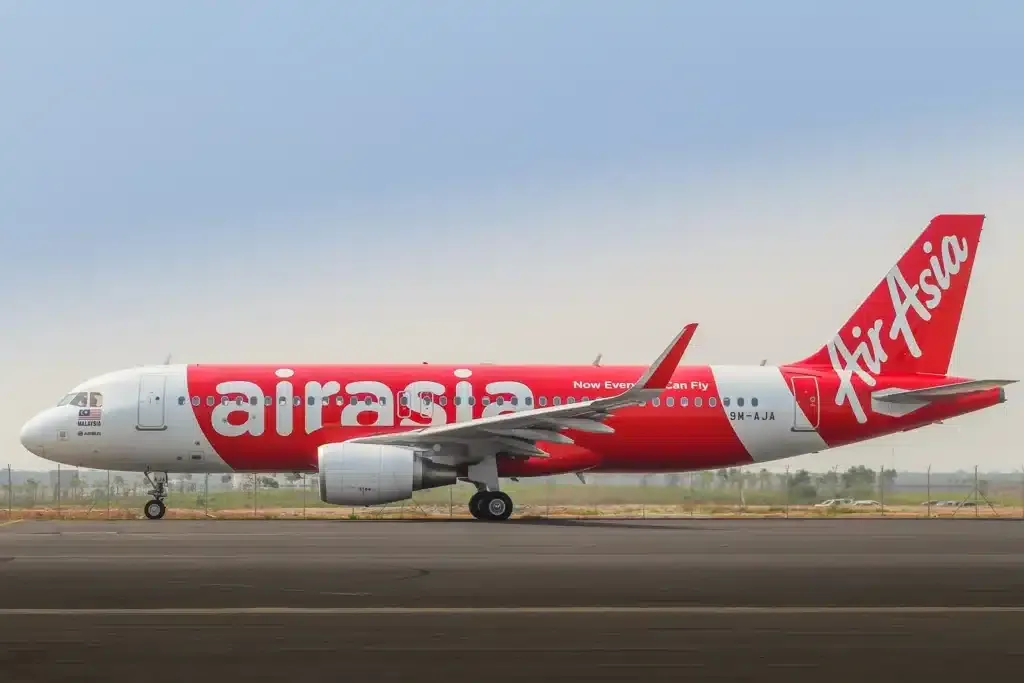
AirAsia operates exclusively Airbus A320 family aircraft, including A320-200, A320neo, and A321neo variants. All pilots require A320 type rating, which AirAsia typically provides during initial hiring or conversion training.
The single fleet type simplifies operations and training but means pilots don't gain multi-fleet experience. Those seeking variety in aircraft types or long-haul operations eventually transition to other carriers.
Training Captain And Check Pilot Roles
Experienced captains can progress into training captain or line check pilot positions, adding responsibilities beyond standard line operations. These roles involve evaluating other pilots, conducting simulator training, and ensuring operational standards adherence.
While these positions increase responsibility and modestly boost compensation, they don't represent dramatic salary jumps. Most captains holding training or check roles earn within the upper salary bands mentioned earlier.
How AirAsia Salaries Compare To Full-Service Airlines
Understanding where AirAsia compensation sits relative to other carriers helps pilots evaluate career options and make informed decisions about employment opportunities.
Comparison With Middle Eastern Carriers
Middle Eastern carriers like Emirates, Qatar Airways, and Etihad pay substantially more than AirAsia. Emirates captains typically earn USD 10,000-15,000+ monthly (USD 120,000-180,000+ annually), often tax-free with housing allowances and education benefits.
First officers at Emirates earn USD 5,000-8,000 monthly (USD 60,000-96,000 annually)-double or more what AirAsia first officers make. The difference reflects both premium service models and tax-advantaged compensation structures in Gulf states.
However, Middle Eastern positions typically require relocation, extended time away from home bases, and adaptation to different cultural environments-factors that don't suit all pilots.
Comparison With Singapore Airlines
Singapore Airlines, a premium full-service carrier, pays captains approximately SGD 15,000-20,000+ monthly (USD 11,000-15,000), with first officers earning SGD 7,000-10,000 monthly (USD 5,200-7,400).
These figures place Singapore Airlines substantially above AirAsia, though Singapore's high cost of living reduces the purchasing power advantage. Still, total compensation packages including benefits favor the legacy carrier significantly.
Comparison With IndiGo
IndiGo, India's largest low-cost carrier and a closer operational comparable, pays captains roughly INR 300,000-500,000 monthly (USD 3,600-6,000), with first officers earning INR 150,000-250,000 monthly (USD 1,800-3,000).
IndiGo salaries sit broadly comparable to or slightly below AirAsia when adjusted for cost of living and purchasing power parity. Both airlines compete in the low-cost segment where compensation discipline drives profitability.
Regional Low-Cost Carrier Context
Among Southeast Asian low-cost carriers, AirAsia salaries align with industry norms. Competitors like Lion Air, VietJet, and Cebu Pacific offer similar compensation structures-modest base salaries supplemented by flight hour pay and allowances.
The entire low-cost sector pays below legacy carriers globally. This differential reflects fundamental business model differences rather than airline-specific compensation philosophies.
Is AirAsia A Good Airline For Pilots?
Whether AirAsia represents a good career choice depends heavily on individual circumstances, career stage, and professional goals. The airline offers distinct advantages and limitations worth evaluating carefully.
Advantages For Pilot Careers
Positive factors include:
- Fast captain upgrade timeline (3-5 years vs 7-10+ at legacy carriers)
- Rapid flight hour accumulation through high-frequency short-haul operations
- Stable roster patterns with frequent base returns (vs long-haul extended layovers)
- Growing fleet creating ongoing hiring and promotion opportunities
- Established airline with strong regional network and brand recognition
- A320 type rating experience valuable for future career moves
- Lower cost of living in Southeast Asian bases compared to expensive hubs
Career Limitations And Challenges
Challenging factors include:
- Compensation significantly below full-service and Middle Eastern carriers
- Limited benefits package compared to legacy airline employment
- No long-haul or widebody flying experience opportunities
- Single fleet type limits aircraft variety and operational diversity
- Multiple daily sectors create high workload and fatigue potential
- Low-cost model means limited slack during operational disruptions
Ideal Pilot Profiles For AirAsia
AirAsia works particularly well for pilots in specific career situations. Early-career pilots building hours and experience toward captain positions benefit from rapid progression. The fast upgrade timeline lets pilots gain command experience years earlier than at legacy carriers.
Pilots prioritizing lifestyle over maximum compensation appreciate frequent base returns and predictable schedules. Short-haul operations mean more nights at home compared to long-haul flying requiring extended layovers.
Pilots using AirAsia as a stepping stone gain valuable A320 captain hours that qualify them for premium positions elsewhere. Many build 2,000-3,000 captain hours at AirAsia before transitioning to higher-paying carriers.
When Other Carriers Make More Sense
Pilots prioritizing maximum compensation should target Middle Eastern carriers, Singapore Airlines, or other premium carriers from the start. The salary differential-often 2-3x higher-compounds over career lifetimes into substantial wealth differences.
Those seeking long-haul experience, widebody aircraft variety, or comprehensive benefits packages find better opportunities at full-service carriers. AirAsia's narrow focus on short-haul A320 operations doesn't build these specific experiences.
Frequently Asked Questions
What is AirAsia pilot salary per month?
AirAsia first officers earn MYR 8,000 to MYR 18,000 monthly (USD 2,000 to USD 4,200), while captains earn MYR 25,000 to MYR 40,000 monthly (USD 6,000 to USD 9,500). Exact compensation depends on experience level, seniority, flight hours, and additional allowances. Entry-level first officers start toward the lower ranges, while senior training captains reach upper limits. Monthly earnings fluctuate based on actual flight hours and duty patterns beyond base salary.
How much more do AirAsia captains earn than first officers?
AirAsia captains earn 2-3x more than first officers at equivalent experience levels. Entry captains (MYR 25,000/USD 6,000 monthly) make roughly double what experienced first officers earn (MYR 15,000-18,000/USD 3,500-4,200), while senior captains (MYR 35,000-40,000/USD 8,300-9,500) earn nearly triple entry first officer pay (MYR 8,000-12,000/USD 2,000-2,800). This differential reflects command responsibility, operational authority, and the additional training and experience required for captain positions. The significant pay increase makes captain upgrade a critical career milestone for financial progression.
How do I become an AirAsia pilot?
Becoming an AirAsia pilot requires holding a valid Commercial Pilot License (CPL) or Airline Transport Pilot License (ATPL) recognized by relevant aviation authorities, possessing a Class 1 medical certificate, demonstrating ICAO English proficiency at Level 4 or higher, completing training from a recognized aviation academy, and having multi-engine and instrument flying qualifications. Candidates must show multi-crew experience, pass simulator assessments and technical evaluations, and demonstrate strong teamwork and communication skills. The hiring process involves online application, screening, aptitude tests, simulator evaluation, interviews, and medical/background checks. AirAsia also operates cadet programs for candidates without commercial licenses.
What is AirAsia pilot salary after tax?
Malaysian income tax reduces take-home pay significantly. An AirAsia first officer earning MYR 150,000 annually (USD 36,000) pays approximately MYR 10,000-15,000 in taxes (USD 2,400-3,600), leaving MYR 135,000-140,000 take-home (USD 32,000-33,000). Captains earning MYR 360,000 annually (USD 86,000) face roughly MYR 50,000-60,000 in taxes (USD 12,000-14,000), taking home MYR 300,000-310,000 (USD 72,000-74,000). Tax rates vary by individual circumstances, deductions, and regional tax codes. Pilots should consult tax professionals for accurate calculations based on personal situations.
Which aircraft do AirAsia pilots fly?
AirAsia pilots fly exclusively Airbus A320 family aircraft, including A320-200 (69 aircraft), A320neo (29 aircraft), and A321neo (8 aircraft). The airline operates a single-fleet strategy for operational efficiency and cost control. On order are additional A321neo (323 aircraft) and A321LR (36 aircraft) variants. All pilots require A320 type rating, which AirAsia provides during initial hiring or conversion training. The narrow-body focus means pilots gain extensive short-haul jet experience but don't access widebody or long-haul operations available at full-service carriers operating diverse fleets.
How long does it take to become a captain at AirAsia?
First officer to captain progression at AirAsia typically takes 3-5 years, significantly faster than legacy carriers where upgrade often requires 7-10+ years. The accelerated timeline reflects AirAsia's fleet expansion, high aircraft utilization, and operational growth creating captain vacancies. Actual upgrade timing depends on individual performance, total flight hours accumulated, training evaluation results, and airline hiring/expansion patterns. Pilots building hours quickly through high-frequency short-haul operations can reach minimum captain requirements faster. However, all candidates must demonstrate proficiency and pass comprehensive command training before captain designation regardless of timeline.
Conclusion
AirAsia pilot salaries in 2026 reflect the airline's low-cost business model. First officers earn USD 24,000 to USD 50,000 annually, while captains earn USD 72,000 to USD 115,000-substantially below full-service and Middle Eastern carriers but competitive within the regional low-cost segment.
The compensation trade-off comes with advantages: fast captain upgrade timelines, rapid flight hour accumulation, roster stability, and A320 type rating experience valuable for future career moves. For early-career pilots building experience or those prioritizing lifestyle over maximum earnings, AirAsia represents a viable path.
However, pilots seeking premium compensation, comprehensive benefits, long-haul experience, or widebody operations find better opportunities elsewhere. The decision depends on individual career goals, financial requirements, and professional priorities.
AirAsia continues offering stable career opportunities within Southeast Asia's growing aviation market. As the airline expands its fleet and network, pilot demand remains strong, making it an accessible entry point into commercial aviation despite modest compensation relative to industry leaders.