
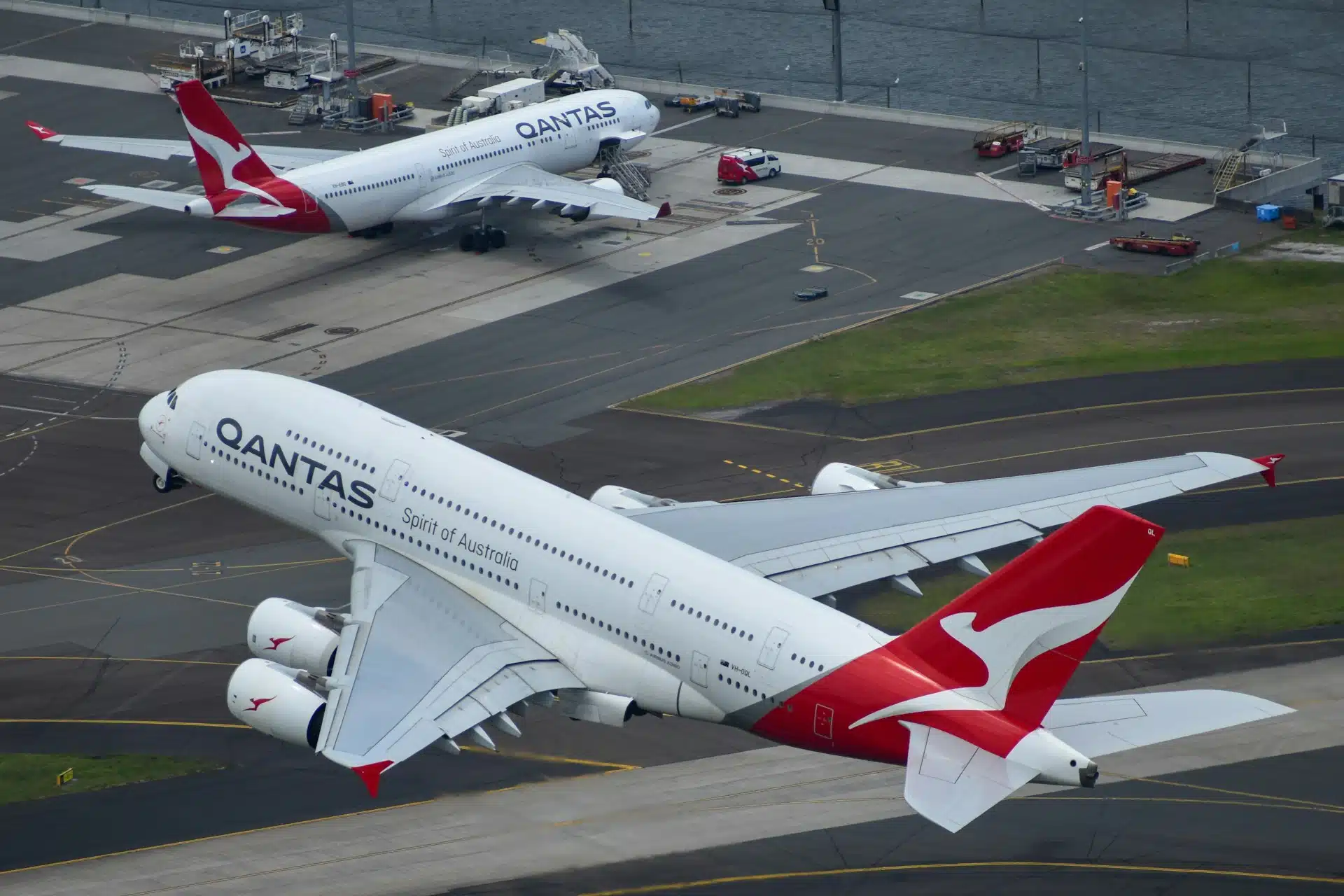
Aviation maintenance careers offer solid income potential, job security, and the satisfaction of keeping aircraft safe. For many Australian aviation professionals, Qantas aircraft maintenance engineer salary packages represent some of the most stable and competitive compensation in the industry.
Qantas, Australia’s flag carrier and one of the world’s oldest airlines, maintains a strong reputation for safety engineering and operational excellence. The airline operates a mixed fleet including Airbus A330s, A380s, Boeing 737s, and 787 Dreamliners—all maintained by highly skilled professionals.
Understanding what Aircraft Maintenance Engineers (AMEs) and technicians actually earn at Qantas requires looking beyond base salary figures. Total compensation, career progression paths, certification requirements, and long-term earning potential all factor into career decisions.
This analysis examines verified salary ranges, explains the critical differences between AME and technician roles, outlines career advancement opportunities, and provides realistic expectations for aviation maintenance professionals considering Qantas employment in 2026.
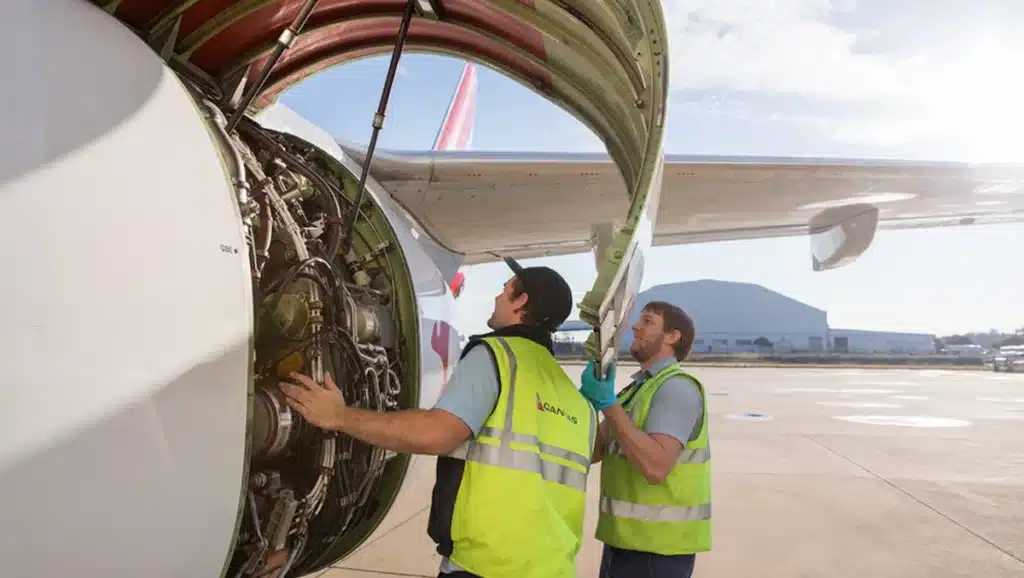
What Do Aircraft Maintenance Engineers And Technicians Do?
The distinction between Aircraft Maintenance Engineers (AMEs) and Aircraft Maintenance Technicians (AMTs) matters enormously for both salary and career trajectory. These aren’t interchangeable titles—they represent fundamentally different roles with distinct responsibilities and certification requirements.
Aircraft Maintenance Engineer (AME)
An AME is a licensed professional authorized to certify that an aircraft is safe for flight under CASA (Civil Aviation Safety Authority) regulations. This certification authority represents the core distinction from technicians.
Key AME responsibilities include:
- Conducting scheduled and unscheduled maintenance checks on aircraft
- Diagnosing faults in mechanical and avionics systems
- Supervising technicians and junior staff during maintenance operations
- Certifying aircraft for return to service after maintenance
- Ensuring strict compliance with aviation safety standards and regulations
In simple terms: no aircraft departs without an engineer’s sign-off. This responsibility drives both the extensive certification requirements and the higher salary potential for AME roles.
Aircraft Maintenance Technician (AMT)
Technicians focus on the hands-on execution of maintenance tasks under supervision. They perform the physical work that keeps aircraft airworthy but don’t hold certification authority to release aircraft for service.
Typical technician duties include:
- Performing repairs on aircraft systems and components
- Assisting engineers in troubleshooting complex issues
- Carrying out routine servicing and inspections
- Working on engines, hydraulics, and electrical systems
- Maintaining tools and following safety procedures
Technicians are essential to day-to-day operations, especially in high-utilization fleets like Qantas. Many technicians eventually transition to AME roles by obtaining required licenses and experience.
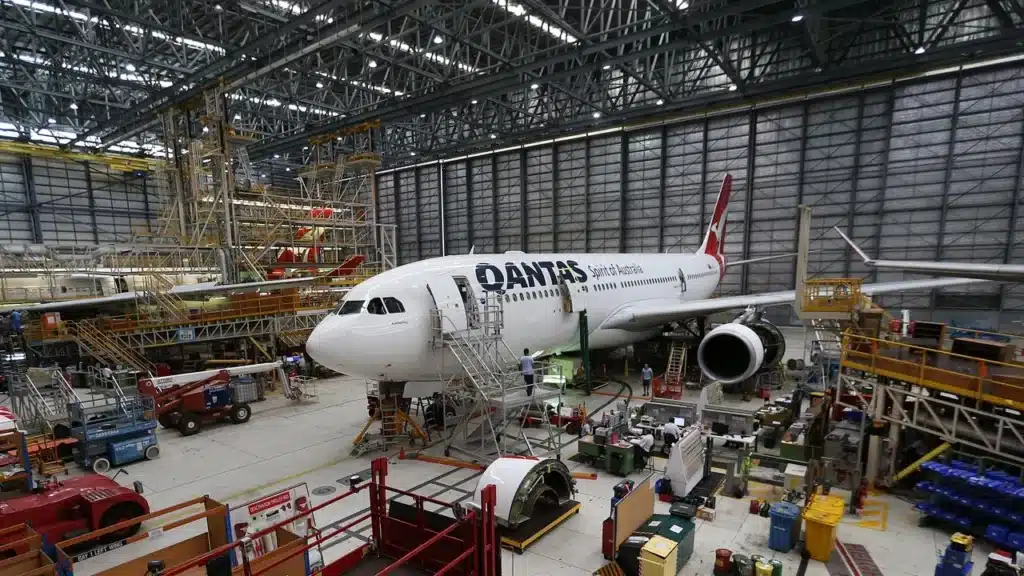
Qantas AME Salary in 2026
Qantas aircraft maintenance engineer salary figures reflect the high level of responsibility, certification requirements, and expertise these professionals bring. Salaries in Australia are fully taxable but remain stable and backed by strong union agreements.
Pay structure at Qantas generally follows a predictable progression based on experience, aircraft type ratings, and additional certifications. Unlike some Middle Eastern airlines, base salaries represent the primary compensation without significant tax-free components.
Entry to Mid-Level AME Salaries
Starting AMEs at Qantas, typically those recently licensed or with limited experience on commercial aircraft, earn in the region of AUD $95,000 to AUD $110,000 per year before tax. This represents the baseline for professionals holding CASA Part 66 licenses but still building experience.
These entry-level positions often involve working on smaller aircraft types initially, with progression to larger aircraft as experience accumulates and additional type ratings are obtained.
Experienced AME Salaries
As engineers gain experience and obtain type ratings on additional aircraft, salaries increase steadily. Mid-career AMEs with several years of experience typically earn AUD $110,000 to AUD $130,000 annually.
More experienced AMEs, particularly those working on widebody aircraft like the Airbus A330 or Boeing 787, often earn in the range of AUD $115,000 to AUD $130,000 annually. Widebody type ratings generally command premium compensation due to increased complexity and operational criticality.
Senior And Supervisory AME Salaries
Senior engineers or those in supervisory roles overseeing teams of technicians and junior engineers can earn AUD $135,000 to AUD $145,000 per year. These positions typically require extensive experience, multiple type ratings, and demonstrated leadership capability.
The most experienced AMEs at Qantas, particularly those with supervisory responsibilities or specializing in complex aircraft systems, can earn salaries crossing AUD $120,000 annually with overtime and shift allowances potentially adding further to total compensation.
Qantas Technician Salary in 2026
Aviation technician salaries at Qantas are naturally lower than AME compensation but remain fairly solid within Australia’s aviation sector. The Qantas technician salary structure reflects the hands-on nature of the work and the supervision requirements.
Entry-Level Technician Salaries
Entry-level technicians at Qantas, particularly those coming out of apprenticeships or with minimal aviation maintenance experience, typically start in the region of AUD $55,000 to AUD $65,000 per year.
These positions provide crucial foundational experience. Many technicians join through apprenticeship programs and gradually move up within the organization as they gain skills and certifications.
Experienced Technician Salaries
As technicians gain experience and become more proficient, salaries generally rise to about AUD $70,000 to AUD $85,000 annually. More experienced technicians, especially those with several years in line maintenance or heavy maintenance roles, can earn in the region of AUD $85,000 to AUD $95,000 per year, sometimes slightly more with overtime.
The overall technician salary range at Qantas typically falls between AUD $60,000 and AUD $90,000 depending on experience, shift patterns, and specific maintenance areas.
Pathway To Higher Earnings
However, moving beyond this level involves transitioning into a licensed AME role. That jump remains the biggest step up in both salary and professional responsibility within Qantas Engineering. The pathway requires obtaining CASA Part 66 licenses and demonstrating competency across multiple aircraft systems.
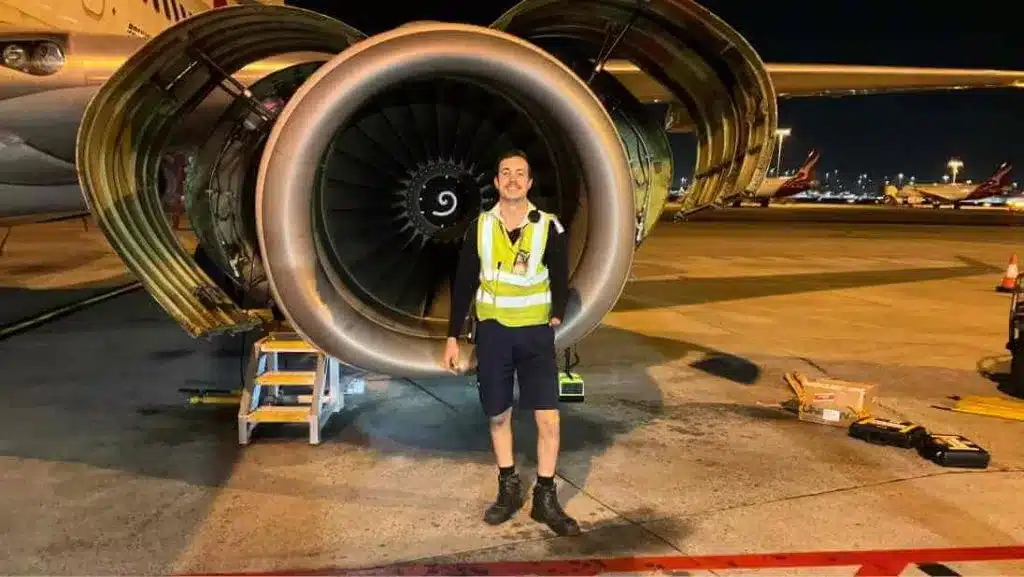
AME vs Technician – Salary Comparison
Understanding the salary differential between AMEs and technicians at Qantas requires examining both compensation and responsibility levels. The comparison table illustrates these differences clearly:
| Role | Salary Range (AUD) | Primary Responsibility | Certification |
|---|---|---|---|
| Entry AME | $95,000 – $110,000 | Aircraft certification authority | CASA Part 66 License |
| Mid-Level AME | $110,000 – $130,000 | Complex systems, supervision | Multiple type ratings |
| Senior AME | $135,000 – $145,000 | Team leadership, complex aircraft | Extensive experience + ratings |
| Entry Technician | $55,000 – $65,000 | Hands-on maintenance tasks | Diploma/apprenticeship |
| Experienced Technician | $70,000 – $85,000 | Complex repairs, support AMEs | Years of practical experience |
AMEs earn significantly more than technicians—often AUD $40,000 to AUD $60,000 more annually at equivalent experience levels. This differential reflects the certification authority, legal responsibility, and extensive training requirements for AME positions.
Requirements To Work At Qantas Engineering
Getting into Qantas Engineering requires both technical qualifications and relevant experience. The airline maintains high standards reflecting its safety reputation and operational excellence.
Basic Requirements For All Positions
Fundamental qualifications include:
- Diploma or degree in aircraft maintenance or aeronautical engineering
- Strong understanding of aircraft systems and maintenance procedures
- Good English communication skills for technical documentation and safety reporting
- Ability to work shifts, including overnight duties and weekend rotations
For Aircraft Maintenance Technicians
Technician-specific requirements:
- Diploma or vocational training in aircraft maintenance
- Practical experience in aviation maintenance (often through apprenticeships)
- Basic certifications or apprenticeship background
- Strong hands-on technical ability with tools and equipment
Many technicians join Qantas through apprenticeship programs and gradually move up within the organization. This pathway provides both training and guaranteed employment progression.
For Aircraft Maintenance Engineers (AME)
AME positions require significantly more:
- CASA Part 66 Aircraft Maintenance License (absolutely required)
- Type rating on aircraft such as Boeing 737, A330, or 787 (preferred)
- Several years of practical experience in aviation maintenance
- Ability to certify aircraft as airworthy under regulatory authority
Without a CASA license, you cannot work as a certifying engineer in Australia. This represents the single most important qualification difference between technicians and AMEs.
The pathway to CASA licensing typically involves completing approved training programs, accumulating required supervised maintenance hours, and passing rigorous examinations covering aircraft systems, regulations, and safety procedures.
Career Growth And Salary Progression
Understanding career progression at Qantas helps clarify long-term earning potential and professional development opportunities. The pathway from technician to senior AME follows a generally predictable pattern.
Technician To Engineer Transition
The most significant career jump involves moving from technician to licensed AME. This transition typically requires:
- Obtaining CASA Part 66 licenses through approved training programs
- Accumulating required practical experience (typically 3-5 years)
- Passing comprehensive examinations on aircraft systems
- Demonstrating competency across multiple maintenance areas
Once licensed, the salary increase can reach AUD $30,000 to AUD $45,000 annually compared to experienced technician positions. This makes the investment in licensing financially worthwhile for committed aviation professionals.
Certification Impact On Earnings
Additional aircraft type ratings directly impact earning potential. AMEs holding multiple type ratings—particularly on widebody aircraft like the A330, A380, or 787—command higher salaries reflecting their broader capability and operational value.
Each additional type rating typically adds AUD $5,000 to AUD $10,000 to annual earning potential, with widebody certifications generally valued higher than narrowbody ratings.
Widebody Aircraft Advantage
Working on widebody aircraft typically offers salary premiums. These aircraft involve more complex systems, higher passenger capacity creating greater operational criticality, and often international routes where aircraft availability matters enormously.
AMEs certified on A330s or 787s typically earn toward the higher end of salary ranges—AUD $115,000 to AUD $130,000 or more—reflecting this specialization value.
Supervisory And Management Progression
Senior engineers moving into supervisory or management roles can reach the AUD $135,000 to AUD $145,000+ range. These positions require not just technical expertise but also team leadership, resource management, and operational planning capabilities.
The pathway from entry-level technician to senior AME typically spans 10-15 years, representing a salary progression from roughly AUD $55,000 to potentially AUD $145,000+—nearly tripling earning potential through certification, experience, and specialization.

Benefits And Perks At Qantas
Salary represents only part of total compensation. Qantas offers structured employment packages that add significant value beyond base pay, enhancing the overall attractiveness of engineering positions.
Typical benefits package includes:
- Staff travel benefits and heavily discounted flights for employees and families
- Annual leave and paid holidays following Australian employment standards
- Superannuation (retirement contributions) as required by law, often with employer contributions
- Health and wellness programs including gym memberships and health assessments
- Union-backed job security through collective bargaining agreements
- Training and career progression opportunities including type rating sponsorship
While salaries are taxed, these benefits add stability and long-term value. The structured pay, strong job security, and consistent career progression make Qantas Engineering one of the more stable paths in Australian aviation.
Staff travel benefits deserve special mention. Being able to fly domestically and internationally at heavily discounted rates provides significant lifestyle value that cash compensation alone doesn’t capture.
How Qantas Salaries Compare Globally
Understanding Qantas compensation requires global context. How do Australian aviation maintenance salaries compare with opportunities in other major aviation markets?
Versus Middle Eastern Airlines
Middle Eastern carriers like Emirates, Qatar Airways, and Etihad often advertise higher headline salaries. However, these typically come as tax-free packages, which changes the comparison significantly.
An AME at a Middle Eastern carrier might earn USD $70,000 to $90,000 tax-free, which appears attractive. However, this comes with higher living costs in cities like Dubai, limited job security protections, and often more demanding work schedules.
Qantas AMEs earning AUD $120,000+ annually in Australia face income tax reducing take-home pay. But they gain stronger employment protections, union backing, superannuation contributions building retirement savings, and quality of life factors many professionals value.
Versus European Airlines
European AME salaries vary widely by country. UK-based engineers at British Airways or Virgin Atlantic typically earn £40,000 to £60,000 (roughly AUD $75,000 to $115,000), broadly comparable to Qantas when adjusted for cost of living and purchasing power.
German and Scandinavian salaries tend higher but come with higher living costs and taxation. The Australian aviation market remains competitive globally when total compensation and lifestyle factors are considered.
Versus United States Airlines
US aviation maintenance salaries vary significantly by airline and location. Major carriers like Delta, American, and United pay experienced AMEs (called A&P mechanics in the US) roughly USD $70,000 to $95,000 annually, with top earners exceeding $100,000.
Adjusted for exchange rates and purchasing power, Qantas salaries remain broadly competitive with US counterparts, particularly when factoring in healthcare costs that US workers often bear but Australian workers don’t.
The take-home may feel less in heavily taxed markets like Australia, but the stability and structured pay progression arguably make up for it. It’s one of the highest-paying, most stable aviation maintenance jobs globally that still matters quite a bit.
Is It Worth Working At Qantas?
The value proposition of Qantas engineering careers depends heavily on individual priorities, career stage, and long-term goals. Several factors merit consideration.
Clear advantages include:
- Stable employment with strong union protections and job security
- Structured career progression from technician through senior AME roles
- Competitive salaries within the Australian aviation market
- Comprehensive benefits including staff travel and superannuation
- Working on modern, well-maintained aircraft fleet
- Professional reputation that Qantas engineering experience provides
Potential drawbacks:
- Salaries are fully taxable, reducing take-home compared to some international options
- Shift work including nights and weekends affects work-life balance
- Salary progression requires obtaining expensive certifications and licenses
- Australian cost of living can be high, particularly in Sydney and Melbourne
For many aviation professionals, working as an Aircraft Maintenance Engineer or Technician at Qantas in 2026 offers a stable, well-respected career path within the aviation industry. The airline may not offer tax-free salaries like Middle Eastern carriers, but it makes up for it with structured pay, strong job security, and consistent career progression.
AMEs earning significantly more due to their certification authority—often crossing AUD $120,000 annually-while technicians remain in the AUD $60,000 to AUD $90,000 range. The pathway is clear: technicians who obtain licenses can move into engineer roles and see substantial salary increases over time.
The decision ultimately depends on weighing take-home pay against job security, lifestyle factors, and long-term career prospects. For professionals valuing stability over maximum short-term earnings, Qantas engineering presents a compelling option within the global aviation maintenance landscape.
Frequently Asked Questions
What is the difference between an AME and a technician at Qantas?
An AME (Aircraft Maintenance Engineer) is a licensed professional who can certify aircraft as airworthy for flight under CASA regulations, while a technician performs maintenance tasks under supervision and does not usually have certification authority.
AMEs hold CASA Part 66 licenses and can sign off aircraft for return to service. Technicians focus on hands-on execution of repairs and maintenance but require AME oversight for aircraft release. This fundamental difference drives the significant salary gap between the two roles.
How much is Qantas AME salary after tax in Australia?
Qantas salaries in Australia are fully taxable, which reduces take-home pay compared to tax-free Middle Eastern packages. An AME earning AUD $110,000 per year would take home roughly AUD $81,000 to $85,000 after tax, depending on specific deductions and circumstances.
Senior AMEs earning AUD $135,000 annually take home approximately AUD $98,000 to $102,000. These figures assume standard tax rates and don’t account for overtime or shift allowances that can increase total compensation. Income tax reduces gross salary significantly, but base salaries remain generally stable and backed by strong union agreements, which means consistent increments over time rather than sudden jumps.
Can a technician become an AME at Qantas?
Yes, technicians can progress into AME roles by obtaining a CASA Part 66 license and gaining the required experience. This pathway typically requires completing approved training programs, accumulating practical maintenance hours under supervision, and passing comprehensive examinations on aircraft systems.
The process usually takes 3-5 years and represents the most significant career advancement opportunity in aviation maintenance. Once licensed, former technicians see substantial salary increases—often AUD $30,000 to $45,000 more annually—making the investment in licensing financially worthwhile for committed professionals.
How long does it take to become an AME in Australia?
Becoming an AME typically requires 3-5 years minimum from starting as a technician or completing an aviation maintenance diploma. The pathway involves obtaining approved qualifications (diploma or degree in aircraft maintenance), accumulating required practical experience hours (typically 2-3 years of documented work), completing CASA Part 66 training modules, and passing rigorous examinations.
Some candidates enter through apprenticeship programs which combine training with practical experience. The timeline varies based on prior qualifications, work experience, and how quickly candidates complete required modules and examinations.
What aircraft do Qantas AMEs work on?
Qantas AMEs work on a mixed fleet including Boeing 737s (narrowbody domestic), Airbus A330s (widebody domestic and regional international), Boeing 787 Dreamliners (long-haul international), and Airbus A380s (flagship long-haul).
Type ratings on widebody aircraft like the A330 or 787 generally command higher salaries due to increased complexity and operational criticality. AMEs often specialize in specific aircraft types, with additional type ratings adding to earning potential and career flexibility within the organization.
Are Qantas engineering salaries increasing in 2026?
Qantas engineering salaries are backed by union agreements that typically include regular incremental increases. While exact 2026 increase percentages depend on ongoing negotiations and economic conditions, historical patterns show consistent annual adjustments aligned with inflation and industry standards.
Union-backed agreements mean salary progression follows predictable patterns rather than sudden jumps. Engineers can expect modest annual increases (typically 2-4%) plus progression through experience-based pay scales as they gain certifications and seniority.
Do Qantas AMEs get overtime pay?
Yes, Qantas AMEs and technicians receive overtime pay for hours beyond standard shifts, typically at premium rates (time-and-a-half or double-time depending on circumstances). Shift work, weekend work, and public holiday work generally attract additional allowances beyond base salary.
These overtime opportunities can add AUD $10,000 to $20,000+ annually to total compensation for engineers willing to work additional hours, particularly during peak operational periods or aircraft on ground (AOG) situations requiring urgent maintenance.
Conclusion
Working as an Aircraft Maintenance Engineer or Technician at Qantas in 2026 offers a stable, well-respected career path within the aviation industry. While the airline may not offer tax-free salaries like some Middle Eastern carriers, it compensates through structured pay, strong job security, and consistent career progression opportunities.
The salary differential between AMEs and technicians—often AUD $40,000 to $60,000 annually—clearly demonstrates the value of obtaining CASA Part 66 licensing. For technicians willing to invest in certification, the pathway to substantially higher earnings exists and remains achievable.
Qantas engineering represents one of the highest-paying, most stable aviation maintenance career options in Australia and remains competitive globally when factoring in total compensation, benefits, and quality of life considerations. The clear progression from entry-level technician (AUD $55,000-$65,000) through to senior AME (AUD $135,000-$145,000+) demonstrates genuine long-term earning potential.
For aviation professionals prioritizing job security, professional development, and working for a globally recognized carrier, Qantas engineering careers deserve serious consideration despite the fully taxable nature of Australian salaries.