
Airspace closures triggered by geopolitical conflicts have created one of the most dramatic reshufflings of competitive advantage in modern aviation history. Airlines that spent decades building route networks around specific geographic corridors saw their strategies collapse overnight, while competitors previously at a disadvantage suddenly gained billions in market share.
The question of which airlines are most affected by airspace closures reveals fundamental truths about geography, business strategy, and the fragile interdependence between commercial aviation and international relations.
Some carriers face existential challenges from closures that eliminate their core competitive advantages. Others capitalize on restrictions that redirect traffic through their hubs, transforming geopolitical crises into unexpected opportunities.
Why Airspace Closures Disrupt Airline Networks
Commercial airlines build route networks based on geographic positioning, market demand, and operational efficiency. Hub locations determine which routes work economically, which aircraft types make sense, and ultimately which markets an airline can serve profitably.
When major airspace corridors close, these carefully constructed networks face instant obsolescence. Routes planned around shortest-distance great circle paths become impossible. Aircraft selected for specific range requirements suddenly lack the capability to operate alternative routings according to ICAO safety guidelines.
The Russia-Ukraine war triggered the most significant disruption. Russia banned airlines from 35+ countries, while those nations reciprocally closed airspace to Russian carriers. Approximately 360,000 annual flights that previously crossed Russian territory required immediate rerouting.
Middle East conflicts compound the challenge. Syrian airspace closure since 2011, periodic Iraqi restrictions, Yemen conflict zones, and Israeli-Palestinian tensions create a patchwork of unavailable corridors across regions critical for Europe-Asia and transcontinental connectivity.
Airlines depend on predictable access to airspace. International aviation treaties establish overflight rights, but geopolitical conflicts override these agreements. When access disappears, airlines must instantly restructure operations designed for stability and long-term planning.
Airlines Most Affected By Airspace Closures
European carriers with Asia-focused networks face the most severe operational and financial consequences from current airspace restrictions. Their geographic position forces dependence on corridors through Russia or complex southern detours that fundamentally alter route economics to Asia.
Finnair – The Hardest Hit
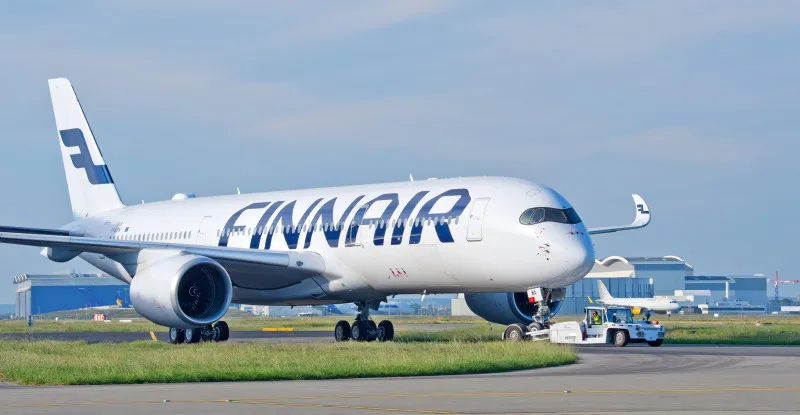
No airline suffered more catastrophic impact than Finnair. The Finnish carrier built its entire business model around Helsinki’s geographic position as the shortest Europe-Asia gateway.
Before Russian airspace closure, Finnair’s Helsinki-Tokyo route took approximately 9 hours direct across Siberia. The same flight now requires 13 hours via polar routing over Alaska and Canada, adding 2,137 nautical miles (3,960 kilometers) to the journey.
Finnair’s Helsinki-Beijing service increased from roughly 8 hours to 11 hours, adding 1,729 nautical miles (3,200 kilometers). The airline’s competitive advantage evaporated instantly. Passengers who previously chose Finnair for fast Europe-Asia connections now face journey times matching or exceeding competitors flying from London, Frankfurt, or Paris.
The financial impact devastated operations. Finnair reported losses exceeding 400 million euros in 2022-2023 as Asia revenue collapsed. The airline suspended multiple Asian destinations, reduced frequencies on remaining routes, and restructured its fleet strategy around European and transatlantic operations instead of Asian connectivity.
Lufthansa Group
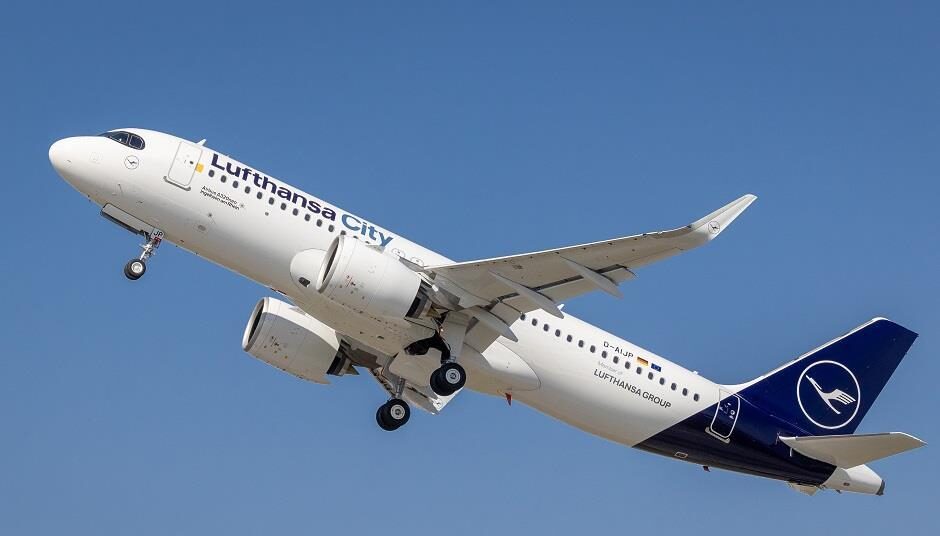
Lufthansa Group carriers (Lufthansa, Swiss, Austrian Airlines, Brussels Airlines) operate extensive Asia networks from central European hubs. Frankfurt and Munich serve as major Europe-Asia gateways, with routes to Tokyo, Seoul, Beijing, Shanghai, Singapore, Bangkok, and other Asian cities.
Russian airspace closure added 2-3 hours to most Lufthansa Asia routes. Frankfurt-Tokyo increased from approximately 11 hours to 13.5 hours. Munich-Seoul went from 10 hours to 12.5 hours. These extensions require different aircraft assignments, more fuel capacity, and often augmented crew.
The Group faces annual additional costs exceeding 500 million euros from rerouting, including extra fuel burn, crew expenses, and reduced aircraft utilization. Lufthansa lost market share to Chinese carriers that maintain Russian overflight rights and offer shorter, cheaper connections.
British Airways
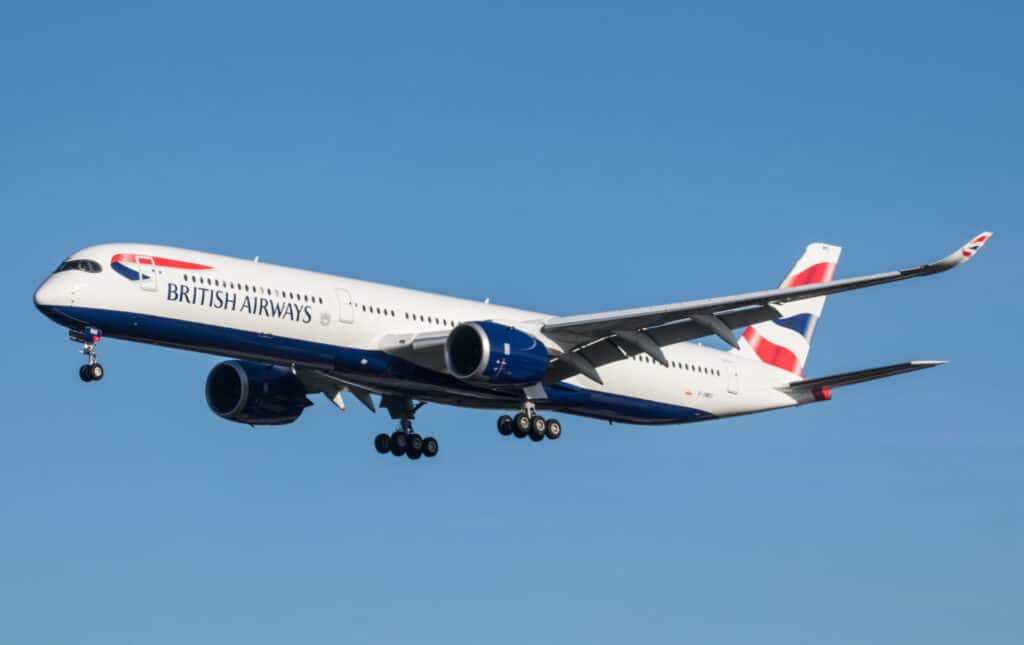
British Airways operates significant Asia capacity from London Heathrow, serving Tokyo, Seoul, Beijing, Shanghai, Singapore, Hong Kong, and other destinations. Russian restrictions forced major route restructuring.
London-Tokyo flights increased from roughly 12 hours to 14.5 hours, now crossing the Pacific via Alaska rather than Siberia. London-Beijing went from 10 hours to approximately 12 hours using southern routing through Central Asia.
British Airways faced particular challenges with China routes. While Chinese carriers fly directly over Russia, BA must route south through Kazakhstan, adding significant distance and fuel costs. The carrier reduced Beijing and Shanghai frequencies, focusing capacity on more profitable routes less affected by closures.
Air France-KLM
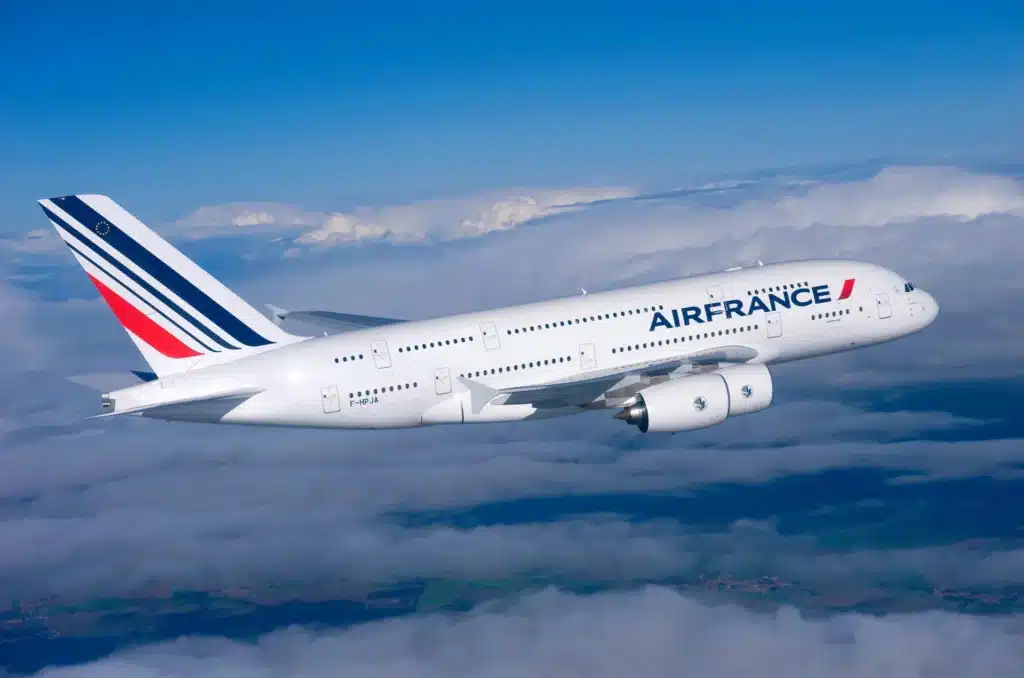
The Franco-Dutch carrier group operates extensive Asian networks from Paris Charles de Gaulle and Amsterdam Schiphol hubs. Both hubs serve major Asian cities including Tokyo, Seoul, Beijing, Shanghai, Singapore, and Bangkok.
Paris-Tokyo increased from 11.5 hours to approximately 14 hours via polar routing. Amsterdam-Beijing went from 9.5 hours to 11.5 hours using southern corridors through Turkey and Central Asia. These changes required fleet reoptimization and schedule adjustments across the entire network.
Air France-KLM estimates annual additional costs of 300-400 million euros from Russian airspace restrictions. The group accelerated sustainable aviation fuel adoption partly to offset increased fuel consumption from longer routes.
Japanese Airlines
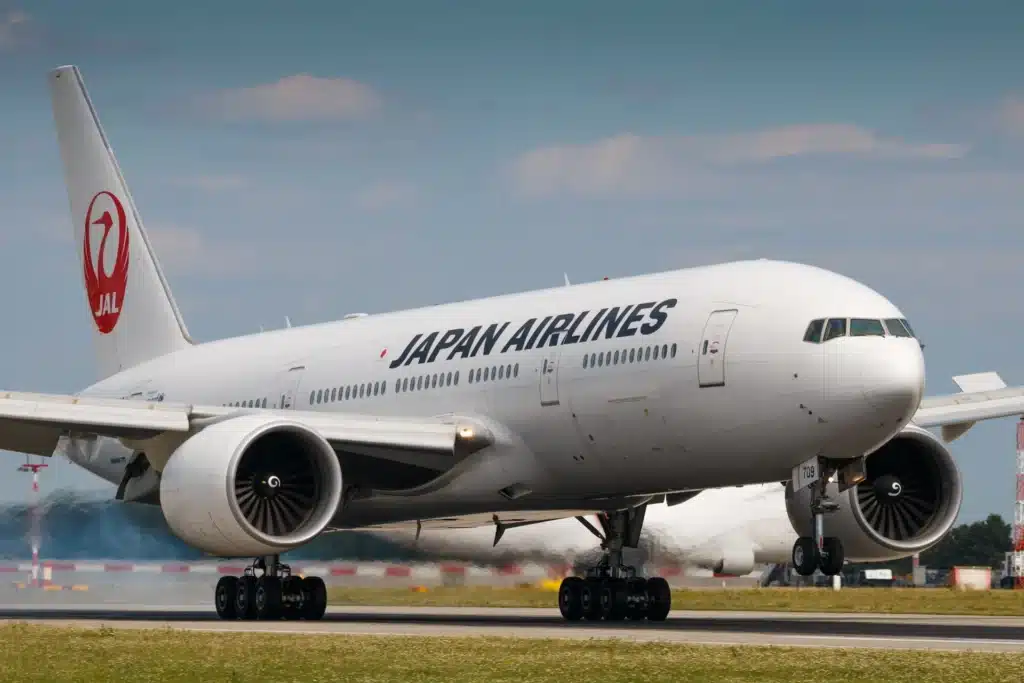
Japan Airlines (JAL) and All Nippon Airways (ANA) operate extensive European networks from Tokyo Narita and Haneda. Both carriers face significant challenges serving European destinations without Russian airspace access.
JAL’s Tokyo-London route increased from 12 hours 12 minutes to 14 hours 38 minutes, adding over 2 hours to the journey. The flight now crosses the Pacific Ocean, Alaska, northern Canada, and Greenland rather than Siberia – a vastly longer routing.
ANA faces similar challenges. Tokyo-Frankfurt went from approximately 11.5 hours to 13.5-14 hours. Both carriers reduced European frequencies and focused more capacity on North American and Southeast Asian routes where Russian airspace plays no role.
| Airline | Primary Hub(s) | Key Affected Routes | Time Increase | Impact Severity |
|---|---|---|---|---|
| Finnair | Helsinki | Helsinki-Tokyo, Helsinki-Beijing, all Asia routes | +3-4 hours | CRITICAL |
| Lufthansa Group | Frankfurt, Munich, Zurich, Vienna, Brussels | Germany-Tokyo/Seoul/Beijing/Shanghai | +2-3 hours | SEVERE |
| British Airways | London Heathrow | London-Tokyo/Beijing/Shanghai/Seoul | +2-2.5 hours | SEVERE |
| Air France-KLM | Paris CDG, Amsterdam Schiphol | Paris/Amsterdam-Tokyo/Beijing/Seoul | +2-3 hours | SEVERE |
| JAL | Tokyo Narita/Haneda | Tokyo-London/Paris/Frankfurt | +2-2.5 hours | SEVERE |
| ANA | Tokyo Narita/Haneda | Tokyo-London/Paris/Frankfurt/Munich | +2-2.5 hours | SEVERE |
Airlines That Benefit From Airspace Closures
While European and Japanese carriers struggle, other airlines gained substantial competitive advantages from the same restrictions that devastated their competitors.
Chinese Airlines
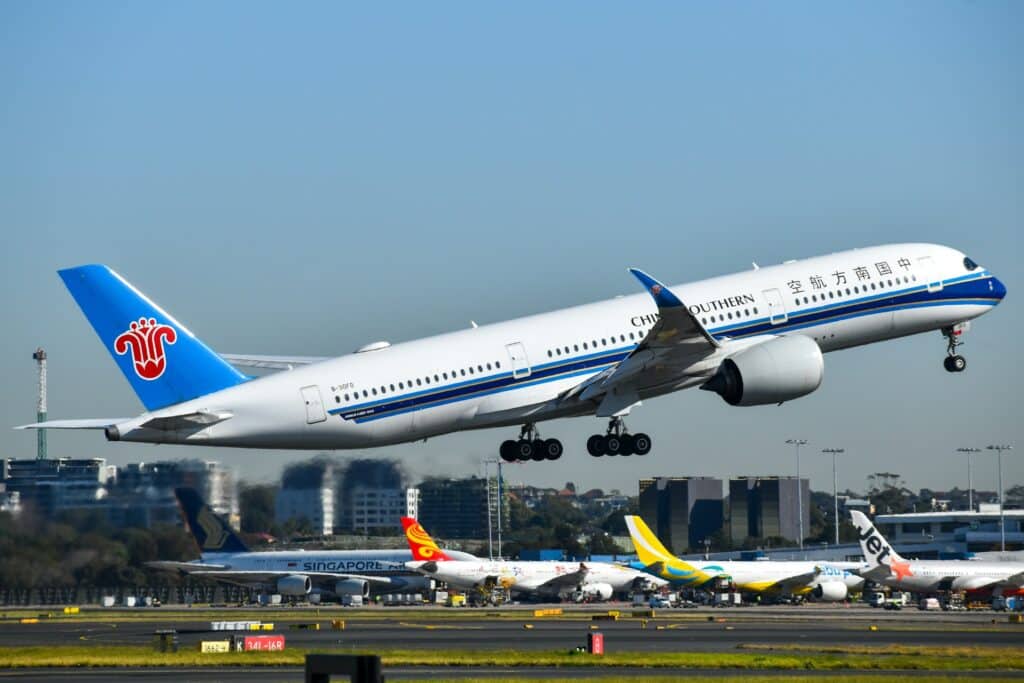
Chinese carriers represent the biggest winners from Russian airspace restrictions. Air China, China Eastern, China Southern, and Hainan Airlines all maintain full access to Russian airspace for Europe-bound flights.
While British Airways flies London-Beijing in 12 hours via southern routing, China Southern completes Beijing-London in under 10 hours flying directly over Russia. This 2+ hour advantage translates to lower fuel costs, better aircraft utilization, and the ability to offer cheaper fares.
Chinese carriers offer tickets 5-35% cheaper than European competitors on many Europe-Asia routes while providing faster service. Market share shifted dramatically, with Chinese airlines capturing passengers who previously flew Lufthansa, British Airways, or Air France due to both price and time advantages.
The strategic benefit extends beyond individual routes. Chinese carriers expanded European networks, adding frequencies and destinations while European competitors reduced Asia capacity. Air China, China Eastern, and China Southern all increased London, Paris, and Frankfurt services during 2022-2024 while European carriers cut back.
Middle Eastern Carriers

Emirates, Qatar Airways, and Etihad Airways benefit from geographic positioning that avoids Russian airspace entirely for most routes. Dubai, Doha, and Abu Dhabi sit at the crossroads between Europe and Asia, offering natural connection points.
These carriers already operated extensive Europe and Asia networks. Airspace closures strengthened their hub strategies by making one-stop connections through Middle Eastern hubs more competitive against declining European nonstop services.
A passenger traveling London to Singapore previously chose between British Airways nonstop or Emirates via Dubai. When BA’s nonstop became longer and more expensive due to rerouting, the Emirates connection became relatively more attractive despite the connection time.
Middle Eastern carriers also avoid polar routing challenges. Their geographic position allows southern corridor routing that European carriers must use, but without the distance penalties European hubs face. Dubai-Tokyo or Doha-Seoul routes operate efficiently without Russian airspace dependency.
Turkish Airlines
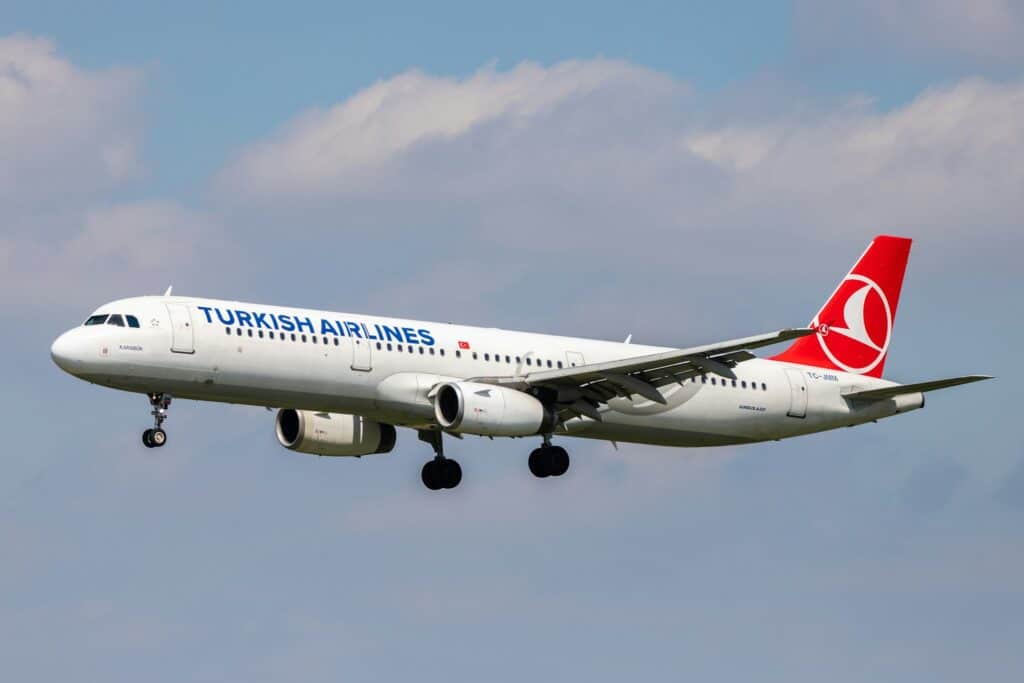
Turkish Airlines occupies a unique position. The carrier can fly over Russia for Asian destinations while also serving as a natural Europe-Asia connection point through Istanbul.
Istanbul’s location provides the shortest route between many European cities and Middle Eastern or Asian destinations without requiring Russian airspace. Routes to India, Central Asia, and Southeast Asia all benefit from Turkey’s geographic advantage.
Turkish Airlines expanded aggressively during 2022-2024, adding European and Asian frequencies as competitors struggled. The carrier operates one of the world’s most extensive route networks, and airspace restrictions enhanced rather than diminished its hub strategy.
Air India
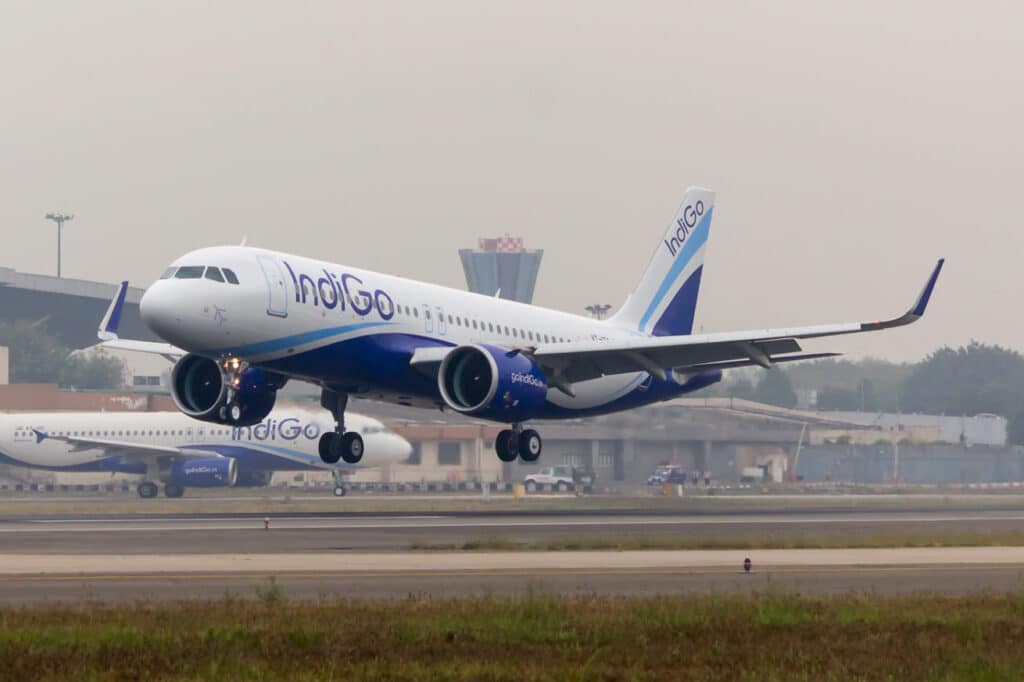
Air India maintains Russian overflight rights for North American routes. While this provides less advantage than Chinese carriers gain on Europe routes, it offers competitive positioning against European carriers.
Delhi-London, Mumbai-London, and other India-Europe routes operate normally without Russian restrictions. Air India faces challenges on some routings but overall benefits from maintaining access while competitors lost theirs.
The carrier’s ongoing expansion and fleet modernization, combined with unrestricted routing options, positions it advantageously against European competitors struggling with longer Asia routes and higher costs.
| Airline/Group | Strategic Advantage | Competitive Gain | Market Impact |
|---|---|---|---|
| Chinese Airlines | Full Russian overflight access | 2-4 hour time advantage, 5-35% lower fares | MAJOR WINNER |
| Emirates | Dubai hub position, no Russia dependency | One-stop connections more competitive | WINNER |
| Qatar Airways | Doha hub position, efficient routing | Increased Europe-Asia traffic | WINNER |
| Turkish Airlines | Can use Russia + natural hub location | Network expansion opportunity | WINNER |
| Air India | Maintains Russian overflight for some routes | Competitive against restricted carriers | MODERATE WINNER |
How Flight Routes Are Changing
Airspace closures forced airlines to adopt three primary rerouting strategies, each with distinct operational requirements and cost implications.
Southern corridor routing sends flights through Turkey, the Caspian Sea region, and Central Asia. European carriers use this path for routes to China, Southeast Asia, and sometimes India. The routing adds 1,000-2,000 nautical miles depending on destination but keeps aircraft over land with established air traffic control and diversion options.
Airlines coordinate with Turkish, Azerbaijani, Kazakh, and other Central Asian authorities to manage increased traffic through these corridors. Air traffic density increased substantially in Turkish airspace as hundreds of daily flights rerouted from Russia, according to IATA industry data.
Polar routing crosses the Arctic Ocean, northern Canada, Alaska, and Greenland. This strategy works for specific city pairs like Helsinki-Tokyo or London-Tokyo where polar paths avoid both Russian airspace and excessive southern detours.
Polar routes require specialized long-range aircraft like the Airbus A350 and Boeing 787 with extended twin-engine operations (ETOPS) certification. Limited diversion airports in Arctic regions create operational challenges, and extreme weather can force last-minute route changes.
Hub connections replace some nonstop services entirely. Passengers previously flying nonstop now connect through Middle Eastern hubs, adding 2-4 hours total travel time but using airlines unaffected by restrictions.
The Financial Impact On Airlines
Airspace closures generate multiple cost categories that severely impact airline profitability and competitive positioning.
Fuel consumption increases dramatically. A typical Europe-Asia widebody flight avoiding Russia burns 8,000-12,000 additional liters of jet fuel compared to direct routing. At current fuel prices ($86-90 per barrel), this represents $5,500-8,000 extra cost per flight.
For airlines operating these routes daily, annual additional fuel expense per route reaches $2-3 million. Across an entire Asia network, major European carriers face $300-500 million in annual extra fuel costs from rerouting alone.
Crew costs increase with extended flight times. Routes crossing maximum duty limits require augmented crews, adding 2-4 pilots to ultra-long sectors. Crew positioning becomes more complex when flights that previously same-day return now need overnight layovers.
Per diem expenses, hotel costs, and salary premiums for extended duty periods add millions annually. Airlines also face crew scheduling challenges when longer flights compress daily aircraft rotations and reduce crew productivity.
Aircraft utilization declines substantially. When a 10-hour flight becomes 13 hours, the same aircraft completes fewer daily rotations. This requires additional aircraft to maintain schedule frequency or forces reduced service levels.
European carriers invested billions in new widebody aircraft partly to offset utilization losses. More aircraft means higher capital costs through leasing or financing, compounding the economic damage from restrictions.
Maintenance intervals compress. Additional flight hours accelerate maintenance check schedules, engine overhauls, and component replacements. Aircraft reach scheduled maintenance faster, requiring larger spare fleets and higher annual maintenance budgets.
What It Means For Passengers
Travelers on affected routes experience tangible impacts across multiple dimensions of their journey.
Journey times increased substantially. Europe-Asia routes now take 2-4 hours longer each direction. A round trip from London to Tokyo previously required 24 hours flying time now exceeds 29 hours airborne. Business travelers lose productivity, while leisure passengers face extended time away from home on ultra-long-haul flights.
Ticket prices rose significantly. Airlines pass increased costs to consumers through higher fares. Europe-Asia economy tickets increased 8-15% on many routes following Russian closure. Business class premiums rose even more sharply as airlines try to maintain profitability on longer, more expensive operations.
Chinese carriers offering lower fares force European carriers into difficult choices between matching prices (accepting losses) or maintaining yields (losing passengers). Many European carriers chose capacity reduction over unsustainable pricing.
Direct routes disappeared. Airlines canceled numerous nonstop services when rerouting made them uneconomical. Passengers who enjoyed convenient direct flights now connect through hubs, adding 2-4 hours total travel time including connection periods.
Finnair suspended multiple Asian destinations entirely. Lufthansa reduced frequencies on China routes. British Airways cut back Japan services. Travelers face fewer options and less convenient schedules across Europe-Asia markets.
Service quality declined on ultra-long sectors. Flights exceeding 13-14 hours strain cabin crew, reduce meal service quality as galleys reach capacity limits, and test passenger comfort as aircraft operate near maximum range with minimal schedule buffer.
Could These Airspace Closures Last For Years?
Aviation industry planning increasingly treats current airspace restrictions as permanent rather than temporary disruptions.
Russian airspace reopening requires resolution of the Ukraine conflict and removal of international sanctions. Neither appears imminent. Russia shows no interest in partial reopening, demanding full sanctions removal before considering aviation access restoration.
Western governments maintain that aviation restrictions remain until broader geopolitical resolution. The reciprocal nature of bans means both sides must agree to reopening, creating a diplomatic deadlock with no clear resolution path.
Airlines plan aircraft orders, route networks, and hub strategies assuming current restrictions persist through 2030 and beyond. Boeing and Airbus see increased demand for ultra-long-range, fuel-efficient widebodies designed for extended routing rather than direct paths.
Even if political circumstances change, damaged relationships and precedent of politically-motivated airspace bans suggest reopening would be gradual rather than immediate restoration of pre-2022 access.
The new reality reshapes competitive dynamics for decades. Airlines in geopolitically neutral countries or those maintaining access enjoy structural advantages that persist regardless of specific conflict resolution.
Frequently Asked Questions
Which airline is most affected by Russian airspace closure?
Finnair faces the most catastrophic impact from Russian airspace closure. The Finnish carrier built its entire business model around Helsinki’s position as the shortest Europe-Asia gateway via Siberia. Helsinki-Tokyo increased from 9 hours to 13 hours (+2,137 miles), and Helsinki-Beijing went from 8 hours to 11 hours (+1,729 miles). Finnair’s competitive advantage evaporated instantly, causing over 400 million euros in losses during 2022-2023 and forcing major network restructuring away from its historical Asia focus.
Why do some airlines still fly over Russia?
Chinese airlines (Air China, China Eastern, China Southern, Hainan), Turkish Airlines, Air India, and carriers from countries that did not impose sanctions maintain Russian overflight rights. Russia’s reciprocal ban only affects airlines from the 35+ countries that closed their airspace to Russian carriers. Chinese carriers gained massive competitive advantages, offering 2-4 hour time savings and 5-35% lower fares on Europe-Asia routes compared to Western carriers forced into longer detours.
Why are Europe-Asia flights longer now?
Europe-Asia flights are longer because airlines must route around closed Russian airspace using southern corridors through Turkey and Central Asia or polar routes over the Arctic Ocean. These detours add 1,000-2,000 nautical miles to many routes. London-Beijing increased from 10 hours to 12 hours, Paris-Tokyo went from 11.5 hours to 14 hours, and Frankfurt-Seoul increased from 10 hours to 12.5 hours. The closures eliminated the most direct great circle routes over Siberia.
How do airspace bans affect ticket prices?
Airspace bans increase ticket prices 8-15% on affected routes as airlines pass extra costs to consumers. Longer routes burn $5,500-8,000 additional fuel per flight, require extra crew, reduce aircraft utilization, and accelerate maintenance schedules. Airlines face $300-500 million annual additional costs across Asia networks. Chinese carriers maintaining Russian access can offer lower fares, forcing European carriers to choose between matching prices (accepting losses) or maintaining yields (losing market share).
Which airlines benefit from the Russian airspace ban?
Chinese airlines benefit most, maintaining full Russian access while Western competitors face restrictions. Air China, China Eastern, China Southern, and Hainan offer faster, cheaper Europe-Asia service and have captured significant market share. Middle Eastern carriers (Emirates, Qatar Airways, Etihad) benefit as their hub strategies become more competitive against degraded European nonstop services. Turkish Airlines benefits from both Russian access and geographic positioning as a natural Europe-Asia connection point.
Will European airlines recover their Asia market share?
European airlines are unlikely to fully recover Asia market share lost to Chinese and Middle Eastern carriers while airspace restrictions persist. Structural disadvantages of 2-4 hour longer routes and substantially higher costs create competitive gaps that cannot be closed through operational efficiency alone. Even if Russian airspace eventually reopens, years of market share erosion, network restructuring, and passenger habit changes will limit recovery. Many European carriers shifted strategic focus toward transatlantic and intra-European operations where they face fewer geographic disadvantages.
How do airspace closures affect airline fleet planning?
Airspace closures accelerate demand for ultra-long-range, fuel-efficient aircraft like the Airbus A350, Boeing 787, and future Boeing 777X. Airlines need aircraft capable of polar routing and extended southern detours with sufficient payload and range margins. Older, less efficient widebodies become uneconomical on rerouted services. European carriers accelerate fleet modernization to operate longer routes competitively, while Chinese carriers with unrestricted routing can use older aircraft more efficiently, creating additional competitive disadvantage.
What happens to airline hub strategies during airspace closures?
Airspace closures fundamentally alter hub competitiveness. European hubs lose Asia connectivity advantages, while Middle Eastern hubs (Dubai, Doha, Abu Dhabi) and Istanbul strengthen as natural connection points avoiding restricted airspace. Helsinki’s position as fastest Europe-Asia hub became worthless overnight. Airlines invest in hubs with geographic advantages independent of specific airspace access, recognizing that geopolitical fragmentation appears permanent. Future hub development prioritizes locations resilient to political restrictions rather than pure geographic optimization.
Conclusion
Airspace closures created the most dramatic competitive restructuring in modern aviation history. Finnair, Lufthansa, British Airways, Air France-KLM, JAL, and ANA face structural disadvantages from 2-4 hour route extensions and hundreds of millions in annual extra costs. Chinese carriers, Middle Eastern hubs, and Turkish Airlines captured market share with faster service and lower fares enabled by unrestricted routing.
The financial impact reaches beyond individual routes to reshape entire network strategies. European carriers shift focus from Asia to transatlantic and regional operations where geographic disadvantages are smaller. Aircraft orders prioritize ultra-long-range efficiency over pure capacity. Hub strategies favor political resilience over geographic optimization.
Airlines and passengers increasingly accept that current restrictions represent permanent rather than temporary conditions. Planning horizons extend through 2030 assuming Russian airspace remains closed and geopolitical fragmentation continues. The competitive advantages and disadvantages created by airspace closures will define airline success for decades, regardless of eventual political resolutions.