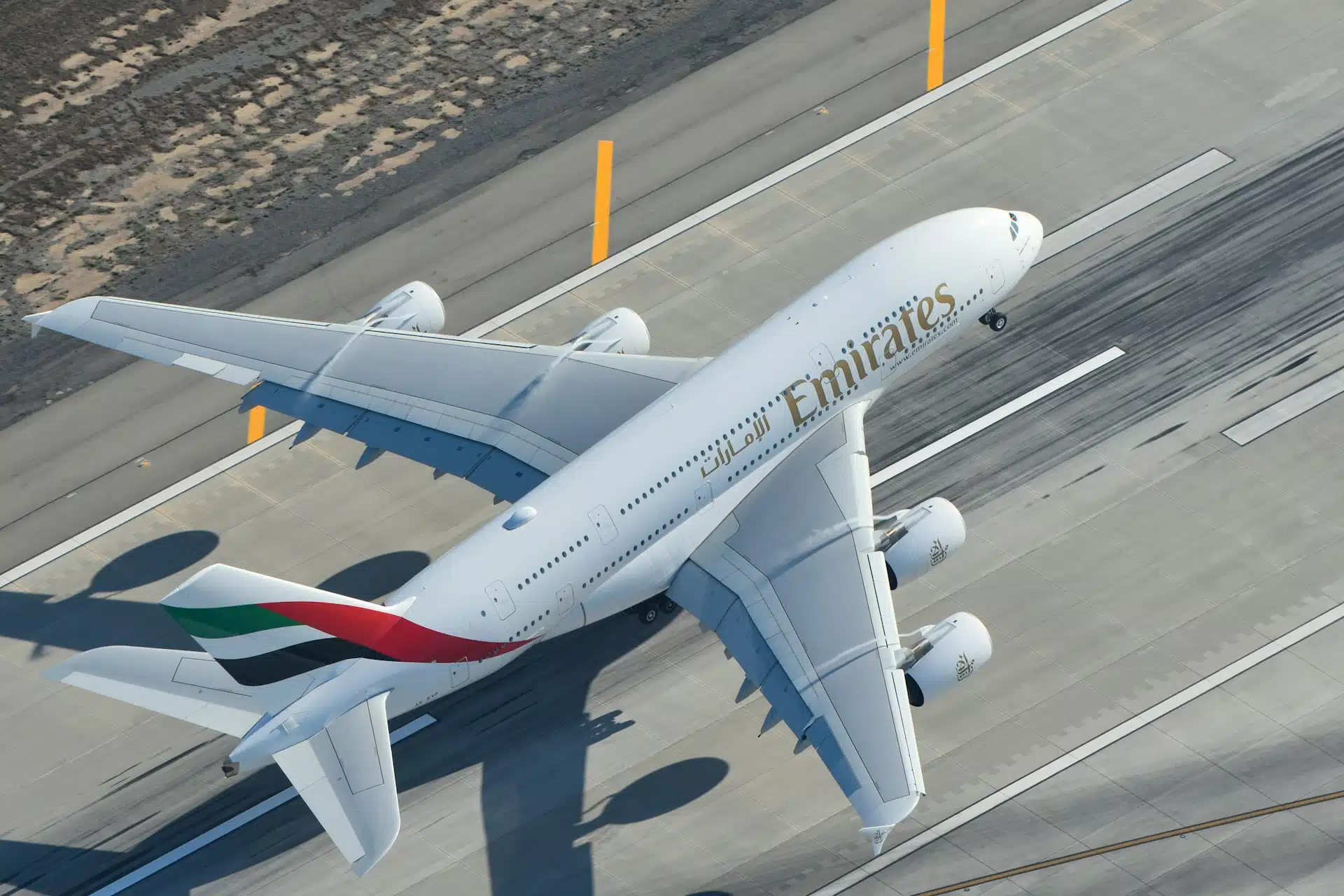
Developing a commercial aircraft costs $10-15 billion from concept to certification. These programs span decades, employ thousands of engineers, and bet company futures on market predictions. Yet some aircraft, despite brilliant engineering and enormous investment, never attract enough customers.
Commercial failure doesn’t mean the aircraft flew poorly or lacked safety. It means airlines didn’t buy enough units to justify production costs. Understanding why helps explain the brutal economics of an industry where being technically excellent isn’t enough. Success requires the right aircraft, at the right price, for the right market, at exactly the right time.
What Makes an Aircraft Commercially Successful?
Before examining failures, understanding success reveals what aircraft need to thrive. Commercial success means selling enough aircraft to recover development costs and generate profit. This typically requires hundreds of firm orders.

Strong Airline Demand
Airlines buy aircraft solving specific operational problems. They need planes matching their route networks, passenger volumes, and range requirements. An aircraft perfectly suited for long-haul international routes won’t interest carriers flying short domestic hops, regardless of technical capabilities. Strong demand for proven aircraft like the Boeing 737 MAX shows how airlines gravitate toward established solutions.
Market research can miss shifts in airline strategy. Fleet planning decisions made 5-10 years before delivery can become outdated as fuel prices fluctuate, routes change, or passenger preferences evolve. Aircraft designed for yesterday’s market may arrive into tomorrow’s reality.
Competitive Operating Economics
Fuel efficiency matters enormously. An aircraft burning 5% more fuel than competitors costs airlines millions annually in extra fuel. This disadvantage compounds over 20-30 year service lives, making the aircraft economically unviable. Modern aircraft like the Boeing 787 and Airbus A350 set new efficiency standards that older designs struggle to match.
Maintenance costs influence aircraft selection. Airlines prefer aircraft sharing parts and procedures with existing fleets. Training pilots and mechanics for entirely new aircraft types costs money. Fleet commonality reduces these expenses, giving aircraft from established families significant advantages.
Right-Sizing for Market Needs
Airlines match aircraft capacity to passenger demand. Too large, and the aircraft flies half-empty losing money. Too small, and airlines leave revenue on the table or need multiple flights. The market for very large aircraft (450+ passengers) or very small regional jets (50 seats) remains inherently limited.
This sizing challenge affects profits dramatically. An aircraft seating 400 passengers works brilliantly on dense routes like London-New York. But only a few dozen route pairs globally support that capacity consistently. Designing aircraft for niche markets limits sales potential from the start.
Favorable Market Timing
Economic cycles impact aircraft sales powerfully. Launching during recessions when airlines defer purchases can doom otherwise excellent designs. Conversely, aircraft entering service during aviation booms benefit from urgent airline needs. IATA economic reports track these industry cycles and their impact on aircraft demand.
Technology timing matters too. Aircraft incorporating new materials or engines risk delays and cost overruns during certification. Programs starting too early adopt immature technology. Starting too late means competitors already captured market share with proven alternatives.
The Most Common Reasons Aircraft Fail Commercially
Aircraft fail commercially through predictable patterns repeated across decades. These aren’t random misfortunes but structural problems in how programs assess and address market needs.

1. Poor Market Timing
Launching aircraft when airlines aren’t buying guarantees commercial struggle. Development timelines span 8-12 years from concept to first delivery. Economic conditions change dramatically during this period. Aircraft conceived during boom times may enter service during downturns.
The supersonic Concorde entered service in 1976 just as fuel crises made its gas-guzzling engines economically painful. Airlines couldn’t justify operating costs even though the aircraft delivered on speed promises. Timing turned a technical achievement into commercial disappointment.
2. Operating Costs Too High
Airlines operate on thin margins, typically 3-7% profit in good years. Aircraft with higher fuel burn, maintenance costs, or crew requirements than competitors struggle attracting customers. Even small percentage disadvantages compound to millions in losses annually.
The McDonnell Douglas MD-11 burned slightly more fuel per seat-mile than competing Boeing 777 and Airbus A330. This modest disadvantage, combined with less cargo capacity and range, left airlines choosing better alternatives. MD-11 sales stalled despite being an inherently capable aircraft.
3. Wrong Size for Market Demand
Aircraft sized for markets that don’t materialize face fundamental challenges. The Airbus A380 targeted growth in mega-hub traffic requiring 500+ seat aircraft. Instead, airlines shifted toward point-to-point routes using smaller, more efficient twins.
The market for very large aircraft proved smaller than Airbus projected. Hub congestion didn’t worsen as predicted. Fuel efficiency improvements in smaller aircraft made frequency increases economical. The A380 captured a market segment that largely didn’t exist.
4. Strong Competitive Alternatives
Entering markets with established competitors requires clear advantages. Boeing and Airbus dominate commercial aviation through decades of development, global support networks, and proven track records. Boeing and Airbus maintain comprehensive global support that new entrants struggle matching. New entrants struggle overcoming this institutional advantage.
The Sukhoi Superjet offered modern technology and competitive pricing. But Western airlines hesitated buying from unfamiliar manufacturers. Concerns about parts availability, technical support, and resale values limited orders. Without clear superiority, unfamiliar brands struggle.
5. Development Problems and Delays
Certification delays extend development costs while allowing competitors to improve products. Each delay year costs hundreds of millions in interest and lost orders. Airlines waiting for delayed aircraft may cancel orders and buy from rivals.
Technical problems during development erode airline confidence. Programs struggling with weight, range, or performance targets during testing signal potential operational issues. Airlines prefer aircraft meeting specifications without drama, reducing adoption of troubled programs. The FAA certification process rigorously tests aircraft before service entry.
Case Studies of Aircraft That Struggled
Examining specific examples reveals how theoretical problems manifest in real programs. These aircraft demonstrate different failure modes from sizing issues to timing problems.
| Aircraft | Units Sold | Primary Failure Reason | Market Challenge | Outcome |
|---|---|---|---|---|
| Airbus A380 | 251 aircraft | Too large for market | Airlines shifted to point-to-point, not mega-hubs | Production ended 2021 |
| Concorde | 20 aircraft | Operating costs too high | Fuel crisis made supersonic flight uneconomical | Retired 2003 |
| Boeing 717 | 156 aircraft | Market segment too small | 100-seat market shrinking, better alternatives existed | Production ended 2006 |
| MD-11 | 200 aircraft | Inferior economics to rivals | 777 and A330 offered better fuel efficiency | Production ended 2001 |
| Bombardier CSeries (early) | ~120 (pre-Airbus) | Trade disputes, funding issues | US tariffs threatened market access | Sold to Airbus, became A220 |
| Sukhoi Superjet 100 | ~200 aircraft | Limited Western acceptance | Support network concerns, geopolitical factors | Primarily CIS sales |
Note: Sales figures approximate as of program conclusion or significant transition. Success is relative – some aircraft recouped development costs while others did not. Swipe left to see full table on mobile devices.
Airbus A380: Size Mismatch

The A380 represented Airbus’s bet on continued hub concentration. The 500+ seat double-decker would ferry masses between mega-hubs like Dubai, London, and Singapore. Airlines would fill the aircraft with connecting passengers from spoke routes.
Instead, the market evolved differently. Twin-engine aircraft like the 787 and A350 made point-to-point long-haul routes economical. Airlines preferred flying directly between cities rather than funneling passengers through hubs. The A380’s size became a liability rather than advantage.
Only a handful of airlines ordered the A380. Emirates alone took 123 aircraft. Without that single customer, the program would have collapsed earlier. Airbus ended production in 2021 after selling just 251 aircraft – far below the break-even point.
Concorde: Operational Economics
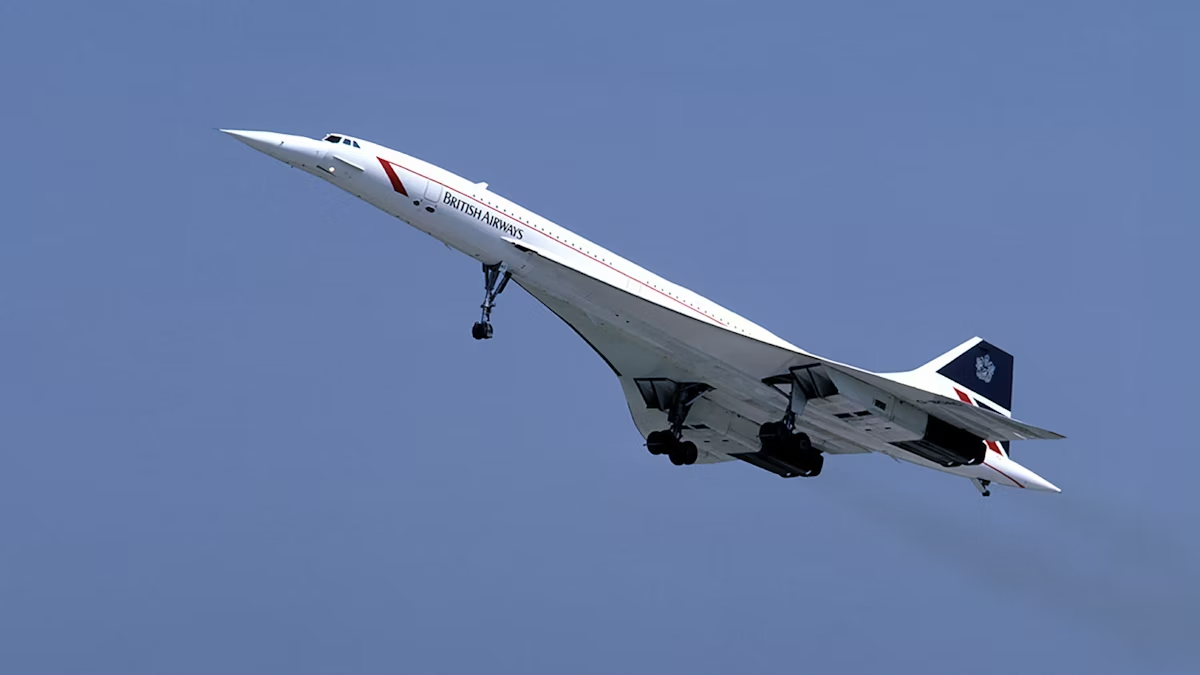
Concorde flew passengers across the Atlantic in 3.5 hours – half conventional flight times. The engineering achievement was remarkable. But operational economics never made sense beyond prestige routes.
Four engines burned fuel at astonishing rates. Sonic booms restricted supersonic flight over land, limiting route options. Passenger capacity of just 100 meant ticket prices needed to stay extremely high. Only British Airways and Air France operated Concordes, with government support.
The aircraft proved that speed alone doesn’t guarantee commercial success. Passengers pay for speed, but not enough to offset operational costs. Concorde retired in 2003 after the novelty faded and subsidies ended.
Boeing 717: Wrong Market Segment

Boeing acquired the 717 through its McDonnell Douglas merger. The 100-seat aircraft targeted the small narrowbody market competing against larger regional jets and smaller mainline aircraft.
But airlines were moving away from 100-seat aircraft. Regional jets kept getting larger. Mainline aircraft like the 737 and A320 could be configured for similar capacity with better economics. The 717 fell into a shrinking market niche.
Boeing sold just 156 aircraft before ending production in 2006. The program never generated enough interest to justify continued manufacturing. Airlines preferring fleet commonality chose 737s or A320s offering better operational flexibility.
McDonnell Douglas MD-11: Competitive Disadvantage

The MD-11 evolved from the successful DC-10 trijet. McDonnell Douglas stretched the fuselage, added winglets, and installed modern avionics. On paper, it should have competed with the Boeing 777 and Airbus A330.
But the MD-11 burned slightly more fuel than twin-engine competitors. Its three-engine configuration cost more to maintain. Range fell short of initial promises. These modest disadvantages accumulated into meaningful economic penalties.
Airlines chose 777s and A330s. Production ended in 2001 after just 200 deliveries – mostly to freight carriers valuing the aircraft’s cargo capacity. The program demonstrated how small disadvantages eliminate aircraft from competitive markets.
Bombardier CSeries: Market Access Challenges

The CSeries (now Airbus A220) showed excellent technology. Composite fuselage, modern engines, and comfortable cabin made it arguably the best aircraft in its class. But Bombardier struggled selling it.
Trade disputes threatened access to crucial US markets. Development costs ballooned. Bombardier lacked the global support network airlines expected. Despite technical excellence, the program hemorrhaged money.
Airbus acquiring the program transformed its fortunes. The A220 branding provided instant credibility. Airbus’s sales force and support infrastructure unlocked markets Bombardier couldn’t access. The aircraft succeeded once marketing and support matched technical merit.
Does Commercial Failure Mean the Aircraft Was Bad?
Absolutely not. Commercial failure and engineering failure are entirely different concepts. Many commercially unsuccessful aircraft flew beautifully, met safety standards, and satisfied their operators.
The Concorde remains aviation’s most stunning achievement in some respects. Supersonic passenger flight represented triumph over enormous technical challenges. But brilliant engineering doesn’t guarantee commercial success when economics don’t work.
Similarly, the A380 delivers a comfortable passenger experience. The quiet cabin, lower deck amenities, and spaciousness make it popular with travelers. Emirates and Singapore Airlines operate profitable A380 routes. The aircraft works as designed – the market just wasn’t large enough.
Safety records of commercially unsuccessful aircraft match or exceed industry averages. The MD-11, 717, and others maintained excellent safety. Commercial failure stems from business factors – pricing, timing, competition – not technical deficiencies.
This distinction matters because it shows aerospace engineering excellence isn’t sufficient for market success. Programs need matching economics, timing, and market positioning. Pure engineering prowess without business acumen fails commercially.
What Happens When an Aircraft Program Fails?
Aircraft programs rarely fail suddenly. They wind down gradually as manufacturers recognize market reality. This process follows predictable patterns minimizing disruption to existing operators.
Production Ends
Manufacturers announce production termination once backlog diminishes and new orders stop. This happens years before the last aircraft delivers. Airbus and Boeing maintain production lines only while economically justifiable.
The announcement triggers final orders from airlines wanting spares commonality or completing fleet plans. Some carriers negotiate discounts recognizing the manufacturer’s eagerness clearing production slots.
Parts and Support Continue
Manufacturers maintain parts availability and technical support for decades after production ends. Regulatory requirements mandate support for aircraft in service. This continues as long as operators fly the type, typically 20-30 years minimum.
Third-party suppliers fill gaps as fleets shrink. Specialized companies manufacture parts for out-of-production aircraft. This aftermarket supports operators wanting to extend aircraft service lives beyond manufacturer support commitments.
Fleet Phase-Out
Airlines gradually retire aircraft as better alternatives arrive. This phase-out accelerates if the type proves expensive to operate or support becomes difficult. However, some aircraft serve profitably for decades after production ends. Aircraft appraisal becomes critical during fleet transitions to maximize residual values.
Cargo operators often acquire passenger aircraft retired from airline service. Freight operations tolerate older technology and higher fuel burn. Many commercially unsuccessful passenger aircraft enjoy long cargo careers.
Financial Impact
Failed programs cost manufacturers billions in losses. Development costs never fully recover through sales. These losses affect company finances, sometimes triggering mergers or restructuring. The MD-11’s performance contributed to McDonnell Douglas’s demise.
However, manufacturers remain financially stable through successful programs subsidizing failures. Boeing’s 737 and 777 success funded less successful programs. Airbus’s A320 and A350 profitability offset A380 losses.
Frequently Asked Questions
What is the biggest commercial aircraft failure?
The Airbus A380 likely represents the largest commercial failure measured by financial loss. Development costs exceeded $25 billion with only 251 aircraft sold – far below the estimated 400+ needed for profitability. However, the Concorde sold just 20 aircraft and never came close to commercial viability, making it arguably a bigger proportional failure despite smaller absolute losses.
Why don’t airlines buy certain aircraft even if they’re well-engineered?
Operating economics drive airline purchases more than engineering quality. Airlines buy aircraft delivering the lowest cost per available seat mile while meeting route requirements. Even excellent aircraft lose to competitors offering better fuel efficiency, lower maintenance costs, or stronger fleet commonality benefits. Technical quality matters, but economic performance determines sales success.
Are commercially failed aircraft unsafe to fly?
No, commercial failure doesn’t indicate safety problems. All commercial aircraft must meet identical regulatory safety standards regardless of sales performance. The Concorde, MD-11, Boeing 717, and A380 maintain excellent safety records. Commercial failure stems from market timing, economics, or competitive disadvantages – not safety deficiencies. Failed aircraft are as safe as successful ones.
What happens to aircraft still in service after production ends?
Aircraft continue flying for decades after production stops. Manufacturers maintain parts support and technical assistance as long as the type remains in service. Third-party suppliers provide additional support. Airlines operate aircraft profitably as long as economics justify continued use. Many “failed” aircraft serve 25-30 years after production ends, particularly in cargo operations.
Can manufacturers cancel aircraft programs mid-development?
Yes, but it’s expensive and rare. Canceling programs before first delivery means writing off billions in development costs with zero revenue recovery. Manufacturers prefer completing development and selling small quantities rather than canceling entirely. However, projects showing fundamental flaws or market disappearance may cancel. The financial hit from cancellation often exceeds losses from limited production.
Why do some aircraft succeed in cargo but fail in passenger service?
Cargo operations tolerate different economics than passenger airlines. Freight carriers prioritize cargo volume and reliability over fuel efficiency and operating costs. They accept older technology and higher fuel burn if aircraft offers good cargo capacity. Many passenger aircraft retiring due to poor fuel efficiency thrive in cargo service where payload capacity matters more than per-seat economics.
Do manufacturers make money on every aircraft sold?
Not initially. Aircraft programs require selling hundreds of units before recovering development costs and reaching profitability. Early production aircraft typically lose money as manufacturing processes mature and suppliers achieve economies of scale. Programs selling fewer than 300-400 units often never turn profitable, making every aircraft sold a net loss despite positive manufacturing margins.
Will there be more commercial aircraft failures in the future?
Inevitably, yes. Aircraft development requires predicting market needs a decade ahead while facing intense competition. Some programs will misjudge market size, face unexpected competition, or encounter economic conditions undermining business cases. However, manufacturers learn from past failures, making catastrophic failures hopefully less common. The industry accepts that not every program succeeds commercially.
Conclusion
Aircraft commercial failures teach that engineering excellence alone doesn’t guarantee market success. The Concorde flew faster than any airliner before or since. The A380 offers unmatched passenger comfort. The MD-11 served reliably for decades. Yet all struggled commercially because they didn’t match market economics.
Success requires perfect alignment of multiple factors: right capacity for market demand, competitive operating costs, favorable timing, and strong positioning against rivals. Missing any factor can doom otherwise excellent aircraft. The margin for error shrinks as development costs balloon and competition intensifies.
Future programs face even greater challenges. Development costs continue rising while market consolidation intensifies competition. Sustainability requirements add complexity. Airlines demand ever-better economics while environmental regulations tighten. Aircraft succeeding in this environment will need near-perfect execution.
These commercial failures remind us that aviation operates as a business, not just an engineering discipline. Technical achievements matter, but so do market research, competitive positioning, and economic analysis. Programs ignoring business reality fail regardless of engineering brilliance.
For aviation enthusiasts, these failures provide valuable lessons about industry dynamics. They show that even multibillion-dollar programs from established manufacturers can misjudge markets. They demonstrate that being first or biggest doesn’t guarantee winning. Most importantly, they prove that in commercial aviation, the market always gets the final vote.