United Airlines Raises Checked Bag Fees as Rising Fuel Costs Hit Global Aviation
 Radu BalasFounder, The Flying EngineerPublished 7 min read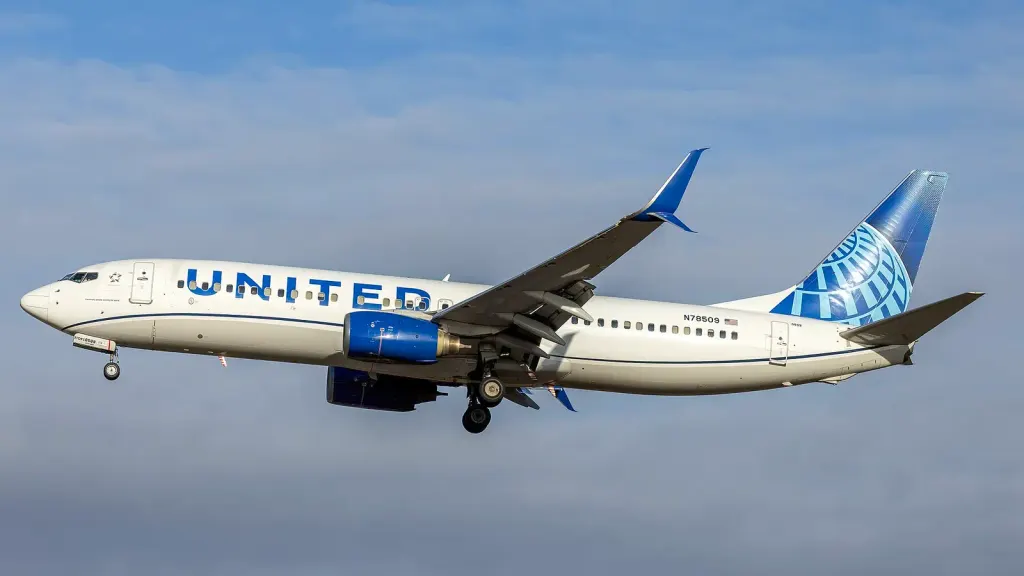
United Airlines has increased United Airlines baggage fees by $10 across its domestic and Americas network, marking the carrier's first adjustment to checked luggage pricing in two years. The Chicago-based airline implemented the changes effective April 3, 2026, citing rising global fuel costs driven by geopolitical instability in the Middle East as the primary factor behind the decision.
The move reflects broader industry pressure as fuel costs airlines face continue climbing amid sustained crude oil price volatility. Jet fuel represents the largest operational expense for carriers worldwide, and the airline baggage fees increase allows United to offset mounting costs without raising base ticket prices that could deter leisure travelers during peak booking season.
United confirmed the fee structure changes took effect without advance notice to passengers, a tactic airlines employ to implement pricing adjustments swiftly in response to rapid cost fluctuations. The carrier joins other major airlines navigating the delicate balance between maintaining profitability and preserving passenger demand as economic pressures reshape the aviation landscape.
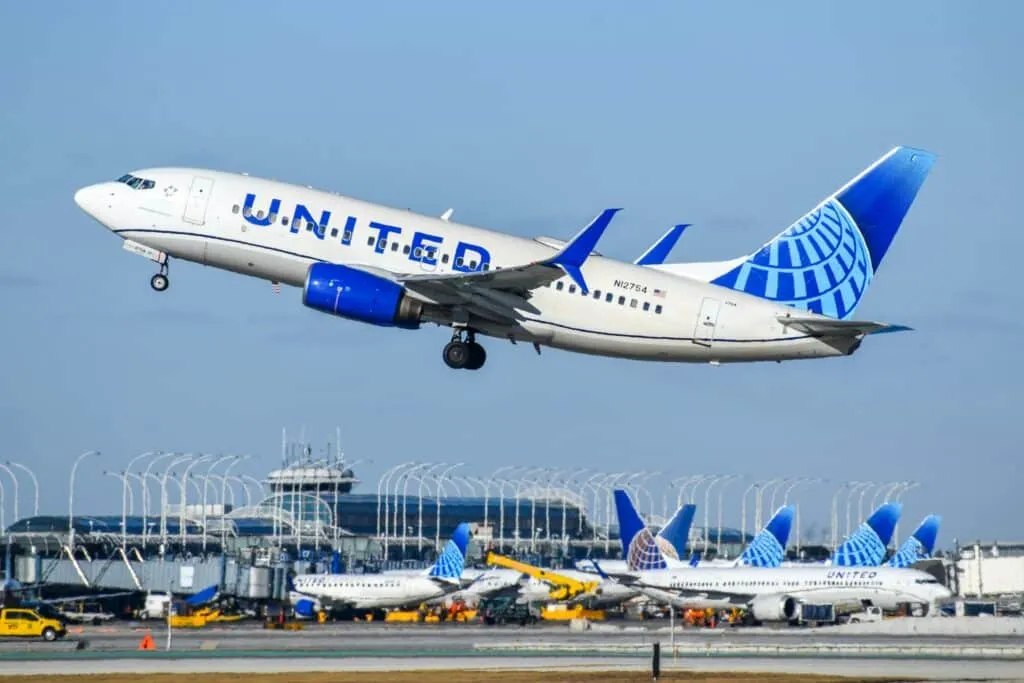
The fee increases affect passengers traveling on domestic flights within the United States and international routes to Mexico, Canada, and Latin America operated from United's major hubs including Chicago O'Hare, Denver, Houston, Newark, San Francisco, and Washington Dulles. Transatlantic and transpacific routes maintain separate baggage fee structures not affected by the current adjustment.
New Fee Structure Details
Under the new pricing structure, the maximum fee for a first checked bag has increased to $50 for passengers traveling domestically and on flights to Mexico, Canada, and Latin America. Previously capped at $40, the first bag fee now rises by $10, representing a 25 percent increase that directly impacts budget-conscious travelers.
Second checked bags now cost $60 under the revised fee schedule, up from the previous $50 charge. The $10 increase maintains proportional pricing between first and second bags, though passengers checking multiple items will experience cumulative cost increases that add significantly to overall travel expenses.
The most substantial jump affects third checked bags, which now cost $200, up from $150 previously. The $50 increase reflects a 33 percent rise designed to discourage excessive baggage while generating premium revenue from passengers requiring additional luggage capacity for extended trips or special equipment transport.
United continues offering a $5 discount for passengers who prepay baggage fees online at least 24 hours before departure. This incentive encourages advance planning while reducing airport check-in counter workload, though the discount only partially offsets the overall fee increases for travelers accustomed to lower rates.
Exemptions remain in place for MileagePlus frequent flyers, United Chase credit card holders, active military personnel, and passengers traveling in premium cabins. These customer segments continue checking bags at no additional cost, maintaining loyalty program value propositions that differentiate United from ultra-low-cost carriers charging all passengers for checked luggage.
Rising Fuel Costs Drive Industry Changes
The timing coincides with sustained elevation in global crude oil prices driven by geopolitical tensions in the Middle East. Industry analysts point to ongoing conflict concerns in Iran and broader regional instability as factors maintaining pressure on petroleum markets, with ripple effects cascading through aviation fuel supply chains worldwide.
According to statements from the International Air Transport Association (IATA), industry executives anticipate oil prices could remain elevated for extended periods. IATA CEO projections suggest crude could peak near $175 per barrel while potentially stabilizing above $100 per barrel for several years, creating persistent cost challenges for airlines operating on thin profit margins.
Rising jet fuel prices have been noted across global markets, pushing carriers to reassess operating costs and revenue strategies. Airlines face limited options for absorbing fuel expense increases beyond passing costs to consumers through ancillary fees, route adjustments, or eventual base fare increases if market conditions permit.
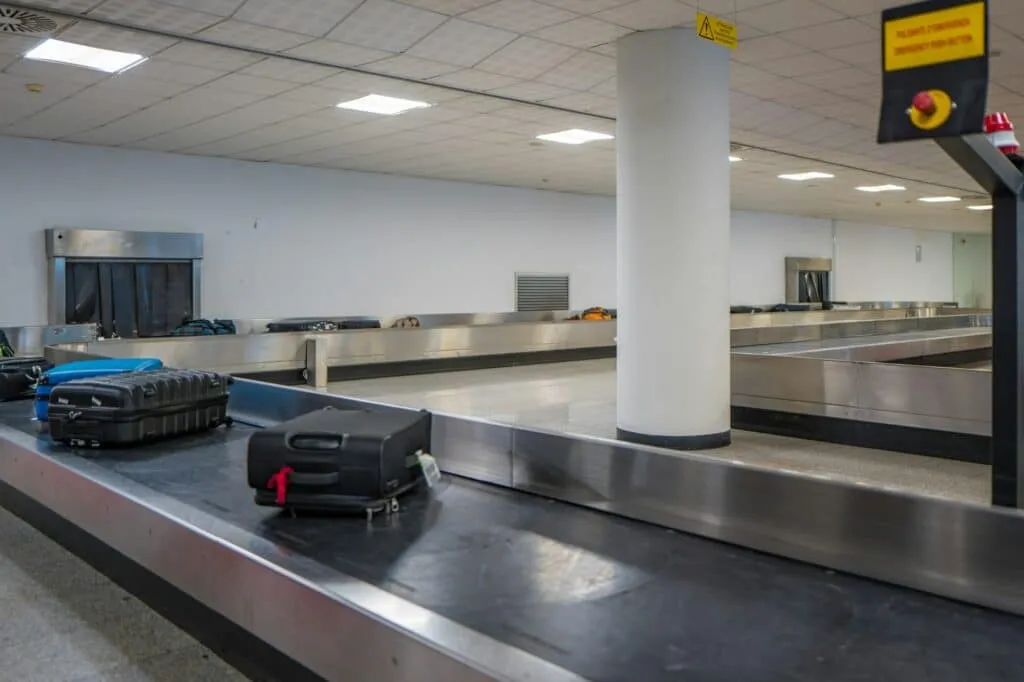
The baggage fee increase follows similar moves by JetBlue Airways, which raised checked luggage costs across peak and off-peak periods earlier in 2026. The sequence of fee hikes underscores how carriers are responding to economic pressures without immediately cutting base fares that remain competitively priced to maintain market share.
Checked baggage fees have become a standard financial lever for U.S. airlines seeking to offset higher fuel bills while maintaining competitive base fare structures. The unbundling strategy allows carriers to advertise lower ticket prices while generating substantial ancillary revenue from passengers requiring additional services beyond basic transportation.
Industry analysts note that airlines often leverage ancillary revenue streams like baggage fees when fuel prices compress profit margins. The approach enables carriers to preserve price-sensitive leisure demand while extracting higher per-passenger revenue from travelers willing to pay for convenience or unable to travel with carry-on luggage only.
United's adjustment marks the first increase to checked baggage fees in two years, reflecting the carrier's previous ability to absorb fuel cost fluctuations through operational efficiencies and improved load factors during the post-pandemic recovery period. The current hike signals that recent fuel price escalation has exceeded the carrier's capacity for internal cost absorption.
Carriers outside the United States are navigating similar headwinds, with some airlines in Europe and Asia trimming flight schedules to reduce fuel consumption. Route capacity adjustments represent an alternative strategy to fee increases, though such moves risk ceding market share to competitors and reducing overall network connectivity.
United has stated it may adjust some unprofitable flights if conditions deteriorate, though the carrier has refrained from announcing broad network cuts at this time. The airline continues evaluating route profitability on an ongoing basis, with fuel costs serving as a primary variable in determining which markets remain economically viable under current operating conditions.
Impact on Passengers
Passengers flying with United should expect higher fees for checked luggage starting April 3, 2026. Travelers who regularly check multiple bags will face especially steep cost increases due to the substantial jump in third bag fees from $150 to $200, adding $50 to trips requiring additional luggage capacity.
Booking and planning proactively, including prepayment of baggage fees online, may help mitigate some additional expenses through the $5 advance purchase discount. However, the modest savings only partially offset the overall fee structure increases affecting the majority of passengers who check luggage.
Frequent flyers enrolled in United's MileagePlus program and passengers holding United Chase credit cards will benefit from existing baggage privileges that waive checked bag fees entirely. Premium cabin passengers traveling in United Business, United First, or United Polaris also remain exempt from baggage charges under current policies.
Leisure travelers and infrequent flyers without elite status or co-branded credit cards may feel the effects most immediately, particularly on longer itineraries where checked luggage is common. Families traveling with children, passengers on extended vacations, and business travelers not holding elite status face meaningfully higher costs for services previously priced lower.
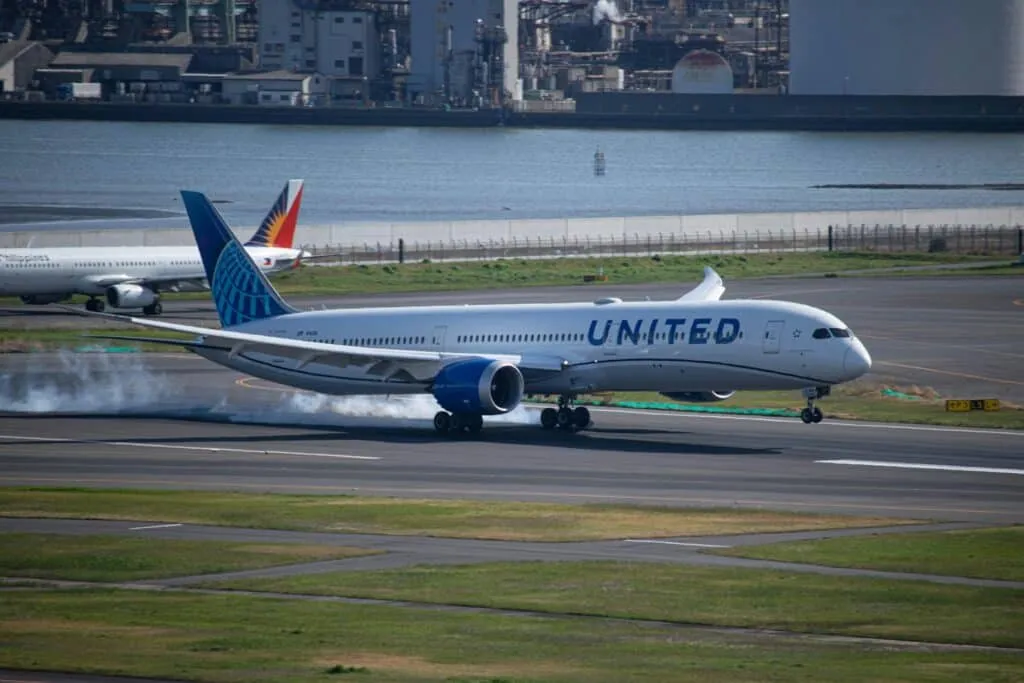
The broader aviation industry continues adapting to fuel cost volatility through multiple strategies beyond baggage fee adjustments. Airlines are investing in more fuel-efficient aircraft, optimizing flight routes to reduce consumption, and implementing operational changes designed to minimize fuel burn per passenger mile.
Carriers are also exploring sustainable aviation fuel adoption, though current production volumes and pricing keep such alternatives limited to small percentages of total fuel consumption. Long-term solutions require substantial investment in alternative fuel infrastructure and aircraft technology, leaving near-term cost management dependent on traditional levers like ancillary fees.
Some airlines have implemented dynamic pricing for baggage fees, adjusting costs based on route demand and competitive factors. While United maintains fixed pricing under the new structure, the industry trend toward variable ancillary pricing could eventually extend to baggage fees if carriers seek additional revenue optimization opportunities.
Industry observers note that baggage fees generate billions in annual revenue for U.S. carriers collectively, representing a critical profit margin supplement that helps offset volatile fuel costs and other operational expenses. The fees have proven relatively inelastic, with most passengers continuing to check bags despite periodic price increases.
United's decision to implement fee changes without advance notice follows established industry practice for ancillary pricing adjustments. Unlike base fare changes that typically involve complex yield management systems and advance booking considerations, baggage fees can be modified quickly to respond to immediate cost pressures.
The carrier emphasized that revenue from baggage fees supports operational investments and helps maintain competitive base fares that allow price-conscious travelers to access United's extensive domestic and international route network. The unbundling approach separates transportation costs from optional services, theoretically allowing passengers to pay only for amenities they value.
If fuel prices remain elevated or continue rising, additional fee increases or service adjustments remain possible across the aviation industry. Airlines must balance cost recovery against passenger demand elasticity, carefully calibrating pricing to avoid triggering significant traffic reductions that would undermine revenue despite higher per-passenger fees.
United continues monitoring fuel markets and competitive dynamics as it refines pricing strategies for 2026 and beyond. The carrier maintains flexibility to adjust fees again if market conditions warrant, though frequent changes risk passenger frustration and competitive disadvantage if rivals maintain lower ancillary pricing.
The current fee structure positions United consistent with major competitors including American Airlines and Delta Air Lines, which maintain similar baggage pricing across domestic networks. Industry alignment on ancillary fees reduces competitive pressure while ensuring all carriers can recover rising operational costs through comparable revenue mechanisms.
Passengers seeking to avoid increased baggage fees have limited options beyond traveling with carry-on luggage only or qualifying for elite status exemptions. Ultra-low-cost carriers like Spirit Airlines and Frontier Airlines charge for all checked bags regardless of passenger status, making legacy carrier exemptions for frequent flyers and premium cabin passengers increasingly valuable as fees rise industry-wide.
The shift toward higher ancillary fees reflects the aviation industry's ongoing evolution from all-inclusive pricing to unbundled service models that separate basic transportation from optional amenities. While controversial among consumer advocates, the approach has proven financially sustainable for carriers navigating volatile fuel costs and intense competitive pressure on base fares.
United's baggage fee increase demonstrates how airlines continue adapting to external cost pressures through revenue management strategies that preserve market access while protecting profitability. As fuel costs remain elevated amid geopolitical uncertainty, passengers should anticipate continued focus on ancillary revenue across the industry as carriers balance operational sustainability with customer demand.
About the author
Radu Balas
Founder, Flying Engineer
View author profile Editorial policy and corrections