Fuel represents 25-35% of airline operating costs. Every gallon burned affects profitability while contributing carbon emissions. As fuel prices fluctuate and environmental pressure increases, airlines invest billions in fuel-efficient fleets and operations.
But which airlines actually burn less fuel? The answer depends on fleet composition, operational strategy, and route networks. Some carriers fly the newest aircraft with advanced engines. Others maximize efficiency through high passenger loads and dense seating. Understanding what makes airlines fuel efficient reveals surprising patterns across the industry.
What Makes an Airline Fuel Efficient?
Fuel efficiency isn’t a single metric. Multiple factors determine how much fuel an airline burns per passenger mile, and these factors interact in complex ways.
Fleet Age and Technology
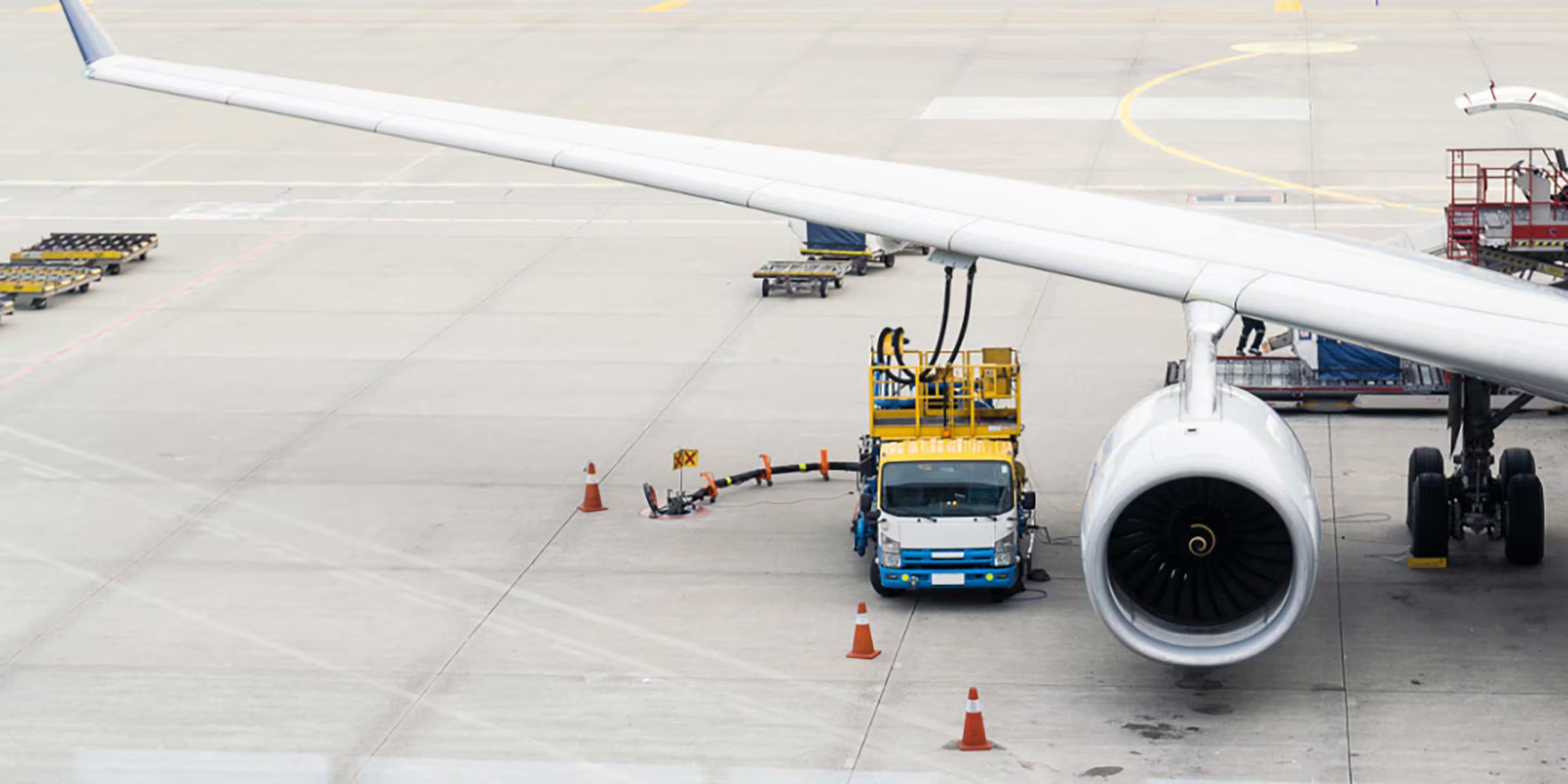
Newer aircraft burn 15-25% less fuel than models from 20 years ago. Modern engines deliver better thrust-to-fuel ratios. Composite materials reduce weight. Improved aerodynamics cut drag. Airlines operating recent aircraft models enjoy substantial fuel savings compared to carriers flying aging fleets.
The Boeing 787 and Airbus A350 represent current generation widebody efficiency. These aircraft burn roughly 20% less fuel per seat than the Boeing 777 or Airbus A330 models they replace. Single-aisle aircraft like the Airbus A320neo and Boeing 737 MAX similarly improve on older 737 and A320 variants.
Fleet renewal costs billions. Airlines must balance capital expenses against fuel savings. Some carriers accelerate fleet upgrades investing heavily in new aircraft. Others keep older planes flying longer, accepting higher fuel costs to avoid purchase expenses. Smart fleet management strategies help airlines navigate these decisions.
Load Factor
Load factor measures the percentage of seats filled with paying passengers. An airline flying 85% full burns the same total fuel as one flying 70% full but carries more passengers. Fuel per passenger drops significantly at higher load factors.
Airlines with consistently high load factors (above 85%) achieve better fuel efficiency per passenger than carriers struggling to fill seats. This explains why some low-cost airlines with full flights outperform premium carriers with empty business class cabins.
Seat Density
More seats mean more passengers sharing the same fuel burn. An aircraft configured with 200 seats burns similar fuel whether configured with 180 seats. The denser configuration spreads fuel consumption across more passengers, improving per-passenger efficiency.
Low-cost carriers pack additional seats into the same aircraft premium airlines use. A Boeing 737-800 might hold 160 seats at a legacy carrier but 189 seats at a budget airline. This 18% seat increase delivers substantial efficiency gains per passenger.
Route Network and Operations
Point-to-point routes use less fuel than hub-and-spoke networks requiring connections. Direct flights avoid the extra fuel burned climbing, descending, and maneuvering at intermediate hubs. Airlines focusing on direct routes often show better fuel efficiency than hub-dependent carriers.
Flight length affects efficiency. Medium-haul flights (2-5 hours) deliver better fuel economy than very short routes where takeoff and climb burn disproportionate fuel. Ultra-long routes require carrying extra fuel weight, reducing efficiency. Operations like Qantas ultra-long-haul flights demonstrate how modern aircraft handle extended ranges while managing fuel loads. The sweet spot typically falls between 1,500-3,000 miles.
Airlines With the Most Efficient Aircraft Fleets
Fleet composition drives fuel performance more than any other factor. Airlines investing in the latest aircraft technology gain measurable advantages.
Aircraft Fuel Efficiency Comparison:
| Aircraft Type | Category | Typical Seats | Fuel Efficiency | Key Advantage |
|---|---|---|---|---|
| Boeing 787-9 | Widebody | 250-290 | 20% better | Composite airframe, advanced engines |
| Airbus A350-900 | Widebody | 300-350 | 25% better | Lightweight design, Trent XWB engines |
| Airbus A320neo | Narrowbody | 150-180 | 15-20% better | New engine options, sharklet wingtips |
| Boeing 737 MAX 8 | Narrowbody | 160-190 | 14% better | LEAP-1B engines, improved aerodynamics |
| Airbus A321neo | Narrowbody | 180-220 | 20% better | Extended range, high capacity for size |
| Airbus A220-300 | Small Narrowbody | 120-150 | 25% better | Clean-sheet design, ideal for thin routes |
| Boeing 777-300ER | Widebody (Older) | 350-400 | Baseline | Still efficient for high-capacity routes |
| Airbus A330-300 | Widebody (Older) | 250-300 | Baseline | Reliable but less efficient than A350 |
Note: Fuel efficiency improvements compared to equivalent previous-generation aircraft on similar routes at similar load factors. Actual performance varies by airline operations, route length, and configuration. Swipe left to see full table on mobile devices.
Boeing 787 Dreamliner Operators

The 787 burns approximately 20% less fuel per seat than older widebody aircraft. Its composite airframe weighs less. Advanced engines provide better efficiency. Improved aerodynamics reduce drag. Boeing’s 787 program pioneered many technologies now standard across modern aircraft. Leading aircraft manufacturers continue refining these technologies with each new variant. Airlines operating substantial 787 fleets include:
- United Airlines: One of the largest 787 operators globally
- ANA (All Nippon Airways): Launch customer with extensive 787 fleet
- American Airlines: Deploying 787-9 variants for long-haul routes
- Norwegian: Uses 787s for transatlantic low-cost operations
Airbus A350 Operators

The A350 delivers similar efficiency to the 787 through comparable technology. Carbon composite structure reduces weight. Rolls-Royce Trent XWB engines provide excellent fuel economy. Airbus A350 specifications demonstrate industry-leading environmental performance. Airlines with significant A350 fleets gain competitive fuel advantages.
Major A350 operators include Qatar Airways, Singapore Airlines, Cathay Pacific, and Delta Air Lines. These carriers benefit from the aircraft’s long-range capability combined with fuel-efficient performance. Airbus commercial aircraft deliveries continue accelerating as more airlines adopt these efficient types.
A320neo and 737 MAX Operators

Single-aisle aircraft carry most passengers globally. The A320neo family and Boeing 737 MAX burn 15-20% less fuel than previous generation 737s and A320s. New engine technology drives these improvements.
Airlines rapidly transitioning to these aircraft include low-cost carriers like IndiGo, Ryanair, and Southwest Airlines. Their high aircraft utilization (10-12 flight hours daily) multiplies fuel savings across intensive operations.
Top Fuel-Efficient Airlines in the World
Identifying the “most efficient” airline requires comparing fuel burn per passenger mile – a metric airlines rarely publish in full. However, certain carriers demonstrate superior efficiency through fleet composition, operations, and load factors.
Airlines With Notably Efficient Operations
Alaska Airlines consistently ranks among North America’s most efficient carriers. Their Boeing 737 fleet operates at high load factors (85%+). Efficient point-to-point routing avoids unnecessary fuel burn. Strong operational execution minimizes delays and diversions that waste fuel.

Ryanair and easyJet represent European low-cost efficiency. Dense seating configurations, high load factors, and modern aircraft fleets (737 MAX for Ryanair, A320neo for easyJet) deliver excellent per-passenger fuel economy. Their point-to-point networks avoid hub inefficiencies.

IndiGo (India) operates one of the world’s youngest fleets. Their all-A320neo family aircraft, high density seating, and strong load factors create efficiency advantages. Rapid fleet growth with latest-generation aircraft positions them among most efficient carriers globally. Their route expansion strategy demonstrates confidence in fuel-efficient operations.

ANA (All Nippon Airways) combines modern fleet with operational efficiency. As the 787 launch customer, they’ve built expertise flying these efficient aircraft. Strong load factors and attention to operational details contribute to industry-leading performance.

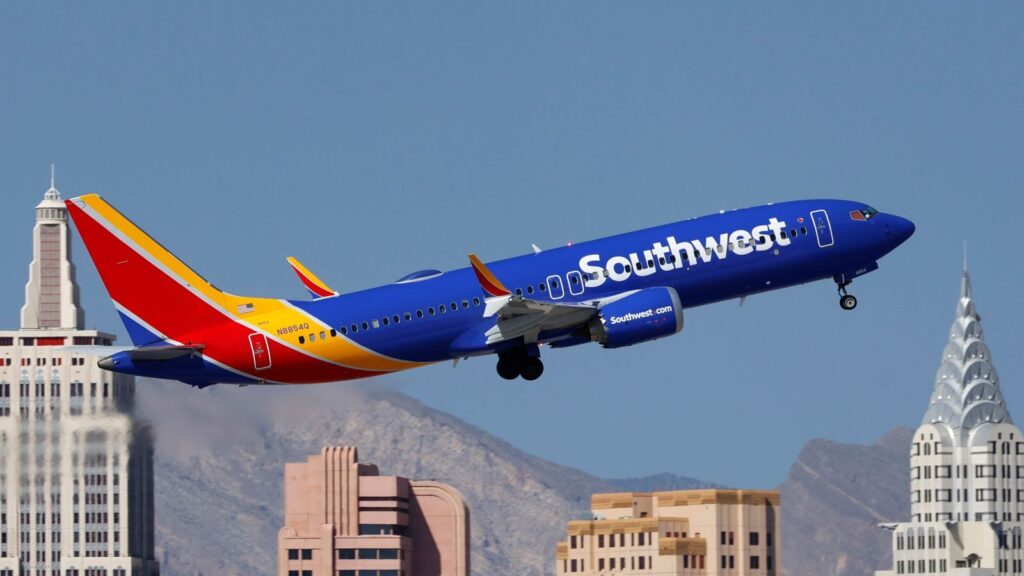
Southwest Airlines maintains efficiency through fleet simplicity. Operating only Boeing 737s (transitioning to MAX variants) reduces training costs and maintenance complexity. High aircraft utilization and strong load factors spread fixed costs effectively. Their route network expansion focuses on efficient point-to-point operations.
JetBlue Airways invested heavily in A321neo and A220 aircraft. These modern types deliver excellent fuel economy. JetBlue’s point-to-point network structure avoids the fuel waste inherent in hub-and-spoke systems.

Emirates and Singapore Airlines lead long-haul efficiency. Both operate substantial A350 and 787 fleets. Premium service with higher load factors in business class creates favorable per-passenger economics despite less dense seating.

Why Rankings Vary
Different methodologies produce different results. Some studies measure total fuel per passenger. Others examine fuel per available seat mile regardless of occupancy. Route mix, aircraft size, and service level all affect comparisons.
The most efficient airline for short European hops differs from the leader on transpacific routes. Context matters when evaluating fuel performance across diverse operations and business models.
Why Low-Cost Airlines Often Burn Less Fuel Per Passenger
Budget carriers frequently achieve better fuel efficiency per passenger than legacy airlines despite sometimes flying older aircraft. Their business model inherently creates efficiency advantages.
Dense Seating Configurations
Low-cost airlines install 10-20% more seats in the same aircraft. A typical legacy carrier might configure an A320 with 150 seats (including business class). A budget airline fits 180+ economy seats in the identical airframe.
This density spreads fuel burn across more passengers. If both airlines burn 2,500 gallons on a flight, the legacy carrier divides that fuel among 150 passengers (16.7 gallons each) while the budget airline divides it among 180 passengers (13.9 gallons each) – a 17% per-passenger advantage.
High Load Factors
Budget airlines typically achieve 85-90% load factors compared to 80-85% at legacy carriers. Filling more seats without burning extra fuel directly improves per-passenger efficiency. Dynamic pricing and no-frills service help budget carriers maintain consistently full flights.
Aircraft Utilization
Low-cost airlines fly aircraft 10-12 hours daily compared to 8-10 hours at many legacy carriers. Higher utilization spreads fixed costs (ownership, depreciation) across more flights. Quick turnarounds keep aircraft flying rather than sitting at gates.
This intense use means more revenue flights relative to positioning flights, ferry flights, and other non-revenue operations that burn fuel without carrying paying passengers. Better utilization translates to improved overall efficiency.
Point-to-Point Networks
Budget carriers mostly avoid hub-and-spoke routing. Direct flights use less fuel than connections requiring intermediate landings, climbs, and descents. Passengers reach destinations faster while airlines burn less fuel overall.
Sustainable Aviation Fuel & Carbon Reduction
Airlines increasingly adopt sustainable aviation fuel (SAF) produced from renewable sources. SAF reduces lifecycle carbon emissions by 50-80% compared to conventional jet fuel, though it doesn’t change aircraft fuel consumption rates.
SAF Adoption Leaders
KLM Royal Dutch Airlines pioneered commercial SAF use. They’ve committed to 10% SAF in their network by 2030. United Airlines targets similar goals while investing in SAF production facilities. Government mandates accelerate adoption in some markets.
SAF currently costs 2-4 times more than conventional fuel. Production capacity remains limited. As manufacturing scales and technology improves, costs should decline making SAF adoption more economically viable.
Carbon Offset Programs
Many airlines offer carbon offset programs letting passengers pay to neutralize flight emissions. These programs fund reforestation, renewable energy, and emissions reduction projects. Critics question offset effectiveness, but programs provide passengers wanting to reduce environmental impact with options.
Fleet Renewal Impact
New aircraft reduce emissions directly through lower fuel burn. A 787 carrying 250 passengers emits roughly 20% less CO2 than a 777 on the same route. Multiply these savings across thousands of flights and fleet renewal becomes the single most effective emissions reduction strategy.
Airlines track progress through environmental monitoring programs. Many commit to carbon neutrality by 2050, requiring dramatic improvements beyond current technology. ICAO environmental protection standards establish global frameworks for emissions reduction. Achieving these goals demands continued innovation in aircraft design, operations, and fuels.
Does Aircraft Size Affect Fuel Efficiency?
Aircraft size influences efficiency differently depending on how you measure. Total fuel burn, fuel per seat, and fuel per passenger tell different stories.
Total Fuel Consumption
Larger aircraft burn more total fuel. A Boeing 777-300ER consumes roughly 12,000-14,000 gallons on a 12-hour flight. An A320 burns about 2,000 gallons on a 3-hour flight. The widebody burns 6-7 times more fuel, but flies much farther carrying many more passengers.
Fuel Per Seat Mile
Widebody aircraft often achieve better per-seat efficiency on long routes. Their larger size allows more efficient engines relative to weight. Passengers seated upstairs on an A380 travel on remarkably little fuel per person given the double-deck capacity.
However, this efficiency advantage requires filling seats. A half-empty widebody performs worse than a full narrowbody. Load factor matters enormously for large aircraft economics.
Narrowbody Advantages
Single-aisle aircraft like A320neo and 737 MAX deliver excellent efficiency on routes under 4-5 hours. Their smaller size matches market demand better than widebodies on many routes. Right-sizing aircraft to passenger demand prevents burning fuel moving empty seats.
Modern narrowbodies achieve remarkable range. The A321XLR can fly 4,700+ nautical miles while maintaining efficiency. This capability lets airlines serve thin long-haul routes with appropriately sized aircraft rather than deploying oversized widebodies.
Frequently Asked Questions
Which airline is the most fuel efficient?
No single airline definitively leads globally because efficiency varies by route type and measurement methodology. However, carriers like Alaska Airlines, IndiGo, and Ryanair demonstrate notably efficient operations through modern fleets, high load factors, and dense seating configurations. ANA and Singapore Airlines excel in long-haul efficiency with advanced widebody aircraft. The “most efficient” depends on whether measuring short-haul, long-haul, or overall network performance.
Are low-cost airlines more environmentally friendly?
Low-cost airlines typically burn less fuel per passenger due to dense seating, high load factors, and point-to-point networks. This makes them more efficient from a per-passenger perspective. However, their low fares may encourage more frequent flying, potentially increasing overall emissions. Environmental friendliness involves many factors beyond fuel efficiency including noise, local air quality, and operational practices.
Which aircraft uses the least fuel?
Modern aircraft like the Boeing 787, Airbus A350, A320neo family, and 737 MAX deliver the best fuel economy among commercial jets. The A220 excels in the smaller aircraft category. Among these, the most efficient depends on route and passenger load. Per seat mile, the A350 and 787 lead for long-haul while A320neo and 737 MAX excel on shorter routes.
What makes an airline eco-friendly?
Eco-friendly airlines combine modern fuel-efficient aircraft, high load factors, sustainable aviation fuel usage, and carbon reduction commitments. Operational efficiency through improved routes and procedures reduces unnecessary fuel burn. Some carriers invest in emissions offsets and support environmental initiatives. However, no airline is truly “green” as aviation inherently produces significant emissions.
How do airlines reduce fuel consumption?
Airlines reduce fuel through fleet renewal with modern aircraft, improved flight planning using favorable winds and efficient altitudes, weight reduction removing unnecessary items, better ground operations reducing taxi time, and operational training for pilots on fuel-efficient techniques. Load factor improvements spread fuel across more passengers. Winglets and other aerodynamic modifications cut drag on existing aircraft.
Do newer planes always burn less fuel?
Newer aircraft generally deliver 15-25% better fuel efficiency than models from 20-30 years ago through improved engines, lighter composite materials, and better aerodynamics. However, the newest isn’t always most efficient for every mission. An appropriately sized older aircraft can outperform an oversized new aircraft flying half empty. Right-sizing aircraft to route demand matters as much as technology generation.
Which airlines have the newest fleets?
IndiGo (India) operates one of the world’s youngest fleets with average aircraft age under 4 years. Frontier Airlines, Spirit Airlines, and Wizz Air also maintain very young fleets. These carriers benefit from ordering large quantities of the latest A320neo family and 737 MAX aircraft. Their rapid growth allows fleet renewal through expansion rather than retirement.
Does flying business class waste more fuel?
Business class doesn’t directly burn more fuel but reduces per-passenger efficiency. Larger seats mean fewer passengers sharing the same fuel burn. An aircraft with 50 business and 200 economy seats carries fewer passengers than one with 250 economy seats burning similar fuel. However, business class generates higher revenue per passenger, making routes financially viable despite lower passenger counts.
Conclusion
Fuel efficiency varies dramatically across airlines driven by fleet composition, operational strategy, and business model. Carriers flying the latest Boeing 787s, Airbus A350s, A320neo family, and 737 MAX aircraft gain measurable advantages over those operating aging fleets.
Low-cost airlines often achieve superior per-passenger efficiency through dense seating, high load factors, and intensive aircraft utilization. However, premium carriers with modern widebody fleets excel on long-haul routes where advanced aircraft technology delivers substantial fuel savings.
The industry’s path toward reduced emissions requires continued fleet renewal, sustainable aviation fuel adoption, and operational improvements. Airlines committing to these changes position themselves for both environmental and economic benefits as fuel costs and carbon regulations intensify.
For environmentally conscious travelers, flying airlines with modern fleets and high load factors reduces per-passenger impact. However, the most effective choice remains flying less frequently, combining trips, or choosing alternative transportation for shorter distances when feasible.
The coming decade will see continued evolution in aircraft technology and operational practices. Airlines investing in efficiency today build advantages lasting decades as fuel costs rise and environmental pressure increases. These carriers don’t just benefit the environment – they position themselves for long-term competitive success.