Lufthansa Pilots Launch 2-Day Strike, Cabin Crew Action May Follow
 Radu BalasFounder, The Flying EngineerPublished 4 min read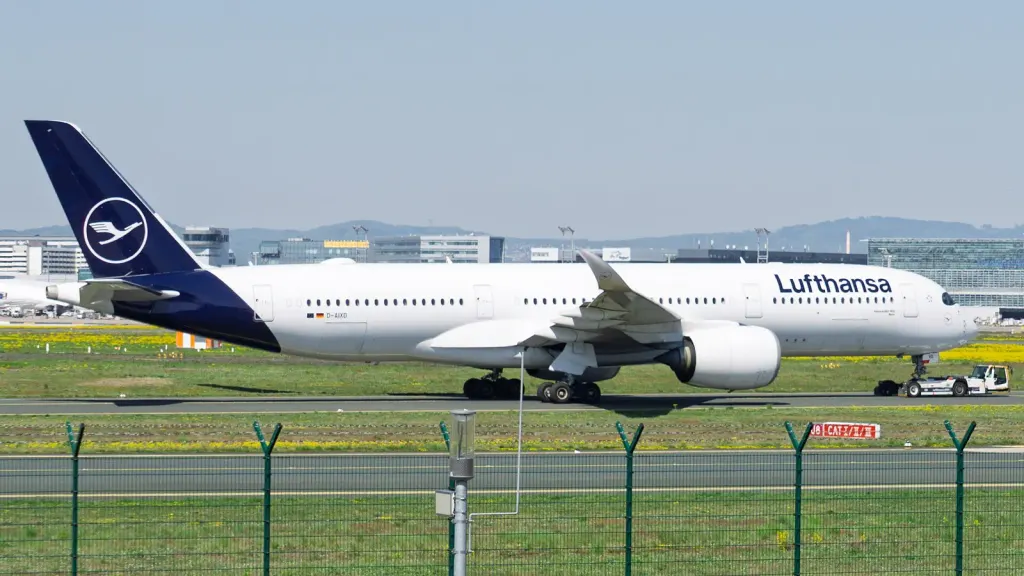
FRANKFURT — Lufthansa pilots have initiated a two-day strike affecting operations across Germany's major airports, grounding hundreds of flights and stranding thousands of passengers in the latest labor dispute to hit European aviation. The walkout, which began early Wednesday morning, has prompted warnings from cabin crew unions that similar industrial action may follow within days, threatening to compound disruptions for Germany's flagship carrier.
The Vereinigung Cockpit pilots' union called the strike after negotiations with Lufthansa management broke down over demands for salary increases and improved working conditions. Union representatives indicated the action affects Lufthansa's mainline operations from Frankfurt, Munich, and other German hubs, though subsidiaries including Eurowings and SWISS continue operating normally.
Flight tracking data showed widespread cancellations beginning Wednesday, with Lufthansa preemptively grounding services to minimize passenger inconvenience. The airline issued travel advisories urging customers to check flight status before departing for airports and offering rebooking options for affected travelers.
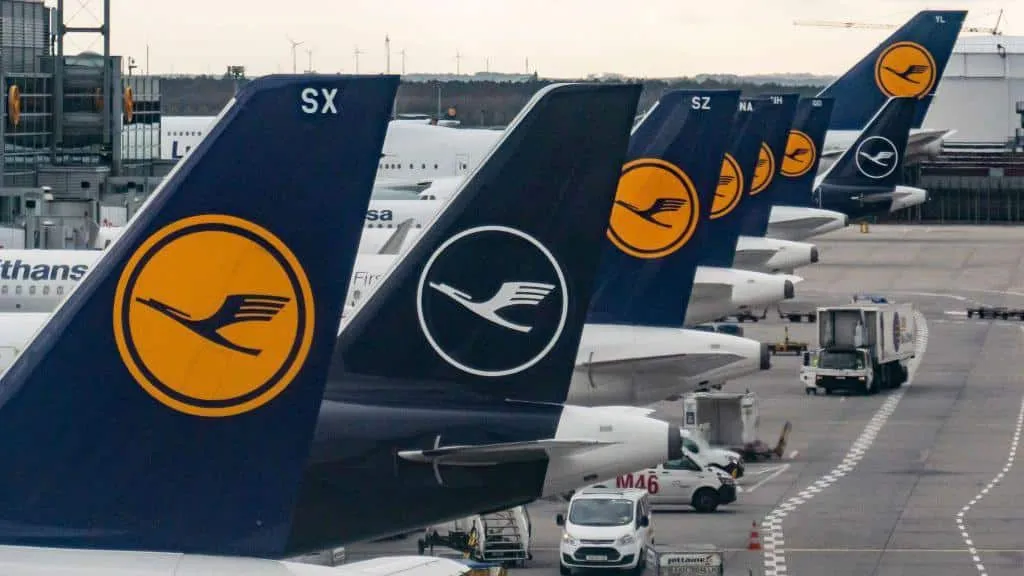
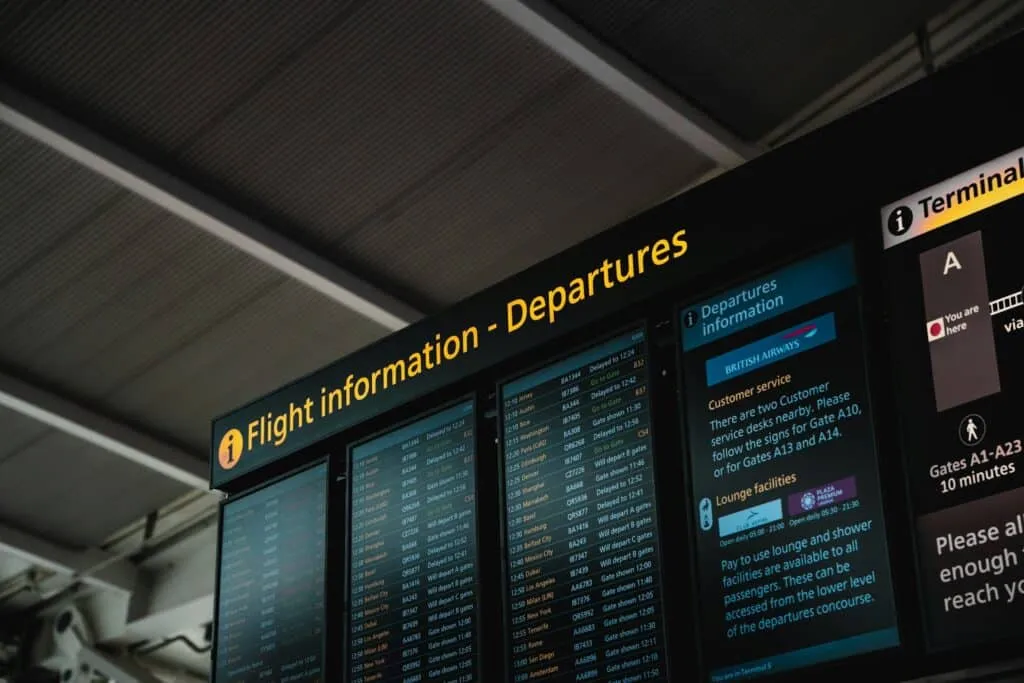
Airport departure boards at Frankfurt and Munich displayed rows of canceled flights throughout Wednesday, with long queues forming at Lufthansa service desks as passengers sought alternative arrangements. The airline activated contingency protocols including rebooking affected customers on partner carriers and providing hotel accommodations where overnight stays became necessary.
Lufthansa management released a statement expressing disappointment with the union's decision to strike, emphasizing that the carrier had offered what it described as competitive compensation packages. The airline noted it remains committed to reaching a negotiated settlement while working to minimize passenger disruption during the walkout period.
The pilots' demands center on salary increases reflecting inflation pressures and workload concerns that intensified during post-pandemic operational recovery. Union officials indicated pilots seek compensation adjustments addressing rising cost of living in Germany alongside measures to improve work-life balance after years of intense scheduling during the industry's rebound from COVID-19 disruptions.
Industry observers noted the Lufthansa pilots strike follows similar labor actions across European aviation in recent months, as airline employees leverage tight labor markets to press for improved terms. Cabin crew unions representing Lufthansa flight attendants have signaled readiness to launch their own strike action if ongoing negotiations fail to produce satisfactory outcomes.
UFO, the German cabin crew union, announced it would monitor the pilots' strike outcome before deciding whether to proceed with separate industrial action. Union representatives indicated cabin crew members face similar concerns regarding compensation and working conditions, suggesting potential for coordinated labor actions that could severely impact Lufthansa operations if both groups strike simultaneously.
The timing of the strike compounds challenges for Lufthansa as European airlines navigate the busy spring travel season. Business travelers and tourists face disrupted plans during a period when demand typically strengthens following winter lull. The carrier's hub operations at Frankfurt and Munich serve as critical European transit points, meaning cancellations ripple beyond German borders affecting connecting passengers worldwide.
Aviation analysts noted recent strikes across European carriers including British Airways, Air France, and Scandinavian Airlines reflect broader industry tensions as airlines balance recovery from pandemic losses against employee demands for compensation matching pre-crisis levels. Fuel price volatility and inflation have squeezed airline margins while employees argue their wages haven't kept pace with rising living costs.
Labor shortages affecting European aviation amplify workers' negotiating leverage, as airlines struggle to recruit and retain qualified personnel amid surging post-pandemic demand. Pilots particularly hold significant bargaining power given lengthy training requirements and regulatory qualifications limiting the available talent pool.
Passenger rights organizations advised affected travelers to document expenses incurred due to cancellations, noting European Union regulations entitle passengers to compensation and assistance including meals, accommodation, and alternative transportation depending on circumstances. Lufthansa's rebooking systems faced heavy load Wednesday as thousands of customers sought to rearrange disrupted itineraries.
The strike affects primarily short and medium-haul European services, though some long-haul routes also face cancellations or crew substitutions. Lufthansa's extensive network means disruptions propagate across multiple markets, with particular impact on business routes connecting German economic centers to other European capitals.
Corporate travel managers scrambled to arrange alternative transportation for business travelers, with some companies directing employees to Deutsche Bahn rail services for domestic German travel. Inter-European routes saw passengers rebooked onto competitors including Air France-KLM and International Airlines Group carriers where seat availability permitted.
German government officials declined to intervene directly in the labor dispute, characterizing it as a matter for negotiation between the airline and its employees. Transport ministry representatives emphasized the importance of both parties reaching agreement while acknowledging the significant inconvenience caused to traveling public.
The two-day strike timeline suggests both sides view the action as a pressure tactic rather than extended confrontation, with negotiations expected to resume following the walkout period. However, union officials warned additional strikes remain possible if Lufthansa fails to present improved offers addressing pilots' core concerns.
Lufthansa's share price declined modestly on Frankfurt exchange Wednesday as investors assessed potential financial impact from the strike and prospect of escalating labor tensions. Analysts noted the carrier's strong post-pandemic recovery provided financial capacity to address employee demands, though management faces pressure to control costs amid uncertain economic conditions.
The strike highlights persistent labor relations challenges facing European aviation as the industry transitions from crisis recovery to normalized operations. Airlines that slashed costs and reduced staffing during the pandemic now confront employees demanding restoration of previous compensation levels and improvements beyond pre-crisis terms.
Passenger advocacy groups called for better communication protocols during strikes, noting many travelers learned of cancellations only upon arriving at airports. Digital notification systems and proactive customer outreach could reduce inconvenience for affected passengers, consumer representatives argued.
As the strike entered its second day Thursday, attention shifted toward potential cabin crew action that could compound Lufthansa's operational challenges. The airline indicated it stands ready to resume full negotiations immediately upon conclusion of the pilots' walkout, expressing hope both sides can reach agreement preventing further disruptions.
Industry watchers expect resolution within coming weeks as both Lufthansa management and labor representatives recognize extended conflict serves neither party's interests during the crucial spring and summer travel season. The outcome will likely influence labor negotiations at other European carriers where similar tensions simmer between management and employee groups seeking post-pandemic compensation adjustments.
About the author
Radu Balas
Founder, Flying Engineer
View author profile Editorial policy and correctionsExplore Flight Schools
Browse 2,049 companiesCompare flight schools
Tell us what you want to learn and where, and we will pass it to suitable schools.