United Airlines CEO Reportedly Proposed American Airlines Merger, Raising Competition Concerns
 Radu BalasFounder, The Flying EngineerPublished Updated 4 min read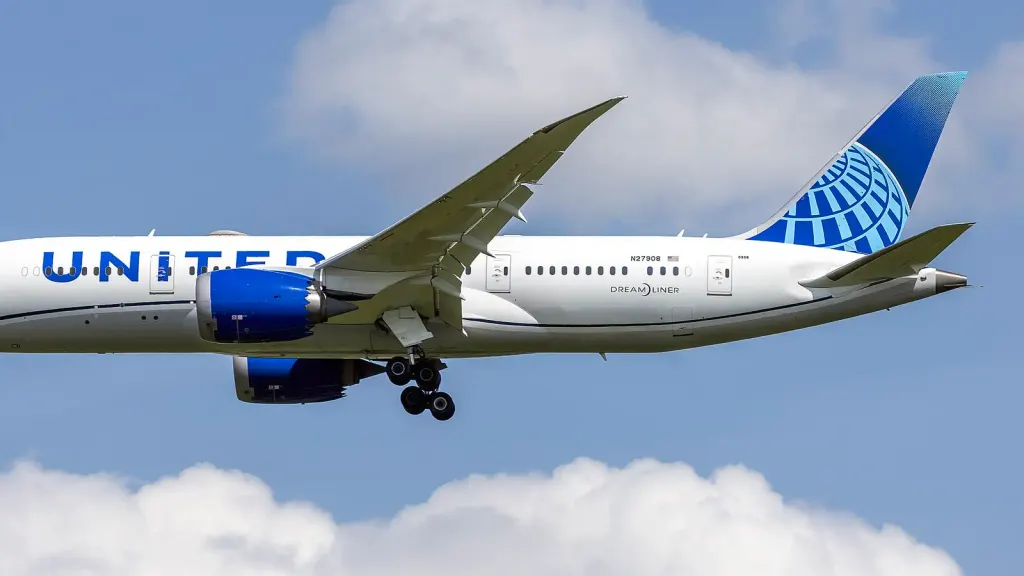
CHICAGO — United Airlines Chief Executive Scott Kirby reportedly approached American Airlines about a potential merger that would combine the nation's two largest carriers by fleet size, according to industry sources familiar with the discussions. The proposal, which would create an airline behemoth dominating U.S. air travel, has immediately drawn scrutiny from competition experts who argue such consolidation would face insurmountable regulatory opposition from antitrust authorities.
The reported merger pitch comes as U.S. airlines navigate complex market dynamics including persistent labor cost pressures, volatile fuel prices, and infrastructure constraints limiting growth at major hubs. Industry observers noted the timing reflects broader strategic questions facing legacy carriers seeking scale advantages in an increasingly competitive aviation landscape.
Sources indicated the preliminary discussions occurred in recent weeks, though neither United nor American Airlines have confirmed the reports or provided details regarding the scope or structure of any potential transaction. Both carriers declined to comment when contacted by The Flying Engineer, citing company policy against discussing market speculation or potential strategic initiatives.
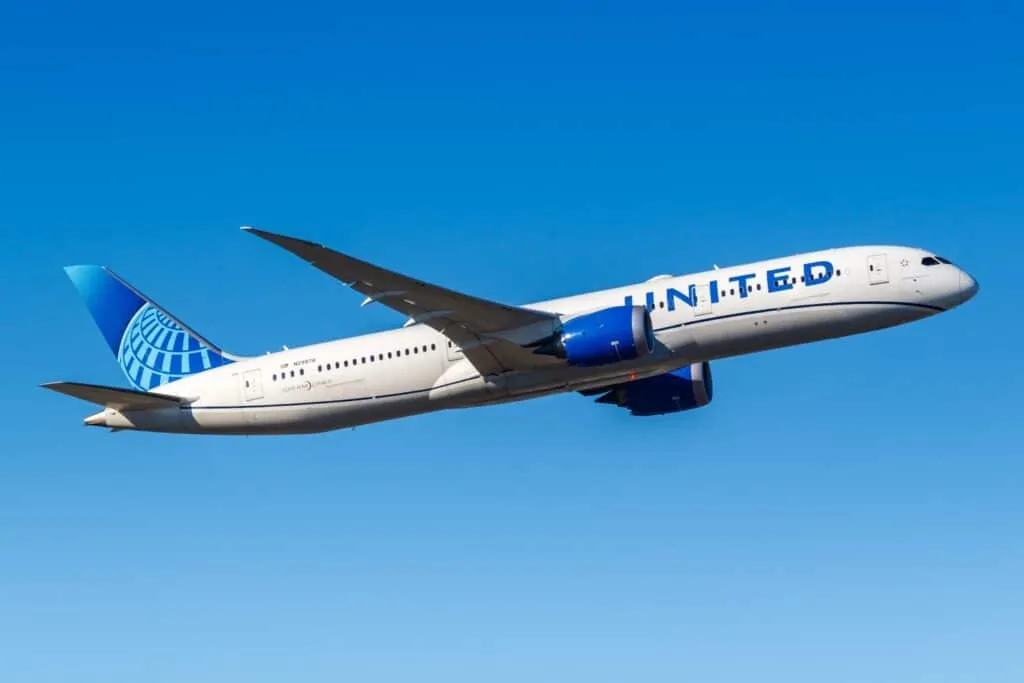
A combination between United and American would create a carrier controlling significant portions of U.S. domestic capacity and international routes, particularly to Latin America, Europe, and Asia-Pacific markets. The merged entity would operate hubs spanning Chicago, Houston, Denver, San Francisco, Dallas-Fort Worth, Charlotte, and other major cities, potentially dominating key business and leisure corridors.
Aviation antitrust experts immediately questioned whether such a merger could survive regulatory review under current U.S. competition policy. The Department of Justice and Department of Transportation maintain strict oversight of airline industry consolidation, having blocked or imposed severe conditions on previous merger attempts deemed harmful to consumer interests.
William Swelbar, an aviation industry researcher, noted that combining the nation's largest carriers by total aircraft count would likely face immediate opposition from regulators concerned about reduced competition on overlapping routes. The precedent established by successful challenges to airline partnerships and joint ventures suggests authorities would scrutinize market concentration effects across dozens of city-pair markets.
The U.S. airline industry has undergone significant consolidation over the past two decades, including Delta's acquisition of Northwest Airlines in 2008, United's merger with Continental Airlines in 2010, and American's combination with US Airways in 2013. Those transactions reduced the number of major U.S. network carriers from nine in the late 1990s to four today, alongside low-cost carriers including Southwest, Spirit, and Frontier.
Current market structure features Delta, United, American, and Southwest as dominant players, with Alaska Airlines and JetBlue maintaining significant regional presence. The Justice Department successfully blocked JetBlue's attempted acquisition of Spirit Airlines in 2024, citing competition concerns and demonstrating continued regulatory skepticism toward airline consolidation eliminating independent competitors.
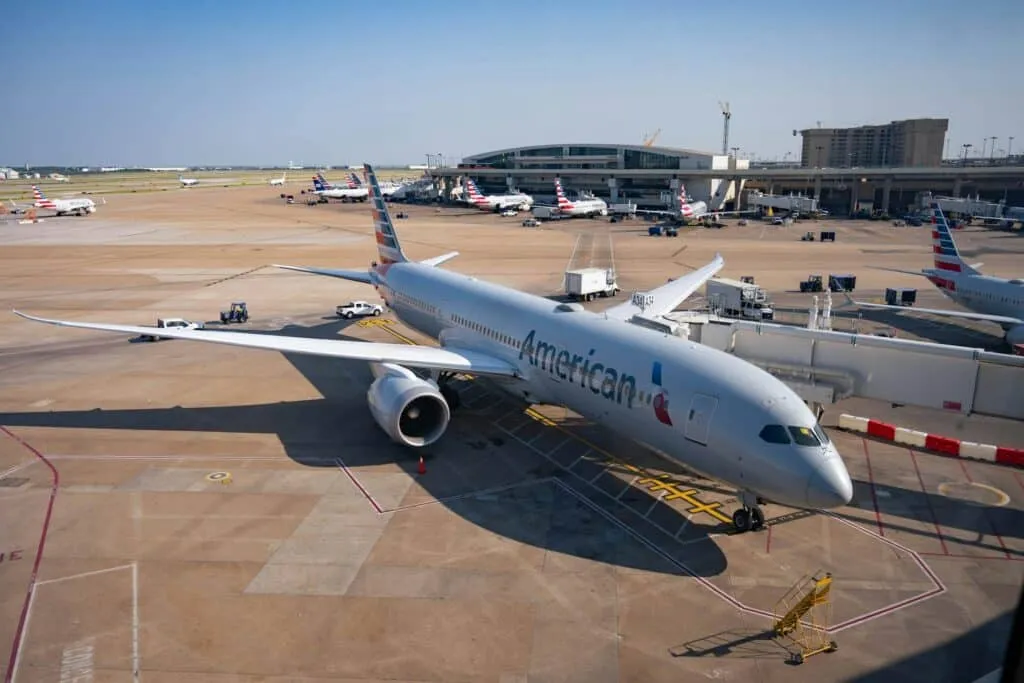
Competition advocates argue a United-American merger would reduce consumer choice on hundreds of routes where the carriers currently compete, potentially leading to higher fares and reduced service quality. Historical analysis of previous airline mergers shows ticket prices typically increase on routes where consolidation eliminates direct competition, though carriers argue efficiency gains offset these effects.
The combined carrier would control substantial market share at multiple major airports, raising concerns about gate access for competing airlines and new entrants. Hub dominance at facilities including Chicago O'Hare, where United and American both maintain significant operations, could create barriers to competition that regulatory authorities have historically viewed skeptically.
Industry analysts noted both United and American face ongoing challenges including pilot contracts requiring substantial wage increases, aircraft delivery delays from Boeing affecting fleet renewal plans, and infrastructure constraints at key airports limiting growth opportunities. These pressures create strategic incentives for consolidation, though regulatory realities may render such combinations impractical.
The reported merger discussions occur amid broader debate about airline industry economics and appropriate policy responses to market concentration. Consumer groups have consistently opposed further consolidation, arguing existing market structure already provides insufficient competition on many routes, particularly those connecting smaller cities to major hubs.
Labor unions representing pilots, flight attendants, and ground workers at both carriers would face complex integration challenges if any merger proceeded. Previous airline combinations required years-long processes to harmonize labor agreements, seniority lists, and operational procedures, creating significant execution risks even for transactions that clear regulatory hurdles.
Financial analysts questioned the strategic rationale for combining two legacy carriers with overlapping networks rather than pursuing growth through alternative strategies including aircraft acquisitions, route expansion, or partnership agreements. Both United and American have emphasized organic growth and operational improvements in recent strategic communications with investors.
International aviation alliances including Star Alliance, of which United is a member, and Oneworld, which counts American among its participants, already facilitate cooperation on global routes through code-sharing and joint ventures. These existing arrangements provide some benefits of combination without triggering antitrust scrutiny associated with full mergers.
Historical precedent suggests any formal merger proposal would require extensive regulatory review including detailed analysis of competitive effects in hundreds of markets, remedies to address concentration concerns, and public comment periods allowing stakeholder input. The timeline from initial filing to final approval or rejection typically spans 12 to 18 months for major airline transactions.
The Justice Department's Antitrust Division has demonstrated increased skepticism toward consolidation across industries during recent years, successfully challenging mergers in healthcare, technology, and transportation sectors. This regulatory environment suggests heightened scrutiny for any proposed airline combination, particularly one combining industry leaders with overlapping domestic and international networks.
Aviation industry observers noted alternative strategies available to both carriers including fleet optimization, network adjustments to emphasize profitable routes, and cost reduction initiatives that could achieve efficiency gains without requiring transformative mergers facing regulatory opposition. Both United and American have implemented such programs in recent years with varying degrees of success.
The reported merger discussions highlight ongoing strategic questions facing U.S. airlines as they balance growth aspirations against regulatory constraints, competitive dynamics, and operational challenges. Industry consolidation that seemed inevitable a decade ago now faces renewed resistance from authorities concerned about market power and consumer welfare effects.
As the report circulates within the aviation industry, attention turns to whether United and American will formally acknowledge discussions, pursue alternative strategic options, or abandon any merger considerations in recognition of regulatory realities. The outcome will likely influence consolidation prospects across the airline sector and signal regulatory appetite for combinations among major carriers in the current policy environment.
About the author
Radu Balas
Founder, Flying Engineer
View author profile Editorial policy and corrections