
Lycoming Engines
Piston aircraft engine manufacturer in Williamsport, Pennsylvania
 Pennsylvania
About Lycoming Engines
Lycoming Engines is a manufacturer of piston aircraft engines based in Williamsport, Pennsylvania, and an operating division of Avco Corporation. The business dates back to the Demorest Manufacturing Company, founded in 1845, which became Lycoming Foundry and Machine Company in 1907. Its first aircraft engine, the R-680 nine-cylinder radial, flew in 1929. Today it supplies engines for general aviation aircraft, aerobatic aircraft, piston helicopters and fleet operators such as flight schools and tour services.
Products
- Certified piston engines in the 235, 320, 360, 390, 540, 580 and 720 series
- iE2 electronically controlled engine and Thunderbolt custom-built engines
- Factory rebuilt engines, FAA-certified to zero-time status
- Overhauled engines restored to factory standards
- Genuine parts, including pistons, tappets, crankshafts and cylinder kits, and the Lycoming EIS engine information system
Services
Lycoming supports owners through authorized service centers, a distributor network, a product support hotline, technical publications and training courses. Its Materials Laboratory carries out destructive and non-destructive testing and performs forensic metallurgical evaluations for the FAA, NTSB and other authorities.
Company facts
- Building aircraft engines since 1929
- More than 300,000 engines built and more than 700 FAA-certificated engine models
- About 200,000 active engines in service
- AS9100 registered quality management system
- Shingo Prize for Operational Excellence in 2010
- States it is the only FAA-certified aerobatic piston engine manufacturer
- Engines used to standardise aircraft in the Red Bull Air Race World Championship
Contact
Phone: +1 570 323 6181 (US and Canada toll free 1-800-258-3279)
Location
652 Oliver Street, Williamsport, PA 17701, United States
Open in maps ↗More companies in United States, North America, Pennsylvania
Lycoming Engines in the news
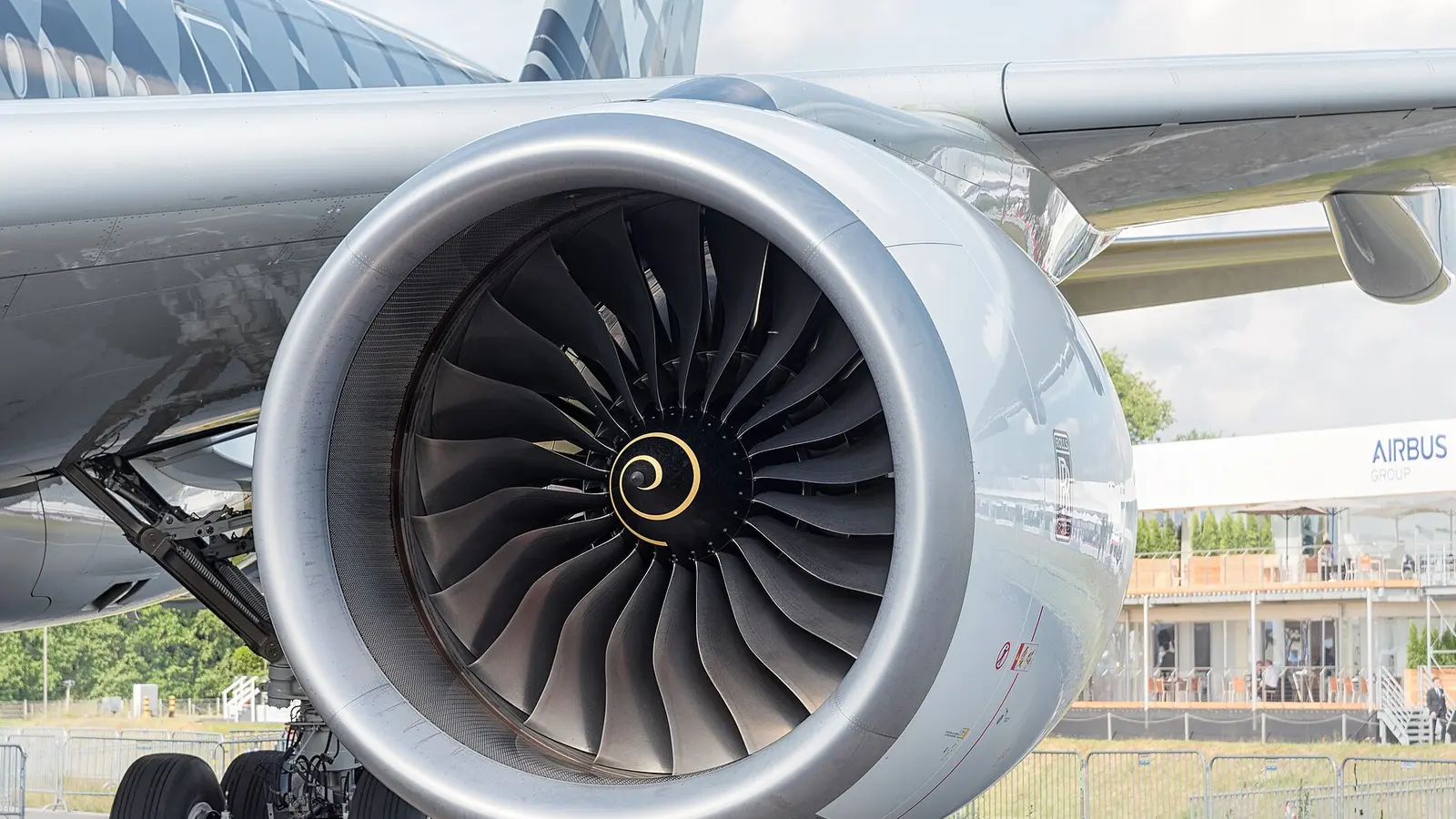
Shows where Lycoming Engines exhibits or has exhibited
All aviation events- 4
- events
- 3
- countries
- 0
- as sponsor
 View event
SUN 'n FUN Aerospace Expo
Exhibited in 2026. Next edition 6 to 11 April 2027 · Lakeland, United States
Stand D-040, D-041 (2026)2026 list; 2027 not published yet
 View event
AERO Friedrichshafen
Exhibited in 2026. Next edition 14 to 17 April 2027 · Friedrichshafen, Germany
Stand A2-211 (2026)2026 list; 2027 not published yet
 View event
France Air Expo
Exhibited in 2026. Next edition 27 to 29 May 2027 · Lyon, France
Exhibitor2026 list; 2027 not published yet
 View event
EAA AirVenture Oshkosh
26 July to 1 August 2027 · Oshkosh, United States
Exhibitor
From the organisers’ published exhibitor and sponsor lists.
Companies exhibiting at the same events
Directory companies that exhibit at the same shows as Lycoming Engines, most shared events first.





Similar manufacturers

3Chem Corporation
Manufacturers · Oklahoma
Aircraft paints and coatings made in Oklahoma, sold worldwide
View company
3D Composites, LLC
Manufacturers · United States
3D printing and composite parts services near Seattle
View company
3G Shielding Specialties
Manufacturers · United States
EMI and RF shielding products for electronics, made in Florida
View company
3H Communication Systems
Aviation Telecommunication · California
3H Communication Systems is an AS9100 and ISO 9001:2015 certified wireless infrastructure and microwave solutions company in Irvine, California, with decades of expertise in RF
View company