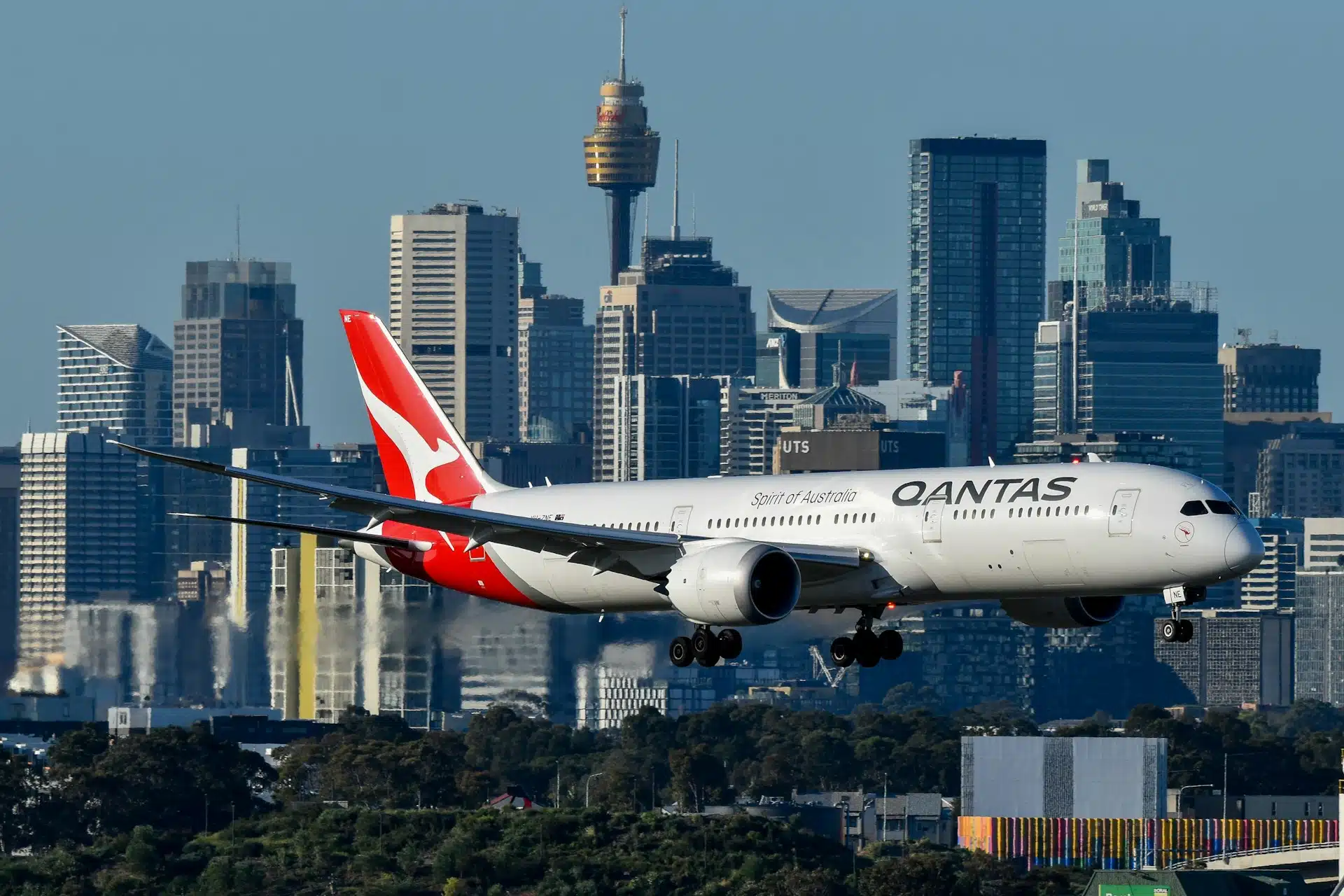
The cabin crew profession attracts thousands of applicants annually with promises of international travel, glamorous destinations, and unique lifestyle opportunities. However, the financial reality of Qantas cabin crew salary structures reveals a more nuanced picture that balances competitive compensation with demanding schedules and irregular work patterns.
Qantas Airways, Australia’s flag carrier and one of the world’s longest-established airlines, maintains a structured pay framework reflecting its position as a premium full-service carrier. Understanding Qantas flight attendant salary requires examining base pay, flying allowances, duty premiums, and additional benefits that combine to create total compensation packages.
In 2026, cabin crew salary Australia ranges vary significantly based on experience level, route assignments, and roster intensity. Entry-level Qantas cabin crew typically earn total compensation between AUD 65,000-70,000 annually (USD 43,100-46,400), while senior pursers and lead attendants can reach AUD 90,000-105,000+ (USD 59,800-69,800) when including all allowances and premiums.
This comprehensive analysis examines the complete compensation structure, lifestyle realities, career progression pathways, and how Qantas compares with other major carriers globally. For those considering aviation careers, understanding these financial and lifestyle factors proves critical to making informed decisions.

How Cabin Crew Salaries Work in Airlines
Airline cabin crew compensation differs fundamentally from traditional salaried positions. Unlike office-based roles with fixed monthly pay, flight attendant pay combines multiple components that fluctuate based on flying activity, route types, and duty patterns.
Base Salary Component
Base salary represents the guaranteed minimum annual income regardless of flying activity. This foundational pay typically covers approximately 70-85 hours of flight time monthly at full-service carriers like Qantas.
Base rates increase with seniority and grade progression, moving from junior cabin crew through senior attendants to purser and lead positions. Annual increments typically apply for the first 5-8 years of service, after which pay plateaus unless promoted to higher grades.
Qantas base salaries in 2026 start around AUD 60,000 annually for new cabin crew, forming the foundation upon which additional compensation builds through flying activity and duty assignments.
Flying Hour Allowances
Flying hour pay adds compensation for actual time spent in the air beyond base-covered hours. This performance-based component rewards crew members working intensive rosters or long-haul international flights that exceed standard monthly minimums.
Premium routes, particularly ultra-long-haul services to London, New York, or Dallas, generate substantially higher flying hour payments than domestic shuttles between Sydney, Melbourne, and Brisbane. International crew typically accumulate more monthly hours than domestic-only counterparts.
Per-hour rates vary by aircraft type, route length, and crew grade. Senior cabin crew and pursers receive higher hourly rates than junior attendants for identical flying time, reflecting increased responsibility for safety oversight and service coordination across different aircraft types.
Duty Premiums and Additional Pay
Airlines compensate for antisocial working hours through various premium payments. Night shifts, weekend duties, and public holiday operations trigger additional hourly rates recognizing the irregular nature of aviation scheduling.
Layover allowances cover accommodation, meals, and incidental expenses during overnight stays in destinations. International layovers in expensive cities like London or New York provide higher daily allowances than domestic overnight stops.
Standby duty, reserve availability, and last-minute roster changes may also attract compensation, though rates vary by airline and collective bargaining agreements between management and unions representing cabin crew.
Qantas Cabin Crew Salary in 2026
Qantas maintains transparent pay structures governed by enterprise agreements negotiated with the Flight Attendants’ Association of Australia. These agreements establish minimum rates, allowances, and working conditions across all cabin crew grades.
Entry-Level Cabin Crew Earnings
New Qantas cabin crew in 2026 receive a base annual salary around AUD 60,000 (approximately USD 39,800 based on current exchange rates). This base rate covers standard monthly flying hours and basic duty requirements.
When flying allowances and duty pay are applied, most entry-level crew members earn total compensation between AUD 65,000 and AUD 70,000 annually (USD 43,100 to USD 46,400). Actual earnings depend on roster assignments, whether primarily domestic or international, and monthly flying hour totals.
First-year crew typically fly domestic routes initially, building experience and familiarity with Qantas service standards before qualifying for international assignments. Domestic-heavy rosters generally produce lower total earnings than international-focused schedules due to fewer flying hours and lower allowances.
Mid-Career Cabin Crew Compensation
Cabin crew with several years of service progress through seniority scales, earning annual base salary increases and gaining access to premium international routes. Mid-career crew members typically have 3-7 years of service and regularly work both domestic and international operations.
Total annual compensation for mid-career Qantas cabin crew ranges between AUD 75,000 and AUD 85,000 (USD 49,800 to USD 56,400) when combining base salary, flying hour pay, and various duty allowances. This level reflects established seniority and consistent international roster assignments.
Experience brings route preference seniority, allowing more senior crew to bid for desirable international sectors to London, Los Angeles, Singapore, or Tokyo that offer better layover destinations and higher total compensation through increased flying hours.
Senior Cabin Crew and Purser Salaries
Senior cabin crew, including lead attendants, pursers, and customer service managers, represent the highest-paid non-management positions in the cabin. These roles carry additional responsibility for crew coordination, safety oversight, and premium cabin service delivery.
Senior cabin crew and pursers typically earn between AUD 90,000 and AUD 105,000 annually (USD 59,800 to USD 69,800), with top earners potentially exceeding these ranges through intensive long-haul rosters and maximum duty hour assignments.
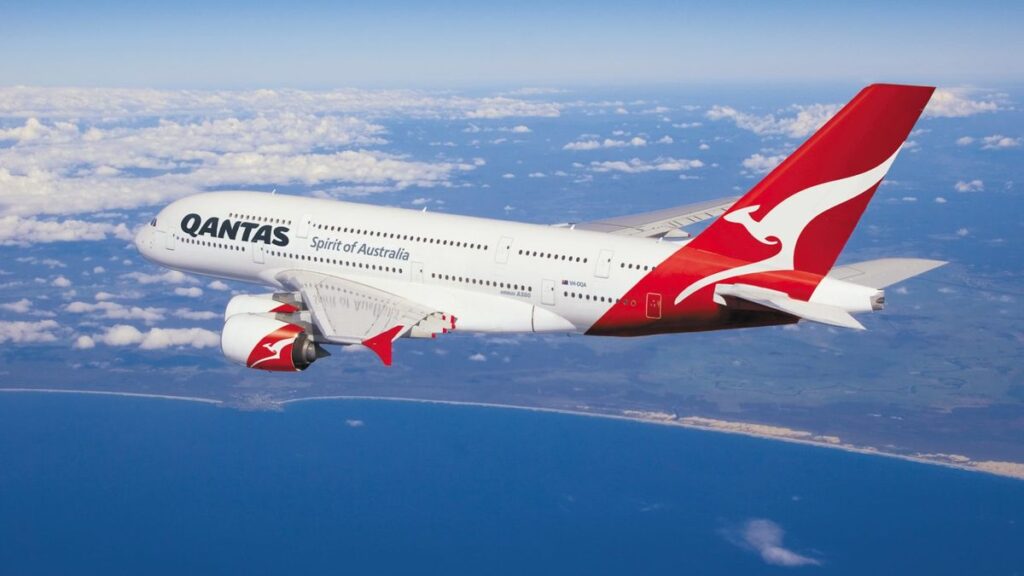
Purser positions on flagship routes like Sydney-London or Melbourne-Dallas command premium compensation due to increased responsibility managing larger crews on widebody aircraft like Boeing 787 Dreamliners and Airbus A380s serving 300+ passengers.
Domestic vs International Cabin Crew Pay
Route assignments significantly impact total cabin crew earnings at Qantas. The airline operates both extensive domestic networks within Australia and long-haul international services across six continents, creating distinct compensation patterns for crew working different route types.
Domestic Route Compensation
Domestic cabin crew primarily work short-haul sectors between major Australian cities including Sydney, Melbourne, Brisbane, Perth, Adelaide, and Canberra. Typical domestic flights range from 1-5 hours, with crew often completing multiple sectors daily.
Domestic rosters generate lower flying hour totals compared to international operations. A crew member working exclusively domestic routes might accumulate 70-85 flying hours monthly, compared to 85-100+ hours for international-focused colleagues.
Domestic crew receive lower layover allowances and fewer duty premiums because most trips involve same-day returns rather than overnight stays. Total annual earnings for primarily domestic crew typically fall in the AUD 65,000-75,000 range even with several years of experience.
International Route Premium
International cabin crew work long-haul sectors to destinations across Asia, Europe, the Americas, and the Pacific. Routes like Sydney-London (approximately 17 hours nonstop) or Melbourne-Dallas (approximately 16 hours) accumulate substantial flying hours per trip.
Long-haul international operations generate higher total compensation through multiple mechanisms. Greater flying hours per roster period, extended layover allowances in international cities, and premium rates for ultra-long-haul sectors all contribute to increased earnings.
International crew also benefit from per diem allowances covering meals and incidentals during multi-day layovers abroad. A London layover might provide AUD 100-150 daily allowance, while Sydney-Singapore-London rotations could involve 3-4 days away from base.
Senior international cabin crew working intensive long-haul rosters can push total annual compensation toward AUD 95,000-105,000 through maximizing flying hours, premium route assignments, and duty allowances unavailable to domestic-only counterparts.
Qantas Cabin Crew Salary Breakdown (2026)
The following table provides a comprehensive overview of Qantas cabin crew compensation across experience levels and crew grades, showing both base salary and total compensation when allowances and flying hour pay are included:
| Experience Level | Base Salary (AUD) | Total Compensation (AUD) | Total Compensation (USD) | Route Focus |
|---|---|---|---|---|
| Entry-Level (0-2 years) | ~$60,000 | $65,000-$70,000 | $43,100-$46,400 | Primarily domestic |
| Mid-Career (3-7 years) | ~$68,000-$75,000 | $75,000-$85,000 | $49,800-$56,400 | Mixed domestic/international |
| Senior Crew (8+ years) | ~$80,000-$88,000 | $88,000-$98,000 | $58,400-$65,000 | International focus |
| Lead/Purser Roles | ~$85,000-$95,000 | $90,000-$105,000+ | $59,800-$69,800+ | Long-haul international |
Note: Exchange rate approximately AUD 1.51:1 USD. Total compensation includes base salary, flying hour allowances, duty premiums, and layover per diems. Actual earnings vary based on individual roster patterns and flying activity.
Benefits and Perks at Qantas
Beyond direct salary, Qantas cabin crew receive comprehensive benefits packages that add substantial value to total compensation. These non-monetary benefits significantly impact quality of life and long-term financial security.
Key Qantas cabin crew benefits include:
- Travel Privileges – Heavily discounted or standby travel across the entire Qantas network and partner airlines including Emirates, American Airlines, and oneworld alliance carriers. Benefits often extend to immediate family members, making personal international travel affordable.
- Flying Hour Allowances – Additional pay beyond base salary for hours flown, calculated per flight hour with rates increasing for senior crew grades and premium international routes.
- Premium Pay for Irregular Hours – Enhanced rates for night flights, weekend duties, and public holiday operations recognizing the antisocial nature of aviation scheduling. Night premiums can add 15-25% to hourly rates.
- Health and Medical Insurance – Comprehensive health coverage including hospitalization, medical consultations, and emergency care for crew members and eligible dependents, reducing out-of-pocket healthcare expenses.
- Superannuation (Retirement Savings) – Employer contributions to retirement savings accounts, currently mandated at 11.5% of ordinary earnings in Australia with potential for salary sacrifice arrangements to boost retirement funds.
- Paid Training and Uniform Support – Initial training provided with pay during the qualification period. Required uniforms supplied and maintained by the airline, eliminating significant personal expenses for professional presentation.
- Annual Leave and Rest Provisions – Paid annual leave typically 4-5 weeks annually, plus sick leave entitlements and statutory holidays. Rosters designed with mandatory rest periods between duty assignments ensuring compliance with aviation safety regulations.
- Layover Allowances – Daily per diem payments during international layovers covering meals and incidental expenses. Rates vary by destination, typically AUD 80-150+ daily depending on city cost of living.
- Employee Assistance Programs – Access to counseling, mental health support, and wellness resources addressing the unique psychological demands of irregular schedules and extended time away from home.
- Career Development Opportunities – Internal training programs supporting advancement to senior cabin crew, purser positions, and potential transitions into ground-based operational roles or management.
Long-Term Financial Value
The combination of travel benefits, superannuation contributions, and health coverage adds significant value beyond stated salaries. Crew members utilizing travel privileges extensively can save thousands annually on personal vacations that would otherwise cost tens of thousands for equivalent commercial fares.
Superannuation employer contributions of 11.5% on a mid-career salary of AUD 80,000 equals approximately AUD 9,200 annually flowing into retirement accounts. Over a 20-year cabin crew career, this compounds to substantial retirement savings independent of personal contributions.

Work Schedule and Lifestyle Realities
Cabin crew careers involve distinctive lifestyle patterns that differ fundamentally from traditional nine-to-five employment. Understanding these realities proves essential for anyone considering this profession, as schedule irregularity impacts both personal life and total compensation.
Roster Patterns and Duty Hours
Qantas cabin crew work variable monthly rosters typically published 4-6 weeks in advance. Rosters mix early morning departures, late evening services, overnight flights, and multi-day international trips creating irregular sleep patterns and unpredictable weekly schedules.
A typical month might include 12-18 duty days with individual shifts ranging from 6-hour domestic days to 3-4 day international rotations. Rest days scatter throughout the month rather than clustering into predictable weekends, complicating social planning and family commitments.
International long-haul crew might work patterns like: Sydney-London (17 hours flying + 48-hour layover) – London-Sydney return (17 hours) – followed by 3-4 days off before the next sequence. These compressed intensive periods alternate with recovery time.
Work-Life Balance Challenges
Irregular schedules create challenges for maintaining relationships, attending family events, and participating in activities requiring fixed weekly commitments. Missing birthdays, holidays, and social gatherings becomes routine when rosters assign duty during these periods.
Partners and families must adapt to unpredictable presence, with crew members sometimes away for 4-5 consecutive days on international rotations. Childcare arrangements become complex when one parent works rotating early starts, late finishes, and multi-day absences.
However, some crew members appreciate the flexibility of varied rosters. Mid-week days off when attractions are less crowded, ability to schedule personal appointments during business hours, and compressed work patterns allowing extended time off appeal to those valuing schedule variety over routine.
Physical and Mental Demands
Cabin crew work involves significant physical requirements including extended periods standing, lifting heavy luggage and service equipment, and managing jet lag from rapid time zone changes. Long-haul international crew regularly cross 8-12 time zones, disrupting circadian rhythms and sleep quality.
Customer service responsibilities require maintaining professional demeanor and service standards even when fatigued, dealing with difficult passengers, or managing medical emergencies at 35,000 feet. The combination of physical demands and emotional labor creates unique stress profiles.
Airlines including Qantas provide wellness support and fatigue management training, but the fundamental nature of aviation operations means irregular hours and jet lag remain inherent aspects of the profession rather than problems that can be eliminated.
Career Progression Pathways
Qantas offers structured advancement opportunities allowing ambitious cabin crew to increase earnings and responsibility throughout their careers. Progression typically follows defined pathways based on experience, performance, and successful completion of additional training programs.
Entry to Senior Cabin Crew
New cabin crew begin as junior attendants working under supervision of senior colleagues and pursers. After 2-3 years demonstrating safety competency and service excellence, crew members become eligible for senior cabin crew positions carrying increased responsibility.
Senior cabin crew roles involve mentoring junior colleagues, assisting pursers with service coordination, and taking charge during specific service phases or in premium cabins. This progression typically increases base salary by AUD 8,000-15,000 annually and provides access to higher hourly flying rates.
Promotion to senior cabin crew requires demonstrated performance, safety knowledge, and customer service standards plus successful completion of additional training modules covering leadership, crew resource management, and advanced service delivery.
Purser and Lead Attendant Positions
Pursers serve as senior crew members in charge of entire cabin operations during flights, reporting directly to flight deck crew on safety matters and coordinating service delivery across potentially dozens of cabin crew on widebody international aircraft.
Achieving purser status typically requires 7-10+ years of service, proven leadership ability, and extensive safety and service training. Pursers earn substantially higher base salaries (AUD 85,000-95,000) and premium flying hour rates reflecting their operational authority.
Customer Service Managers (CSMs) represent the highest cabin crew grade, managing premium cabin service and overall passenger experience on flagship routes. CSM positions attract top compensation within non-management cabin crew roles, potentially exceeding AUD 105,000 annually.
Transitions Beyond Cabin Service
Experienced cabin crew can transition into ground-based roles including recruitment, training instruction, crew rostering, customer service management, or operational support positions. These transitions offer regular schedules and elimination of flying-related lifestyle challenges.
Some cabin crew pursue management pathways into inflight service management, airport operations, or broader airline commercial roles. Qantas encourages internal mobility, with cabin crew experience valued for customer-facing management positions across the organization.
Others leverage aviation industry knowledge to move into related sectors including travel industry roles, hospitality management, corporate training, or customer experience consulting where airline service expertise transfers effectively. Some pursue roles in emerging aviation sectors as the industry evolves.
How Qantas Salaries Compare Globally
Comparing cabin crew compensation across airlines requires accounting for currency values, cost of living, taxation rates, and benefits packages. Australian cabin crew salaries reflect the country’s high living costs and strong labor protections but sit below some Middle Eastern and Asian carriers in absolute terms.
Comparison with Middle Eastern Carriers
Emirates, Etihad, and Qatar Airways cabin crew often earn tax-free salaries ranging from USD 30,000-50,000 for junior crew to USD 55,000-75,000+ for senior positions when including flying allowances and layover per diems.
However, Middle Eastern carriers typically provide accommodation, transportation, and utilities as part of employment packages, significantly reducing living expenses. These benefits partially offset lower base salaries compared to Qantas when calculating take-home value.
Qantas cabin crew pay income tax in Australia (approximately 20-32% for most crew income brackets), while Middle Eastern carriers offer tax-free earnings. This taxation difference means a Qantas crew member earning AUD 80,000 takes home roughly AUD 55,000-60,000 after tax, while an Emirates crew member earning equivalent USD 53,000 keeps the full amount.
Comparison with Asian Full-Service Carriers
Singapore Airlines cabin crew earn approximately SGD 54,000-84,000 annually (USD 40,000-62,000) including flying allowances, representing similar purchasing power to Qantas when accounting for Singapore’s high cost of living.
Cathay Pacific cabin crew in Hong Kong earn approximately HKD 240,000-420,000 (USD 31,000-54,000), while ANA and JAL cabin crew in Japan earn approximately JPY 3.5-5.5 million (USD 24,000-37,000), both lower than Qantas in absolute terms but reflecting different cost structures in respective home markets.
Thai Airways, Malaysia Airlines, and other Southeast Asian carriers generally offer lower compensation ranging USD 18,000-35,000 annually, though these figures provide comfortable living standards in their respective countries given lower costs.
Comparison with Low-Cost Carriers
Australian low-cost carriers including Jetstar (Qantas subsidiary) and Virgin Australia typically pay cabin crew 15-25% less than Qantas for equivalent experience levels. Jetstar cabin crew earn approximately AUD 50,000-75,000 total compensation compared to Qantas’ AUD 65,000-90,000 range.
European low-cost carriers like Ryanair and easyJet pay entry-level cabin crew as little as EUR 12,000-24,000 (USD 13,000-26,000) base salary, though supplemented by sales commissions and flying hour pay that can double base earnings for high performers.
The tradeoff involves reduced job security, fewer benefits, and more intensive flying schedules at low-cost carriers compared to Qantas’ full-service model with comprehensive benefits and stronger union protections.
Is It Worth Becoming Cabin Crew at Qantas?
Whether a Qantas cabin crew career makes financial and lifestyle sense depends heavily on individual priorities, career goals, and how one values travel opportunities versus compensation levels and schedule predictability.
Financial Advantages
Positive financial aspects include:
- Competitive Australian market salaries with union-negotiated pay scales ensuring fair compensation and regular increases
- Comprehensive benefits including health coverage, superannuation, and paid leave adding substantial value beyond stated salary
- Travel privileges potentially saving tens of thousands annually on personal vacations and family travel
- No university degree required, providing career access without student loan debt burdens affecting many graduate professions
- Structured career progression offering clear pathways to increase earnings through seniority and grade advancement
- Job security with established legacy carrier backed by strong union representation and employment protections
Financial and Lifestyle Limitations
Challenging aspects include:
- Total compensation below many graduate professional roles requiring similar time investment (engineering, accounting, finance typically pay AUD 75,000-95,000 entry-level with faster progression)
- Irregular schedules disrupting social life, relationships, and ability to maintain external commitments or side businesses
- Physical demands and jet lag creating health challenges that can compound over years of international flying
- Limited earning growth potential beyond purser levels without transitioning to management or leaving cabin service entirely
- Vulnerability to industry downturns, as demonstrated during COVID-19 when many cabin crew faced extended unpaid leave
- Difficulty building external professional networks and skills when primary work environment is aircraft rather than broader business environments
Who Thrives in Cabin Crew Careers
Cabin crew careers suit individuals who prioritize travel opportunities, cultural experiences, and schedule variety over maximum earnings potential and routine weekly patterns. Those passionate about customer service, comfortable with uncertainty, and valuing diverse experiences over predictable advancement find strong satisfaction.
The role particularly appeals to younger professionals (early 20s-30s) without family commitments who can fully embrace irregular schedules and international layovers. Travel privileges deliver maximum value when individuals have flexibility to use discounted flights extensively.
Conversely, those prioritizing maximum earnings, career advancement into senior leadership, predictable work-life balance, or raising young families may find cabin crew lifestyle challenges outweigh compensation and travel benefits despite Qantas’ competitive pay structure.
Frequently Asked Questions
What is the monthly salary for Qantas cabin crew?
Qantas cabin crew monthly salary varies by experience and flying activity. Entry-level crew earn approximately AUD 5,400-5,800 monthly (USD 3,600-3,900), while mid-career crew receive AUD 6,250-7,100 monthly (USD 4,150-4,700). Senior cabin crew and pursers earn AUD 7,500-8,750+ monthly (USD 5,000-5,800+).
These figures include base salary, flying hour allowances, and duty premiums. Actual monthly earnings fluctuate based on roster intensity, international versus domestic assignments, and whether the month includes premium rate periods like Christmas or Easter.
What benefits do Qantas flight attendants receive?
Qantas cabin crew receive comprehensive benefits including heavily discounted travel across Qantas and partner airline networks for crew members and immediate family, health and medical insurance covering hospitalization and medical care, superannuation contributions currently at 11.5% of earnings building retirement savings, paid training and uniforms eliminating qualification costs, annual leave typically 4-5 weeks plus sick leave, layover allowances of AUD 80-150+ daily during international trips, premium pay for nights/weekends/holidays adding 15-25% to hourly rates, and employee assistance programs providing counseling and wellness support. These benefits add substantial value beyond stated salaries.
What are the requirements to become Qantas cabin crew?
Qantas cabin crew applicants must meet several requirements: minimum 18 years of age, maximum height of 186cm with ability to reach 212cm overhead barefoot simultaneously with both hands, unlimited Australian working rights (or Singapore working rights for Singapore-based positions), valid passport with 12+ months validity ensuring unrestricted access to all Qantas destinations, strong English communication skills both written and verbal, Responsible Service of Alcohol certification from nationally accredited provider, ability to pass comprehensive pre-employment medical examination, and excellent health/fitness including ability to swim 50 meters fully clothed and tread water for 3 minutes unassisted. No previous aviation experience required, but customer service background advantageous.
How does Qantas cabin crew lifestyle affect work-life balance?
Qantas cabin crew experience irregular schedules with unpredictable patterns including early morning starts (4-5am), late evening finishes (past midnight), overnight flights, and multi-day international rotations. Rosters published 4-6 weeks advance mix 12-18 duty days monthly with rest days scattered throughout rather than clustering into weekends.
International crew may be away 3-5 consecutive days on long-haul rotations to London, Los Angeles, or Dallas, creating challenges for maintaining relationships and family commitments. However, some crew appreciate mid-week days off, compressed work patterns allowing extended breaks, and flexibility unavailable in traditional Monday-Friday roles. The lifestyle suits those comfortable with uncertainty and irregular hours over predictable routine.
Can Qantas cabin crew transition to other airline roles?
Yes, Qantas cabin crew can transition into various airline positions including ground-based operational roles such as crew rostering, customer service management, and airport operations coordination. Experienced crew often move into cabin crew training and recruitment positions sharing expertise with new hires. Some pursue management pathways into inflight service management or broader commercial roles within Qantas.
Others leverage aviation industry knowledge to transition to related sectors including travel agencies, hospitality management, corporate training, or customer experience consulting. Internal mobility is encouraged, with cabin crew experience valued for customer-facing positions. However, transitions requiring specific qualifications (pilots, engineers, etc.) necessitate separate training and certification pathways.
How do Qantas salaries compare to other Australian airlines?
Qantas cabin crew salaries represent the highest among Australian carriers for full-service airlines. Virgin Australia cabin crew earn approximately AUD 58,000-85,000 annually, slightly below Qantas’ AUD 65,000-105,000 range. Jetstar, Qantas’ low-cost subsidiary, pays AUD 50,000-75,000 total compensation, approximately 15-25% less than Qantas mainline for equivalent experience levels.
Regional carriers like QantasLink and Virgin Australia Regional offer lower compensation ranging AUD 45,000-65,000 reflecting smaller aircraft and shorter routes. However, Qantas also requires higher service standards, more intensive training, and greater operational complexity compared to low-cost competitors, justifying the premium compensation. All Australian airlines must comply with Fair Work regulations ensuring minimum employment standards regardless of carrier.
Conclusion
Qantas cabin crew careers in 2026 offer competitive compensation ranging from AUD 65,000-70,000 for entry-level positions to AUD 90,000-105,000+ for senior pursers and lead attendants. These earnings reflect Australia’s premium full-service aviation market, strong union representation, and comprehensive benefits packages including travel privileges, health coverage, and superannuation contributions.
The profession combines financial stability with unique lifestyle experiences, international travel opportunities, and structured career progression pathways. However, irregular schedules, physical demands, jet lag, and work-life balance challenges require careful consideration before committing to this career path.
Qantas cabin crew salaries exceed most Australian carriers and provide comfortable living standards, though total compensation trails many graduate professional roles and lacks the explosive growth potential of corporate career tracks. The role particularly suits individuals prioritizing travel, cultural experiences, and schedule variety over maximum earnings and predictable advancement.
For those passionate about aviation, customer service, and international experiences, Qantas offers among the best cabin crew opportunities in the Asia-Pacific region with fair pay, comprehensive benefits, and the stability of working for one of the world’s most established airlines. Understanding both the financial realities and lifestyle demands proves essential for making informed career decisions in this unique profession.