
Gulf airlines are gradually restoring flight operations three weeks after escalating conflict forced widespread cancellations, but activity remains 15-25% below pre-conflict levels across the region’s major carriers. Emirates, Qatar Airways, Etihad, and flydubai have collectively restored approximately 75-85% of scheduled services, with more than 12,000 flights cancelled and 1.8 million passengers disrupted since late February when airspace restrictions intensified.
The recovery timeline extends far longer than initial industry projections anticipated. Airlines face continued airspace closures, extended routing requirements adding 1-3 hours to flight times, and fuel costs running $3-7 million daily above normal levels. The operational disruption has triggered cascading effects throughout global aviation, forcing European and Asian carriers to adjust their Middle East transit strategies.
Dubai International Airport, the world’s second-busiest international hub handling 90 million annual passengers, operates at 78-82% of February capacity. Doha’s Hamad International Airport shows similar constraints at 82-86% capacity. The hub-and-spoke model that made Gulf carriers dominant in long-haul connecting traffic now amplifies disruption as single route cancellations affect dozens of passenger connections. Industry data confirms Dubai’s hub status makes it particularly vulnerable to regional airspace restrictions.
Flight Activity Remains Below Pre-Conflict Levels
Emirates operates approximately 1,000-1,100 daily flights compared to 1,250-1,300 before conflict escalation, representing 19-24% capacity reduction. The carrier has restored services on primary European and Asian routes but maintains reduced frequency on secondary markets. Load factors remain strong at 82-86% on operating flights, indicating demand exceeds available capacity on premium routes.

Qatar Airways shows stronger recovery, operating 84-88% of pre-conflict schedule with 950-1,000 daily flights. The airline benefits from more flexible routing options and smaller average aircraft size allowing faster schedule adjustments. Qatar’s extensive codeshare partnerships with oneworld alliance members provide alternative routing for disrupted passengers.
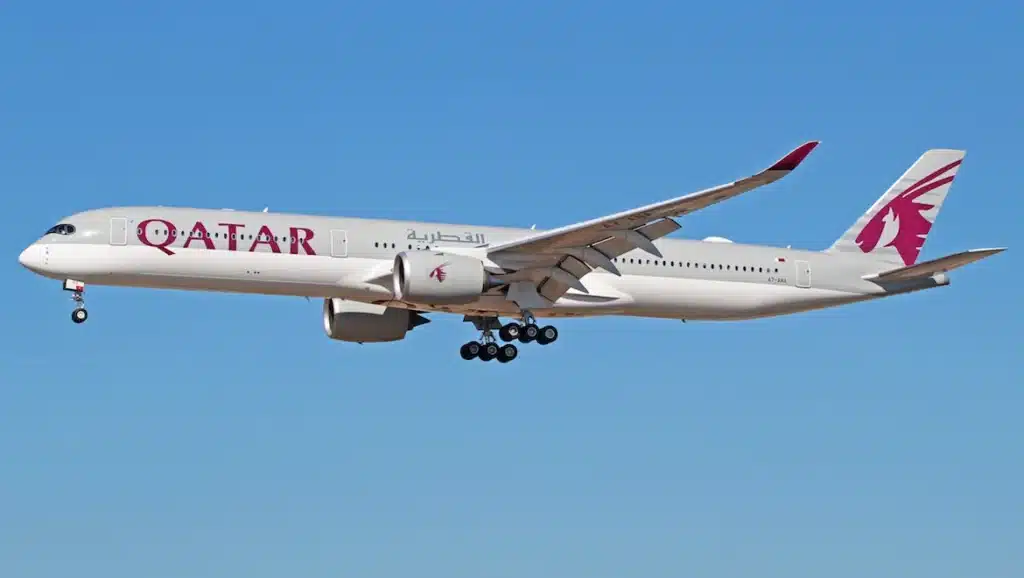
Etihad Airways operates 350-380 daily flights, down from 450-480 in late February, representing capacity reductions of 18-27%. The Abu Dhabi-based carrier faces particular challenges on India and Southeast Asia routes where alternative routing adds significant flight time and fuel burn.
Budget carrier flydubai maintains 340-370 daily services compared to 420-450 pre-conflict, with capacity down 16-26%. The airline has cancelled most secondary route operations, concentrating capacity on trunk routes to Europe, India, and East Africa where demand justifies higher operating costs from extended routing.
Gulf Airline Flight Recovery Trends
Flight activity tracking shows gradual recovery acceleration beginning March 5, approximately one week after initial disruption. Emirates flight operations improved from 42% of normal levels on February 28 to 81% by March 23. Qatar Airways demonstrated faster recovery, reaching 84% of pre-conflict activity over the same period.
The recovery trajectory suggests airlines reach approximately 85-90% capacity restoration by early April if current conditions stabilize. However, full recovery requires airspace reopening and route normalization that remain uncertain given ongoing geopolitical tensions.
Smaller carriers including flydubai and Air Arabia show slower recovery rates, reaching 73-76% of normal operations. These airlines lack alternative aircraft to replace cancelled services and face greater financial pressure from extended low-capacity operations.
Why Gulf Airlines Were Hit The Hardest
The hub-and-spoke business model that made Gulf carriers successful now amplifies disruption. Emirates routes 60-70% of passengers through Dubai connections, Qatar Airways handles 55-65% connecting traffic through Doha, and Etihad manages 50-60% connections through Abu Dhabi. When hub operations face constraints, the entire network suffers multiplied effects.
Geographic location places Gulf hubs directly adjacent to restricted airspace. Aircraft departing Dubai, Doha, or Abu Dhabi for European, Asian, or African destinations previously overflew Iran, Iraq, and surrounding areas. Current routing requirements force aircraft south through Saudi Arabia or east through Oman, adding 400-800 nautical miles to typical flights.
The concentration of widebody long-haul aircraft in Gulf fleets creates operational inflexibility. Emirates operates 260+ widebody aircraft including Boeing 777s and Airbus A380s designed for 12-16 hour flights. These aircraft cannot easily redeploy to shorter regional routes when long-haul operations face disruption, leaving expensive assets underutilized. International aviation regulations govern how airlines manage such operational constraints.
Crew scheduling complexity compounds operational challenges. Extended flight times require augmented crews, cabin crew rest requirements change, and duty time limitations reduce daily aircraft utilization. An aircraft that previously completed 13-14 flying hours daily now manages just 11-12 hours, reducing revenue-generating capacity by 10-20%.
Financial reserves built during profitable years provide cushion, but extended disruption strains even strong balance sheets. Emirates reported $3 billion cash reserves entering 2026, Qatar Airways approximately $2.5 billion, and Etihad $800 million. Daily additional costs of $3-7 million per major carrier consume these reserves if disruption extends beyond Q1 2026.
Airspace Closures Continue To Disrupt Routes
Iranian airspace remains closed to commercial aviation except for essential humanitarian and diplomatic flights. The closure affects approximately 1,500-2,000 daily flights that previously transited the region, forcing aircraft to reroute through Turkey, Saudi Arabia, or around the Arabian Peninsula depending on origin and destination.
Iraq maintains partial airspace restrictions in northern regions, affecting routes between Europe and the Gulf. Aircraft routing through Iraqi airspace face altitude restrictions and specific corridor requirements that reduce efficiency and increase controller workload at Baghdad FIR.
Syrian airspace access varies daily based on security assessments. European carriers avoiding Syrian airspace add 200-400 nautical miles to Eastern Mediterranean routes. Airlines must file multiple routing options and receive real-time clearances before departure.
The cumulative effect forces airlines to carry additional fuel, reducing payload capacity. A Boeing 777-300ER operating Dubai-London previously carried 8,000-10,000 kg reserve fuel. Current routing requires 12,000-15,000 kg, reducing passenger or cargo weight by 2,000-5,000 kg per flight. On high-demand routes, this translates to 15-25 fewer passengers per departure.
Safety margins expand as airlines build contingency into flight planning. Diversion airports become more distant, alternate routing more complex, and weather alternates harder to identify. These operational constraints reduce schedule reliability even when aircraft depart on time.
Longer Routes And Fuel Costs Are Slowing Recovery
Extended routing drives multiple cost increases simultaneously. The table below shows primary cost factors and their current impact on Gulf carrier operations.
| Cost Factor | Impact Level | Estimated Increase |
|---|---|---|
| Route Length | High | +400-800 nautical miles |
| Fuel Burn Per Flight | High | +15-25% per route |
| Crew Costs | Medium | +15-30% (augmented crews) |
| Aircraft Utilization | High | -15-20% (hours per day) |
| Maintenance Intervals | Medium | +8-12% (accelerated wear) |
Route length increases directly impact fuel consumption. A typical Dubai-London flight previously covered 3,400 nautical miles in 6.5 hours. Current routing extends distance to 3,900-4,200 nautical miles, requiring 7.5-8 hours flight time. Fuel burn increases from 85,000-90,000 liters to 100,000-110,000 liters, adding $9,750-13,000 in fuel costs per flight.
Block times extend beyond just flying time. Ground delays increase as airports handle rerouted traffic, gate availability tightens, and air traffic control coordinates more complex flow patterns. Aircraft that previously completed 3-4 rotations daily now manage 2-3, reducing revenue opportunities while fixed costs remain constant.
Crew costs escalate through multiple mechanisms. Extended flights require augmented cockpit crews (two extra pilots) at approximately $5,000-8,000 additional cost per flight. Cabin crew augmentation adds another $3,000-5,000. Duty time limitations mean crews complete fewer monthly flights, requiring airlines to maintain larger crew pools at higher total payroll expense.
Maintenance schedules accelerate as aircraft accumulate flight hours faster relative to calendar time. An aircraft flying extended routes reaches its 6,000-hour maintenance check 15-20% sooner in calendar days, compressing maintenance planning windows and requiring more spare aircraft to cover scheduled maintenance downtime.
Jet Fuel Prices Are Adding Pressure
Jet fuel prices have climbed to $95-98 per barrel, up from $88-91 before conflict escalation. The increase adds $450,000-650,000 daily fuel costs for major carriers operating 200-250 daily flights. Over a full quarter, this represents $40-60 million in additional expense beyond budget projections.
Fuel typically represents 30-35% of total airline operating costs for Gulf carriers. The combination of higher prices and increased consumption from extended routing pushes fuel to 38-42% of costs, squeezing margins on already-pressured routes. Airlines cannot immediately pass these costs to passengers through fare increases given advance bookings and competitive dynamics.
Hedging strategies that previously protected against price volatility now provide limited benefit. Most carriers hedged 40-60% of anticipated fuel consumption based on pre-conflict routing and flight schedules. The additional 15-25% fuel burn from extended routing remains unhedged, exposing airlines to spot market prices.
Regional refineries operate near capacity, limiting supply flexibility. Middle East refineries produce approximately 1.2-1.4 million barrels daily of jet fuel, with 80-85% allocated to pre-existing contracts. Additional demand from rerouted flights and military operations strains available supply, supporting higher prices even as global crude oil remains stable.
Some airlines implement fuel surcharges on new bookings to recover incremental costs. Emirates added $15-25 fuel surcharges on long-haul routes beginning March 15. Qatar Airways implemented similar surcharges of $20-30 on European and Asian destinations. These surcharges generate $45-75 million quarterly revenue if maintained, offsetting roughly 60-80% of additional fuel expense.
Passenger Disruption And Travel Chaos
More than 1.8 million passengers have experienced flight cancellations, delays exceeding 4 hours, or missed connections since late February. Airlines process 15,000-20,000 daily rebooking requests, overwhelming customer service systems designed for normal 2,000-3,000 daily volume.
Wait times for airline customer service reach 3-4 hours by phone and 2-3 hours at airport service desks. Social media channels receive 50,000-70,000 daily inquiries, 5-7 times normal volume. Airlines deploy emergency customer service reinforcements but struggle to match demand spikes.
Compensation claims mount as European passengers invoke EU261 regulations for cancellations and delays. Eligible passengers receive 250-600 euros per ticket depending on flight distance and delay duration. Airlines face potential liability of $150-250 million if all eligible claims process, though actual payout typically reaches 40-60% as many passengers decline to file formal claims.
Hotel accommodations for stranded passengers add significant unexpected costs. Major Gulf carriers house 3,000-5,000 passengers nightly in Dubai, Doha, and Abu Dhabi hotels while rebooking connections. At $100-150 per night including meals, this represents $300,000-750,000 daily accommodation expense above normal operational costs.
Baggage handling complications multiply as passengers rebook across different carriers and routes. Major airports report mishandled baggage rates 3-4 times higher than normal, with 12,000-15,000 delayed or misrouted bags daily across Gulf hubs. Compensation for lost or delayed baggage adds another $2-4 million weekly across the three major carriers.
Global Ripple Effect On Aviation
European carriers face indirect impact as Middle East instability affects their Eastern operations. Lufthansa, Air France-KLM, and British Airways reduce flight frequencies to Gulf destinations by 15-25%, affecting their own global network connectivity. European airlines that relied on Gulf hub connections for Asia and Africa routes now develop alternative routing or reduce service levels.
Asian carriers experience asymmetric effects based on geography. Singapore Airlines, Cathay Pacific, and Thai Airways maintain Middle East operations with minimal disruption, routing south of conflict zones. However, European destinations become harder to serve efficiently, forcing some carriers to add technical stops or reduce frequencies on thin routes.
Cargo operations suffer disproportionate impact as freight forwarders prefer predictable schedules and routing. Air cargo volumes through Gulf hubs drop 18-24% as shippers redirect freight through European or Asian alternatives despite higher costs and longer transit times. The cargo decline removes $180-240 million quarterly revenue from Gulf carrier operations.
Premium cabin demand remains robust as business travelers accept higher fares for available seats. First and business class load factors exceed 85% on most routes compared to typical 70-75%, providing pricing power that partially offsets capacity reductions. Airlines allocate scarce long-haul capacity to premium-heavy routes, maximizing per-flight revenue. This strategy aligns with how top long-haul carriers historically manage capacity constraints.
Low-cost carriers face particularly acute pressure as their business models depend on high aircraft utilization and tight cost control. Extended routing and reduced frequencies eliminate the cost advantages that allow budget airlines to compete. Some regional low-cost carriers suspend Middle East operations entirely rather than operate at losses. Understanding aircraft economics becomes critical during extended disruption periods.
What Happens Next For Gulf Airlines
Recovery trajectory depends primarily on airspace reopening timelines that remain uncertain. Optimistic scenarios show gradual airspace access restoration beginning April 2026, allowing airlines to reach 95% normal capacity by May. More conservative projections extend disruption through Q2 2026, with full recovery delayed to June or July.
Airlines develop contingency plans for extended disruption. Emirates announced fleet flexibility measures allowing aircraft redeployment to less-affected routes. Qatar Airways explores temporary Asian hub partnerships to maintain connectivity without Middle East overflights. Etihad evaluates short-term capacity reductions to preserve financial resources.
Financial pressure mounts if disruption extends beyond March. Industry analysts estimate Gulf carriers collectively lose $180-250 million monthly operating in current conditions. Most carriers can sustain 2-3 months at these loss rates using existing reserves, but extended disruption forces more drastic responses including workforce reductions or fleet parking.
Ticket prices for remaining available seats continue rising as demand exceeds supply. Average Dubai-London fares increased 22-28% from February to March. Dubai-Singapore fares rose 18-24%. These increases benefit airline revenues but risk demand destruction if sustained. Corporate travel budgets face pressure as business class fares on some routes double versus pre-conflict levels.
New aircraft deliveries continue on schedule despite operational disruption. Emirates receives 3-4 monthly Boeing 777X deliveries beginning late 2026, providing fleet renewal even as current operations face constraints. However, airlines may delay activating new aircraft rather than expanding capacity in an uncertain environment, parking new deliveries until market conditions stabilize. Qatar Airways recently secured a major Boeing order that demonstrates long-term confidence despite short-term challenges.
The conflict’s duration determines whether current disruption represents temporary shock or structural shift. Short-term disruption lasting under 3 months allows Gulf carriers to resume growth trajectories with minimal lasting damage. Extended conflict beyond 6 months forces permanent network adjustments, market share losses to European and Asian competitors, and potential consolidation among weaker regional players.
Frequently Asked Questions
Which Gulf airlines are most affected by the Iran conflict?
Emirates faces the greatest absolute impact with 1,000-1,100 daily flights operating versus 1,250-1,300 pre-conflict, representing 19-24% capacity reduction and $5-7 million daily additional costs. Etihad shows highest percentage impact at 18-27% capacity reduction relative to smaller fleet size. Qatar Airways demonstrates strongest recovery, operating 84-88% of normal schedule. Flydubai operates 16-26% below normal capacity. All carriers face similar route challenges but differ in financial resources to sustain extended disruption.
How long until Gulf airlines return to normal operations?
Airlines currently operate at 75-85% of pre-conflict capacity with gradual recovery continuing. Full restoration to 95-100% normal operations requires airspace reopening that remains uncertain. Optimistic scenarios show 95% restoration by May 2026 if conditions stabilize in April. Conservative projections extend recovery to June-July 2026. Airlines develop contingency plans for extended disruption lasting through Q2 2026. Recovery speed depends primarily on geopolitical developments outside airline control rather than operational capability to restore services.
Are flights to Dubai and Doha safe?
Yes, commercial flights to Gulf airports maintain normal safety standards with no incidents related to regional conflict. Dubai International and Hamad International airports operate under standard security protocols with continuous coordination between airline operations and regional air traffic control. Extended routing adds flight time but increases safety margins by avoiding restricted airspace. Airlines cancel or delay flights only when safe operation cannot be guaranteed, not as precautionary measure. Passenger safety remains the absolute priority for all commercial carriers, and current operations meet all international safety requirements.
Why are ticket prices rising for Gulf region flights?
Ticket prices increase 18-28% on major routes due to reduced capacity and higher operating costs. Airlines operate 15-25% fewer flights while demand remains stable, creating supply shortage. Extended routing adds $9,750-13,000 fuel costs per long-haul flight, plus crew and maintenance expenses. Some carriers implement $15-30 fuel surcharges on new bookings. Premium cabin demand exceeds available seats, allowing airlines to raise business and first class fares. Prices likely remain elevated until capacity restoration reaches 90-95% of normal levels, expected by May-July 2026.
How does this disruption compare to previous aviation crises?
Current Gulf airline disruption affects 75-85% capacity compared to COVID-19 which reduced global capacity to 20-30% at peak. The 2020-2021 pandemic caused $200-400 billion industry losses versus estimated $180-250 million monthly losses for Gulf carriers currently. However, recovery timeline uncertainty resembles early pandemic when airlines could not predict resumption. The concentrated geographic impact on Gulf hubs creates more severe effects for affected carriers than globally distributed disruptions like volcanic ash (2010) or 9/11 (2001) which affected all carriers equally.
Conclusion
Gulf airlines demonstrate operational resilience by restoring 75-85% of flight schedules within three weeks of conflict escalation, though recovery remains incomplete and financially costly. The hub-and-spoke model that built Emirates, Qatar Airways, and Etihad into global aviation powers now amplifies disruption as single-point failures cascade through entire networks. Daily additional costs of $3-7 million per major carrier erode financial reserves built during profitable years, creating sustainability questions if disruption extends beyond Q1 2026.
Extended routing requirements, elevated fuel prices, and reduced aircraft utilization combine to increase operating costs 12-18% while capacity reductions limit revenue recovery. The 1.8 million disrupted passengers and mounting compensation claims add immediate financial pressure beyond operational challenges. Airlines maintain service on core routes supporting strong load factors above 82%, but secondary market suspensions reduce network breadth that previously attracted connecting traffic through Gulf hubs.
Recovery trajectory depends on factors beyond airline control, primarily airspace reopening timelines that remain uncertain given ongoing geopolitical tensions. Optimistic scenarios show 95% capacity restoration by May 2026, while conservative projections extend full recovery to June or July. The aviation industry’s interconnected nature means Gulf carrier struggles ripple globally, affecting European and Asian airlines dependent on Middle East connectivity. Whether current disruption represents temporary shock or forces permanent network restructuring becomes clear only as events develop through Q2 2026.