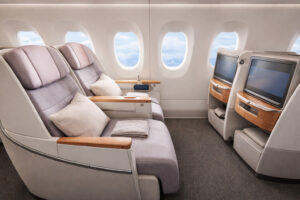
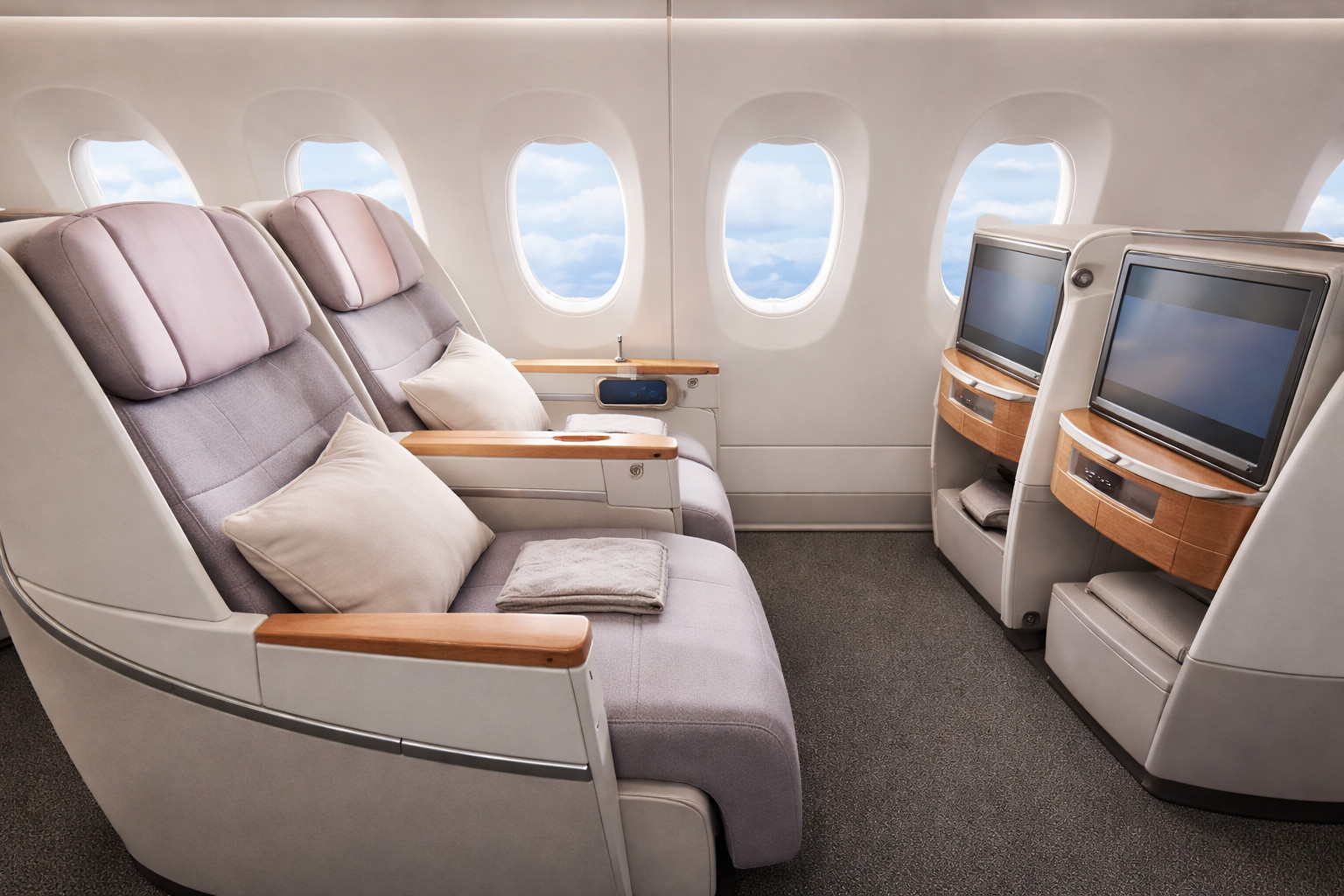
Not all business class seats are created equal. Some measure barely wider than premium economy. Others rival first-class suites in shoulder space.
For passengers spending $5,000-15,000 on long-haul tickets, seat width matters. A few extra inches mean the difference between comfortable sleep and a cramped red-eye flight. Understanding premium aviation experiences helps set expectations for business class comfort.
Why Seat Width Matters More Than You Think

Seat width determines comfort in ways seat pitch doesn’t. You can’t shrink your shoulders, but you can bend your knees.
On a 14-hour flight to Asia, those extra inches provide actual sleeping space. Lie-flat seats mean nothing if your shoulders press against the walls.
Shoulder Room
Most people’s shoulder width ranges from 16-20 inches. Business class seats under 20 inches wide force shoulders inward during sleep. Wider seats allow natural sleeping positions.
The difference between a 20-inch and 24-inch seat feels enormous when lying flat for hours. Your body relaxes instead of tensing.
Privacy and Personal Space
Wider seats create better separation from neighbors. In 1-2-1 configurations, extra width means the center console doesn’t invade your space.
Suites with doors need width for structural support. Narrow seats can’t accommodate substantial privacy dividers effectively.
Storage and Amenities
Wide seats offer more accessible storage. Side bins, shoe compartments, and device holders fit without cramping the sleeping surface.
Wider consoles accommodate larger entertainment screens and work surfaces. Everything feels less cramped and more premium.
How We Ranked the Widest Business Class Seats
We ranked airlines by published seat width in their current 2026 business class products. Measurements come from airline specifications and independent seat review sites.
Important factors considered:
- Seat width at sleeping surface – widest point when lie-flat
- Aircraft configuration – same airline varies by plane type
- Published specifications – verified manufacturer data
- Current fleet deployment – widely available in 2026
Measurements focus on the sleeping surface width rather than seat cushion width. Lie-flat beds often measure differently than the seat in upright position. Understanding aircraft type differences helps explain seat width variations.
Top 5 Airlines With the Widest Business Class Seats
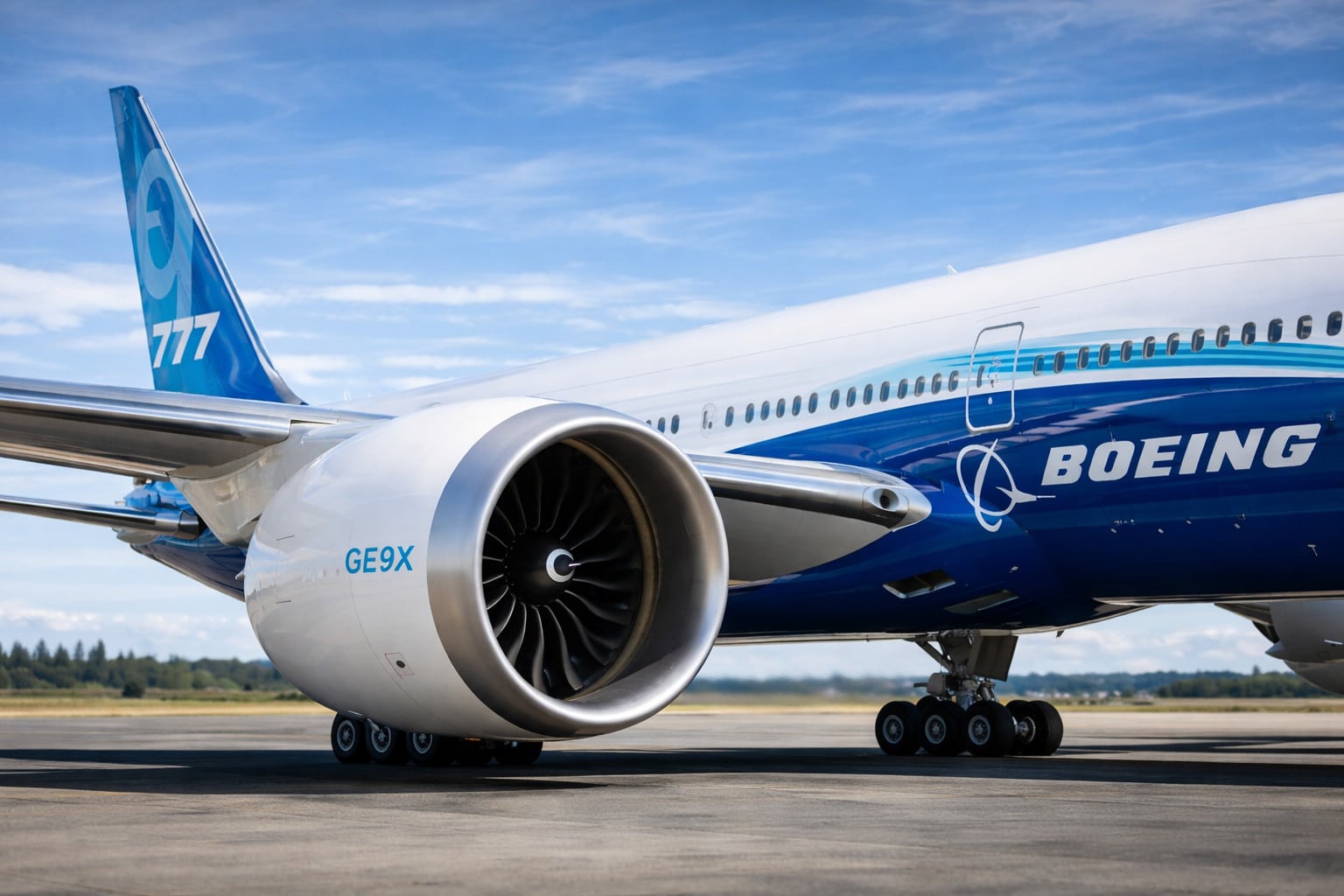
1. ANA “The Room” — 38 Inches (Boeing 777-300ER)
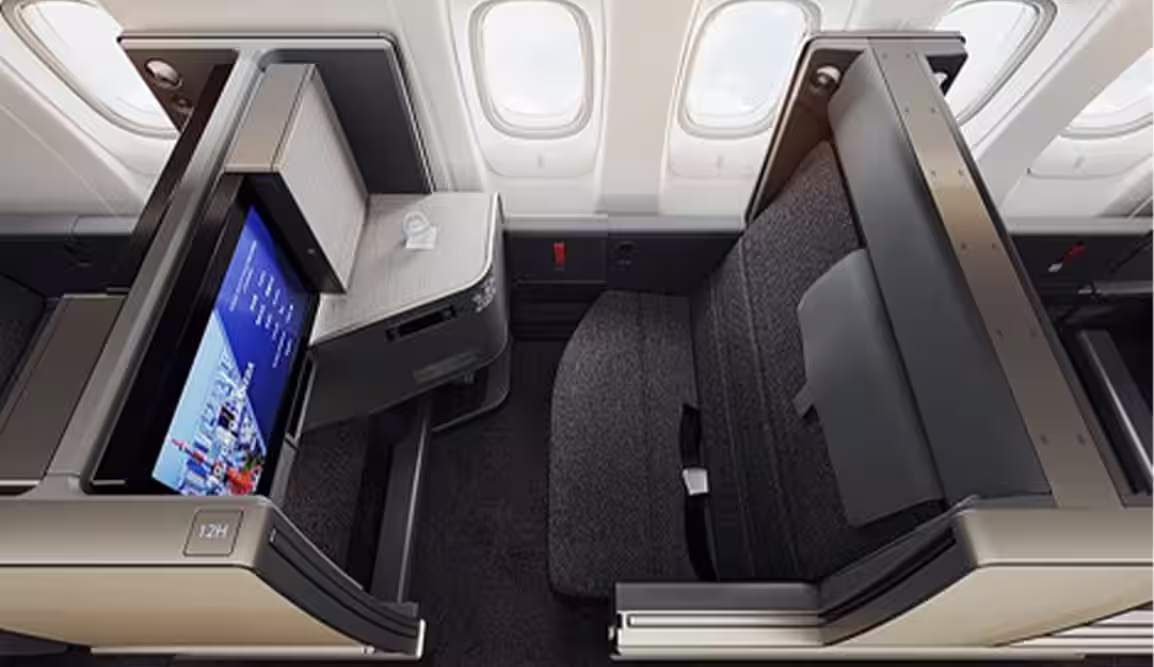
All Nippon Airways wins with “The Room” – their ultra-premium business class product measuring approximately 38 inches wide.
This isn’t standard business class. It’s a private suite with sliding doors, armchair, and separate ottoman that converts to a full bed. The width rivals many first-class seats.
Key Features:
- Seat width: ~38 inches at widest point
- Bed length: 76 inches
- Layout: 1-2-1 staggered configuration
- Privacy: Full sliding doors
- Aircraft: Boeing 777-300ER
The Room features a separate lounge chair beside the bed. During daytime, passengers sit in the chair. For sleep, they move to the full-width bed.
ANA deploys The Room on flagship routes including Tokyo to New York, London, and Los Angeles. Availability remains limited compared to their standard business class.
2. Singapore Airlines — 28-30 Inches (A350/777)

Singapore Airlines business class seats measure approximately 28-30 inches wide depending on aircraft type. Their A350 and newer 777 configurations offer generous dimensions.
The seats feature a wide shell design providing substantial shoulder room. Singapore’s attention to comfort shows in every detail.
Key Features:
- Seat width: 28-30 inches
- Bed length: 76-78 inches
- Layout: 1-2-1 on widebody aircraft
- Privacy: High dividers, no full doors
- Aircraft: A350, 777-300ER, A380 (upper deck)
Singapore Airlines operates these seats on extensive networks. Routes from Singapore to North America, Europe, and Australia feature this product consistently.
The airline’s reputation for service quality extends to hardware quality. Their seats maintain excellent condition through regular refurbishment.
3. Qatar Airways Qsuite — 21.5 Inches (A350/777)

Qatar Airways Qsuite measures approximately 21.5 inches wide at the seat. However, the suite design creates a feeling of more space.
The Qsuite revolutionized business class with closing doors and quad configurations. Families or colleagues can create private four-person compartments.
Key Features:
- Seat width: ~21.5 inches
- Bed length: 79 inches
- Layout: 1-2-1 with convertible quads
- Privacy: Sliding doors on all seats
- Aircraft: A350, 777-300ER, 777-200LR
While not the widest by raw measurement, Qsuite’s enclosed space feels more private than wider open seats. The door makes substantial difference.
Qatar operates Qsuites on major routes globally. Most long-haul flights from Doha feature this product, making it widely accessible.
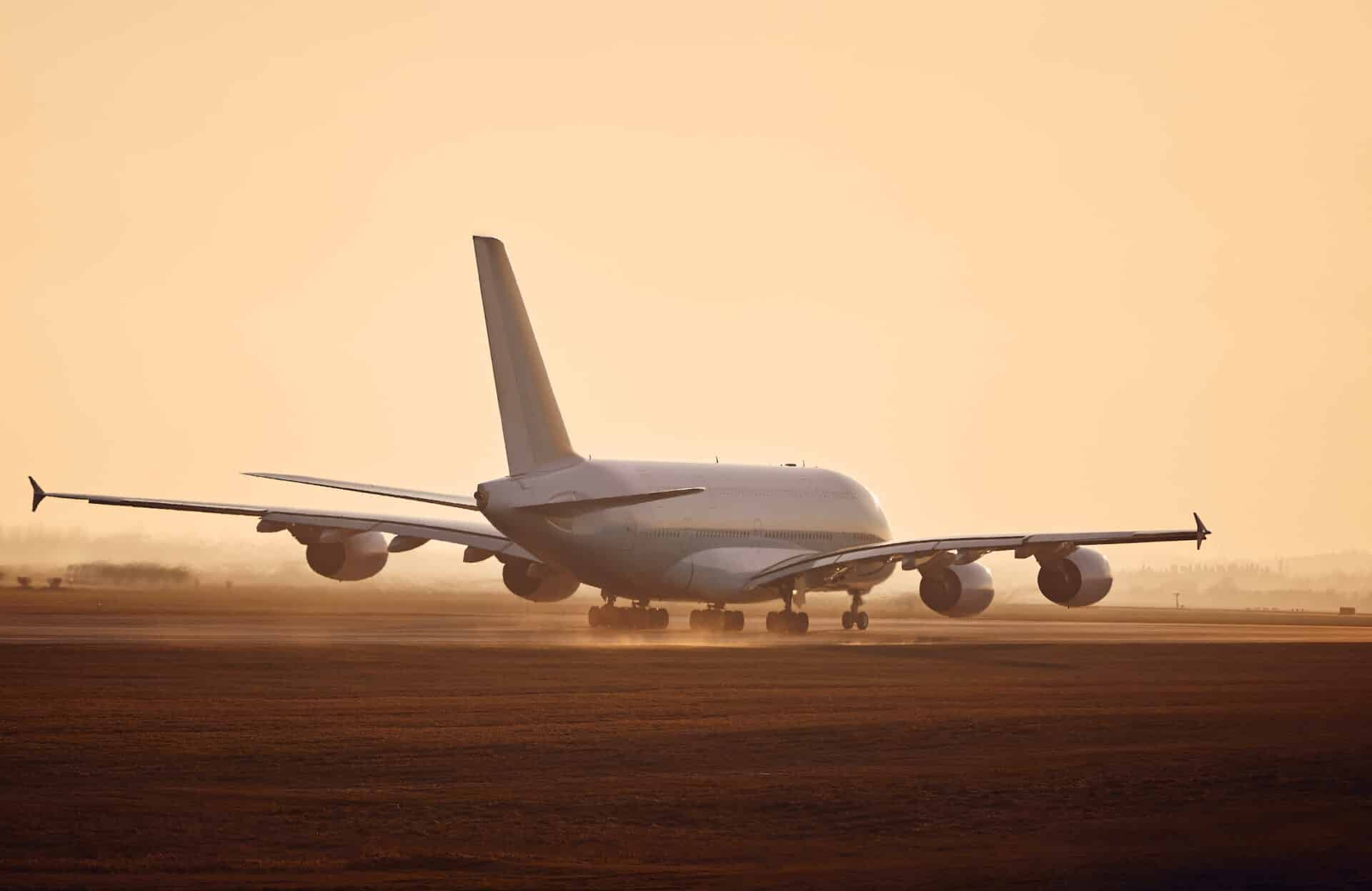
4. Emirates Business Class — 20.5-22 Inches (A380/777)
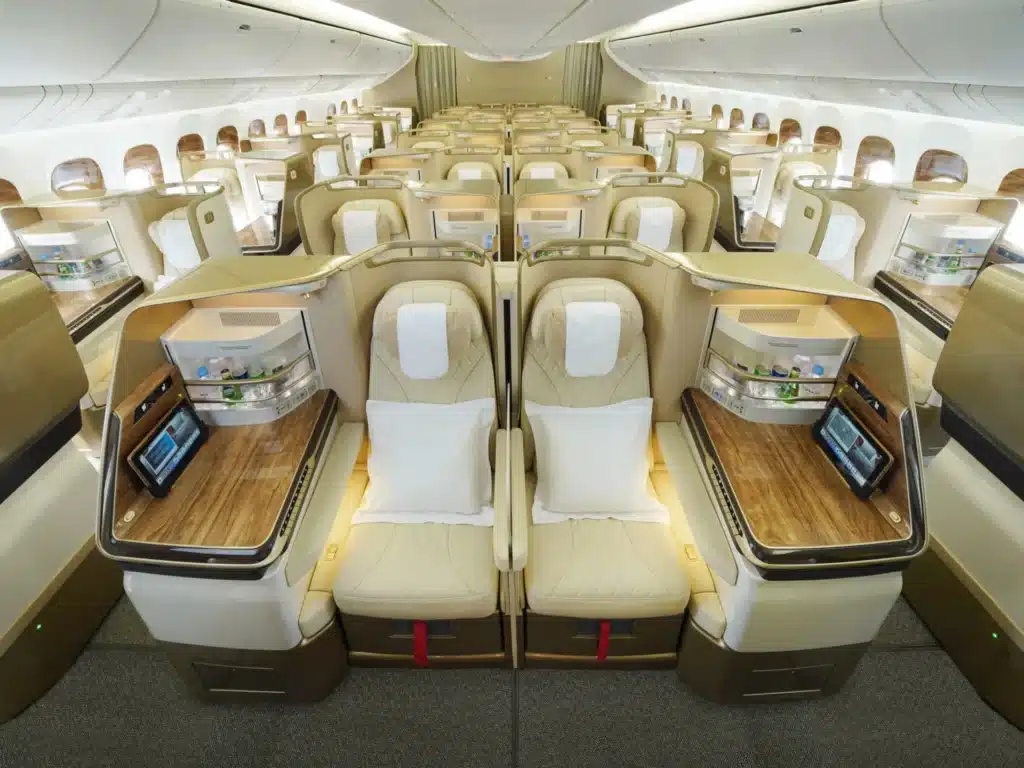
Emirates business class seats measure approximately 20.5-22 inches wide depending on aircraft. Their A380 upper deck business class offers the wider configuration.
Emirates focuses on refined comfort rather than maximum width. The seats balance space with cabin density effectively.
Key Features:
- Seat width: 20.5-22 inches
- Bed length: 72-78 inches (varies by aircraft)
- Layout: 1-2-1 on most aircraft
- Privacy: Dividers, no full doors
- Aircraft: A380, 777-300ER, 777-200LR
The Emirates A380 business class on the upper deck provides a premium experience. Lower passenger density and quieter cabin enhance comfort.
Emirates deploys business class consistently across routes. Flying from Dubai to virtually anywhere offers reliable hard product quality. Premium travelers often combine business class flights with luxury ground transportation for complete door-to-door comfort.
5. British Airways Club Suite — 21 Inches (A350/787)

British Airways Club Suite measures approximately 21 inches wide. The suite design with doors compensates for moderate width.
BA introduced Club Suite to modernize their product. It represents a significant upgrade from their older business class seats.
Key Features:
- Seat width: ~21 inches
- Bed length: 79 inches
- Layout: 1-2-1 throughout cabin
- Privacy: Closing suite doors
- Aircraft: A350-1000, 787-9, 777-300ER (refits)
BA deploys Club Suite on premium routes from London to North America, Middle East, and Asia. Fleet refits continue expanding availability.
The suite door provides privacy advantage over BA’s older open business class seats. Passengers notice the difference immediately.
Business Class Seat Width Comparison Table
| Airline | Product Name | Seat Width | Bed Length | Layout | Privacy |
|---|---|---|---|---|---|
| ANA | The Room | 38 inches | 76 inches | 1-2-1 staggered | Sliding doors |
| Singapore Airlines | Business Class | 28-30 inches | 76-78 inches | 1-2-1 | High dividers |
| Qatar Airways | Qsuite | 21.5 inches | 79 inches | 1-2-1 (quads) | Sliding doors |
| Emirates | Business Class | 20.5-22 inches | 72-78 inches | 1-2-1 | Dividers |
| British Airways | Club Suite | 21 inches | 79 inches | 1-2-1 | Closing doors |
Note: Seat widths represent approximate measurements at widest point when configured as lie-flat bed. Actual dimensions may vary slightly by aircraft type and configuration. ANA’s exceptional 38-inch width highlighted in gold. Swipe left to see full table on mobile devices.
Is Wider Always Better?
Not necessarily. Seat width represents just one comfort factor among many. Other elements matter equally or more.
Cabin Density Trade-Offs
Wider seats mean fewer passengers in the cabin. Airlines balance width against revenue. ANA’s 38-inch seats come at the cost of reduced seating.
Some passengers prefer more availability with slightly narrower seats versus limited award space on ultra-wide configurations.
Privacy vs Pure Width
A 21-inch suite with doors often feels more spacious than a 25-inch open seat. Qatar’s Qsuite proves this – modest width but excellent privacy.
Enclosed space creates psychological comfort beyond physical measurements. You feel less exposed to the cabin around you.
Service and Soft Product
Hard product matters, but service quality determines overall experience. A 30-inch seat with poor service disappoints more than a 22-inch seat with excellent attention.
Airlines like Singapore Airlines combine wide seats with exceptional service. The combination creates superior experiences versus competitors offering one without the other.
Route Network Availability
The widest seat helps only if it flies your routes. ANA’s The Room serves limited destinations. Emirates’ slightly narrower seats reach hundreds of cities.
Practical travelers balance seat width against route convenience and schedule flexibility. A 22-inch seat on a direct flight beats a 28-inch seat requiring connections.
What About First Class?
First class seats typically measure 21-30 inches wide in traditional configurations. However, modern first class suites offer 35-40+ inches of space.
Emirates First Class suites provide complete enclosed spaces with closing doors. These measure wider than most business class seats but cost 2-3x more.
Interestingly, ANA’s The Room in business class rivals many first class products in width. The line between premium business and first class continues blurring.
For travelers deciding between premium business and first class, width differences may not justify the price premium. Other amenities like showers, bars, and ground services matter more.
Frequently Asked Questions
What is the widest business class seat in the world?
ANA’s “The Room” is the widest at approximately 38 inches. This ultra-premium business class product on Boeing 777-300ER aircraft offers exceptional width rivaling first class. The separate armchair and bed configuration provides genuine suite-level space. However, availability remains limited to select flagship routes from Tokyo.
How wide is ANA The Room exactly?
ANA The Room measures approximately 38 inches at its widest point when configured as a bed. The separate seating area and bed surface together create this exceptional width. This represents nearly double the width of standard business class seats. The product features on 777-300ER aircraft serving premium long-haul routes.
Is Qatar Qsuite wider than other business class seats?
No, Qsuite measures about 21.5 inches – actually narrower than many competitors. However, the enclosed suite design with closing doors creates a spacious feeling that exceeds its physical width. The quad configuration option and excellent privacy make it feel more spacious than wider open seats. Qsuite wins on overall experience rather than raw dimensions.
How wide is Emirates business class?
Emirates business class seats measure 20.5-22 inches wide depending on aircraft type. A380 upper deck configurations offer slightly wider seats than 777 aircraft. While not the widest available, Emirates maintains consistent quality across their large fleet. The seats provide comfortable width for most passengers on long-haul flights.
Do business class seat widths vary by aircraft type?
Yes, significantly. The same airline often operates different seat widths on various aircraft. Airbus A350 and Boeing 787 narrower fuselages affect cabin layouts compared to 777 or A380 wide-bodies. Airlines configure seats based on aircraft dimensions, affecting both width and cabin arrangements. Always check specific aircraft type when booking.
Is business class wider than premium economy?
Usually, but not always dramatically. Premium economy seats typically measure 18-20 inches wide while business class ranges from 20-38 inches. The key difference is lie-flat capability and privacy rather than pure width. Some premium economy seats approach business class width but lack full recline and privacy features.
Which airlines have the best business class for tall passengers?
Bed length matters more than width for tall passengers. Qatar Qsuite and British Airways Club Suite both offer 79-inch bed lengths – suitable for passengers over 6’4″. Singapore Airlines provides 76-78 inches, comfortable for most. ANA The Room offers 76 inches. Focus on bed length specifications when height exceeds 6 feet.
Are wider business class seats worth the premium price?
Depends on flight duration and personal budget. For flights under 6 hours, width differences matter less. On 12+ hour flights, extra width significantly improves sleep quality and comfort. If price differences are modest (10-20%), wider seats justify the cost. For double the price, evaluate whether width alone justifies the expense premium.
Conclusion
The widest business class seats in 2026 range from ANA’s extraordinary 38 inches down to still-comfortable 20.5 inches on major carriers.
ANA’s The Room stands alone in width, offering nearly first-class dimensions. Singapore Airlines follows with excellent 28-30 inch seats backed by renowned service quality.
Qatar’s Qsuite proves that width isn’t everything. At 21.5 inches, it feels more spacious than wider open seats thanks to exceptional privacy and innovative design.
Emirates and British Airways deliver solid products in the 20.5-22 inch range. Both offer closing doors or excellent dividers compensating for moderate width.
When choosing business class, consider total package rather than width alone. Service quality, route network, award availability, and privacy features all matter.
For passengers prioritizing pure sleeping comfort on ultra-long-haul flights, width makes measurable difference. Those extra inches allow natural sleeping positions reducing fatigue.
The trend toward enclosed suites continues reshaping business class. Even narrower seats feel premium when properly designed with doors and privacy features.
Ultimately, the “best” business class depends on your specific needs. ANA offers unmatched width. Singapore balances width with service. Qatar delivers innovation. Emirates provides consistency. British Airways modernizes its product.
Before booking, verify the specific aircraft type and seat configuration. The same airline operates different products on different planes. Check seatguru or airline seatmaps for confirmation.
Business class continues improving globally. More airlines introduce door-equipped suites and wider seats. Competition drives innovation benefiting passengers willing to pay premium fares.
The widest seat matters most when it flies your route. A 38-inch seat helps only if it serves your destination with convenient schedules and reasonable pricing.