
In modern engineering, performance is often determined by details that are invisible to the end user. Behind every reliable mechanical system—whether it’s an aerospace assembly, a medical device, or an industrial machine—there are precisely manufactured components working under strict tolerances.
Among these components, CNC turning parts play a fundamental role. Their geometry, surface finish, and dimensional accuracy directly influence how systems operate over time. As industries demand higher efficiency and reliability, the importance of precision machining continues to grow.
Why CNC Turning Parts Are Critical in Engineering Systems
CNC turning is widely used to produce cylindrical and rotational components such as shafts, pins, bushings, and connectors. These parts are essential in systems where motion, alignment, and load distribution must be carefully controlled.
In practical applications, even small dimensional deviations can lead to:
- Increased friction
- Premature wear
- Misalignment in assemblies
- Reduced operational lifespan
This is why manufacturers place strong emphasis on the consistency and quality of CNC turning parts, especially in high-performance environments.
From Design to Production: The Need for Precision
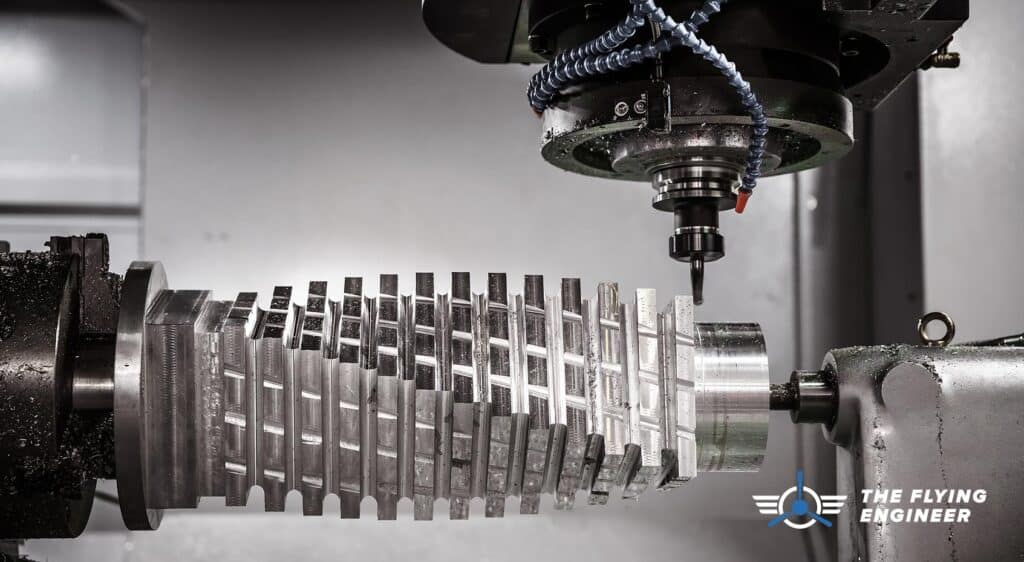
The process begins long before machining starts. Engineers design components with specific tolerances, material properties, and functional requirements in mind. Translating these designs into physical parts requires a combination of advanced equipment and process control.
Modern machining providers offering precision CNC machining services typically integrate design review, tooling strategy, and process optimization to ensure that each part meets its intended performance criteria.
This integration is particularly important when working with complex geometries or tight tolerances, where even minor process variations can impact the final result.
The Role of CNC Turning Centers in Achieving Consistency
Consistency is one of the biggest challenges in manufacturing, especially when scaling from prototype to mass production.
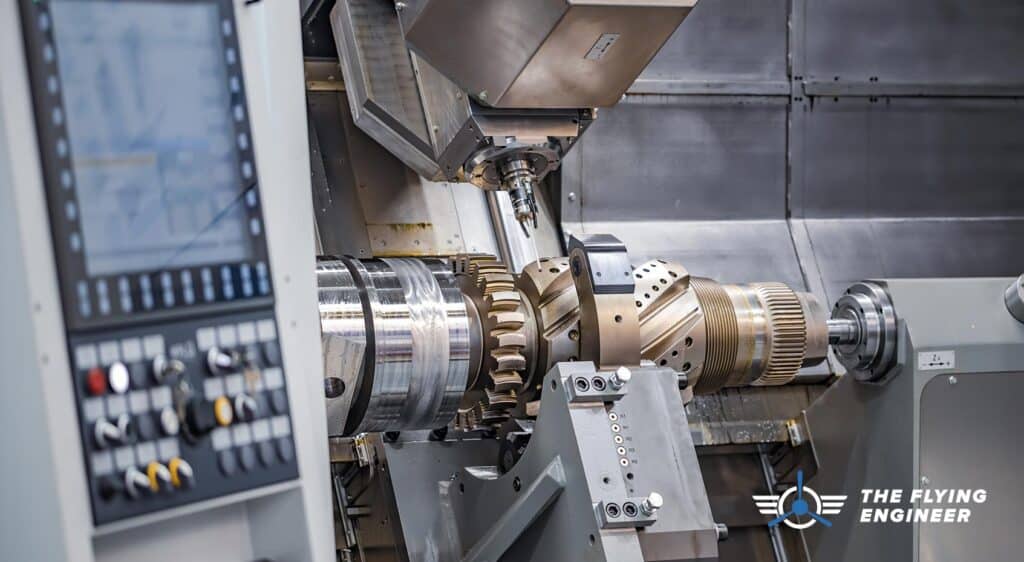
Advanced CNC turning centers for precision CNC turning parts are designed to address this challenge. These machines combine multiple machining operations into a single setup, reducing the need for repositioning and minimizing cumulative errors.
Key advantages include:
- High repeatability across production batches
- Reduced setup time
- Improved alignment and concentricity
- Enhanced surface finish quality
By maintaining stable machining conditions, turning centers help ensure that each component performs as expected in real-world applications.
Material Considerations and Machining Stability
The performance of CNC turning parts depends not only on geometry but also on material behavior.
Common materials used in turning include:
- Stainless steel
- Aluminum alloys
- Brass and copper
- Titanium and specialty alloys
Each material presents unique machining challenges. For example:
- Stainless steel may cause tool wear due to its hardness
- Aluminum requires careful control to avoid deformation
- Titanium generates heat that must be managed effectively
Experienced machinists adjust cutting parameters, tooling, and cooling strategies to maintain dimensional accuracy while preserving material integrity.
Applications Across Industries
CNC turning parts are used across a wide range of industries, each with its own performance requirements:
Aerospace
Components must meet strict weight and strength criteria while maintaining tight tolerances.
Medical Devices
Parts often require micro-level precision and superior surface finishes for safety and functionality.
Automotive
High-volume production demands consistent quality and durability under dynamic conditions.
Industrial Equipment
Components must withstand continuous operation, vibration, and environmental stress.
In all these sectors, the reliability of the final product depends heavily on the precision of individual parts.
Process Control and Quality Assurance
Maintaining high quality in CNC turning requires more than just advanced machines. It also depends on robust process control.
Key practices include:
- In-process inspection to detect deviations early
- Tool wear monitoring to maintain consistency
- Statistical process control (SPC) for large production runs
- Final inspection using precision measurement equipment
These measures help ensure that each batch of parts meets the required specifications.
The Impact of Digital Manufacturing Trends
CNC machining is increasingly integrated with digital technologies.
Automation
Automated loading systems reduce manual handling and improve efficiency.
Data Monitoring
Sensors collect real-time data on machine performance, enabling predictive maintenance.
Process Optimization
Data analysis helps refine machining parameters and improve overall productivity.
These advancements are transforming traditional machining into a more intelligent and adaptive process.
Looking Ahead: The Future of CNC Turning Parts
As manufacturing continues to evolve, several trends are shaping the future of CNC turning:
- Increasing demand for high-precision components
- Greater use of advanced materials
- Expansion of automation and smart manufacturing
- Emphasis on sustainability and material efficiency
CNC turning will remain a critical process in meeting these demands, providing the accuracy and reliability required in modern engineering.
Conclusion
Precision CNC turning parts are more than just components—they are essential elements that determine the performance and longevity of mechanical systems.
From design and material selection to machining and quality control, every step in the process contributes to the final outcome. As industries continue to push the boundaries of performance and efficiency, the role of precision machining will only become more significant.
For engineers and manufacturers alike, understanding the value of high-quality CNC turning parts is key to building reliable and competitive products.